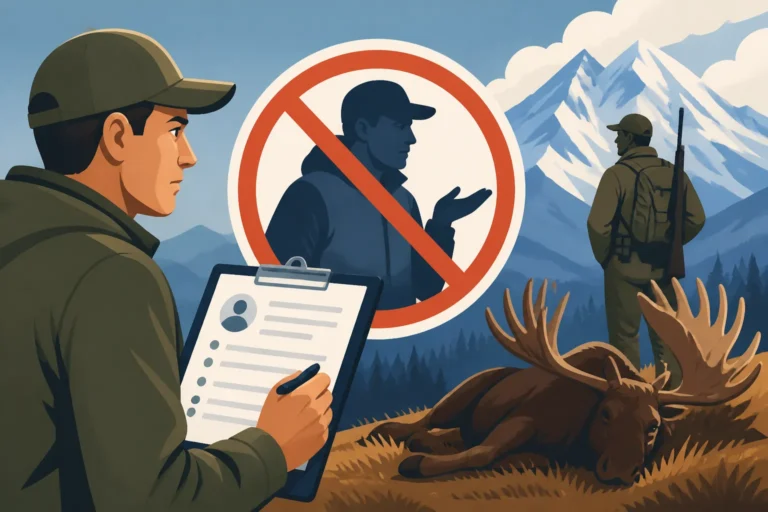
Cancellation Lists and Last-Minute Openings
For many Alaska hunters, the dream of chasing a giant bull moose or a majestic Dall sheep often comes with a dose of reality: booking these coveted hunts usually requires planning several years, sometimes even half a decade, in advance. This can be incredibly frustrating if your schedule suddenly opens up, or if you simply can't commit that far out. But here's a little secret for the flexible and the prepared: cancellation lists and last-minute openings are a real pathway to an incredible Alaska adventure, and this guide will walk you through how to find and capitalize on them.
The Reality of Booking an Alaska Hunt Years in Advance
It’s no secret that Alaska offers some of the most sought-after big game hunting experiences in North America, and indeed, the world. This unparalleled opportunity often comes with a significant planning horizon, which can feel daunting and exclusive to many aspiring hunters.
Why Hunts Book Up So Far Out
The demand for premier Alaska hunts far outstrips the supply. Think about species like Dall sheep, brown bear, or prime rut-period moose hunts. There are often limited tags available, and even more significantly, a finite number of highly reputable registered guide-outfitters who can operate in the best areas. Guides spend years building their reputations, securing concessions on federal lands, and establishing reliable logistics. When a guide has a consistent track record of success and happy clients, their calendar fills up quickly. A good guide might have repeat clients who re-book immediately after a successful hunt, effectively blocking out prime weeks for years to come. This creates a bottleneck where hunters are vying for a limited number of spots with trusted professionals. Hiring an Alaska Registered Guide-Outfitter is a serious commitment, and that commitment often means forward planning.
Beyond just guide availability, the seasons themselves play a huge role. The prime window for a specific hunt, say the moose rut in September or the Dall sheep season in August, is relatively short. There might only be a handful of weeks where conditions are optimal, and every hunter wants to be there during that sweet spot. This concentrates demand into narrow timeframes, making those specific weeks the first to disappear from a guide's schedule. It's a testament to the quality of the hunting, but it also means patience is a virtue, or at least, traditionally it has been.
The Frustration of Long Lead Times
For many of us, planning five years into the future is almost impossible. Life happens—jobs change, family commitments shift, and budgets fluctuate. You might suddenly find yourself with a window of opportunity, a windfall, or a burning desire to hunt Alaska now, only to be met with guides whose calendars are full until 2030. This can be incredibly disheartening. You've done your research, daydreamed about the hunt, and finally decided to pull the trigger, only to hit a wall. It feels like you missed the boat before you even had a chance to buy a ticket. The traditional wisdom dictates you need to be extraordinarily proactive, but that doesn't account for the spontaneity or sudden availability that sometimes dictates our lives. Imagine a scenario where a friend backs out of a trip, leaving you with an unexpected free week in September and a chunk of change. What do you do then? You don't want to wait another five years.
Understanding Cancellation Lists: Your Foot in the Door
This is where the less traditional, but often highly effective, strategy of cancellation lists comes into play. Think of it as a standby ticket for the hunt of a lifetime. It requires flexibility and a bit of luck, but it can absolutely pay off.
How Cancellation Lists Work
A cancellation list is essentially a queue of eager hunters who are ready to step in should another client cancel their booked hunt. When a hunter books an Alaska hunt, especially a guided trip, they typically pay a significant deposit. Life, as we know, is unpredictable. Illness, job loss, family emergencies, or even a sudden change of heart can lead a hunter to cancel their trip, often forfeiting their deposit, or at least a portion of it, depending on the contract. When this happens, the guide suddenly has an open slot that they'd prefer to fill to recoup some costs and maintain their operational schedule. This is where the cancellation list becomes invaluable. Guides will often reach out to individuals on this list, offering the newly available dates.
To get on one, you generally need to contact outfitters directly and express your interest. You'll need to provide your contact information, the species you're interested in, your preferred dates (or, more importantly, your flexibility regarding dates), and a general idea of your budget. Some guides might ask for a small, refundable deposit to show serious intent, though this is less common than with a full booking. Reputable outfitters might have a tiered list, prioritizing hunters who are genuinely prepared to book and travel on short notice. It's not just about getting your name down; it's about making it clear you're ready to commit. Some online platforms, like BookYourHunt, specifically cater to matching hunters with available trips, including cancellations, which can be a fantastic resource for a more organized approach.
Maximizing Your Chances on a Cancellation List
Being on a cancellation list is one thing; actually securing a hunt through it is another. The key is to be proactive and, most importantly, ready to move quickly. First, cast a wide net. Don't just get on one guide's list. Research multiple reputable outfitters for your desired species and region, and sign up for their lists. The more lists you're on, the better your odds. This also means doing your homework on Choosing a Guide for an Alaska Moose Hunt or Booking an Alaska Sheep Hunt With a Guide beforehand, so you know who you'd genuinely want to hunt with.
Second, be incredibly flexible with your dates. A guide isn't going to hold a prime September moose slot for you if you can only make it the first week of October. The more open you are to different weeks within a season, the more likely you are to fit into a cancellation opening. Third, be prepared financially. When that call comes, you'll likely need to put down a significant payment very quickly, often the full hunt cost or a large percentage of it. If you have to scramble to get funds, that opportunity might go to the next person on the list. Have your budget for Alaska Guided Hunt Price Ranges by Species clear in your head. Finally, ensure your communication with the guide is prompt and clear. If they call or email, respond immediately. Showing you're serious and responsive makes you a much more attractive candidate. Being a known quantity to a guide, even if just through email, can help.
Spotting Last-Minute Openings: Beyond the List
While cancellation lists are a formal channel, last-minute openings can also pop up through less structured avenues. These often require a bit more legwork and networking, but the rewards can be substantial.
Direct Outreach to Outfitters
Sometimes, a guide might have a last-minute opening but hasn't had time to actively manage a cancellation list, or perhaps their primary list has already been exhausted. In these cases, a direct, polite, and persistent outreach can pay dividends. Don't just email once and forget it. A well-timed follow-up call, especially closer to the season, can be effective. Introduce yourself, state your interest, mention your flexibility, and reiterate your preparedness. You might even discover openings for species like black bear or caribou that are generally easier to secure than, say, a brown bear hunt, where Booking an Alaska Brown Bear Hunt Years Ahead is the norm.
When you reach out, be specific about what you're looking for but also open to suggestions. A guide might not have a sheep hunt opening but could have a fantastic black bear opportunity due to a last-minute cancellation. Being agreeable to alternatives can sometimes get you into the Alaskan backcountry when you thought all hope was lost. Remember, guides are running a business, and empty slots mean lost revenue, so if you present yourself as a reliable, prepared client, you'll be seen favorably.
Industry Forums and Online Platforms
The internet has revolutionized how hunters connect with outfitters and discover opportunities. Online hunting forums, dedicated social media groups, and specialized booking platforms are excellent resources for sniffing out last-minute hunts. Guides will sometimes post openings directly to these platforms to quickly fill a spot. Sites like GoHunt often aggregate available hunts and can be filtered by species, dates, and even cancellation availability. Similarly, BookYourHunt specializes in presenting hunting opportunities worldwide, and often features short-notice trips.
Keep an eye on outfitters' websites and social media pages. Many guides will announce openings there first. Subscribing to newsletters from guides or booking agencies can also alert you to these time-sensitive opportunities. The key here is vigilance; these spots go fast, so regular checking and quick action are crucial. This is particularly true for those looking for less common draws or unique experiences, as guides might use these channels to advertise unique openings.
Trade Shows and Conventions
While it might seem counterintuitive for "last-minute," hunting trade shows and conventions (like the FNAWS or SCI conventions) can sometimes unveil immediate opportunities. Guides often attend these events to book future clients, but they might also arrive with a few open slots for the upcoming season due to recent cancellations. Face-to-face interaction can be incredibly powerful. You can instantly convey your seriousness and preparedness, and a guide can get a feel for you as a client. This personal connection can sometimes fast-track you past someone on a digital list. Even if they don't have an immediate opening, you might make a strong enough impression to be added to their priority cancellation list, or to be the first call they make if something pops up. It's a networking event for hunters, and the personal touch often makes a difference in a competitive environment.
Being Ready to Seize the Opportunity
Finding a last-minute opening is only half the battle. The other, equally crucial, half is being truly ready to jump on it. This readiness isn't just about saying "yes" over the phone; it encompasses financial, physical, and logistical preparation.
Financial Preparedness
Unlike hunts booked years in advance where payments are often spread out over time, a last-minute opening typically requires immediate financial commitment. Be prepared to pay a substantial portion, if not the entire cost, of the hunt upfront. This is often non-refundable, as the guide has lost potential revenue from the original client and needs to secure your commitment instantly. Having funds readily accessible is paramount. This might mean having a dedicated "Alaska Hunt" savings account or a pre-approved line of credit. Understand all the costs involved, from the Alaska Nonresident Hunting License Cost to the tag fees for your target species, and even unexpected expenses like Weather Days and Who Pays for Them or additional meat hauling charges.
Consider trip insurance that covers cancellations on your end, but also be aware that policies might have specific clauses about last-minute bookings. Always read the fine print. Discuss payment terms explicitly with the guide, and get everything in writing as part of your Guide Contracts and Deposits in Alaska. There’s no time for ambiguity when you’re making such a quick decision.
Physical and Mental Readiness
Just because the booking is last-minute doesn't mean the hunt itself will be any less demanding. In fact, a guide might specifically look for a physically fit and experienced hunter for a cancellation slot, knowing there's less time for the client to prepare. If you're targeting Dall sheep, for example, you should already be in solid physical shape, capable of navigating Alpine Navigation Without Cell Service and Reading Sheep Country From a Glassing Knob. Don't assume you'll have weeks or months to train; that opportunity might come up next week! Maintain a baseline level of fitness throughout the year if an Alaska hunt is always on your bucket list.
Mentally, you need to be adaptable and resilient. Last-minute hunts often come with unexpected challenges—changed flight plans, different camp locations than you initially envisioned, or a quicker pace. You won't have the luxury of months to mentally prepare for every contingency. An experienced guide will appreciate a client who can roll with the punches and maintain a positive attitude under pressure. This is a big part of what makes a successful Alaska hunter.
Gear and Travel Logistics
When a last-minute opportunity arises, the clock starts ticking on logistics. You need to have your essential gear largely sorted out or at least a clear plan for acquiring it immediately. Think about your rifle (and knowing its Sighting In Before You Fly to a Remote Alaska Camp), your optics, and crucially, your layered clothing system suitable for Alaska's unpredictable weather. You won't have time to order custom gear or wait for backorders. Having a core setup of Rain Gear Guides Actually Recommend and appropriate boots is non-negotiable.
Travel arrangements, especially flights to Alaska and then potentially bush flights to a remote camp, will need to be made very quickly. This can sometimes mean higher costs for last-minute airfare. Ensure your passport (if a nonresident alien, requiring Why a Foreign Hunter Always Needs an Alaska Guide) or ID is current, and that you understand any firearm transport regulations. Don't forget the necessary Alaska Hunter Education and Orientation Requirements that might apply to your specific hunt. A seasoned hunter planning for these opportunities keeps a packing list ready and a go-bag concept in mind, allowing them to rapidly assemble what’s needed.
Here’s a quick overview of the two approaches:
| Feature | Traditional Booking | Cancellation/Last-Minute Hunt |
|---|---|---|
| Planning Horizon | 2-5+ years in advance | Days to a few months before season |
| Availability | High selection of dates/guides | Limited to specific open slots |
| Cost | Deposits spread out; full payment often closer to hunt | Requires immediate, substantial payment, often full cost |
| Flexibility Required | Low (you choose the date) | High (must adapt to available dates) |
| Physical Prep Time | Ample time to train | Assumes pre-existing fitness or rapid readiness |
| Gear Procurement Time | Plenty of time to research and buy | Requires existing gear or quick purchases |
| Guide Selection | Broad choice of top guides | Limited to guides with openings |
| Risk | Guide cancellations (rare), personal schedule changes | Financial commitment is fast, high pressure |
| Reward | Guaranteed spot, chosen dates | Spontaneous adventure, potentially prime dates |
Cancellation lists and last-minute openings are not just a myth; they are a viable, albeit challenging, route to hunting in Alaska. They require a specific kind of hunter: one who is financially prepared, physically capable, and mentally flexible. If you embody these traits, don't write off your Alaska hunting dreams just because the calendar looks full. Your adventure might just be a last-minute phone call away.
Disclaimer
This article is for general informational purposes only and does not constitute professional advice. Laws, prices and regulations vary by location and change over time. Consult a qualified professional for guidance on your specific situation.