Alaska Nonresident Hunting License Cost
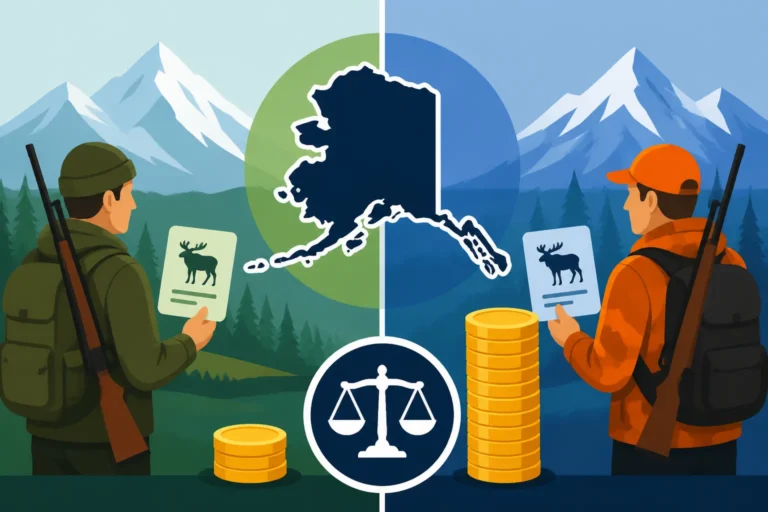
Venturing into the Last Frontier for a hunting adventure is a dream for many, but the practicalities, especially around costs, can feel like navigating a dense willow thicket without a map. One of the first questions on any nonresident hunter's mind, and often a source of significant sticker shock, is: "How much is an Alaska hunting license, really?" This guide is designed to cut through the confusion and lay out exactly what you can expect to pay for your Alaska nonresident hunting license and the associated tag fees, helping you budget accurately for that once-in-a-lifetime trip.
Breaking Down the Base Nonresident Hunting License Cost
Let's start with the non-negotiable entry fee: the Alaska nonresident hunting license itself. This isn't just a formality; it's your basic permit to engage in hunting activities in the state, and it’s the foundation upon which all other species-specific tags are built. Without this, nothing else matters.
The Annual Fee for Nonresident Hunters
For many years, the annual cost for a nonresident hunting license in Alaska has been set at $160. This fee covers a full calendar year, from January 1st to December 31st. It’s important to understand that this is a flat fee, regardless of whether you plan to hunt for two weeks or two months. This base license is what allows you to then purchase individual locking tags for the specific big game animals you're pursuing, or to hunt small game species that don't require separate tags. It’s essentially your passport to Alaska’s hunting grounds.
You might be thinking, "$160 for just the license? That feels steep!" And in comparison to some other states, it certainly can appear that way. However, when you consider the sheer scale of the hunting opportunities, the vast wilderness, and the comprehensive wildlife management programs funded by these fees, it starts to make more sense. This initial outlay is an investment in sustaining the very resources that draw hunters from around the globe. You can purchase this license easily online through the Alaska Department of Fish and Game (ADF&G) website, or from licensed vendors throughout the state.
What the Base License Does and Doesn't Cover
The nonresident hunting license is crucial, but it's equally important to understand its limitations. This license alone allows you to hunt small game and furbearers, provided they don't have specific tag requirements or seasons you need to pay attention to. Think grouse, hare, and certain predators like wolves or wolverines, depending on the unit and regulations. It also covers you for hunting waterfowl, though you'll need federal and state waterfowl stamps in addition. For example, knowing the nuances of Alaska Wolf Trapping Versus Hunting Seasons becomes critical when planning a predator hunt.
However, the base license absolutely does not cover any of Alaska's big game species like moose, caribou, brown bear, black bear, Dall sheep, or mountain goat. For each of these iconic animals, you will need to purchase separate "locking tags." This is where the real costs of an Alaska big game hunt begin to accumulate, and it's often the part that surprises new hunters the most. These tags are physical items that must be "locked" onto the animal immediately after a kill, serving as proof that you legally harvested the animal and paid the appropriate fee.
Understanding Additional Tag Fees for Big Game Species
Once you've secured your general nonresident hunting license, the next step in budgeting involves the individual locking tags for the big game species you intend to pursue. These tags represent a significant portion of the overall cost for most nonresident hunters. Each tag has its own price, reflecting the species' value, management costs, and demand.
Breakdown of Locking Tag Costs by Species
Alaska's approach to tag fees for nonresidents is very specific. Unlike residents, who may not need to purchase tags for certain species or pay significantly less, nonresidents are required to buy a locking tag for every single big game animal they harvest. These fees are considerable and are a primary source of funding for wildlife research, habitat improvement, and enforcement efforts across the state. The more sought-after or difficult-to-manage a species, the higher the tag cost often is.
Here's a breakdown of typical nonresident locking tag costs for popular big game species in Alaska (prices are subject to change, so always verify with the current ADF&G regulations):
| Species | Nonresident Locking Tag Cost (Approx.) |
|---|---|
| Alaska-Yukon Moose | $800 |
| Caribou | $650 |
| Brown/Grizzly Bear | $1,000 |
| Black Bear | $450 |
| Dall Sheep | $850 |
| Mountain Goat | $650 |
| Sitka Blacktail Deer | $300 |
| Bison | $900 |
| Muskox | $1,100 |
| Wolf | $60 |
| Wolverine | $175 |
As you can clearly see, these costs add up quickly, especially if you're planning a multi-species hunt or are simply targeting one of the more expensive animals like a brown bear or muskox. For a comprehensive look at these fees, you'll want to review the article titled, "Alaska Big Game Locking Tags and What Each Costs".
The Purpose of Locking Tags in Conservation
These locking tags aren't just a revenue stream; they are a critical tool in Alaska's wildlife management strategy. When you purchase a tag, it's assigned to you. Upon a successful harvest, the tag is physically "locked" onto a part of the animal (often an antler, horn, or ear, depending on the species), and it must remain there until the animal is processed. This system helps ADF&G track harvest numbers, ensures compliance with bag limits, and provides valuable data on game populations. Understanding the nuances of these regulations is crucial, as highlighted in guides like "Alaska Harvest Tickets, Registration Permits and Draw Permits".
The high cost for nonresident tags also reflects a management philosophy that prioritizes the health of the game populations and the equitable distribution of hunting opportunities. By placing a higher financial barrier on nonresidents, the state can regulate demand for certain species that might otherwise experience excessive pressure. This ensures that these incredible animals continue to thrive in their natural habitats for generations to come, something every hunter values deeply. It’s an investment in the future of Alaska hunting.
Why Alaska's Costs Are Different: Conservation and Management
Many hunters, especially those new to Alaska, are often taken aback by the combined cost of the nonresident license and individual big game tags. It's a valid reaction, as these fees are typically higher than in many Lower 48 states. However, this pricing structure is deeply rooted in Alaska's unique landscape, its vast wildlife populations, and the immense effort required to manage such a wild and expansive territory.
Funding Extensive Wildlife Management and Research
Alaska is simply enormous. It's larger than Texas, California, and Montana combined, and much of it is roadless wilderness. Managing wildlife across this immense, diverse landscape is an incredibly complex and expensive undertaking. The funds generated from nonresident license and tag fees directly support the Alaska Department of Fish and Game's extensive programs, which include biological research, population surveys, habitat management, disease monitoring, and enforcement. Without these funds, maintaining healthy populations of species like the iconic Alaska moose or the elusive Dall sheep would be far more challenging.
Consider the logistics involved in conducting aerial surveys over thousands of square miles of remote tundra and mountains to estimate caribou herd numbers, or the cost of field biologists tracking brown bear movements on the Alaska Peninsula. These operations require specialized equipment, highly trained personnel, and significant air support, all of which are expensive in Alaska. Your license and tag fees directly contribute to these vital efforts, ensuring that hunters continue to have world-class opportunities for species like those found in "Alaska Moose: Where the Biggest Bulls Live" or "Dall Sheep in Alaska's Brooks and Alaska Ranges".
The Value of Limited Access and Opportunities
Another key factor in the cost structure is the perceived and actual value of hunting in Alaska. For many, it's the pinnacle of big game hunting, offering opportunities for animals that simply don't exist elsewhere in the Lower 48, or exist in far fewer numbers. The demand for these experiences is high, and the state leverages this demand to fund its conservation efforts. This is also why certain species, like brown bear, have even higher tag costs and often require an Alaska registered guide, as detailed in "Alaska's Brown Bear, Sheep and Goat Guide Requirement".
Furthermore, Alaska utilizes a system of draw permits and registration hunts for many species and areas to manage harvest pressure and ensure sustainable populations. This means that even with the financial capability, access isn't guaranteed; you often have to apply and be lucky enough to draw a permit. This system helps to spread hunting pressure and prevents over-harvesting, maintaining the quality of the hunting experience for everyone. To learn more about this, check out "How Alaska's Big Game Drawing Permits Work". These controlled opportunities, coupled with the vast wilderness and the chance to truly disconnect, add an intangible value that contributes to the pricing model.
Budgeting Beyond the License: Hidden Costs and Planning Tips
While the nonresident hunting license and big game tags form the foundation of your financial outlay, an Alaska hunting trip involves numerous other costs that can quickly add up. Overlooking these "hidden" expenses is a common pitfall that can derail even the most carefully planned adventure. Savvy hunters factor in every possible cost from the outset.
Travel, Accommodation, and Logistics
Alaska is vast, and getting to your hunting destination, especially for a fly-in hunt, is a significant expense. This includes airfare to Alaska (usually Anchorage or Fairbanks), potential charter flights to bush communities, and then air taxi services (like those provided by Transporters) to your actual camp location. Air taxi rates are often charged by the hour or by the load, and these can run into thousands of dollars for a round trip. Don't forget potential overnight stays in hotels before and after your hunt, especially if you have flight delays or need to prepare gear. Guides like "Alaska Transporters and What They Legally Provide" can shed light on these logistics.
Then there’s the gear. While not a direct cost of the license, having the right equipment for Alaska's challenging conditions is essential, and it can be expensive to acquire or transport. This includes high-quality rain gear, extreme weather clothing, backpacking equipment for packing out meat, and optics suited for vast landscapes. Factor in food for your trip, fuel if you're driving a rental, and any unexpected repairs or supplies. These logistical elements are often more substantial than the license and tag fees themselves.
Guide and Outfitter Fees
For nonresident hunters pursuing brown bear, Dall sheep, or mountain goat, hiring an Alaska Registered Guide-Outfitter is not just recommended, it's legally required by Alaska state law. This is a crucial point and a substantial cost. Guided hunts can range from $15,000 to over $30,000, depending on the species, duration, and level of service. Even for species where a guide isn't legally required, many nonresidents opt for a guided or semi-guided trip (like a drop camp) due to the challenges of unguided hunting in remote Alaska. Read more about the intricacies in "Hiring an Alaska Registered Guide-Outfitter".
It's critical to research reputable guides and understand exactly what is included in their fees (e.g., food, lodging, transportation from a base camp, trophy care). Don't forget to budget for tips for your guide and packers, which are customary and often expected. This single expense can easily eclipse all other costs combined, so it requires thorough planning and communication with your chosen outfitter.
Meat and Trophy Processing, and Shipping
Successfully harvesting an animal in Alaska is just the beginning of another series of costs: getting your meat and trophy home. Field care, quartering, and potentially deboning an animal like a bull moose in the field is hard work, but then you need to get it out. This often involves additional air taxi flights for meat loads, especially if you get a large animal like a moose. Once back at the road system, you'll need to consider professional meat processing services, which can include cutting, wrapping, and freezing. Then comes the cost of shipping frozen meat via air cargo or specialized freight services, which can be thousands of dollars depending on the volume and your destination. Proper "Meat Care in 50-Degree September Weather" is also vital to prevent spoilage and wasted meat.
For trophies (cape, skull, horns/antlers), you'll have similar costs for field preparation, potential taxidermy services in Alaska, and shipping to your home state. Some hunters opt to have their trophies rough-prepared and then shipped to their preferred taxidermist at home. All these services add up, and it's wise to get quotes for these processes well in advance of your hunt. Tools from companies like GoHunt, for example, can sometimes help you research and plan these logistics by providing information on outfitters and services in specific areas, assisting you in building a more comprehensive budget before you even apply for a license.
Contingency Planning
Finally, never underestimate the power of "weather days" or unforeseen circumstances in Alaska. Bush flights are entirely weather-dependent, and being stranded in camp for an extra day or two (or more!) is a very real possibility. This can lead to additional costs for lodging, food, or even extra air taxi charges if a specialized pickup is needed. Always build a buffer into your budget for these contingencies, typically 10-20% of your total estimated costs. It's far better to have extra money you don't use than to be caught short in a remote location. A well-planned budget, accounting for all these elements, will allow you to focus on the incredible experience of hunting in Alaska, rather than worrying about unexpected financial strains.
Disclaimer
This guide provides general information and approximate costs for nonresident hunting licenses and tags in Alaska. Hunting regulations, fees, and requirements are subject to change by the Alaska Department of Fish and Game (ADF&G). It is the hunter's sole responsibility to consult the most current official ADF&G regulations and obtain all necessary licenses, tags, and permits before engaging in any hunting activities. No information provided here should be considered a substitute for official regulatory documents.