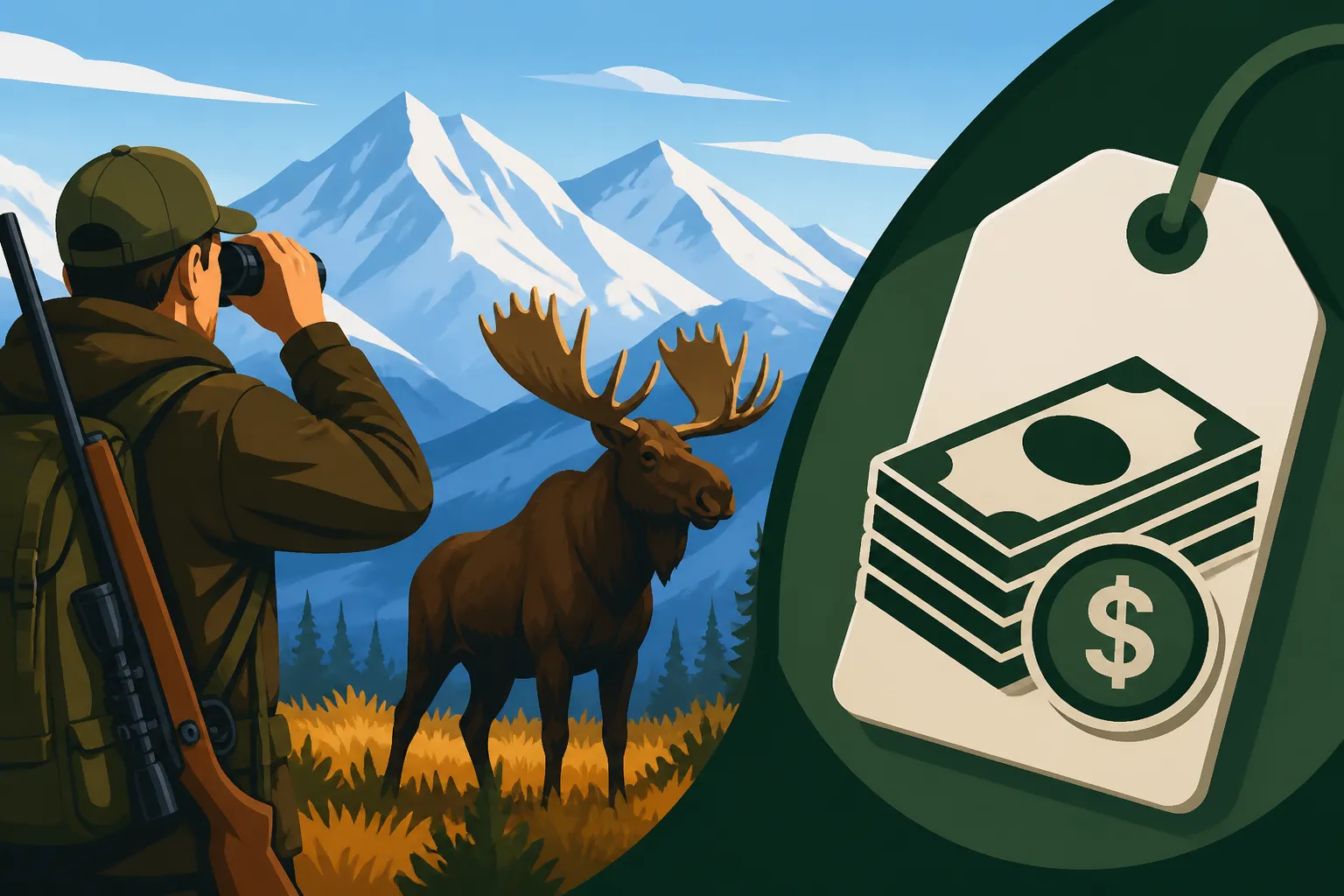
Trophy Fees on an Alaska Guided Hunt
It's no secret that planning an Alaska hunting adventure can feel like trying to solve a complex puzzle, especially when it comes to understanding all the financial pieces. One area that often leaves hunters scratching their heads and can lead to unexpected costs is the concept of "trophy fees." This guide is here to unravel the mystery behind these charges, helping you understand what they are, why they exist, and how to confidently navigate them when booking your next guided hunt in the Last Frontier.
What Exactly Are Trophy Fees? Understanding the Extra Cost
When you book a guided hunt in Alaska, the initial price you see usually covers a multitude of services: the guide's expertise, camp logistics, food, transportation within the hunt area, and often the use of specialized gear. However, many hunters are surprised to learn about an additional layer of cost known as "trophy fees." These aren't typically rolled into the base price and can represent a significant sum, sometimes equal to or even exceeding the initial hunt deposit.
The Purpose Behind the Fee
At its core, a trophy fee is an additional payment requested by the outfitter or guide, usually upon the successful harvest of a particular animal or for an animal exceeding a certain size. It acts as a premium that compensates the guide for the additional effort, resources, and often the higher risk associated with finding and securing a valuable animal. Think of it this way: while the guide is working hard to put you on game regardless, harvesting a trophy-class animal often requires even more specialized scouting, longer hours, and a higher success rate from the guide's perspective. It's a way for outfitters to manage their business model, accounting for the variable value of a successful hunt beyond just covering operational costs.
For example, a guide might spend weeks scouting a particular basin for a legal Dall sheep, using satellite imagery to identify key travel corridors and mineral licks. The base fee covers the general effort of conducting a sheep hunt, but the trophy fee acknowledges the extraordinary success of actually putting you on that specific, legal ram, especially when so much hinges on finding a full-curl ram in the field. This also helps balance out the times when clients don't harvest, allowing the outfitter to maintain a viable business over the long term.
How They Differ from the Base Hunt Price
The base hunt price, as we mentioned, covers the infrastructure of the hunt itself. It’s the cost of doing business: fuel for planes or boats, camp equipment, food, wages for assistant guides and packers, licenses and permits the outfitter needs, and the general time commitment. Trophy fees are separate. They are directly tied to the outcome of the hunt – specifically, the success of taking an animal, and sometimes, the quality of that animal. This distinction is crucial because it means you could pay your base hunt fee, have a fantastic time in the Alaskan wilderness, but if you don't harvest, you won't incur a trophy fee. Conversely, if you're successful, you'll owe both.
Understanding this difference early on is key to budgeting accurately. Many hunters find themselves in a bind if they haven't accounted for these additional costs. It’s not just about the cost of the trip, but the potential cost of success. When What an Alaska Guided Hunt Price Includes is laid out by an outfitter, make sure you understand which components are fixed, and which are variable, like these fees.
How Trophy Fees Are Structured by Species
Trophy fees aren't a one-size-fits-all charge. They vary wildly depending on the species you're hunting, the region, the outfitter's policy, and sometimes even the size of the animal. It's imperative to delve into these specifics before signing any contract.
Common Structures for Popular Game Animals
For many popular Alaska big game species, trophy fees are a standard part of the guided hunt package. For instance, Dall sheep, brown bear, and mountain goat hunts almost universally come with a significant trophy fee attached. This is partly due to the difficulty, remoteness, and specialized nature of these hunts, as well as the high demand for these coveted species. A guide planning to pursue Dall Sheep in Alaska's Brooks and Alaska Ranges will have invested substantially in scouting and logistics.
- Dall Sheep: Often, the fee is a flat rate simply for harvesting a legal ram. However, some outfitters might offer a bonus structure for truly exceptional rams that exceed certain measurements. This incentivizes the guide to pursue the largest animals possible while still ensuring a payment for any legal harvest.
- Brown Bear: These hunts almost always involve a hefty trophy fee. The fee usually applies to any legal brown bear harvested, regardless of size, though some high-end operations might have tiered pricing for truly massive bears. The danger, logistical complexity, and specialized skills required for these hunts justify the cost.
- Moose: While many moose hunts include the harvest in the base price, a growing number of outfitters are instituting trophy fees, especially for hunts targeting specific antler size classes or in high-demand areas. These fees might be a flat rate or, more commonly, tiered based on antler spread (e.g., one fee for a bull over 50 inches, a higher fee for a bull over 60 inches). This structure directly ties the fee to the "trophy" quality.
- Caribou: Caribou hunts are less likely to have explicit trophy fees compared to sheep or bear, with the harvest often included in the base price. However, in certain units or for specific prime-rut hunts, a nominal fee might be applied or tiered for exceptionally large bulls.
- Mountain Goat: Similar to Dall sheep, mountain goat hunts almost always have a trophy fee due to the challenging terrain and specialized nature of chasing these alpine dwellers.
Tiered vs. Flat Fees
Understanding the difference between tiered and flat fees is crucial for your budget.
- Flat Fee: This is the simplest structure. If you harvest a legal animal of the target species, you pay a set, predetermined amount. For example, a brown bear hunt might have a base price and a flat trophy fee, say, an additional amount, if you harvest a bear. This makes budgeting straightforward once you know the numbers.
- Tiered Fee: This structure is more common with species where "trophy" quality is highly variable and measurable, like moose antlers. An outfitter might have a base fee, and then a trophy fee that increases based on antler spread or other measurable characteristics. For instance, a guide might charge one fee for a bull moose with a 50-inch spread and a higher one for a 60-inch bull. This rewards the guide for helping you find a truly exceptional animal but can also make your final bill unpredictable if you don't understand the thresholds. It's critical to review the contract carefully for these details. You might even find this structure for How to Judge a Full-Curl Ram in the Field where the fee varies by exact curl definition, although less common than antler spread for moose.
It's worth noting that some outfitters may offer combination hunts, say, for moose and caribou. In these scenarios, there might be a base fee for the primary species and then separate, often reduced, trophy fees for any additional species harvested. Always clarify these combinations upfront.
The Fine Print: When Do Trophy Fees Apply?
One of the most anxiety-inducing aspects of trophy fees is not just their existence, but the specific conditions under which they are incurred. It's not always as simple as "you shoot it, you pay." What if you wound an animal that isn't recovered? What if you decide to take a second animal? These are critical questions that must be addressed before the hunt begins.
Wounding Loss Clauses
This is probably the most uncomfortable, but vital, conversation to have with your guide: the wounding loss clause. Almost every reputable Alaskan outfitter will have a policy regarding wounded animals. In many cases, if you wound an animal and it's not recovered, you are still considered to have "harvested" that animal for the purposes of the trophy fee. This means you will owe the full trophy fee, just as if you had successfully recovered the animal.
Why this policy? From the outfitter's perspective, their job was done: they put you in a position to take the animal. A wounded animal, regardless of recovery, is generally no longer available to other hunters. Moreover, the guide and assistant guides often spend significant, valuable time attempting to track and recover a wounded animal, consuming resources and hunt time. This clause protects the outfitter's financial interest and acknowledges the ethical responsibility that once an animal is hit, it's considered taken. It also serves as a strong reminder for hunters to make every shot count. You need to be prepared for this contingency both mentally and financially. Sighting In Before You Fly to a Remote Alaska Camp and practicing difficult shooting positions like Shooting Positions on Alaska Tundra and Sidehills are crucial pre-hunt preparations to mitigate this risk.
Second Animal / Combination Hunt Fees
Many guided hunts in Alaska offer the opportunity to pursue more than one species, often referred to as a combination hunt. For example, a moose hunter might also have a caribou tag, or a brown bear hunter might have a wolf tag. While the base hunt price usually specifies the primary target species, any additional species harvested will almost certainly incur its own separate trophy fee. This is especially true if the second animal is a major big game species like a moose on a brown bear hunt.
These "add-on" trophy fees are typically less than if you booked a dedicated hunt for that species alone, but they are still substantial. It's important to understand these costs upfront. For example, if you're on a brown bear hunt and happen upon a legal moose, you'll want to know exactly what that moose will cost you before you pull the trigger. Always ask for a clear breakdown of combination hunt fees for all potential species. This information is usually detailed in the hunt contract, but if it's not, ask for it in writing. When considering booking, sites like BookYourHunt can sometimes provide initial estimates for these combination hunt fees, but the final contract from the outfitter is where the definitive details will live.
Defining "Trophy" Quality
While the term "trophy fee" is used broadly, the actual definition of "trophy quality" can vary. For species with specific legal requirements, like a "full-curl ram" or a "50-inch moose," the trophy fee typically applies to any animal meeting those legal harvest criteria. It's not just about Boone and Crockett scores, but often simply meeting the state's legal definition.
However, as mentioned with tiered fees, some outfitters will use scoring methods to categorize animals. For instance, a guide may have a higher trophy fee for a Dall sheep ram that scores above a certain B&C minimum, or a brown bear with a skull measurement over a particular threshold. This incentivizes the hunter to pass on smaller legal animals in pursuit of a truly world-class trophy, and compensates the guide for the extra time and effort required for such a specific quest. Always clarify if a "trophy fee" means any legal animal, or if there are specific size or score benchmarks that trigger different fee amounts. This is a vital question to ask when you are Questions to Ask an Alaska Guide Before Booking.
| Species Group | Common Trophy Fee Structure | Wounding Loss Policy | Combination Hunt Applicability |
|---|---|---|---|
| Dall Sheep | Flat fee per legal ram | Yes, full fee | Common add-on, separate fee |
| Brown Bear | Flat fee per legal bear | Yes, full fee | Common add-on, separate fee |
| Moose | Flat or tiered (by spread) | Yes, full fee | Common add-on, separate fee |
| Mountain Goat | Flat fee per legal goat | Yes, full fee | Common add-on, separate fee |
| Caribou | Often included, sometimes flat/tiered for large bulls | Yes, full fee | Common add-on, separate fee |
| Black Bear | Often included, sometimes flat fee | Yes, full fee | Very common add-on, separate fee |
Navigating Trophy Fees in Your Hunt Contract
The hunt contract is your best friend when it comes to understanding and planning for trophy fees. This legally binding document should be meticulously reviewed, and any ambiguities clarified before you sign on the dotted line or send any deposits.
Reviewing the Contract Details Carefully
Never skim a hunt contract, especially not when it involves an Alaska guided hunt, where costs are significant and expectations are high. Look specifically for sections detailing "fees," "additional costs," "trophy fees," or "harvest fees." The contract should explicitly state the amount of these fees for each species offered, and clearly define the conditions under which they are applied. Pay close attention to:
- The exact fee amount: Is it a flat fee or tiered? If tiered, what are the exact thresholds and corresponding costs?
- Trigger conditions: Does the fee apply upon harvest, sighting, or wounding? Be very clear on the wounding loss policy.
- Species coverage: Which species does the fee apply to? Are there separate fees for primary versus secondary animals on a combo hunt?
- Payment timeline: When is the trophy fee due? Immediately upon harvest? Upon return to base camp? Before you depart Alaska?
If any of these details are missing, vague, or confusing, consider it a red flag. Do not hesitate to ask for clarification in writing. A reputable outfitter will be transparent and happy to provide all necessary information. Tools like GoHunt can provide excellent research on specific outfitters and their typical contract structures, which can help you compare and understand what's standard.
Asking Crucial Questions Before Booking
Beyond simply reading the contract, engaging in a direct conversation with the outfitter is essential. This is your chance to clarify any uncertainties and ensure there are no surprises down the line. Here are some questions specific to trophy fees:
- "Could you please walk me through your trophy fee structure for [specific species]?"
- "What exactly is your policy on wounding loss, and under what circumstances would I owe a trophy fee for an unrecovered animal?"
- "If I'm on a [primary species] hunt, and I have the opportunity to take a [secondary species], what would the additional trophy fee be for that second animal?"
- "What methods do you use to determine if an animal qualifies for a tiered trophy fee (e.g., how is moose antler spread measured, or sheep curl judged)?"
- "When exactly is the trophy fee payable? At the kill site, in base camp, or after I return home?"
Getting clear, concise answers to these questions will not only protect your budget but also build trust between you and your guide. It's about setting clear expectations for both parties. Remember, you're not just booking a trip; you're entering a partnership for a significant investment of time and money. Clarity on financial terms, including Guide Contracts and Deposits in Alaska, is paramount.
Beyond the Fee: Budgeting for the Full Hunt Cost
Understanding trophy fees is a major step, but they are just one component of the overall financial picture for an Alaska guided hunt. To avoid any unwelcome surprises, it’s vital to consider all potential expenses.
Other Costs to Account For
An Alaska guided hunt involves many moving parts and associated costs that extend far beyond the base price and potential trophy fees. Here’s a rundown of other critical elements to budget for:
- License and Tags: Non-resident hunting licenses and big game locking tags for Alaska species like moose, caribou, brown bear, and Dall sheep are expensive. These must be purchased well in advance and are an upfront cost separate from your guide's fee. Make sure you fully understand Alaska Licence and Tag Costs on Top of the Guide Fee.
- Travel to Alaska: This includes airfare to Anchorage or Fairbanks, and potentially additional flights to smaller hub cities like King Salmon, Kotzebue, or Juneau, where your outfitter might pick you up or where you’ll meet your air taxi.
- Pre and Post-Hunt Accommodation: You'll likely need hotel nights in Anchorage or other gateway cities before and after your hunt. Factor in meals during these travel days as well.
- Meat and Trophy Shipping: Getting your meat and trophy home can be a significant logistical and financial undertaking. This includes butchering and packaging costs, freezing services, and air cargo fees. For valuable trophies, there might be specialized crating and shipping. Don't underestimate the cost of Meat and Trophy Shipping From an Alaska Camp or Getting Horns and Antlers Home on a Plane.
- Gratuities/Tips: It is customary to tip your guide and any assistant guides or packers for their hard work and dedication. This is a significant expense that should be factored into your budget, usually a percentage of the overall hunt cost.
- Gear and Equipment: While the outfitter provides much of the camp gear, you are responsible for your personal hunting equipment, including quality rain gear, layering systems, optics, and a reliable rifle.
- Hunt Insurance: Consider trip cancellation insurance and emergency medical evacuation insurance. Alaska is vast and remote, and medical evacuations can be incredibly expensive. This type of insurance can provide peace of mind and protect your significant investment if unforeseen circumstances arise. Research policies that specifically cover guided hunts and potential medical emergencies in remote areas.
- Taxidermy: If you plan to have a shoulder mount or full mount done, factor in the cost of taxidermy. This can be thousands of dollars per animal, and many hunters choose to have this done closer to home rather than in Alaska. Trophy Care Included in the Guide Fee might cover field prep, but not the actual taxidermy work.
Financial Planning for Success
When planning your budget, it's wise to consider the "best-case scenario" financially, meaning you successfully harvest your target animal(s) and incur all associated trophy fees. By doing this, you'll ensure you have adequate funds for all possible outcomes. It’s better to have the money set aside and not need it than to be caught off guard after a successful hunt.
Many hunters use a detailed spreadsheet to track all these potential costs, from license fees to tips and shipping. This helps visualize the total investment. When talking to an outfitter, don't be shy about asking for their best estimate of these peripheral costs, especially those related to post-harvest logistics. They deal with these issues all the time and can offer valuable insights. Platforms like GoHunt and BookYourHunt often have resources or tools that help hunters build comprehensive budgets for their trips, including these hidden costs. Remember, a successful Alaska hunt is not just about the shot, but about sound preparation and financial planning every step of the way.
Disclaimer
This article is for general informational purposes only and does not constitute professional advice. Laws, prices and regulations vary by location and change over time. Consult a qualified professional for guidance on your specific situation.