Unit 16 Across the Susitna Valley
The Susitna Valley, encompassing Alaska's vast Game Management Unit 16, presents an incredible but often daunting challenge for hunters. Its immense size and diverse terrain, from sprawling river lowlands to rugged mountain foothills, can make planning a successful hunt feel like navigating a maze blindfolded. This guide aims to demystify hunting Unit 16, offering practical insights into its unique landscapes, target species, and the strategies needed to tag out in one of Alaska's most productive, yet complex, hunting grounds.
Understanding Unit 16's Geography and Access
Unit 16 is a massive expanse of southcentral Alaska, stretching from the towering peaks of the Alaska Range and Talkeetnas down to the tidal flats of Cook Inlet. It's truly a mixed bag of environments, offering everything from dense boreal forest to open tundra, and braided river systems that are highways for game. Understanding this varied geography is the first step to unlocking its potential.
Mapping the Susitna Valley's Expanse
Imagine a territory larger than many small states, cradled between mountain ranges and a vast tidal estuary. That's Unit 16. It's roughly bordered by the Parks Highway to the east, the Alaska Range to the north and west, and Cook Inlet to the south. Within these broad strokes are distinct ecosystems, each with its own characteristics and challenges. You'll find everything from lowland swamps and willow thickets perfect for moose, to higher alpine areas that might hold a stray bear or provide migration corridors for caribou.
The sheer scale of Unit 16 means that "hunting Unit 16" isn't a single plan, but rather a series of highly localized hunts. A hunt in the lower Susitna drainage near Cook Inlet is a completely different animal than a trip deep into the Yentna River country or up towards the Peters Hills. Each area demands different gear, different tactics, and a deep understanding of local conditions. Relying on detailed mapping tools like onX Hunt is absolutely non-negotiable here, allowing you to pour over satellite imagery, topo maps, and land ownership boundaries long before your boots hit the ground. Understanding the subtle shifts in elevation, vegetation types, and water bodies is paramount for pinpointing potential game locations.
Primary Access Points: Road, River, and Air
Getting into Unit 16 is half the battle, and options abound, each with its own advantages and limitations. Road access is primarily via the Parks Highway, which runs along the unit's eastern edge. This gives you direct entry into some areas, but often means competing with more hunters, especially on moose hunts. Many popular trailheads and staging points are found along this corridor, particularly for those looking to access the foothills of the Talkeetnas or areas further west via ATV trails or foot. However, many of these road-accessible areas receive significant pressure and game can be much warier.
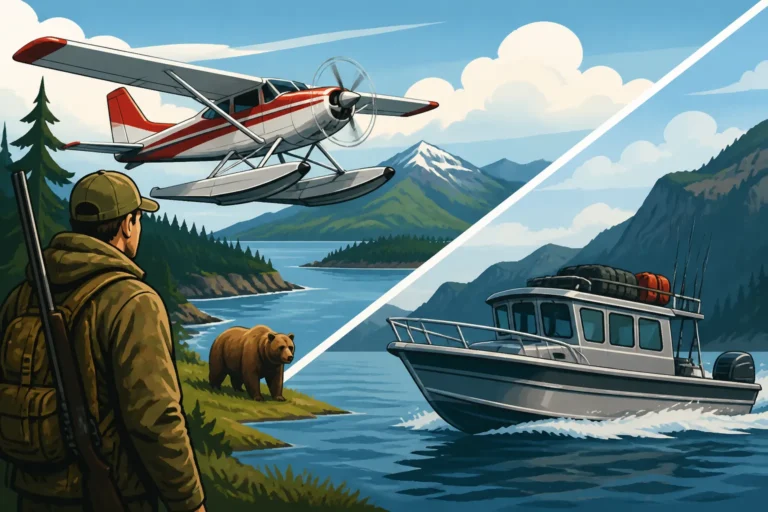
For those looking to get deeper, river access is king. The Susitna River, along with its major tributaries like the Yentna, Skwentna, and Chulitna, forms a vast network of watery highways. Float hunting these rivers is a classic Alaska experience and an incredibly effective way to cover ground and access otherwise unreachable areas. A jet boat can also push surprisingly far up these rivers, opening up vast tracts of land. Just remember that river levels can fluctuate wildly, affecting navigability and creating new challenges like sweepers and log jams. Finally, air access via bush planes is the ultimate ticket to the remote backcountry. Float planes can drop you on countless lakes and sloughs, while wheel planes can utilize gravel bars or tundra strips. This offers unparalleled solitude and access to untouched areas, but adds a significant cost and logistical complexity. Always have a solid plan for Fly-In Hunting: Working With an Alaska Transporter Pilot if you go this route.
Key Game Species and Habitat
Unit 16 is renowned for its diverse big game opportunities, most notably moose, bears, and occasionally caribou. Understanding the specific habits and preferred habitats of these animals within the Susitna Valley is crucial for planning a successful hunt.
Moose Hotspots and Rut Behavior
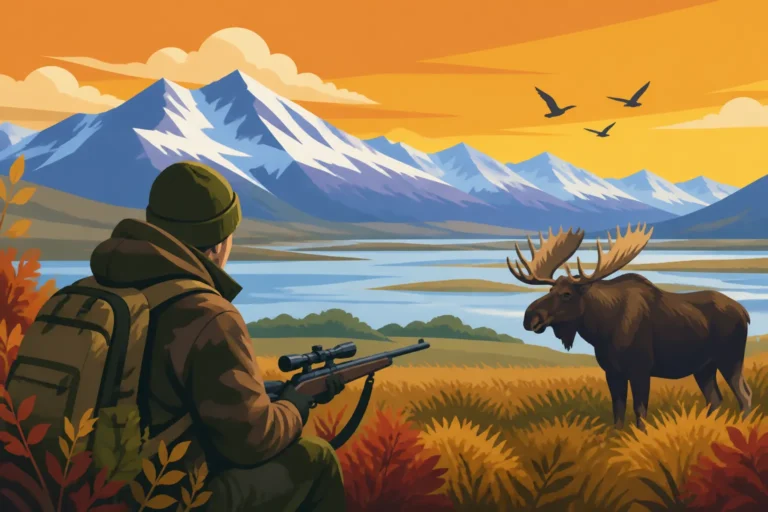
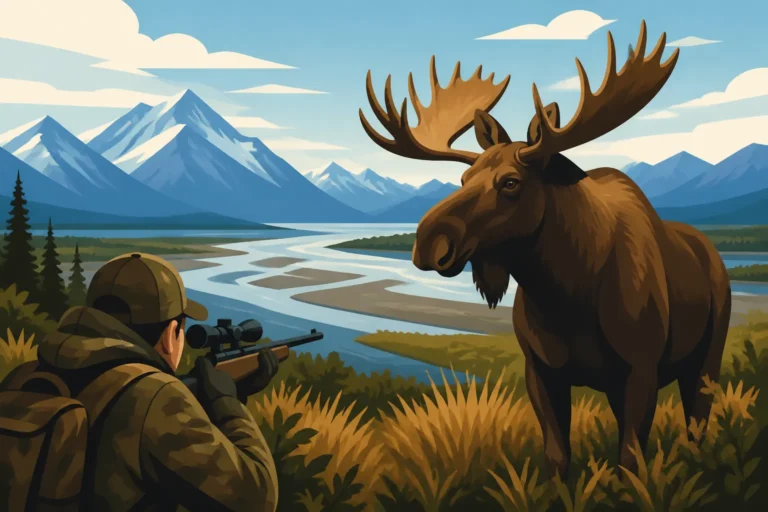
Moose are the undisputed giants of Unit 16, drawing countless hunters each fall. The Susitna Valley's mosaic of willow-choked river bottoms, mature birch and spruce forests, and regenerating burns provides ideal moose habitat. These creatures thrive in areas with abundant browse, often found in early successional habitats created by wildfires or logging. Areas like the expansive lowlands of the Yentna drainage or the dense willow flats along the Susitna River itself are classic moose country. During the late summer and early fall, bulls are often found in secluded patches of willows, feeding heavily to build up reserves for the rut.
As September progresses into October, the rut kicks into full swing, transforming bull behavior. Bulls become much more vocal and mobile, actively seeking cows and challenging rivals. This is prime time for calling, as bulls are more likely to respond to cow calls or the sound of antlers being raked. Learning a good Best Moose Call Sequence for the Early Rut can make all the difference. While the general seasons often run for several weeks, targeting the peak of the rut, typically in the last two weeks of September, can significantly increase your chances. However, heavy hunting pressure can make bulls wary, pushing them into denser cover. Patience, persistence, and a willingness to venture away from easy access are key.
Bear Encounters: Coastal vs. Interior Considerations
Unit 16 is home to both black bears and brown bears (interior grizzlies), offering distinct hunting experiences and demanding different levels of caution. Black bears are widespread throughout the unit, inhabiting forested areas, brushy hillsides, and river corridors. Their diet is incredibly varied, from berries and roots in spring and summer to salmon in the fall. They come in a variety of color phases, from jet black to cinnamon or even blonde, which can add to the excitement. Hunting black bears can involve spot-and-stalk tactics, often focusing on berry patches or salmon streams, or utilizing bait stations in specific areas where permitted.
Brown bears, while generally less numerous than black bears, are present throughout Unit 16, particularly in the more remote mountainous regions and along major salmon-bearing rivers. Unlike the massive coastal brown bears of the Alaska Peninsula, these interior grizzlies tend to be smaller but are still formidable animals. Encounters with brown bears are always a serious consideration, especially when quartering a moose or caribou kill. Bear Safety While Butchering a Kill in Alaska is not just a suggestion, it's a survival imperative. Always carry appropriate deterrents and know how to use them, whether it's bear spray or a powerful firearm. Knowing the difference between the defensive charges and predatory behavior is also critical. Rifle Choice for Alaska Brown Bear Country is a serious discussion to have before heading out.
Permit Types and Season Nuances
Navigating Alaska's hunting regulations can be a bewildering experience, and Unit 16 is no exception. It features a mix of general seasons, registration hunts, and draw permits, each with its own set of rules and application processes. Understanding these nuances is paramount to staying legal and maximizing your hunting opportunities.
General Season Strategies and Over-the-Counter Tags
Many species in Unit 16, particularly black bears and sometimes moose or caribou depending on specific subunits, are available via general season hunts. These typically require only the purchase of a hunting license and the appropriate locking tag, available over-the-counter. For residents, certain species might only require a harvest ticket. General seasons offer flexibility, allowing hunters to plan their trip without the uncertainty of a drawing. However, this accessibility often translates to higher hunting pressure, especially in easily accessible areas.
For a general season hunt, successful strategies often involve scouting lesser-known areas, hiking further from trailheads, or utilizing river or air access to get away from the crowds. Patience and persistence are key. Pay close attention to the specific dates for each species and subunit, as they can vary widely. For instance, moose seasons in some parts of Unit 16 might open in early September and run through the end of the month, while others might be shorter or have antler restrictions. Always double-check the latest Alaska hunting regulations booklet before you head out, as emergency orders can sometimes alter seasons unexpectedly. Alaska Harvest Tickets, Registration Permits and Draw Permits are the fundamental documents you'll need to understand.
Navigating Registration and Draw Permit Hunts
Beyond general seasons, Unit 16 also hosts several registration (RC) and draw (DM) permit hunts for species like moose, caribou, and sometimes even muskox or bison, though the latter two are extremely rare in this specific unit. Registration hunts, often denoted by an "RC" permit number, are first-come, first-served and require you to register online or in person before the season opens. These hunts typically have a quota, meaning the season can close suddenly via emergency order once a certain number of animals are harvested. This requires constant vigilance on the Alaska Department of Fish and Game (ADF&G) website for closure announcements.
Draw permit hunts, marked with a "DM" prefix, are highly coveted and require applying months in advance, usually during the Alaska's November 1 to December 15 Draw Application Window. These hunts are allocated through a lottery system and offer incredible opportunities, often for trophy-quality animals or in less pressured areas. However, draw odds can be long, so it's a game of patience and perseverance. When applying, carefully consider your hunt choices and research the historical success rates and typical animal quality for each hunt number. While Unit 16 offers many opportunities, understanding which permit type you're pursuing and the rules associated with it is critical.
Hunting Methods and Strategies for Unit 16
The vast and varied terrain of Unit 16 demands a flexible approach to hunting. Whether you're floating a major river or backpacking into the high country, tailoring your methods to the environment and target species is paramount.
Float Hunting the Susitna River System
Float hunting is arguably one of the most iconic ways to experience Unit 16 and access its prime moose and caribou country. The Susitna River, along with the Yentna, Talkeetna, and other major tributaries, offers hundreds of miles of navigable water. Using a raft, canoe, or even a packraft, hunters can drift silently through prime habitat, spotting game along the banks, in sloughs, or on gravel bars. This method allows you to cover vast distances, pack out large animals like moose, and enjoy a truly immersive wilderness experience. However, it also requires significant logistical planning. You need to arrange a drop-off at your starting point and a pickup at your take-out, which could be days or even weeks downstream.
Planning a successful float hunt involves careful consideration of river conditions, flow rates, and potential hazards like sweepers (fallen trees extending into the river) or log jams. Knowing Choosing a Float Hunt River by Water Level and Length is critical for safety and success. When you do find game, especially a moose, the real work begins. Quartering a bull alone in the field, then moving heavy meat to a raft, is backbreaking labor. Once secured, meat needs proper care to prevent spoilage, especially if temperatures are mild. Hanging Meat in Warm September Weather and ensuring proper airflow are vital. Having durable, breathable game bags and knowing how to secure your load in the raft for potential rapids are all part of the float hunting skillset.
Backpack and Spike Camp Tactics in the Backcountry
For those willing to shoulder heavy loads and endure rugged conditions, backpack hunting into the interior of Unit 16 offers unparalleled solitude and access to areas rarely touched by others. This method is particularly effective for targeting animals that reside away from immediate river access or road systems, or for extended hunts where you want to move and adapt to game patterns. Establishing a main camp, then utilizing lighter spike camps for multi-day excursions into promising drainages or alpine basins, is a common and effective tactic.
A successful backpack hunt in Unit 16 relies heavily on meticulous gear planning and physical conditioning. Every ounce matters when you're carrying everything you need for days or weeks. Backpack Hunting in Alaska: Gear Weight and Meat Loads is a topic that demands significant research and personal testing. You'll need a reliable tent, a warm sleeping system, sufficient food, and all your hunting essentials. Navigation is critical, as cell service is non-existent in much of this country. A robust GPS unit with pre-loaded maps and a satellite communication device for Signal Devices and Check-In Plans for Solo Alaska Hunts are not optional. Once you've located game, the stalk often involves navigating dense alders, steep climbs, or crossing soggy tundra. Being prepared to field dress, debone, and pack out a large animal over several miles is the ultimate test of a backpack hunter.
Essential Gear and Logistics for a Unit 16 Hunt
A hunt in Unit 16 is a true wilderness experience, meaning you are often entirely self-reliant. Packing the right gear, understanding the logistical challenges, and preparing for the unexpected are critical components of a safe and successful trip.
Weather Preparedness and Survival Gear
Alaska weather is famously fickle, and Unit 16, situated in southcentral Alaska, sees its fair share of unpredictable conditions. A beautiful sunny morning can quickly turn into a torrential downpour, high winds, or even an early snowstorm, especially as fall progresses. Being adequately prepared for all possibilities isn't just about comfort; it's about survival. Layering systems are essential, allowing you to adapt to changing temperatures and activity levels. High-quality rain gear that is truly waterproof and durable is non-negotiable. Forget the cheap stuff; you need gear that will keep you dry for days on end when it matters most. Rain Gear Guides Actually Recommend for Alaska's wet conditions.
Beyond clothing, a comprehensive survival kit should always be part of your pack, even for "day hunts." This includes fire-starting materials, a first-aid kit, emergency shelter, a signaling device (like a whistle or mirror), a headlamp with extra batteries, and at least 24 hours of emergency food and water purification. In a place like Unit 16, where distances are vast and help can be days away, self-sufficiency is paramount. Communication devices, such as a satellite messenger or an InReach, are crucial for checking in with contacts and, more importantly, for summoning help in a true emergency.
Meat Care and Field Processing Challenges
Successfully harvesting an animal is only half the battle; the other half is ensuring the meat makes it home in good condition. Alaska has strict salvage laws, requiring hunters to remove all edible meat, and Unit 16's varied terrain can make this a significant challenge. From the moment an animal hits the ground, the clock starts ticking. Rapid cooling of the carcass is vital, especially in early season hunts when temperatures can still hover in the 50s. Getting the hide off quickly and quartering the animal to expose the meat to air are crucial first steps. Meat Care in 50-Degree September Weather is a topic to master before your hunt.
Good quality game bags are essential to protect the meat from flies, dirt, and debris while allowing it to breathe. Forget cotton pillowcases; you need breathable, durable game bags designed for backcountry use, especially if you're hunting in a wet environment where Game Bags That Breathe in Coastal Rain would be beneficial. Transporting hundreds of pounds of meat, often through dense brush, over uneven terrain, or across rivers, demands physical strength and smart planning. If floating, having your raft ready for a heavy, awkward load is critical. If backpacking, you'll be making multiple trips with heavy packs. Consider bringing an extra large pack frame specifically designed for packing out meat.
| Species | Primary Habitat | Typical Access | Key Challenges |
|---|---|---|---|
| Moose | River bottoms, willow thickets, old burns, spruce forests | Float plane, boat (jet or prop), ATV trails, hiking | Heavy meat loads, dense cover, early season heat, bear encounters |
| Black Bear | Forested hillsides, berry patches, river corridors | Road access, boat, hiking, ATV trails | Varying color phases, unpredictable behavior, dense cover |
| Brown Bear (Grizzly) | Remote mountains, major salmon rivers, open tundra | Float plane, hiking, river boats (less common) | Requires guide for nonresidents, dangerous animal, high cost |
| Caribou | High alpine, open tundra, migration corridors (less common in 16, but possible) | Float plane, hiking (often requires covering large areas) | Highly nomadic, unpredictable movements, finding herds |
Navigating Land Status and Regulations
Alaska's land ownership is a complex patchwork of state, federal, and Native Corporation lands, each with its own rules and restrictions. Understanding where you are and what you can do on that land is not just good practice; it's a legal necessity that can prevent violations and ruined hunts.
Understanding State, Federal, and Native Lands
In Unit 16, you'll encounter predominantly State and Federal lands, with scattered parcels belonging to Alaska Native Corporations. State lands are generally open to public hunting, but specific regulations might apply. Federal lands, which include National Forests (like parts of the Chugach National Forest bordering Unit 16), National Parks and Preserves (such as Denali National Preserve), and National Wildlife Refuges, each have distinct rules regarding access, hunting methods, and specific species. For instance, hunting is allowed in National Preserves but often restricted or prohibited in National Parks. Always verify the specific regulations for the federal agency managing the land you intend to hunt. State Land Versus Federal Land in Alaska is a distinction you must know.
Native Corporation lands, owned by regional and village corporations established under the Alaska Native Claims Settlement Act, are private lands. Hunting on these lands almost always requires specific permission or a permit purchased directly from the Native Corporation. Trespassing on Native Corporation lands, even unknowingly, can lead to serious legal consequences. Before you ever set foot on the ground, use tools like onX Hunt or publicly available land status maps (often found on ADF&G or BLM websites) to confirm ownership. This is especially critical if you are accessing an area via river or air taxi, as seemingly public access points might be bordered by private land.
Controlled Use Areas and Special Restrictions
Unit 16, like many productive hunting areas in Alaska, contains several Controlled Use Areas (CUAs) and other special restriction zones designed to manage hunting pressure and conserve wildlife. CUAs are specific geographical areas where certain hunting methods, particularly the use of aircraft, are restricted or prohibited during designated hunting seasons. For example, some CUAs might ban the use of aircraft for hunting or even for transporting hunters or game during specific seasons, though you can fly into an airstrip outside the CUA boundary and then proceed by foot. Alaska Controlled Use Areas and What They Restrict is a crucial topic for any hunter planning a trip to the Susitna Valley.
Beyond CUAs, you might encounter other localized restrictions, such as firearm restrictions along certain highways or near populated areas. There could be buffer zones around towns, villages, or airports where hunting is prohibited or only allowed with archery equipment. Understanding these specific local rules is just as important as knowing the general season dates. Always review the detailed regulations for Unit 16 and its subunits, paying close attention to maps that outline these restricted zones. Ignorance of the law is not a valid defense, and violations can result in significant fines, loss of hunting privileges, and confiscation of game. Taking the time to thoroughly research these restrictions with tools like onX Hunt or through official ADF&G maps can save you a lot of trouble and ensure a legal, ethical hunt.
Disclaimer
This article is for general informational purposes only and does not constitute professional advice. Laws, prices and regulations vary by location and change over time. Consult a qualified professional for guidance on your specific situation.