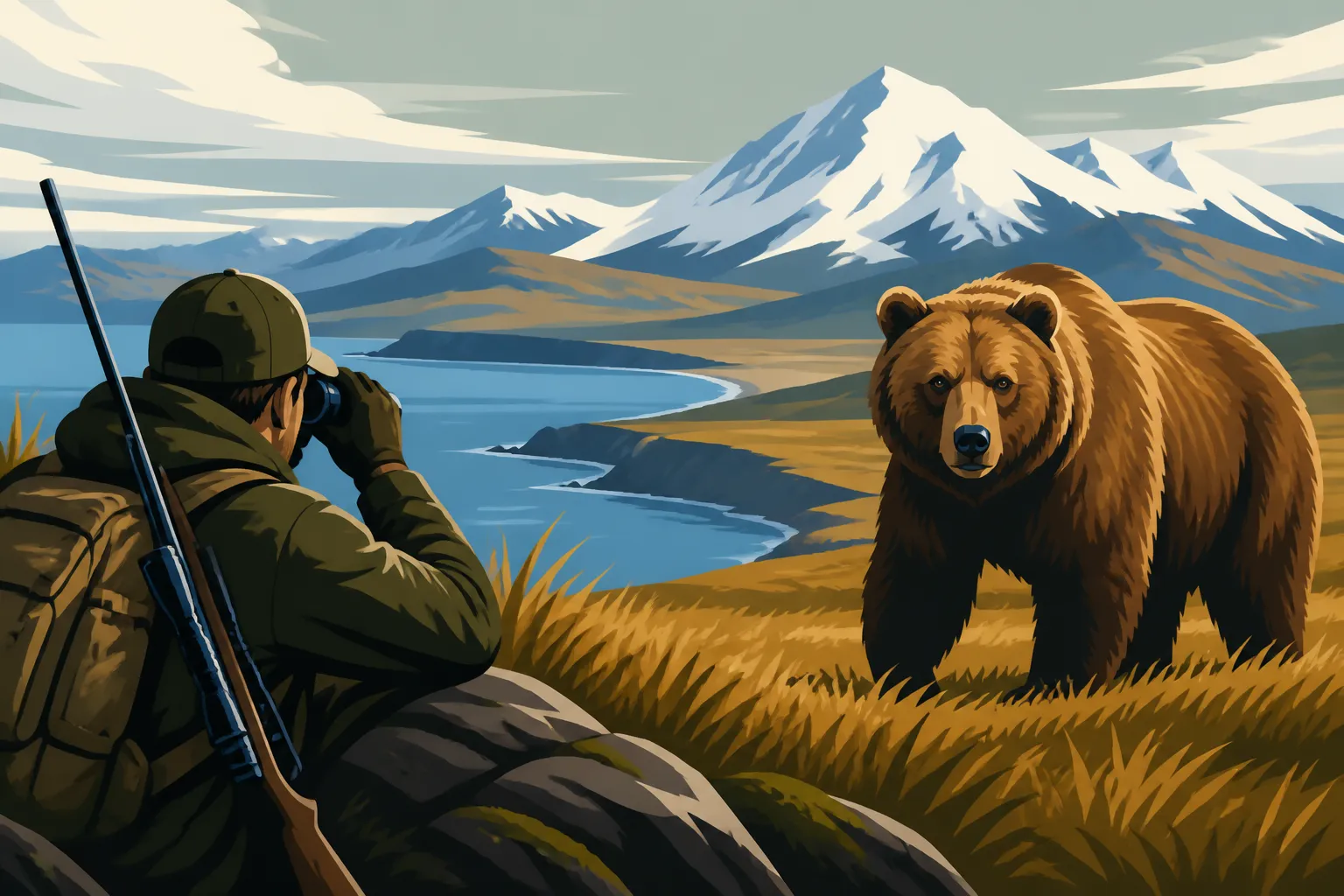
The Alaska Peninsula and Its Brown Bear Country
The Alaska Peninsula is more than just a place on a map; it's a legendary landscape that calls to the most intrepid big-game hunters. For many, the ultimate challenge and dream hunt involves pursuing one of the peninsula's colossal brown bears. This region is famous for producing some of the largest bears on earth, but hunting here is far from a walk in the park. This guide will take you deep into what it truly means to hunt the Alaska Peninsula, covering everything from its unique ecosystem to the nuanced regulations and essential gear you’ll need to navigate this wild and unforgiving country successfully.
Understanding the Alaska Peninsula: A Land of Giants
The Alaska Peninsula is an epic stretch of land curving southwest from mainland Alaska into the Pacific Ocean, acting as a natural bridge to the Aleutian Islands. It's a place of raw, untamed beauty, punctuated by towering volcanoes, vast tundra, and countless salmon-rich streams. This isn't just a picturesque backdrop; it's the very foundation of what makes the brown bear hunting here so exceptional.
Geographic Overview and Unique Ecosystem
Picture a long, slender finger of land, often less than 50 miles wide, stretching hundreds of miles into the ocean. The spine of the peninsula is dominated by the Aleutian Range, a chain of active volcanoes that punctuate the skyline. To the north lies Bristol Bay and the Bering Sea, characterized by vast, flat tundra and countless lakes and rivers. To the south, the Pacific Ocean coastline is rugged, steep, and deeply indented with bays and fjords.
This dual exposure creates a fascinating and often challenging climate. The Pacific side tends to be wetter and windier, influenced by ocean storms, while the Bering Sea side can be drier but still experiences strong winds. The vegetation reflects this diversity, from dense alder thickets and willow patches in river bottoms to expansive open tundra on plateaus and coastal sedge flats. This varied terrain provides abundant food and cover for bears, whether they're grazing on protein-rich sedges in spring, gorging on berries in late summer, or, most famously, feasting on migrating salmon. The sheer scale of the landscape means bears can roam vast territories, making locating them a monumental task.
Why the Bears Grow So Big Here
There's a reason why the Alaska Peninsula conjures images of truly gigantic brown bears, beasts that seem almost prehistoric in their size. It's not just folklore; it's a direct result of an incredibly rich and specific food source: salmon. The peninsula is veined with rivers and streams that host some of the largest salmon runs in the world, particularly sockeye. These fish are an annual protein and fat bonanza for the bears, allowing them to pack on hundreds of pounds in a relatively short period.
Imagine a bear, lean from a long winter, suddenly having access to thousands of calories per day from a stream teeming with migrating salmon. This consistent, seasonal abundance of high-quality food, combined with the general lack of human population density and expansive habitat, allows bears to not only survive but thrive and grow to immense proportions over their long lifespans. Add to this diet a wide array of berries (blueberries, cranberries, salmonberries) that ripen throughout the summer, and a variety of plants and sedges that provide crucial nutrients in spring, and you have the perfect recipe for a super-sized predator. The relative mildness of the coastal winters, especially compared to the interior, also means bears can often emerge earlier and den later, extending their feeding seasons. This incredible nutritional wealth is truly the cornerstone of the region's legendary bear size. Salmon Runs and Alaska Coastal Bear Size
Prime Units for Brown Bear Hunting
Hunting on the Alaska Peninsula primarily takes place within Game Management Unit 9 (GMU 9), which encompasses the vast majority of this iconic landscape. Unit 9 is further subdivided into several sub-units, each with its own characteristics and often, specific regulations or permit structures. Common subunits include 9D and 9E, which are particularly renowned for their bear populations and trophy potential.
These units are typically managed through a combination of registration hunts, drawing permits, and general season hunts, but for non-residents pursuing brown bear, hiring a registered guide is a strict legal requirement. This means your guide will be intimately familiar with the specific unit regulations, season dates, and reporting requirements for your chosen hunting area. While some parts of Unit 9 might have more road access (like portions near King Salmon), the vast majority of brown bear country is remote, requiring aircraft or boat access. This isolation contributes to the health of the bear population and the quality of the hunting experience, but it also necessitates meticulous planning and reliance on experienced local knowledge. Always ensure you and your guide are completely up-to-date on the latest regulations for your specific hunt unit, as these can change from year to year based on population surveys and management objectives.
Navigating Access and Logistics to the Peninsula
Reaching the prime hunting grounds of the Alaska Peninsula is an adventure in itself. It's not a place you just drive to; it requires careful planning, multiple modes of transport, and an understanding of bush logistics. The remoteness is part of its allure, but it also presents significant challenges that must be overcome for a successful hunt.
Getting There: Air Travel to Remote Hubs
Your journey to the Alaska Peninsula will almost certainly begin with a commercial flight into one of Alaska's larger cities, typically Anchorage. From there, you'll need to secure additional commercial flights to one of the larger regional air hubs on or near the peninsula. Common jump-off points include King Salmon, Cold Bay, or Port Heiden. Each of these communities serves as a vital gateway, offering services like lodging, small grocery stores, and most importantly, air taxi operations.
These regional flights are often on smaller turboprop aircraft, carrying passengers and cargo into these remote villages. Booking these flights well in advance is crucial, especially if your hunt falls during peak seasons. Weather can play a significant role in flight delays or cancellations, so building in buffer days on both ends of your trip is a wise decision. Once you land at one of these regional hubs, your true bush experience begins, as you'll then transition to smaller aircraft to reach your specific hunting camp. Think of these hubs as the last bastion of conventional civilization before you step into the real wilderness.
Bush Plane Considerations: Wheels, Floats, and Logistics
Once you've arrived at a regional hub like King Salmon, the final leg of your journey to hunting camp will almost certainly be via a bush plane. This is where the world of Alaskan hunting truly comes alive, as these small aircraft are the lifeblood of remote access. You'll primarily encounter two types: wheel planes and floatplanes. Wheel planes, often Super Cubs or larger Caravans, land on natural gravel bars, tundra strips, or even cleared lake shores. Floatplanes, typically De Havilland Beavers or Otters, land on the countless lakes and rivers scattered across the landscape. Your choice depends entirely on your specific hunting area and the available landing zones.
Working with an experienced Alaska air taxi operator is paramount. They know the country, the weather, and the safe landing spots. Before your trip, they'll brief you on strict weight limits – every ounce counts on these small planes. You'll need to meticulously plan your gear, often having to split heavy loads, like meat, over multiple trips, which adds to the cost. Communicating your intended landing site, backup plans, and pick-up schedule is critical. Remember, these pilots are highly skilled, but they are also constrained by weather and aircraft capacity. Delays are common, patience is essential, and understanding that safety is always the top priority is key. Fly-In Hunting: Working With an Alaska Transporter Pilot and Weight Limits on a Super Cub Drop
Boat-Based Access for Coastal Hunts
While bush planes are the dominant mode of access for many interior and tundra-based hunts on the Alaska Peninsula, the rugged southern coastline offers a different, equally effective, and often spectacular alternative: boat-based access. For hunters targeting brown bears along the Pacific coast, a larger vessel can serve as a floating base camp, offering mobility, shelter from the notorious coastal weather, and a way to access remote coves and fjords that are otherwise unreachable.
These operations typically involve chartering a larger boat with a skilled captain who knows the intricacies of the coastline, including tide charts, safe anchorages, and prime bear country. From the main vessel, hunters often use smaller skiffs or inflatable boats to scout shorelines, make landings, and retrieve game. The advantages are clear: you avoid the weight limitations of bush planes for camp gear, and you have a mobile platform to cover vast areas. However, this method comes with its own set of challenges. Coastal weather can be fierce, with high winds and heavy seas impacting travel and hunting opportunities. Tides can strand smaller boats or create difficult landing conditions. Despite these hurdles, a well-executed boat-based hunt offers a unique and unforgettable way to experience the Alaska Peninsula's magnificent brown bear country.
Brown Bear Hunting Seasons and Regulations on the Peninsula
Hunting brown bears on the Alaska Peninsula isn't just about finding a big bear; it's about navigating a complex web of seasons, regulations, and permit requirements designed to manage this iconic species responsibly. Understanding these nuances is crucial for any hunter planning a trip to this legendary region.
Spring vs. Fall Seasons: What to Expect
Brown bear hunting on the Alaska Peninsula typically offers two distinct seasons: spring and fall, each with its unique characteristics, challenges, and advantages.
Spring Hunts: Spring hunts generally occur from May through early June, shortly after bears emerge from their dens. At this time, bears are often found in drainages and on south-facing slopes, grazing on new green-up like sedges and grasses, which are crucial for jump-starting their metabolism after months of hibernation. The primary advantage of a spring hunt is the opportunity to intercept bears focused on these early food sources. The country can still have snow, particularly in higher elevations, which can make spotting bears easier against the white backdrop, though it can also make travel difficult. The main drawback for some hunters is that bears in spring will have less dense fur, as their winter coats are often starting to shed or are rubbed. However, for a hunter focused on the size and experience, a spring bear is a formidable quarry. The weather can be highly unpredictable, ranging from mild and sunny to cold, wet, and windy, sometimes all in the same day.
Fall Hunts: Fall seasons, typically running from September through October, present a different set of opportunities. By late summer and fall, bears are in a hyperphagic state, meaning they are intensely focused on feeding to build up fat reserves for winter denning. This often means they'll be found congregating along salmon streams, gorging on the last of the fish runs, or feasting on abundant berry patches in the uplands. Bears in the fall generally have magnificent, prime fur coats, making them highly desirable for trophy hunters. The challenge in fall can be the dense vegetation, which provides excellent cover for bears but can make spotting them harder. Weather also becomes a major factor, with storms, rain, and rapidly dropping temperatures being common. Access to streams can be challenging due to high water levels from rain. Ultimately, the choice between spring and fall often comes down to personal preference regarding bear condition, weather tolerance, and the specific hunting experience desired. Alaska Brown Bear Spring and Fall Seasons
Permit and Tag Requirements for Non-Residents
Hunting brown bear on the Alaska Peninsula as a non-resident comes with a critical legal requirement: you must be accompanied by an Alaska-licensed guide. This isn't just a recommendation; it's the law, established to ensure responsible hunting practices and protect both the hunter and the resource in remote and potentially dangerous terrain. Your guide will handle the specifics of the hunt plan, but you, as the hunter, are responsible for acquiring your hunting license and the appropriate locking tag for a brown bear.
The cost of a non-resident hunting license and especially a brown bear locking tag can be substantial, representing a significant portion of your overall hunt budget. These fees directly support wildlife management and conservation efforts in Alaska. Once you've purchased your license and tag, the locking tag must be physically attached to the hide of the bear immediately after the kill, and it must remain attached until the hide is sealed by an Alaska Department of Fish and Game (ADF&G) official. Sealing is a mandatory step that verifies the legality of your harvest and collects important biological data. Your guide will assist you with this entire process, but understanding these requirements upfront is essential for any non-resident hunter planning to pursue an Alaska Peninsula brown bear. Alaska's Brown Bear, Sheep and Goat Guide Requirement and Why an Alaska Brown Bear Tag Costs $1,000
Understanding Hunt Units and Special Restrictions
The Alaska Peninsula, primarily within Game Management Unit 9, is further broken down into several sub-units (e.g., 9D, 9E, 9B), each with its own specific set of regulations, quotas, and season dates. It's not a one-size-fits-all approach; the state's wildlife managers adjust regulations for each subunit based on localized bear populations, habitat conditions, and harvest success rates. This means that a season that's open in 9E might be closed or have different restrictions in 9D, even if they are geographically adjacent.
For example, some subunits might have limitations on the number of permits issued, requiring you to draw a permit, while others might operate on a general season registration basis. There can also be specific regulations regarding the sex of the bear, with some areas being bull-only (though this is less common for brown bear and more so for moose or caribou) or having specific restrictions on sows with cubs. Additionally, some areas within these units may be designated as Controlled Use Areas (CUAs) which restrict the use of aircraft for hunting purposes, or have specific rules about motorized vehicle access. Your chosen guide will be the expert on the ground for these hyper-local regulations. They will have researched the latest Alaska hunting regulations booklet and any emergency orders that might affect your hunt dates or methods. Before you ever set foot on the peninsula, you and your guide should have a clear understanding of the specific rules governing your chosen hunt unit to avoid any legal complications.
Hunting Techniques: Spot-and-Stalk for Peninsula Bears
The vast, open landscapes of the Alaska Peninsula lend themselves perfectly to one of the most classic and rewarding hunting techniques: spot-and-stalk. This method requires patience, keen observation, and strategic movement, making it a true test of a hunter's skill in this wild country.
Glassing the Vast Tundra and Drainages
Successfully hunting brown bears on the Alaska Peninsula begins and often ends with effective glassing. The sheer scale of the landscape means bears can be incredibly spread out, making it nearly impossible to cover ground on foot efficiently enough to find them without optics. High-quality binoculars (10x or 12x) and a powerful spotting scope (20-60x or higher) are not just helpful; they are absolutely essential tools.
The technique involves systematically sweeping broad areas of tundra, distant hillsides, river drainages, and coastal flats from a high vantage point, known as a glassing knob. You'll spend hours, often entire days, patiently picking apart every detail of the landscape. It's not about quick glances; it's about slow, deliberate sweeps, focusing on areas where bears are likely to feed or travel, such as green-up zones, berry patches, or salmon streams. Pay close attention to any movement, unusual shapes, or color changes that might indicate a bear. A good pair of binos on a tripod is invaluable for reducing fatigue and steadying your image for prolonged viewing. Once you spot something that looks like a bear, switch to the spotting scope for a closer examination to confirm it's a bear and to assess its size, sex, and potential trophy quality. The more time you spend behind the glass, the higher your chances of locating a legal animal and initiating a successful stalk. Glassing Grids That Cover a Whole Basin
Stalking Strategies in Open and Broken Terrain
Once a bear is spotted and deemed a shooter, the real work of the stalk begins. This is where the open, broken terrain of the Alaska Peninsula presents its unique set of challenges. Unlike dense timber hunting, cover can be sparse, forcing you to use every ripple in the landscape, every patch of alder or willow, and every change in elevation to your advantage. The first and most critical step is to assess the wind direction and velocity. A brown bear's nose is its primary defense, and if it catches your scent, your hunt is over. Always keep the wind in your favor, even if it means taking a significantly longer, more circuitous route.
Next, plan your approach, using features like creek beds, tundra hummocks, or even subtle depressions in the ground to stay out of sight. A slow, methodical pace is key, often crawling or moving on hands and knees for extended periods. Patience is paramount; a stalk that might take an hour in other regions could take half a day or more on the peninsula, especially if the bear is on the move. Pay constant attention to the bear's behavior. Is it feeding, bedding, or traveling? Its actions will dictate your speed and strategy. The goal is to get within an ethical shooting range, ideally 150-300 yards, without alerting the animal. This often means stopping frequently to re-glass, check the wind, and ensure your path remains concealed. It's a game of chess against one of nature's most formidable creatures, and every move counts.
Approaching a Kill Site and Bear Safety
After the shot, and once you're absolutely certain the bear is down and expired, the next critical phase begins: approaching the kill site. This is a moment where excitement can easily override caution, but it's vital to remember that you're in prime brown bear country, and other bears, or even a wounded animal, can pose a significant threat. Always approach cautiously, with rifles loaded and ready, scanning the surrounding area for any signs of movement or other bears that might have been attracted by the shot or the scent of a fresh kill.
Your guide will lead this process, employing specific bear safety protocols. It's common practice to wait a period of time, often 30 minutes or more, before approaching, especially if the shot wasn't immediately conclusive. When you do move in, approach from the upwind side, if possible, allowing your scent to precede you. Never approach a downed bear directly, but rather in a wide arc, constantly checking its body language for any signs of life. Once you're certain it's safe, the work of field dressing and trophy care begins, but the awareness of your surroundings must remain high. Carrying a powerful sidearm or a canister of bear spray, and knowing how to use it, is non-negotiable in this environment. Remember, in bear country, safety is an ongoing consideration, not just before or during the shot, but particularly at the kill site. Bear Safety While Butchering a Kill in Alaska and Bear Spray Versus Rifle at Close Range
Essential Gear for a Peninsula Brown Bear Hunt
Hunting brown bears on the Alaska Peninsula isn't a casual affair, and your gear list needs to reflect the seriousness of the endeavor. This environment is notorious for its challenging weather and rugged terrain, demanding robust, reliable, and specialized equipment that can stand up to anything Mother Nature throws at it. Cutting corners on gear here can lead to a miserable, or even dangerous, experience.
Rifles and Ammunition for Large Bears
When it comes to stopping a charging brown bear or making a clean kill at a distance, selecting the right rifle and ammunition is paramount. This isn't the place for light calibers; you need something with significant knockdown power. For coastal brown bears, many experienced hunters and guides recommend calibers ranging from .338 Winchester Magnum up to .375 H&H Magnum, or even .416 Remington Magnum. These calibers deliver the energy required to penetrate thick bone and muscle, ensuring a quick and humane kill.
Equally important is the choice of ammunition. You'll want premium, heavy-for-caliber bullets with controlled expansion and deep penetration, such as bonded bullets or monometal designs. Avoid bullets designed for varmints or thin-skinned game. Practice extensively with your chosen rifle and ammunition, focusing on rapid follow-up shots and shooting accurately under pressure. While shot placement is always king, having a powerful rifle chambered with appropriate ammunition provides a crucial margin of safety and ethical performance in brown bear country. Rifle Calibers for Coastal Brown Bear Country
Clothing and Layering for Extreme Weather
The weather on the Alaska Peninsula is famously unpredictable and can change rapidly from calm sunshine to violent rain and wind in a matter of hours. Proper clothing, built around a versatile layering system, is absolutely critical for staying safe and comfortable. Forget cotton; it absorbs moisture and loses its insulating properties when wet. Instead, focus on synthetic or merino wool base layers that wick moisture away from your skin.
Your mid-layers should provide warmth and can be adjusted as temperatures fluctuate. Think fleece jackets, puffy synthetic insulators, or down jackets (though down must be protected from wet conditions). The outermost layer, your shell, is arguably the most important. It needs to be completely waterproof and windproof, capable of repelling relentless rain and cutting through biting winds. Look for durable, breathable options from reputable outdoor brands. Boots are another crucial element; they must be waterproof, provide excellent ankle support, and be comfortable for miles of hiking across uneven, often boggy terrain. Consider rubber boots for wet coastal flats and sturdy hiking boots for upland tundra. Having multiple pairs of socks (wool or synthetic) to change into is a luxury you'll be thankful for. Rain Gear Guides Actually Recommend
Navigation and Communication in Remote Areas
In the vast, trackless wilderness of the Alaska Peninsula, reliable navigation and communication tools are not just conveniences; they are lifelines. Cell service is virtually non-existent, making traditional phone calls or texts impossible outside of very specific, rare locations.
A modern GPS unit or a smartphone with robust offline mapping capabilities (like those offered by onX Hunt) is essential. Load your intended hunt area, potential camp spots, and any known landmarks before you leave civilization. onX Hunt, for example, allows you to download detailed satellite imagery and topographical maps, mark waypoints, and track your movements, even when completely out of service. This can be invaluable for understanding land status and planning your approach. However, never rely solely on electronics. Always carry a physical map and a compass, and know how to use them. For communication, a satellite messenger device (such as a Garmin InReach or Zoleo) is a must-have. These devices allow you to send and receive text messages, share your location with loved ones, and, most critically, send an SOS signal in an emergency. Ensure all your devices are fully charged and carry spare batteries or a portable power bank, as cold weather can rapidly drain battery life. A robust check-in plan with a trusted contact back home is also a vital safety measure. GPS Battery Life in Cold Camps and Downloading Offline Maps Before a Fly-In
Camp Gear and Field Preparation
Beyond your personal hunting equipment, a successful Alaska Peninsula brown bear hunt requires a well-thought-out camp setup and a host of field preparation tools. Your shelter needs to be robust enough to withstand high winds and heavy rain. Expedition-grade tents, typically a 4-season design, are highly recommended. They might be heavier, but their ability to shed snow and resist wind is critical for comfort and safety. A dependable cooking system, including a stove that performs well in cold and windy conditions (liquid fuel stoves are often preferred), is essential for preparing hot meals and drinks.
When it comes to field preparation of your kill, a quality set of sharp knives, a sharpening steel or stone, and sturdy game bags are non-negotiable. Game bags should be breathable but tough enough to protect the hide and meat from insects and physical damage during transport. Synthetic game bags are excellent for this purpose, allowing air circulation while keeping flies away. Game Bags That Breathe in Coastal Rain A good headlamp with spare batteries is vital for working in the dark, which can happen quickly in the fall. Don't forget a basic repair kit for your tent, clothing, and other gear; a small rip can quickly become a big problem in the bush. Finally, a small shovel or trowel for digging is always useful. Every item you bring should be carefully considered for its necessity, durability, and weight, as everything needs to be flown or boated in and out.
Meat and Trophy Care in the Field
The moment a brown bear is harvested on the Alaska Peninsula, a new race against the elements and time begins: ensuring the meat is salvaged according to law and the trophy is preserved for taxidermy. This is demanding work, often done under adverse conditions, and mistakes here can negate the effort of the entire hunt.
Field Dressing and Quartering a Large Bear
Field dressing a brown bear, especially a large one, is a physically intensive and time-sensitive task. The primary goal is to cool the carcass as quickly as possible to prevent spoilage of any salvageable meat and to facilitate the skinning process. While many brown bears are hunted for their hides, Alaska law requires hunters to salvage edible meat, though this often means specific portions depending on regulations and the condition of the meat. Your guide will ensure all legal requirements are met.
The process typically begins with removing the entrails to allow the body cavity to cool. Next comes the skinning. For a life-size mount, the bear is skinned tube-style, or cased, which requires careful cuts to keep the hide as intact as possible. For a rug, it's skinned flat. Regardless, the hide is incredibly heavy and dense. The biggest challenge is the sheer size and weight of the animal, making it difficult to reposition for proper skinning. Once the hide is off, any salvageable meat (usually the front shoulders, hindquarters, and often the tenderloins and neck meat, depending on local regulations) must be removed from the bone and placed into breathable game bags for cooling. This entire process is often done with an eye on the clock, mindful of approaching bad weather or other curious bears.
Hide Preparation for Taxidermy
Proper hide preparation in the field is paramount for a quality taxidermy mount. After the bear is skinned, the real detail work begins with "turning" the hide. This involves meticulously fleshing out and turning the ears, lips, and paws. The ears must be completely turned inside out, exposing all cartilage, which is then removed. The lips need to be split and fleshed down to a thin membrane, allowing salt to penetrate deeply. Similarly, the paw pads must be split open, and all muscle tissue and fat removed from around the claws and toe bones. Any remaining meat or fat on the hide will cause slippage (hair loss) during the tanning process.
Once fleshed, the entire hide must be thoroughly salted. Non-iodized salt is applied liberally and rubbed into every inch of the flesh side of the hide, especially around the face, ears, and paws. This draws out moisture and begins the preservation process. In wet Alaskan conditions, keeping the hide dry during salting and subsequent drying can be a challenge. Your guide will likely have strategies for this, such as using tarps or drying racks. The hide needs to be salted for a period (often 24-48 hours), then shaken out, re-salted, and allowed to dry further before being rolled up and prepared for transport out of the field. This careful, labor-intensive process is critical to ensure your trophy arrives at the taxidermist in optimal condition. Cape Care for a Life-Size Bear Mount and Salting a Hide in Wet Weather
Transporting Meat and Trophy Out
Getting a brown bear hide and any salvageable meat out of a remote Alaska Peninsula camp is often one of the biggest logistical puzzles and expenses of the entire hunt. A mature brown bear hide, especially if it's for a life-size mount, can easily weigh over 100 pounds even after salting and initial drying, and that doesn't include the skull and any meat.
Your air taxi or boat charter will have strict weight limits, and exceeding these will necessitate additional flights or trips, adding significantly to your cost. Plan for this upfront with your guide and air taxi operator. Once you reach a regional hub like King Salmon, you'll need to arrange for further transport of your hide and skull. Many hunters choose to ship their trophies to an Alaskan taxidermist for professional tanning and mounting, rather than trying to fly them home commercially. This often involves coordinating with local freight companies. For meat, if you've harvested enough to make it worthwhile to salvage, you'll need coolers and dry ice to keep it frozen for air cargo back home. However, given the focus on brown bear for trophy and the potential for trichinosis, many hunters choose to donate the salvageable meat locally, as long as it's within legal guidelines. Discuss these logistics and costs extensively with your guide before the hunt, so you're not caught off guard by the final price tag of getting your hard-earned trophy and meat home. Meat Processing and Freight From Bush Alaska
Working with Guides and Transporters on the Peninsula
For many non-resident hunters, the dream of an Alaska Peninsula brown bear hunt hinges entirely on working with the right professionals. The vast, challenging nature of this country, combined with legal requirements, makes an experienced guide an indispensable part of your adventure. Understanding the roles of guides versus transporters is critical for a legal and successful hunt.
The Non-Resident Guide Requirement Explained
It cannot be stressed enough: for non-residents, hunting brown bear in Alaska requires the services of a registered guide. This isn't a suggestion; it's a legal mandate established by the state to ensure public safety, ethical hunting practices, and the effective management of these powerful animals. An Alaska-licensed guide is much more than just someone who points you toward a bear. They are experts in the terrain, animal behavior, weather patterns, and, most importantly, the intricate hunting regulations specific to your unit.
Your guide will possess the local knowledge gained from years, often decades, of experience in the field. They'll know the best glassing knobs, how bears use particular drainages, and where salmon runs are strong. They also handle the significant logistical challenges of a remote hunt, including coordinating air taxi services, setting up camp, and ensuring proper field care of your trophy and meat. Beyond the practicalities, a guide is there for your safety, equipped to handle medical emergencies, adverse weather, or dangerous encounters with wildlife. For the non-resident brown bear hunter, an experienced and reputable guide is not just a companion but a legal necessity and your greatest asset in achieving a successful and memorable hunt on the Alaska Peninsula. Hiring an Alaska Registered Guide-Outfitter
Choosing the Right Outfitter for a Peninsula Hunt
Selecting the right outfitter for your Alaska Peninsula brown bear hunt is one of the most critical decisions you'll make, arguably more important than your gear. This choice will directly impact your safety, your chances of success, and the overall quality of your experience. Start by researching outfitters who specialize in the Alaska Peninsula, as this region requires specific expertise. Websites like GoHunt often feature reputable outfitters and provide resources for research.
Begin by asking detailed questions. How many years has the guide operated in your specific hunt unit? What is their success rate, and perhaps more importantly, their client satisfaction rate? Ask for a list of recent references (from the last 1-2 years), and actually call them. Ask about the guide's temperament, professionalism, camp conditions, and how they handled unexpected challenges like bad weather or difficult stalks. Discuss the hunt logistics: what's included in the price, what are the hidden costs, and what are their cancellation policies? Make sure to get a clear, written contract that outlines all the details. Check the guide's license status with the Alaska Board of Game to ensure they are properly registered and have no outstanding complaints. While success is never guaranteed in fair-chase hunting, a reputable outfitter will provide the best possible chance and a safe, professional experience, even if you don't punch your tag. Questions to Ask an Alaska Guide Before Booking and Checking an Alaska Guide's Licence Status
Understanding Guide Services vs. Transporter Services
In Alaska, the distinction between a "guide service" and a "transporter service" is legally defined and critically important, especially for non-resident brown bear hunters.
A Registered Guide-Outfitter provides a comprehensive service that includes guiding the hunter in the field, making active decisions about the hunt, advising on game movements, and directly assisting in the pursuit and taking of game. For non-residents pursuing brown bear, Dall sheep, or mountain goat, hiring a registered guide-outfitter is mandatory. The guide is responsible for the entire hunting experience, from camp setup to field care of the animal, and is legally in charge of the hunt.
A Transporter Service (often an air taxi operator or boat charter) legally provides only transportation to and from the hunting area. They can drop you off at a pre-arranged location and pick you up at a specified time. However, a transporter cannot offer any services that could be construed as guiding. They cannot advise you on where to hunt, spot game for you from the air (before you've landed and the same-day-airborne clock has reset), or assist you in any way with the actual act of hunting. For non-residents, using a transporter alone for a brown bear hunt is illegal. While a transporter may be part of your overall logistics (flying you and your guide to a remote camp), they are distinct from the guiding service. Understanding this difference is not just about logistics; it's about staying within the bounds of Alaska's hunting laws. Alaska Transporter Services Versus Guide Services
Comparison of Spring vs. Fall Brown Bear Hunts
| Feature | Spring Hunt (May – early June) | Fall Hunt (September – October) |
|---|---|---|
| Bear Activity | Emerging from dens, grazing on green-up (sedges, grasses). | Hyperphagic, feeding heavily on salmon (coastal) or berries (upland) for winter fat. |
| Fur Quality | Often rubbed or shedding; generally less dense. | Prime, full, dense winter coats; highly desirable for taxidermy. |
| Location | South-facing slopes, river drainages, early green-up areas. | Salmon streams, berry patches, migratory routes. |
| Visibility | Easier spotting against lingering snow; less dense vegetation. | Can be harder to spot in denser fall vegetation; bears more concentrated near food sources. |
| Weather | Highly variable: potential for snow, rain, wind, or sun. | Often cold, wet, windy; increasing chances of heavy rain and early snow. |
| Challenges | Less desirable hide quality; unpredictable weather; post-denning lethargy. | Denser cover; potentially higher water levels on rivers; intense weather. |
| Advantages | Opportunity to hunt bears fresh from dens; less competition for salmon. | Superior fur quality; bears more concentrated on food sources; higher fat content. |
| Logistics | Can be challenging with lingering snowmelt and muddy conditions. | Wet conditions can make river crossings and travel difficult. |
Disclaimer
This article is for general informational purposes only and does not constitute professional advice. Laws, prices and regulations vary by location and change over time. Consult a qualified professional for guidance on your specific situation.