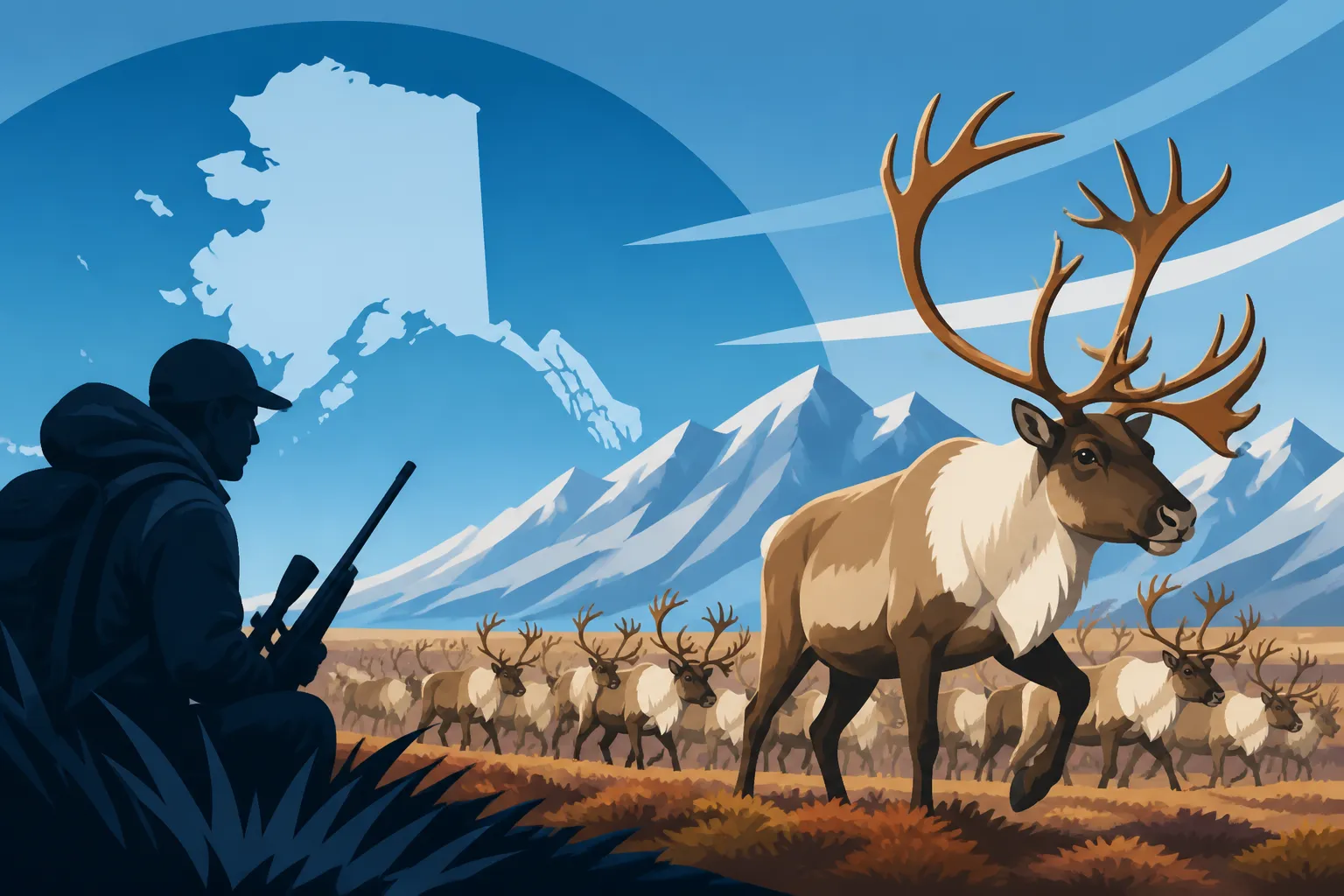
Western Arctic Herd and the 200,000 Threshold
For hunters dreaming of chasing caribou across the vast open tundra of Northwest Alaska, the health of the Western Arctic Caribou Herd (WAH) is a constant, often nerve-wracking, concern. Fluctuations in this massive herd's population directly influence hunting opportunities, particularly for those looking to access prime areas like Unit 23. This guide delves into the critical 200,000 caribou threshold for the WAH, explaining what it means for the herd's management and, most importantly, for your hunting plans in this iconic region.
Understanding the Western Arctic Caribou Herd
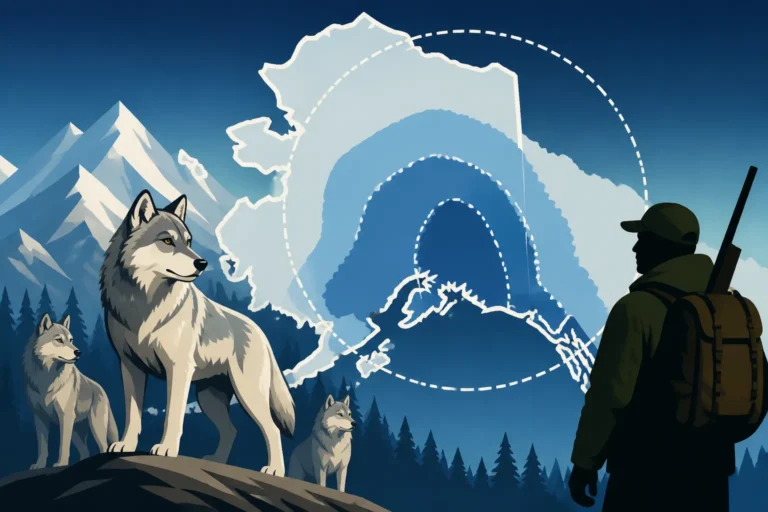
The Western Arctic Caribou Herd is one of the largest caribou herds in North America, a true icon of Alaska's wild landscapes. Its range extends across vast areas of the Northwest Arctic and North Slope, from the Brooks Range south to the Bering Sea coast. Witnessing thousands of caribou on their annual migration is an experience unlike any other, a testament to the sheer scale of wildlife in Alaska.
The Dynamics of Caribou Herds
Caribou populations are naturally cyclical, experiencing dramatic rises and falls over decades. These fluctuations are influenced by a complex interplay of factors: forage availability, predator pressure from wolves and bears, disease, and harsh winter weather conditions. A herd can grow rapidly during favorable years, only to face significant declines when conditions turn challenging. Understanding these natural dynamics is crucial for appreciating why management decisions are so vital. When planning a hunt, tools like Scouting a Unit From Satellite Imagery Before You Fly can give you a better grasp of the habitat and potential migration corridors these animals use.
The Migratory Lifestyle
The Western Arctic Herd is known for its extensive migrations, moving hundreds of miles between winter and summer ranges. These movements are driven by the search for food—lichens, sedges, and willows—and the avoidance of insect harassment during the summer. Hunters need to be acutely aware of these patterns, as a herd's location can change dramatically from one week to the next, even within the same season. The vastness of their range means that a significant portion of their traditional grounds lies within Unit 23, making it a focal point for hunting regulations tied to the herd's health.
The Significance of the 200,000 Threshold
The 200,000-caribou threshold is a key management benchmark for the Western Arctic Herd, particularly as it relates to federal subsistence priority and general season access in Unit 23. It's not just an arbitrary number; it represents a population level where managers and regulatory bodies determine whether the herd can sustain broader harvest pressure.
What the Threshold Means for Management
When the Western Arctic Herd's population estimate falls below this 200,000 threshold, it signals concern among wildlife biologists and management agencies. Historically, a population below this mark has often triggered more restrictive hunting regulations, especially for non-local hunters in specific areas. The primary goal is to ensure the long-term health and sustainability of the herd, prioritizing subsistence users who depend on these animals for their way of life. This can directly impact opportunities for individuals planning a fly-in hunt, so understanding the current herd status is paramount.
Impact on Unit 23 Federal Closure
Perhaps the most significant consequence of the Western Arctic Herd falling below 200,000 is the potential for a "non-local hunter closure" in Unit 23 under federal regulations. This means that if the herd is below the threshold, federal lands within Unit 23—which comprise a significant portion of this prime caribou country—may become restricted to federally qualified subsistence users only. This federal closure to non-local hunters is a stark reminder of the delicate balance between wildlife management and equitable access, a reality many hunters encounter when looking at areas like the Noatak Preserve Hunting Restrictions. For hunters relying on services to access remote areas, understanding Fly-In Hunting: Working With an Alaska Transporter Pilot becomes even more crucial when regulations can shift.
Regulatory Impacts for Hunters
The fluctuating population of the Western Arctic Herd and the application of the 200,000 threshold have very real and often frustrating consequences for hunters, particularly non-local residents. It's a system designed to protect the resource, but it can make planning a hunt challenging.
When the Herd Is Above 200,000
When the Western Arctic Herd is estimated to be above the 200,000 threshold, it generally means more liberal hunting opportunities. Under these conditions, general state hunting seasons for caribou in Unit 23 are more likely to be open to both residents and non-residents, provided they meet standard licensing and permit requirements. This is typically when hunters can plan their trips with a greater degree of certainty, knowing that access to federal lands within Unit 23 won't be immediately curtailed by population numbers. It still pays to check for specific Alaska Caribou Seasons and the Winter Hunt Split for open dates and bag limits.
When the Herd Is Below 200,000
Conversely, when the herd drops below 200,000, hunters need to pay very close attention. This is when the federal closure for non-local hunters in Unit 23 often comes into effect. This doesn't necessarily mean hunting stops entirely, but it significantly changes who can hunt where. State lands within Unit 23 might still be open to general season hunters (both resident and nonresident), but federal lands become restricted. Navigating this can be complex, and hunters must verify land status (federal, state, or Native Corporation) for their intended hunting areas. Websites like GoHunt or state fish and game resources are invaluable for checking the latest emergency orders and regulations, as these situations can change rapidly. Remember, even if you are hunting without a guide, understanding Alaska Harvest Ticket Reporting Deadlines is essential.
Navigating the Regulations
It's absolutely paramount for any hunter considering a trip to Unit 23 or anywhere within the Western Arctic Herd's range to check the latest regulations directly from the Alaska Department of Fish and Game (ADF&G) and the Federal Subsistence Board. Emergency orders can be issued at any time, closing or opening seasons based on aerial surveys and herd health assessments. Relying on outdated information can lead to costly mistakes or, worse, violations. Many hunters use platforms like GoHunt not just for strategy but for keeping tabs on these crucial regulatory updates.
Here's a simplified overview of how the WAH threshold often influences Unit 23 hunting:
| Herd Population Status (WAH) | Federal Lands in Unit 23 (Non-Local Hunters) | State Lands in Unit 23 (All Hunters) | General Season Outlook |
|---|---|---|---|
| Above 200,000 | Generally Open | Generally Open | More Liberal |
| Below 200,000 | Often Closed (Federal Subsistence Priority) | May Remain Open (Check Regulations) | More Restrictive |
Note: This table represents a general pattern. Always consult current ADF&G and Federal Subsistence Board regulations for precise, up-to-date information.
What Hunters Can Do
For hunters eager to pursue caribou in Northwest Alaska, staying informed and planning strategically are your best defenses against potential regulatory changes tied to the Western Arctic Herd.
Stay Informed and Plan Ahead
The most critical advice is to consistently monitor the herd's status and regulatory announcements. ADF&G publishes herd population estimates and management plans, and the Federal Subsistence Board issues its own regulations. Websites, newsletters, and even community forums can provide early warnings of potential changes. This often means planning your caribou hunt with a degree of flexibility, or at least having a backup plan. A quick search on GoHunt often reveals discussions and analyses regarding herd health and upcoming regulatory changes that can provide valuable context. Understanding Caribou Herd Range and Migration is key to predicting where they might be.
Consider Other Hunting Units and Strategies
If the Western Arctic Herd falls below the 200,000 threshold and Unit 23 faces restrictions, it doesn't mean caribou hunting in Alaska is off the table. Other caribou herds, like the Nelchina Herd, might offer different opportunities, though they too have their own population dynamics and regulations. Exploring Caribou Herds of Alaska and How They Move will reveal other options. Hunters might also consider other species or different hunting methods. For instance, if caribou become difficult, focusing on Waterfowl and Ptarmigan as Camp Meat can add to your freezer. Researching diverse options is part of being a well-prepared Alaska hunter.
Support Conservation Efforts
Beyond personal hunting strategies, consider supporting conservation efforts aimed at understanding and managing caribou herds. Sound science and responsible management are what keep these incredible resources healthy for future generations. Engaging with wildlife agencies, joining conservation organizations, and participating in public comment periods are all ways to contribute to the long-term sustainability of Alaska's iconic caribou. The future of herds like the Western Arctic Caribou Herd depends on a collective commitment to their well-being. Additionally, learning about proper Cape and Skull Care for a Brown Bear Hide can sometimes include advice on preserving caribou trophies, showing a commitment to respectful hunting practices.
Disclaimer
This article is for general informational purposes only and does not constitute professional advice. Laws, prices and regulations vary by location and change over time. Consult a qualified professional for guidance on your specific situation.