Floating the Kobuk River During the Caribou Migration
Picture this: you've spent countless hours dreaming of vast, untouched wilderness, the kind where the horizon stretches forever and the only traffic jam is a herd of migrating caribou. The Kobuk River in Northwest Alaska calls to a certain kind of hunter, one who craves isolation and the challenge of a true wilderness float trip during the epic caribou migration. It's an experience that can be incredibly rewarding, but it's also fraught with logistical puzzles, unpredictable weather, and the sheer scale of Alaska itself. This guide is here to break down the reality of floating the Kobuk during the caribou migration, helping you navigate the planning, the river, and the hunt to make that dream a tangible, successful adventure.
Navigating the Kobuk: River Dynamics and Access Challenges
The Kobuk River isn't just a waterway; it's a lifeline for vast stretches of northwestern Alaska, winding through diverse landscapes from the Baird Mountains to the Bering Sea. For hunters, it offers unparalleled access to remote country, but it comes with its own set of challenges that can quickly turn an exciting adventure into a serious predicament if you're not prepared.
Understanding the River's Character
The Kobuk is a relatively slow-moving river for much of its length, which might sound easy, but it often translates to long days of paddling or rowing, especially if the winds are against you. Its character changes significantly along its course. Upstream, it can be narrower and shallower, winding through spruce and willow thickets. As it progresses downstream, it widens, becoming more braided in places, with numerous channels, sandbars, and gravel bars. These gravel bars are crucial for potential camp spots and, importantly, for bush plane pickups if you're flying out. The water levels can fluctuate dramatically depending on recent rains and snowmelt, influencing navigability, camp availability, and even how easily you can spot game along the banks. Low water can mean dragging your raft; high water can hide submerged hazards and make finding dry ground for camp a real headache. Knowing how Raft Size for a Two-Hunter Moose Float translates to stability and load capacity on a river like the Kobuk is paramount.
One of the biggest frustrations is the sheer scale and the illusion of ease. Many hunters underestimate the mileage they'll cover and the effort required, especially when battling headwinds or if the caribou aren't where you expect them. You might envision a leisurely float, but it's often a demanding physical undertaking. Always build in extra days for weather delays, slow travel, or simply taking the time to scout and hunt effectively.
Access Points and Logistical Hurdles
Getting onto and off the Kobuk is typically an air taxi operation, making these hunts pricier and more complex than road-system trips. Common drop-off points might include Kotzebue (the main hub for the region) or smaller villages like Ambler, Shungnak, or even further upstream depending on your chosen hunt area and the air taxi's capabilities. From these points, a bush plane, usually a Super Cub on tundra tires or a larger Cessna 185, will fly you and your gear into a suitable gravel bar or lake near the river.
The challenge isn't just getting in; it's getting out. You'll need to coordinate a precise pickup date and location with your air taxi pilot. This is where those gravel bars come in. Not every stretch of river has a suitable landing strip, and conditions can change. Using mapping tools like onX Hunt during your planning phase can be invaluable for identifying potential drop-off and pickup locations, understanding land status along the river (much of the land is Native Corporation or federal), and marking possible emergency landing strips. Remember, bush pilots are experts, but clear communication from your end about your exact plans and contingency sites is vital. The sheer remoteness means that forgotten gear or missed pickups are not minor inconveniences; they're major problems.
Timing Your Hunt: Understanding the Caribou Migration Puzzle
The primary draw for floating the Kobuk River is often the chance to intercept the Western Arctic Caribou Herd (WAH) during its epic migration. This herd is one of the largest in Alaska, but their movements are notoriously unpredictable, making timing your hunt both critical and incredibly challenging.
The Western Arctic Caribou Herd's Journey
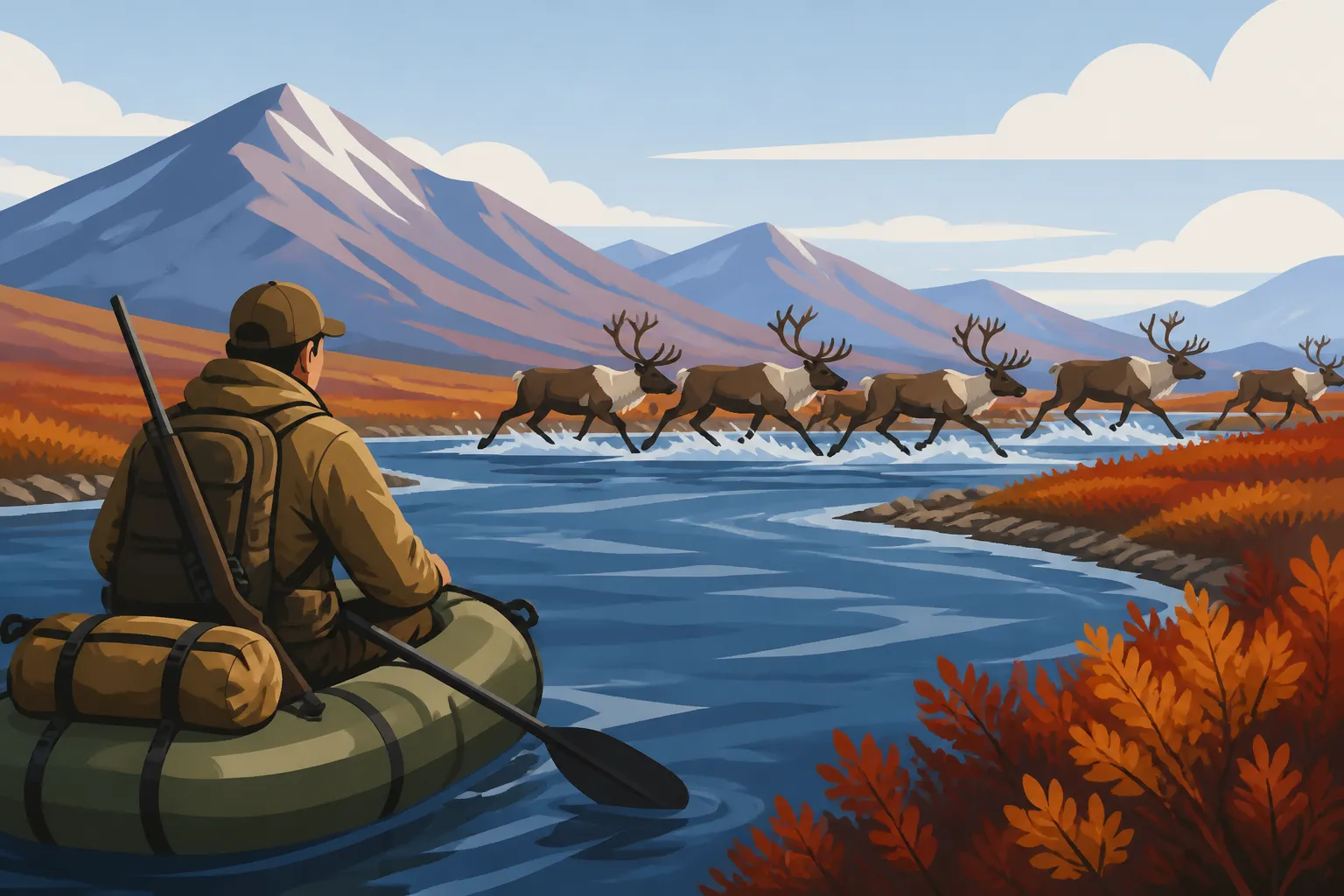
The Western Arctic Herd undertakes vast seasonal migrations, often numbering in the hundreds of thousands of animals. Their summer range is typically in the northern reaches, moving south for the winter. The Kobuk River often lies directly in the path of this migration corridor, particularly in late August through September. This is when hunters hope to encounter rivers teeming with swimming caribou, or vast groups moving across the tundra adjacent to the river.
However, "migration" isn't a single, fixed event. It's a fluid, ever-changing movement influenced by forage availability, weather, predators, and even tradition. Some years, the main body of the herd might pass through quickly; other years, they might linger or take an entirely different route. You might have thousands of animals one day and see nothing but tracks the next. This unpredictability is perhaps the biggest frustration for hunters. You can plan meticulously, but the caribou dictate the terms. Researching historical migration patterns and current herd status through resources like GoHunt or the Alaska Department of Fish and Game (ADF&G) website can provide context, but it's never a guarantee.
Optimal Windows and Unpredictability
Historically, late August and early September have been prime times for intercepting the migration along the Kobuk. By then, the caribou bulls are often hard-antlered, and the weather is typically more stable than later in the fall. However, early September can also bring unexpected snow or heavy rains, and late August means a higher likelihood of encountering plenty of bugs.
The "optimal window" is really a moving target. If you arrive too early, the main herd might still be far to the north. Arrive too late, and they may have already passed, or the weather could have turned brutally cold, making float hunting much more difficult. Many hunters aim for the first two to three weeks of September, hoping to hit the sweet spot. But you must mentally prepare for the possibility of a "no-show" migration. This doesn't mean there are no caribou, but perhaps not the overwhelming numbers you've seen in hunting films. Even if the main migration doesn't materialize, there are often resident caribou or smaller groups that didn't join the main push, offering a hunting opportunity if you're willing to work for it. Don't forget that Caribou Antler Size on Bulls and Cows is important for field judging, especially if you're looking for a specific trophy.
Adjusting Expectations and Strategies
Since the migration is so variable, adaptability is key. Instead of anchoring all your hopes on a massive river crossing, be prepared to hunt the fringes: glassing the surrounding tundra, still-hunting through willow flats, or using calls. When the caribou are present, they can offer relatively easy hunting, but if they're not, you'll need to employ more traditional methods. This is where strong glassing skills come into play; finding those smaller groups or stragglers before they spot you can make all the difference. Remember, getting your Meat Yield From an Alaska Caribou out of the field cleanly and efficiently is always the priority.
Essential Gear for a Successful Kobuk River Float Hunt
A successful Kobuk float hunt relies heavily on thorough preparation and the right gear. Forget something critical, and the remote nature of the area can quickly amplify a small oversight into a major problem. This isn't a trip where you can run to the store for supplies.
Rafting and Camp Essentials
Your raft is your lifeline, your transport, and often your camp. A durable, self-bailing raft designed for whitewater is highly recommended, even if the Kobuk isn't known for huge rapids. It needs to be large enough to comfortably carry you, your hunting partner, all your gear, and the considerable weight of a quartered caribou (or two!). Consider models from reputable brands known for their toughness. Always carry a comprehensive patch kit and know how to use it. A spare oar or two is also a must, as breaking or losing one could strand you. For larger rivers, a rowing frame can make long distances much more manageable than paddling.
When it comes to camp, think robust and reliable. A sturdy wall tent with a stove is often preferred for warmth and drying gear, as fall weather can be damp and chilly. Otherwise, high-quality, three or four-season backpacking tents are essential for individual sleeping. Sleeping bags rated well below expected night temperatures (think 0°F to -20°F for late season) are crucial, along with insulated sleeping pads. Cook gear should be simple and efficient, capable of boiling water and cooking hearty meals. Water purification, whether a filter, purifier, or chemical treatment, is non-negotiable. Don't rely solely on boiling; a backup method is wise.
| Category | Essential Items | Notes |
|---|---|---|
| Rafting Gear | Durable self-bailing raft, PFDs, dry bags, oars/paddles | Bring repair kit, spare oars, pump. Protect gear from water. |
| Shelter & Sleep | Wall tent/4-season tent, stove (if wall tent), sleeping bags, pads | Ensure insulation for cold temps. Stove for drying is a huge plus. |
| Cooking & Water | Camp stove, fuel, cooking pot, eating utensils, water filter/purifier | Pack extra fuel. Plan for clean water access. |
| Hunting Gear | Rifle/bow, optics, GPS/satellite communicator, game bags, knife, sharpening stone | Rifle Calibers for Coastal Brown Bear also work for caribou. |
| Safety & Navigation | First-aid kit, bear spray/sidearm, signal mirror, whistle, fire starter, headlamps | Redundancy in navigation (map, compass, GPS, onX Hunt on phone). |
| Clothing | Layered system (base, mid, outer), rain gear, warm hat, gloves, wool socks | Prioritize quick-drying, synthetic or wool materials. Waders are key. |
| Food & Misc. | High-calorie non-perishable food, garbage bags, toilet paper, cordage, repair kit | Plan for extra days. Leave no trace. |
Hunting and Safety Equipment
Beyond the raft and camp, your hunting and safety gear need to be top-notch. For navigation, a reliable GPS unit with pre-loaded maps is vital. Pair it with a traditional map and compass, and know how to use them, as electronics can fail in cold, wet conditions. A mapping app like onX Hunt on your smartphone (download offline maps!) provides another layer of redundancy and can help identify terrain features and land boundaries. A satellite communication device, such as an InReach or Zoleo, is essential for check-ins and emergencies, as cell service is non-existent. InReach Check-In Schedules for Solo Hunts are important even for group trips.
A powerful rifle suitable for caribou (and potentially bear, as you're in Alaska!) is a given. Good optics – binoculars and a spotting scope – are critical for identifying caribou at long distances across the open tundra. Heavy-duty game bags that breathe are absolutely essential for preserving meat in fluctuating temperatures. Bring several sets; you'll want to keep the meat clean and cool. Don't forget a sharp knife and a sharpening stone.
Bear safety is paramount. You'll be in prime grizzly country. Carry bear spray on your person, readily accessible, and consider a large-caliber sidearm as a backup. Understand Bear Safety While Butchering a Kill in Alaska protocols, including hanging meat out of bear reach. You are the top of the food chain, but bears didn't get the memo.
Regulations, Ethics, and Staying Safe on the Kobuk
Hunting the Kobuk during the caribou migration is a privilege that comes with significant responsibility. Understanding and adhering to regulations, practicing ethical hunting, and prioritizing safety are non-negotiable for a successful and respectful experience.
Understanding Alaska's Hunting Regulations
Alaska's hunting regulations can be complex, and they change. Before you even think about packing, consult the current Alaska hunting regulations booklet for the specific Game Management Unit (GMU) you plan to hunt. For caribou on the Kobuk, you'll likely be dealing with the Western Arctic Caribou Herd, which usually falls under a registration permit hunt. This means you need to register for the hunt and will be subject to specific bag limits, sex restrictions (e.g., bull-only), and season dates that can be closed by Emergency Order if quotas are met. This is often announced on short notice, which can be devastating if you're already in the field. Alaska Caribou Bag Limits by Unit will vary.
Crucially, always confirm land ownership before you hunt. Much of the land along the Kobuk River is owned by Native Corporations. Hunting on these lands requires explicit permission and often the purchase of a trespass fee or access permit. Failure to obtain permission is trespassing and illegal. Use your mapping tools like onX Hunt to identify land status well in advance of your trip. Also, be aware of any Alaska Controlled Use Areas That Ban Aircraft or motorized access, as these can restrict your ability to travel or be picked up.
Ethical Hunting and Meat Care
Ethical hunting means more than just following the law; it means respecting the animal and the resource. This includes making clean, ethical shots and ensuring full meat salvage. In Alaska, wanton waste laws are strictly enforced, requiring hunters to salvage all edible meat, including ribs and neck meat. Quartering an animal and Packing Out Meat in Alaska: The Salvage Law Hunters Must Follow can be grueling work, especially if you're alone or if the weather is warm, but it's part of the commitment.
Meat care in the field, particularly for caribou, is critical. Their meat is lean and spoils quickly if not handled properly. After the kill, immediately gut and skin the animal, then quarter it and get the meat into breathable game bags. Hang the quarters in a cool, shady spot, elevated to allow air circulation and deter predators. If temperatures are warm, even a few degrees can make a difference. Consider taking extra steps like cooling the meat in a shallow stream if safe to do so, but avoid direct water contact. Hanging Meat in Warm September Weather is a skill you need to master.
Safety in the Remote Alaskan Wilderness
Safety on the Kobuk is a multi-faceted concern. Beyond bear encounters, the wilderness itself poses significant risks. Hypothermia is a constant threat in wet, cold Alaska, even in September. Dress in layers, use synthetic or wool materials, and always have dry spare clothing. River hazards, such as sweepers (trees that have fallen into the river and are partially submerged), log jams, and braided channels, demand constant vigilance. Always wear your PFD when on the water.
Medical emergencies are amplified by remoteness. Carry a comprehensive first-aid kit and know how to use it for common injuries and illnesses. Consider taking a wilderness first-aid or WFR course before your trip. Always file a detailed flight plan and Leaving a Trip Plan With a Contact who knows your expected route, pickup date, and whom to contact if you don't check in. Be prepared for weather delays, which can strand you in camp for days, consuming precious food and fuel. Pack extra. The Kobuk offers an incredible, raw Alaska experience, but it demands respect, preparation, and an unwavering commitment to safety.
Disclaimer
This article is for general informational purposes only and does not constitute professional advice. Laws, prices and regulations vary by location and change over time. Consult a qualified professional for guidance on your specific situation.