Leaving a Trip Plan With a Contact
Leaving an Alaska hunting trip plan with a reliable contact helps authorities coordinate rescue operations if emergencies occur.
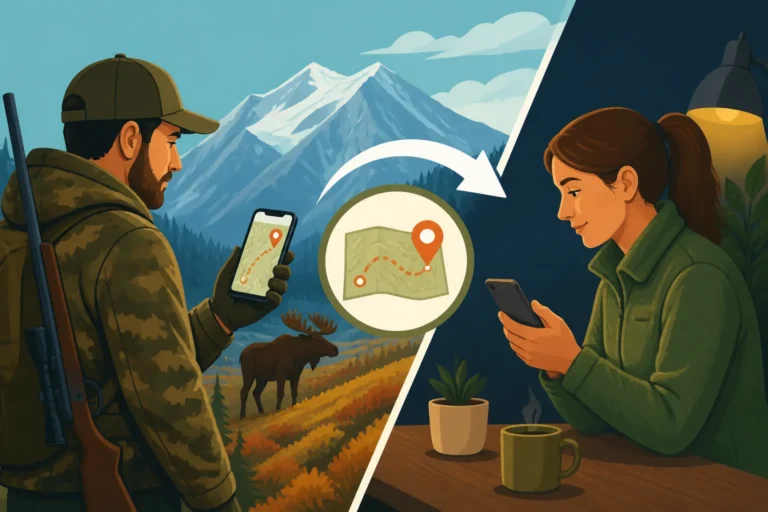
Leaving an Alaska hunting trip plan with a reliable contact helps authorities coordinate rescue operations if emergencies occur.
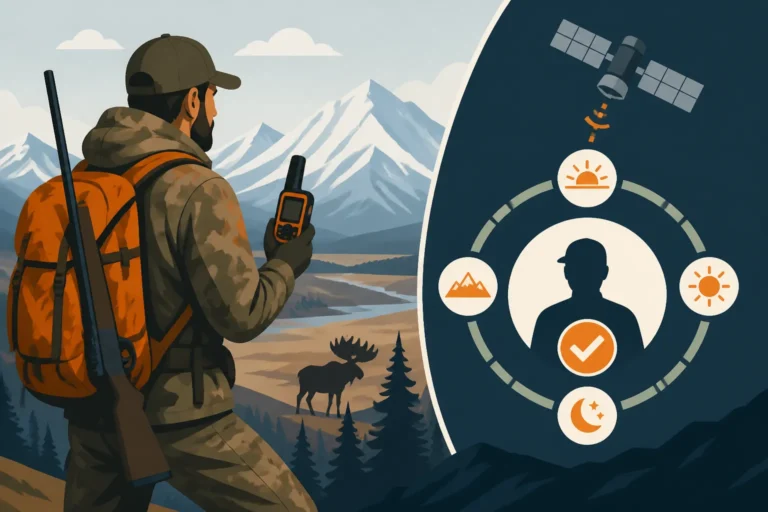
InReach check-in schedules provide solo hunters in Alaska with safety nets through satellite communication and emergency plans.
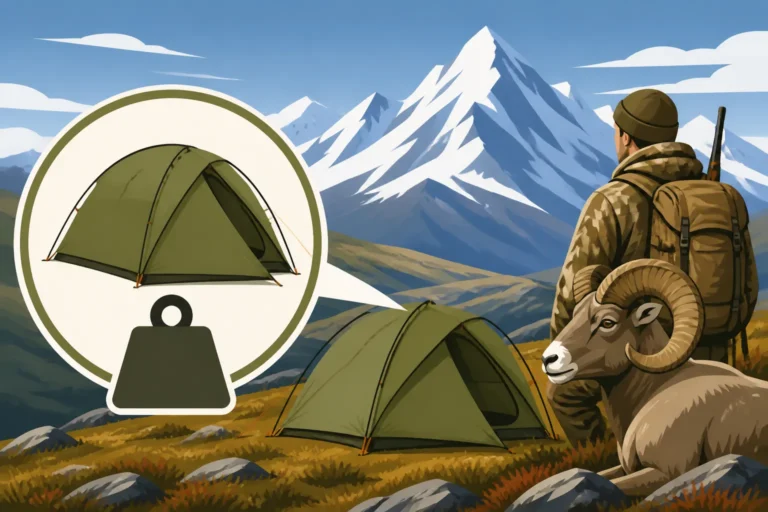
Two-man tent weight on an Alaska sheep hunt determines mobility, fatigue levels, and survival during tough alpine climbs.
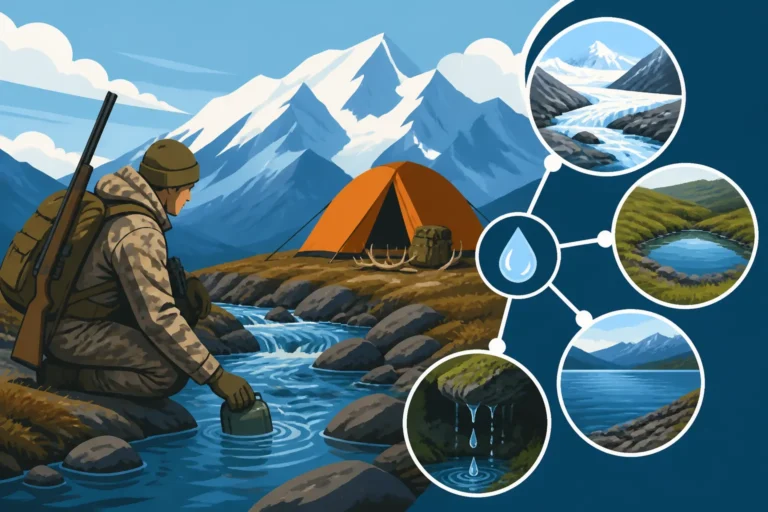
Alaska high country water sources include snowfields, glaciers, alpine tarns, and seeps located using satellite imagery and topographic maps.
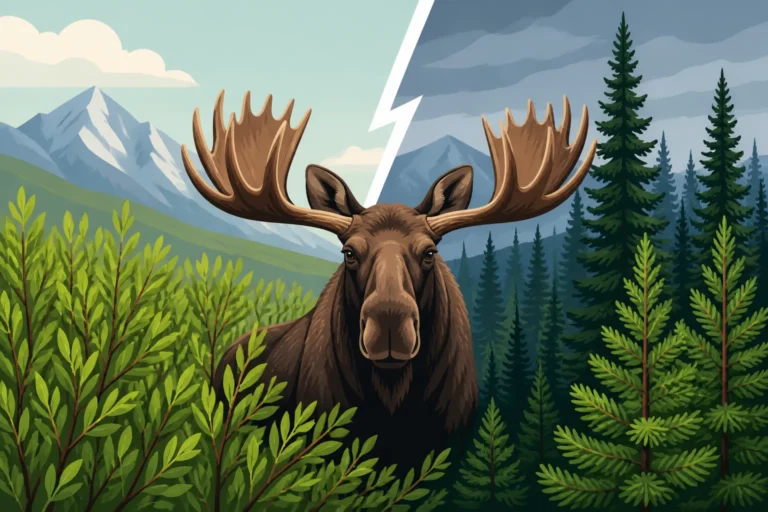
Alaska moose hunters compare willow flats and spruce forests to learn where bull moose find food, thermal cover, and safety.
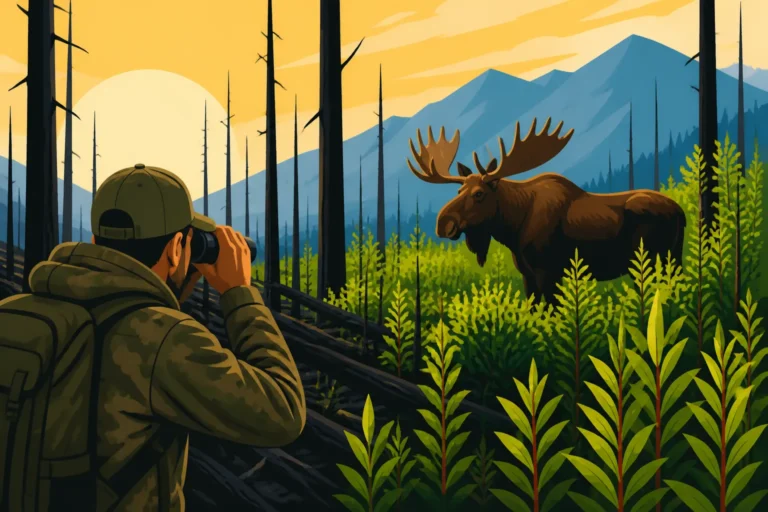
Alaska old burns provide moose food and cover, explaining where animals feed in these fire-scarred landscapes five to twenty years later.
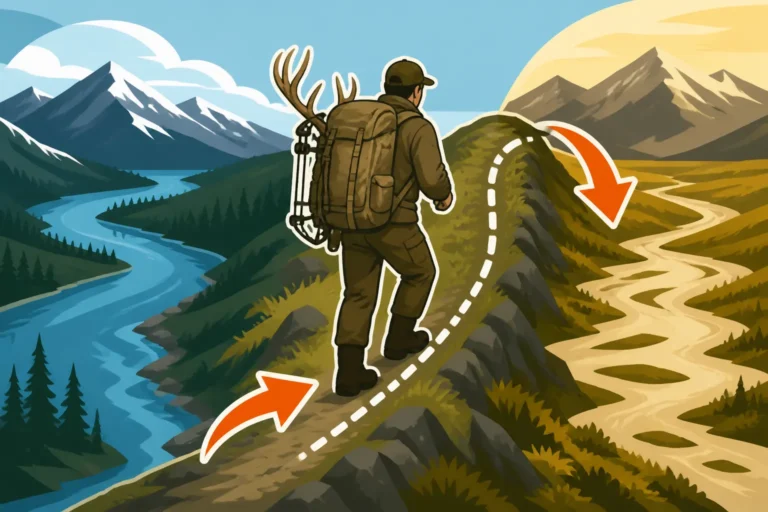
Portage routes between Alaskan river drainages help hunters find game animals, avoid river obstacles, and ensure safety.
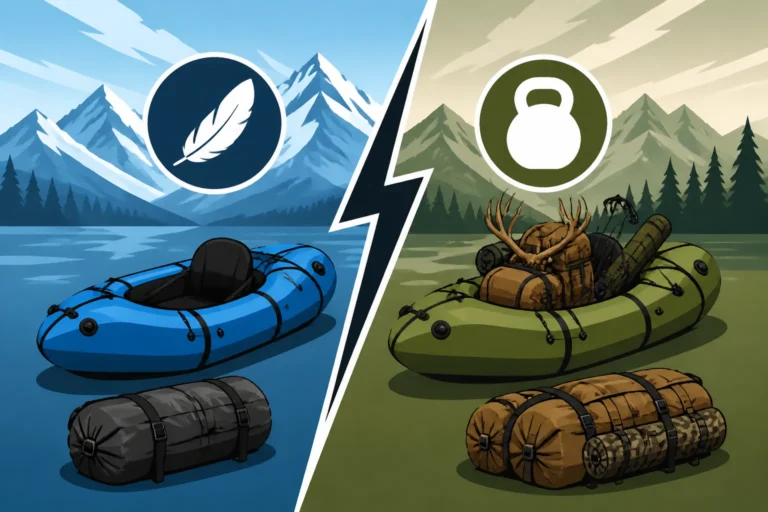
Packraft weight limits and load capacities dictate safe gear limits for hunters navigating swift Alaska rivers with game meat.
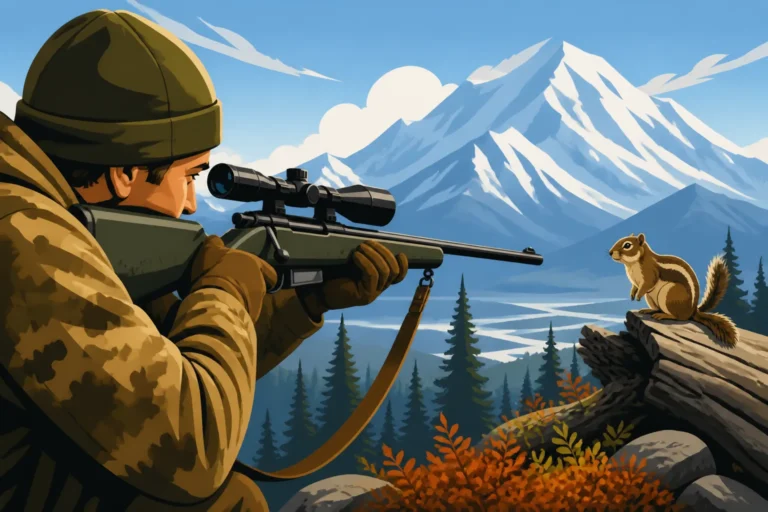
Big game rifle use for small game like ptarmigan or snowshoe hare in Alaska provides camp meat without destroying edible tissue.
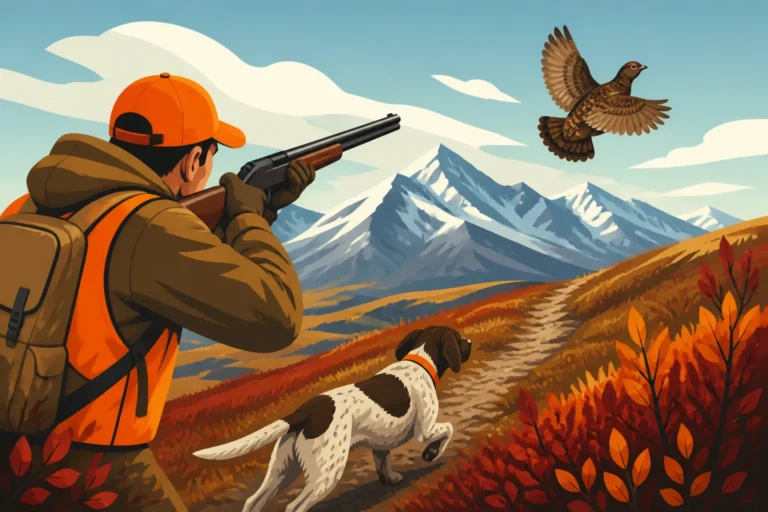
Alaska small game hunting regulations and gear strategies help big game hunters harvest ptarmigan and spruce grouse safely.