Backpack Hunting in Alaska: Gear Weight and Meat Loads
Alaskan backpack hunting requires carrying fifty to seventy pounds of gear into the field and packing out hundreds of pounds of meat.
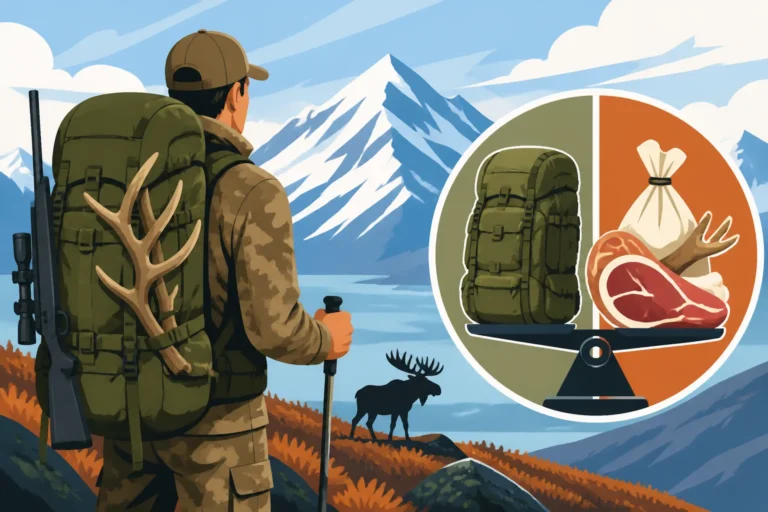
Alaskan backpack hunting requires carrying fifty to seventy pounds of gear into the field and packing out hundreds of pounds of meat.
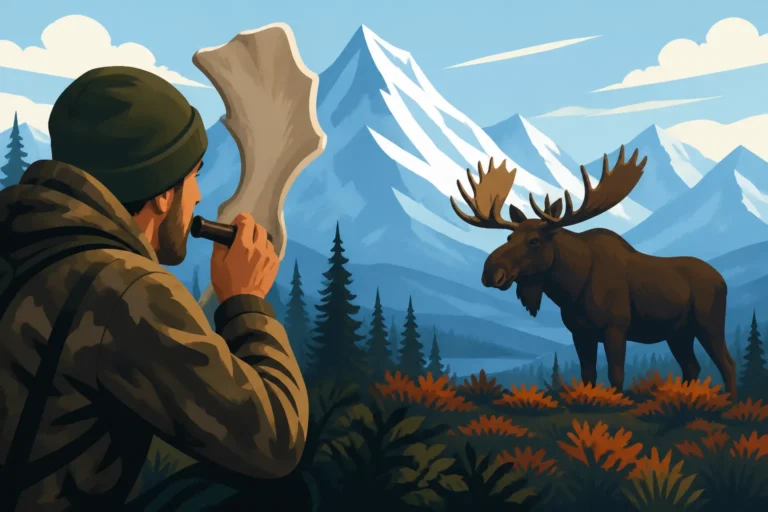
Alaskan moose calling methods using a traditional scapula and cow calls help hunters attract bulls during the rut.
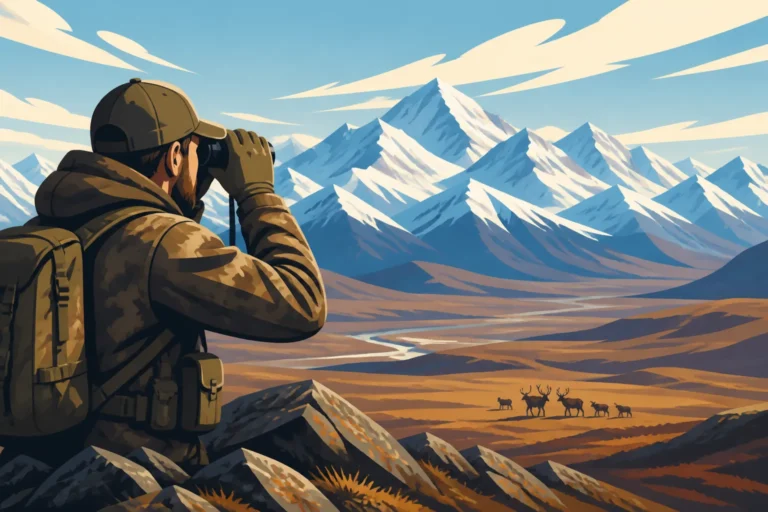
Effective glassing tactics for the Alaska Range help hunters find Dall sheep or bull moose before walking miles of terrain.
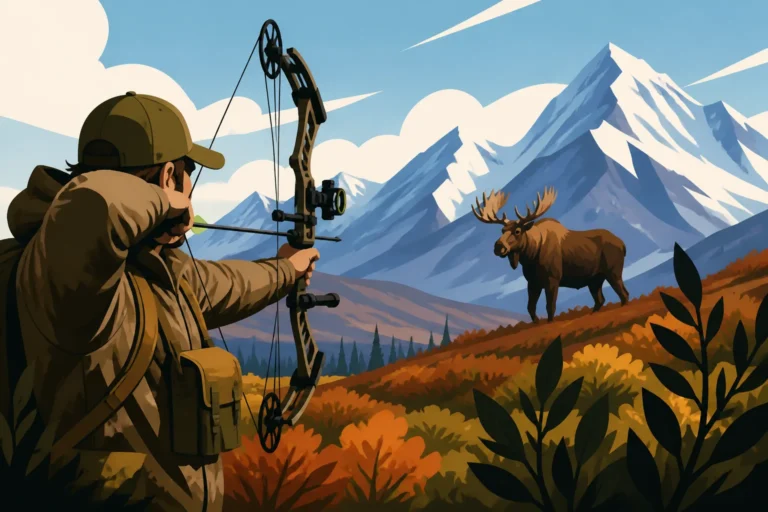
Alaska archery-only areas offer unique big game hunting opportunities. Learn regulations and research tactics for urban zones.
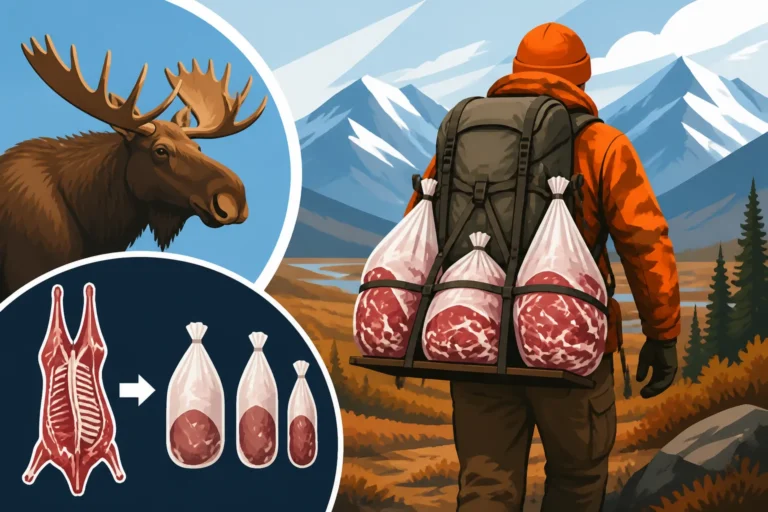
Alaska meat salvage laws require hunters to recover all edible portions including ribs, neck, and quarters to avoid severe penalties.
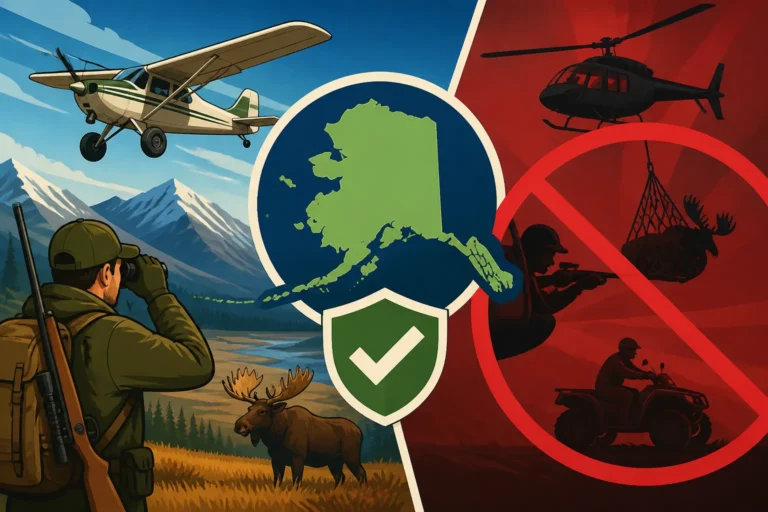
Alaska’s Same-Day-Airborne rule prohibits big game hunting on any calendar day a hunter uses a fixed-wing aircraft or helicopter.
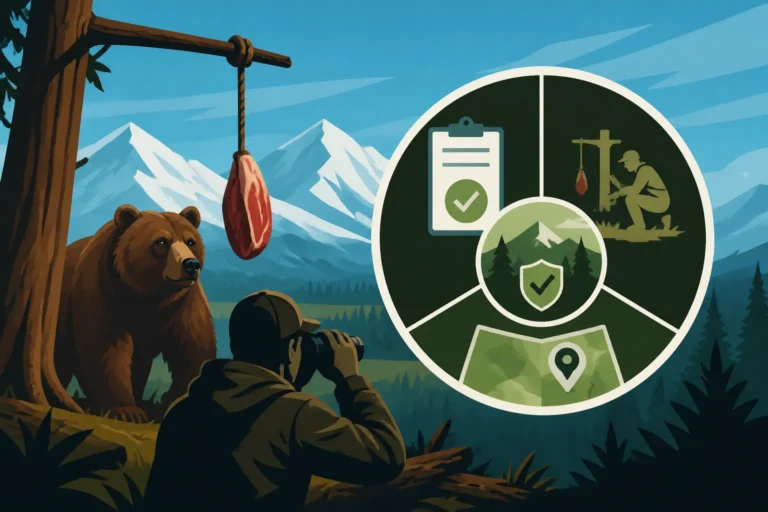
Alaska black bear baiting regulations and the registered site system help hunters understand legal requirements and management goals.
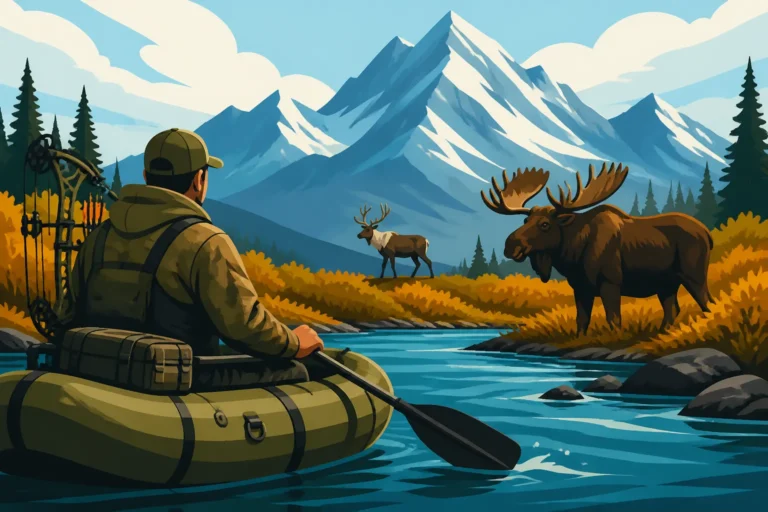
Float hunting Alaska rivers provides mobile wilderness access and game tracking strategies for moose and caribou expeditions.
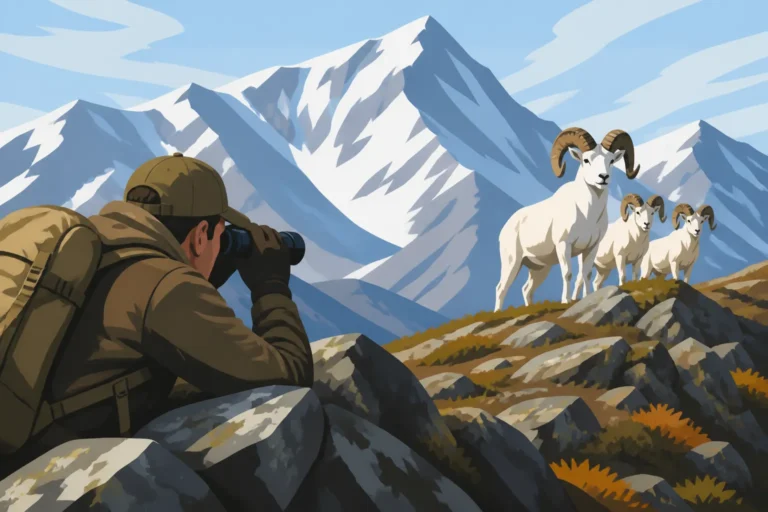
Spot-and-stalk Dall sheep hunting in Alaska requires physical preparation, proper gear, and mastering glassing and stalking tactics.
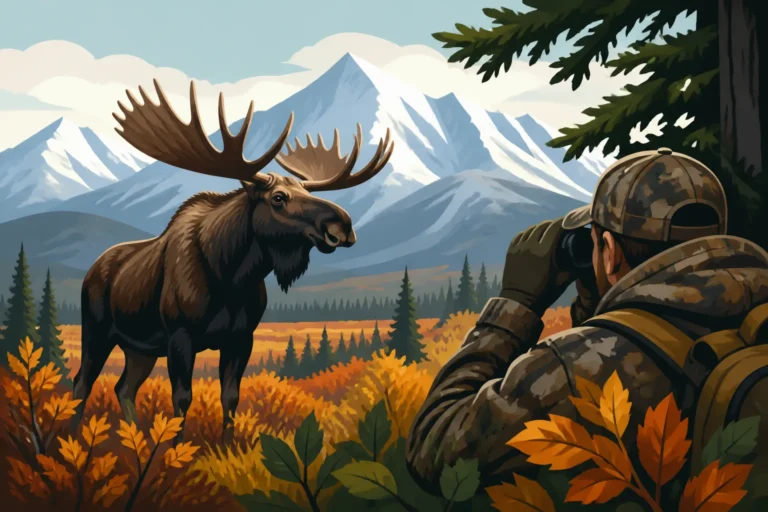
Alaska moose hunting tactics for the September rut explain bull behavior phases and calling strategies to locate animals.