Winter Range and Moose Survival in Interior Alaska
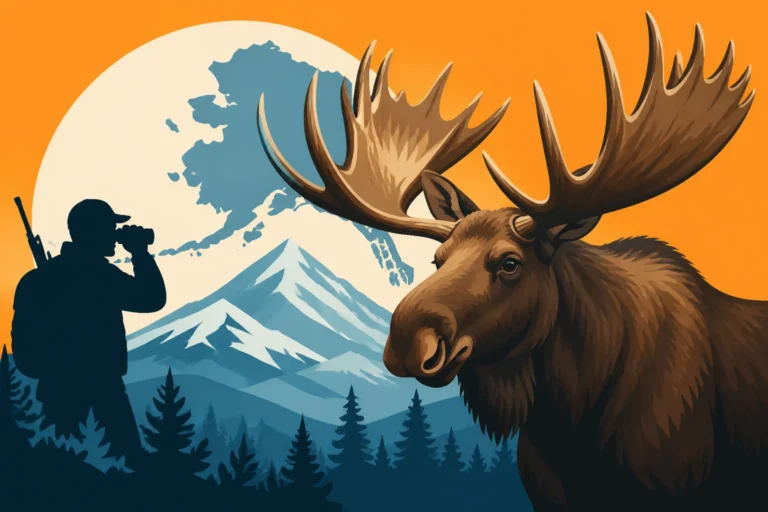
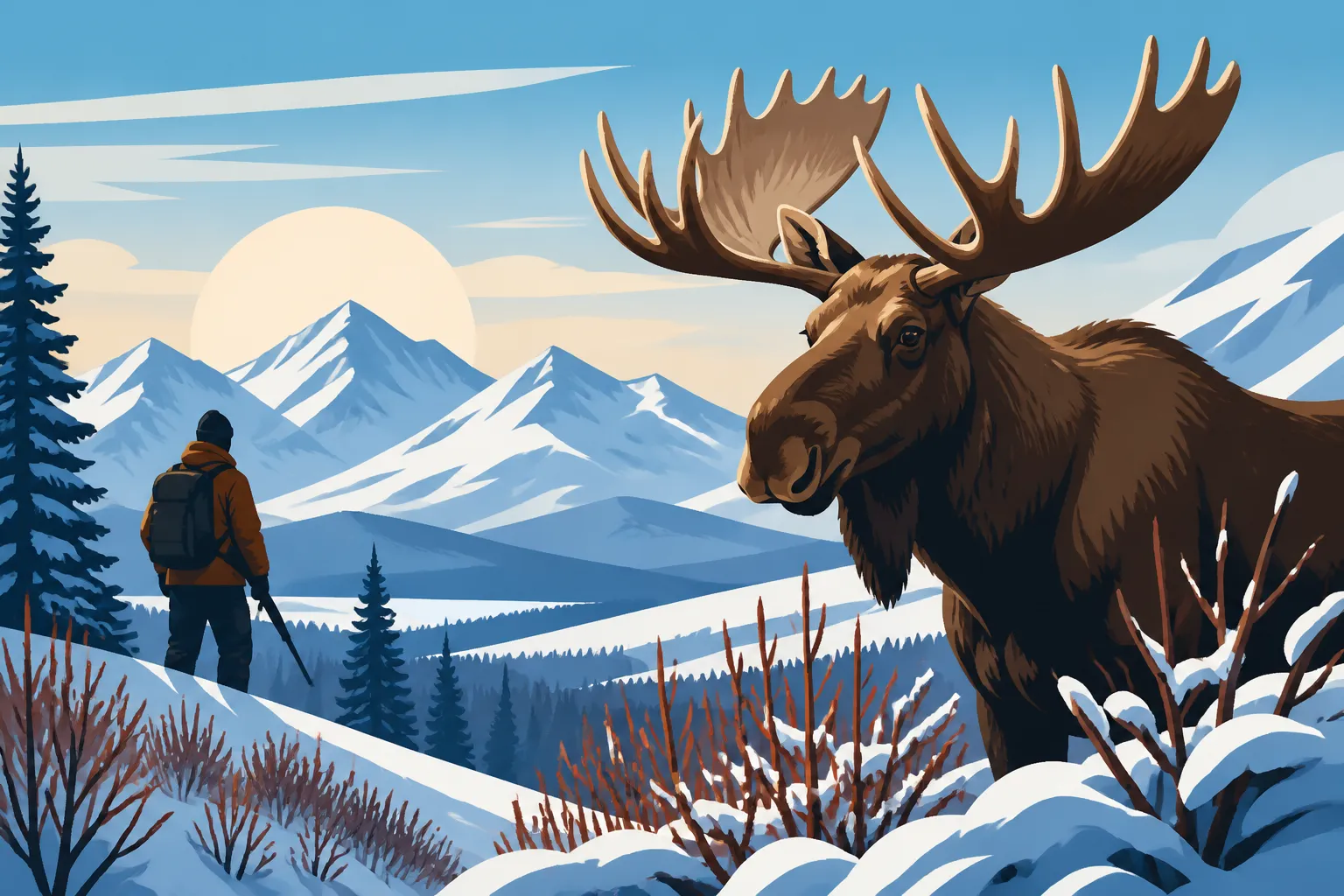
The unforgiving winters of Interior Alaska present an immense challenge for even the hardiest wildlife, and for moose, these months are a brutal test of endurance. From dwindling food sources to deep, energy-sapping snow, the odds are stacked against them. This guide delves deep into how moose survive these harsh conditions, exploring their critical winter habitats, the physiological adaptations that keep them alive, and the ongoing efforts to ensure healthy moose populations thrive across Interior Alaska's vast landscape.
Understanding Interior Alaska's Winter Environment
When we talk about Interior Alaska, we're picturing an immense region defined by extremes. Think vast boreal forests, winding rivers, and mountain ranges that plunge into valleys, all wrapped in a blanket of snow and ice for much of the year. It's a land of stunning beauty but also incredible hardship, especially for the resident wildlife like moose. Their survival hinges on navigating this environment, which is far from uniform in its challenges.
The Extreme Cold and Snowpack Dynamics
The sheer cold in Interior Alaska can be staggering. We're not just talking about freezing temperatures; sustained periods of -30°F, -40°F, or even colder are common, especially from December through February. This deep cold demands an immense amount of energy from moose just to maintain their body temperature. They're built for it, with thick hides and dense undercoats, but every degree below zero extracts a cost.
Compounding the cold is the snowpack. Unlike coastal areas where snow might be heavy and wet, interior snow tends to be lighter, drier, and can accumulate to significant depths. It's not uncommon to see snow depths of three to five feet, or even more, in certain drainages. This deep snow is a major obstacle. For a moose, every step through deep snow burns precious calories, calories they desperately need to conserve. Imagine trying to walk through waist-deep powder all day, every day, just to find your next meal. It's exhausting. The snow's consistency also matters; light, fluffy snow might be easier to push through than crusty, wind-blown drifts that can cut at their legs. These snow conditions directly influence where moose can move, where they can browse, and even their vulnerability to predators.
Seasonal Food Scarcity and Nutritional Stress
As autumn fades and winter truly sets in, the lush summer vegetation that moose gorged on disappears beneath the snow. The vibrant green willows, aspens, and birches lose their leaves, leaving only woody browse. This isn't just a change in availability; it's a profound shift in nutritional quality. Woody browse, while abundant, is far less digestible and nutrient-dense than summer greens. Moose spend their entire summer building up fat reserves to draw upon during this lean period.
However, these reserves only last so long. As winter progresses, especially in late winter when the snow is deepest and palatable browse is most depleted, moose enter a phase of severe nutritional stress. Their bodies are constantly burning through fat, and if they can't find enough food to at least slow that loss, they begin to metabolize muscle tissue. This is when the weak start to succumb. A bad winter means more moose enter spring in poor condition, which can impact calving success and overall herd health. Understanding what moose eat in a ten-year-old burn, for instance, highlights how they seek out specific plant communities that offer a better nutritional return, even in winter.
Key Characteristics of Prime Moose Winter Range
For a moose to survive an Interior Alaska winter, simply having "trees" or "snow" isn't enough. They need very specific types of habitat that meet their dual needs for food and protection. Think of it as a finely tuned survival machine: it needs fuel (browse) and shelter from the elements and predators. The best winter ranges are those that offer a strategic combination of these critical resources.
Willow and Birch Browse Availability
The absolute cornerstone of winter moose survival in Interior Alaska is access to abundant and palatable woody browse, primarily willow and birch. These species, along with aspen and sometimes young balsam poplar, make up the vast majority of their winter diet. But not just any willows or birches will do. Moose prefer young, tender growth, typically found within about 10 feet of the ground – the "moose browse line." Taller, older, or thicker woody stems are much harder to digest and offer less nutrition.
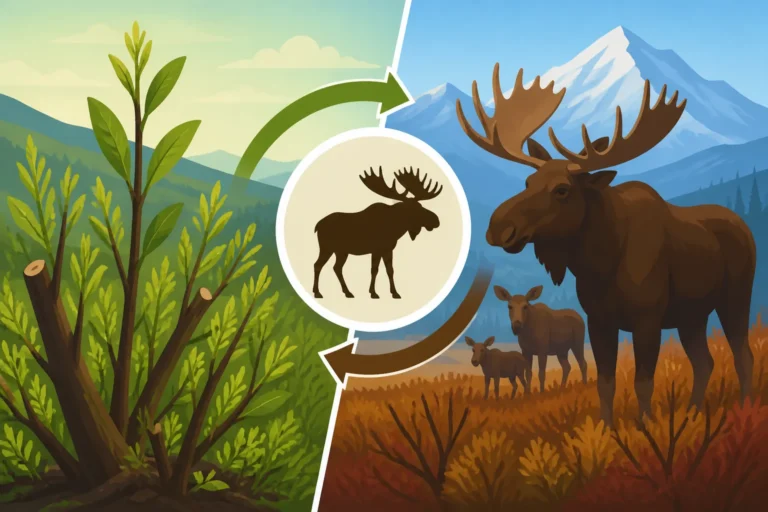
This is why areas that have undergone recent disturbances, like forest fires or logging, can become prime winter range after a few years. These disturbances stimulate vigorous regrowth of preferred browse species. For example, understanding Willow Regrowth and Moose Numbers is key. After a fire rips through a spruce forest, the willows and birches come back with a vengeance, creating a buffet for moose. Over time, as these plants mature and grow out of reach, the quality of the browse declines, and moose populations in that specific area might decrease, eventually seeking newer, more productive zones. This natural cycle of disturbance and regeneration is vital for maintaining a healthy moose population.
Thermal Cover and Shelter from the Elements
While food is paramount, protection from the brutal cold and wind is also non-negotiable. Moose seek out thermal cover, which typically comes in the form of dense stands of conifers, like spruce or fir. These trees, with their thick canopies, act like giant umbrellas, intercepting snowfall and creating areas of shallower snow underneath. This means less energy expended on travel. Even more critically, these dense stands block the wind, reducing heat loss from the moose's body. On a -40°F day, escaping a howling wind can literally be the difference between life and death.
Often, you'll find moose bedding down within these dense patches, especially during the coldest parts of the day or during blizzards. They might spend hours or even days in such areas, minimizing movement to conserve energy. This is a classic trade-off: dense conifer stands often have very little browse on the forest floor, so moose must balance the need for cover with the need to forage. They will travel from their dense cover to nearby browse areas, utilizing the cover as a refuge. This strategic use of different habitats is a hallmark of their winter survival. Hunters studying how to find game on Willow Flats Versus Spruce for Bull Moose understand this dynamic well.
Access to Lower Elevation Areas and River Bottoms
Another critical aspect of prime winter range is access to lower elevation areas, especially river and creek bottoms. There are several reasons for this. First, these areas often collect deeper, richer soils, which support more vigorous and nutritious browse growth. The floodplains of rivers like the Yukon, Tanana, or Kuskokwim are ribboned with dense willow and birch thickets that are magnets for moose. Second, and perhaps more importantly, the snowpack tends to be less deep and less problematic in these low-lying areas compared to higher elevations or open plateaus, especially early in the winter. The cold air, while intense, also often leads to clearer skies, and the river channels themselves can provide natural travel corridors with packed snow.
These river bottoms act as crucial wintering grounds, allowing moose to concentrate in areas where movement is less taxing and food is comparatively more accessible. Imagine a vast, snow-covered landscape; the river bottoms are like natural highways and feeding stations, drawing moose from miles around. Areas like the Tanana Flats, a well-known moose hotspot, exemplify this perfectly, showing Why Unit 20A Holds So Many Moose due to its extensive river systems and associated browse.
Moose Adaptations and Survival Strategies
Moose aren't just surviving winter by luck; they are perfectly engineered for it. Over millennia, they've evolved an impressive suite of physiological and behavioral adaptations that allow them to endure the most challenging conditions on the planet. These strategies are interconnected, working in concert to maximize energy conservation and minimize vulnerability.
Physiological Changes: Winter Coat and Fat Reserves
One of the most obvious adaptations is their incredible winter coat. Starting in late summer, moose begin to grow a remarkably dense, two-layered coat. The outer layer consists of long, coarse, hollow guard hairs, which shed water and snow like a well-oiled rainjacket. These hollow hairs also provide excellent insulation by trapping air. Beneath this, they develop a thick, woolly undercoat that acts as a superb thermal barrier, keeping their core body temperature stable even when exterior temperatures plummet well below zero. This coat is so effective that moose can often be seen lying in deep snow with minimal heat loss.
Even more critical are their fat reserves. Throughout the summer and fall, moose engage in a frantic period of hyperphagia – essentially, non-stop eating – to build up substantial fat deposits. These reserves, accumulated around their organs and under their skin, are their primary energy source during the winter when food quality and availability are low. A moose entering winter in good condition, loaded with fat, has a significantly higher chance of survival than one that struggled to gain weight. These fat stores are slowly metabolized, providing the sustained energy needed for warmth and minimal movement. Without adequate fat reserves, even the thickest coat won't prevent starvation in the deep cold.
Behavioral Adaptations: Crater Feeding and Energy Conservation
Moose exhibit several key behavioral strategies to survive the winter. Perhaps the most iconic is "crater feeding." When snow is deep, moose will use their long legs and broad muzzle to push snow aside, creating bowl-shaped depressions (craters) to access browse beneath. This is an energy-intensive process, but it's often the only way to reach food. The deeper the snow, the more energy is expended, making the selection of optimal feeding grounds even more vital.
Beyond feeding, energy conservation dictates much of their winter behavior. Moose become far less active. They'll spend more time bedded down, often in sheltered areas, rising only to feed, drink, or escape perceived threats. Movement through deep snow is minimized. Instead of wide-ranging travel, they'll often "yard up" or concentrate in smaller areas of prime winter range, creating a network of trails that make travel slightly easier for them, much like hunters use snowshoes to pack down a trail. This concentration, however, can also lead to localized over-browsing and increased vulnerability to predators. Their slow, deliberate movements are a stark contrast to their energetic summer activities, all aimed at conserving every precious calorie.
Survival in Different Habitats: Burn Scars vs. Mature Forests
Moose adapt their survival strategies based on the specific type of winter habitat they find themselves in. In areas of recent wildfires, or "burn scars," the strategy is largely focused on capitalizing on the abundant, regenerating browse. These areas, particularly those 5-20 years post-fire, are often teeming with young willows, birches, and aspens, providing a dense, accessible food source. Moose in these areas might spend more time foraging, as the return on energy invested in crater feeding is higher. However, burn scars often lack dense thermal cover, meaning moose might be more exposed to harsh winds and cold, necessitating greater fat reserves or shorter feeding bouts followed by seeking out any available shelter. This reinforces the importance of Moose Habitat in Alaska Burn Scars.
Conversely, in mature spruce and birch forests, where browse might be less abundant or higher up, the strategy shifts more towards finding thermal cover and minimizing movement. Here, moose might select areas with very dense conifer stands for shelter, then venture out to edges or small openings to browse. The trade-off is often less food but better protection from the elements. They might also utilize areas where deciduous trees have fallen due to wind or age, creating accessible browse. Each habitat type demands a slightly different approach to balance caloric intake with energy expenditure and safety, demonstrating the incredible adaptability of these animals. Hunters often scout Old Burns and Where Moose Feed in Them for better success.
Challenges and Threats to Winter Moose Survival
Even with all their remarkable adaptations, Interior Alaska's winters are a constant gauntlet, and many moose simply don't make it. Several factors compound the already difficult conditions, pushing populations to their limits and highlighting the fragile balance of this ecosystem.
Deep Snow and Restricted Movement
We've touched on this already, but it bears repeating: deep snow is a silent killer for moose. When snow depths consistently exceed about 30 inches, especially if it's crusty or dense, moose movement becomes severely hampered. Imagine a four-foot-tall obstacle course everywhere you go. This dramatically increases the energy expenditure for travel, making it harder to access browse, escape predators, or even find new feeding grounds. Calves and older, weaker moose are particularly vulnerable. A calf, with its shorter legs, struggles even more than an adult, making it an easier target for predators or simply leading to exhaustion and starvation.
Periods of sustained deep snow can lead to "moose starvation events," where a significant portion of the herd succumbs. These aren't isolated incidents; they're a natural, albeit brutal, mechanism of population regulation in harsh environments. Even if moose don't outright starve, the prolonged stress of deep snow can leave them in poor condition come spring, impacting reproduction. For hunters utilizing tools like GoHunt, understanding historical snowpack data and terrain features can be crucial for predicting where moose might concentrate or struggle during severe winters, offering insights beyond just a traditional map.
Predation Pressure from Wolves and Bears
Winter conditions also drastically shift the dynamics of predator-prey relationships. Moose, weakened by nutritional stress and hampered by deep snow, become significantly more vulnerable to predators like wolves and, to a lesser extent, wolverines and even occasional grizzly bears that might emerge early from hibernation. Wolves, with their narrower paws and pack hunting strategies, are often better equipped to navigate deep snow, giving them a distinct advantage. They'll target the weakest, the slowest, and the youngest – a natural culling that, while harsh, maintains the overall health of the moose herd.
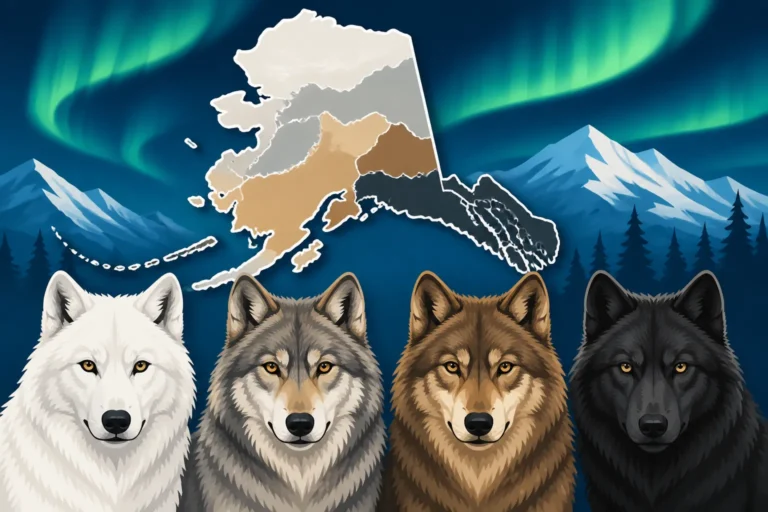
Understanding Wolf Pack Sizes in Interior Alaska and their hunting strategies is crucial for comprehending this threat. Packs often work together to test and exhaust moose in deep snow, making a kill much more feasible. Similarly, during early spring, when bears emerge, they might capitalize on moose weakened by winter, or target vulnerable calves. The sheer energy demands of winter mean that any additional stress, like constantly having to evade predators, further depletes a moose's dwindling reserves. The interplay between severe winters and Predation Pressure on Alaska Moose Calves can dramatically affect recruitment into the herd.
Diseases, Parasites, and Nutritional Deficiencies
Beyond the direct challenges of cold, snow, and predators, moose in Interior Alaska face a range of health issues that are often exacerbated by winter stress. Nutritional deficiencies are common, especially in late winter when the quality of browse is at its lowest. A lack of essential minerals or vitamins can weaken their immune systems, making them more susceptible to other ailments.
Parasites are another significant threat. Winter ticks, for instance, can heavily infest moose, leading to severe blood loss and irritation, causing the moose to rub off large patches of hair, further compromising their insulation and increasing energy expenditure. Liver flukes, lungworms, and brain worm (which affects moose as an aberrant host) can also take a toll, weakening animals already struggling to survive. While some of these parasites are more common in other regions, various types of parasites are present in Alaska. Climate change, leading to warmer winters, can sometimes expand the range or increase the prevalence of certain parasites, posing new threats to moose populations already navigating a tough environment.
Human Impact: Habitat Loss and Road Mortality
While nature presents its own formidable challenges, human activities also significantly impact winter moose survival. Habitat loss and fragmentation due to development, logging, and mining can reduce the amount of quality winter range available, forcing moose into less optimal areas where food is scarce or travel is more difficult. This concentrates moose in smaller patches, increasing browsing pressure on remaining vegetation and potentially leading to localized over-browsing.
Road mortality is another issue, especially along major highways like the Parks or Richardson Highway. Moose, seeking easier travel corridors in deep snow or roadside browse that's been cleared, are often struck by vehicles. This isn't just a loss of individual animals; it can contribute to a significant drain on local populations, particularly in accessible areas. Responsible land management and careful planning around human infrastructure are vital to mitigate these impacts and ensure that adequate, connected winter range remains available for Interior Alaska's moose.
Conservation and Management of Winter Moose Habitat
Given the critical importance of winter range for moose survival, conservation and management efforts are paramount. These efforts are multifaceted, involving habitat enhancement, predator management, diligent monitoring, and the active participation of hunters. It’s a complex balancing act, often requiring difficult decisions to ensure the long-term health of these majestic animals.
Habitat Enhancement and Forest Management Practices
Actively managing habitat is a cornerstone of moose conservation in Interior Alaska. Since moose thrive on young, regenerating browse, controlled burns are a key tool. Fires, whether natural or prescribed, clear out mature, less nutritious forest stands and stimulate the vigorous regrowth of species like willow, birch, and aspen. This creates ideal feeding grounds that can support higher moose densities for years. Understanding Moose Habitat in Alaska Burn Scars is essential for these strategies.
Similarly, forest management practices such as selective logging or clear-cutting can, if done thoughtfully, create similar benefits. However, it's not simply about cutting trees; it's about how and where those cuts are made. Managers aim to create a mosaic of different successional stages, ensuring a continuous supply of young browse while also retaining patches of mature conifers for thermal cover. This balance is critical, as simply creating browse without cover can leave moose vulnerable. These strategies are often guided by detailed population data and habitat mapping, sometimes with the aid of advanced tools, which a service like GoHunt can provide to help identify optimal areas for such interventions.
Predator Management and Moose Populations
The relationship between moose, their habitat, and their predators is incredibly dynamic. In some areas, particularly when moose populations are stressed by harsh winters or limited habitat, predation pressure from wolves and bears can become a significant factor limiting herd growth. In such cases, wildlife managers may implement predator management programs aimed at reducing predator numbers to allow moose populations to recover. These programs are often controversial but are sometimes deemed necessary when conservation goals for moose are not being met.
It's important to understand that predator management is not a blanket solution and is always considered within the broader ecological context. It requires careful monitoring of both predator and prey populations, and an understanding of how Wolf Pack Sizes in Interior Alaska fluctuate and impact moose. The goal is rarely to eliminate predators, but rather to balance populations in a way that supports healthy ecosystems and sustainable hunting opportunities. These decisions are often made after extensive research and public input, considering the long-term health of all species involved.
Monitoring Moose Health and Population Trends
Effective management hinges on accurate data, and wildlife biologists in Alaska dedicate immense resources to monitoring moose health and population trends. This involves regular aerial surveys to estimate population size, density, and bull-to-cow ratios. Tracking these numbers helps managers understand whether a population is growing, stable, or declining. Surveys also help to estimate Twinning Rates and Moose Herd Health, which is a key indicator of nutritional status; healthy cows are more likely to have twins.
Beyond numbers, researchers also conduct detailed studies on individual moose, using radio collars to track movement patterns, habitat use, and survival rates. Physical examinations, when possible, provide insights into overall health, fat reserves, disease prevalence, and parasite loads. Harvest data, collected from hunters, is also invaluable. The mandatory reporting of harvests provides critical information on age, sex, and condition of harvested animals, offering a snapshot of the herd's health. This comprehensive data allows managers to adapt seasons, bag limits, and other regulations to ensure sustainable hunting and robust moose populations, as detailed in the overarching Alaska Hunting Seasons and Tag Rules Explained.
The Role of Hunters in Moose Conservation
Hunters play a vital, often understated, role in moose conservation in Interior Alaska. First and foremost, license and tag fees directly fund wildlife management and conservation programs, including habitat enhancement and scientific research. Without these funds, many critical efforts simply wouldn't be possible. Hunters are also often the "eyes and ears" on the ground, providing valuable anecdotal observations about moose distribution, habitat conditions, and predator sightings.
Furthermore, hunters comply with harvest reporting requirements, which, as mentioned, are essential for data collection. This data helps managers make informed decisions about future hunting seasons and population goals. Ethical hunting, which includes adhering to regulations, practicing responsible meat salvage, and respecting wildlife, contributes to the overall health and public perception of conservation efforts. Hunters, through their passion and financial contributions, are significant stakeholders in ensuring that Alaska's magnificent moose herds continue to thrive for generations to come.
Disclaimer
The information provided in this guide is for general informational purposes only and is not intended as professional advice. Hunting regulations and conditions in Alaska are complex and subject to change. Always consult the most current Alaska Department of Fish and Game regulations, obtain necessary licenses and permits, and consider hiring a licensed guide or transporter for remote hunts. Safety in the Alaskan wilderness is paramount; proper preparation and equipment are essential.