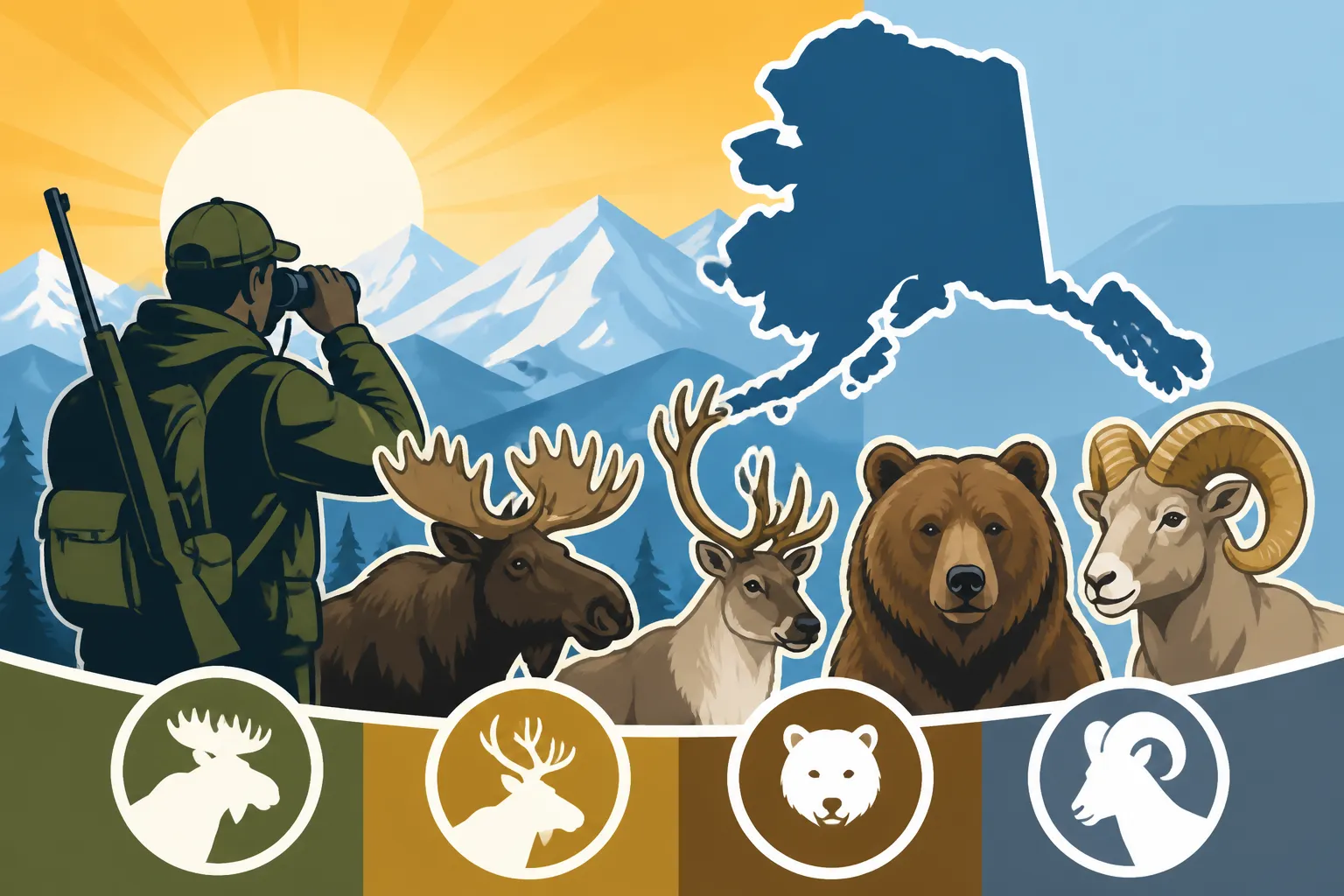
Alaska Guided Hunt Price Ranges by Species
Planning an Alaska guided hunt often feels like peering into a murky glacial lake—you know there's depth there, but it's hard to see the bottom. Many prospective hunters are overwhelmed by the sheer range of prices quoted, from what seems like an entry-level investment to figures that could easily buy a new truck. This guide aims to demystify those costs, breaking down the factors that influence guided hunt prices by species, so you can budget realistically and understand what you're truly paying for in the Last Frontier.
Understanding the Factors Influencing Guided Hunt Costs in Alaska
Before we dive into specific animals, it's crucial to grasp the overarching elements that shape the price of any guided hunt in Alaska. These aren't just arbitrary numbers; they reflect the immense effort, specialized knowledge, and significant logistical challenges involved in operating a professional hunting outfit in some of the most remote and rugged terrain on Earth.
Location, Logistics, and Species Demand
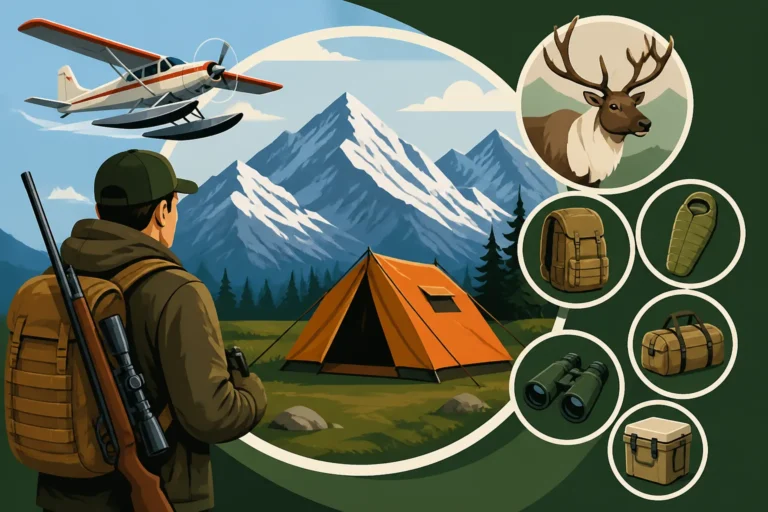
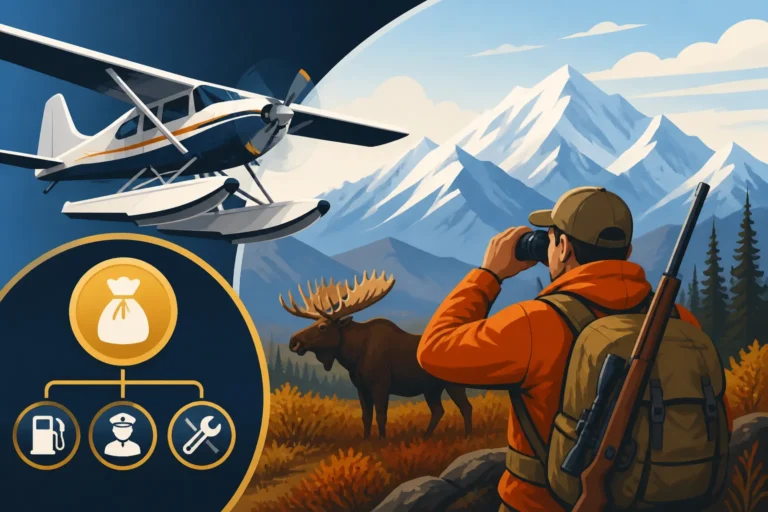
The wild places of Alaska are not easily accessed, and that remoteness is a primary driver of cost. A hunt conducted deep in the Brooks Range for Dall sheep, requiring multiple bush plane flights, specialized gear, and weeks of scouting, will inherently be more expensive than a black bear hunt accessible via ATV off a road system. Each species also presents its own logistical puzzle. Consider a moose hunt: not only do you need to find and harvest a massive animal, but then you face the Herculean task of quartering, cooling, and packing out hundreds of pounds of meat through tough terrain. Quartering a Bull Moose Alone in the Field is no small feat, and guides factor in the manpower and time required for such a recovery.
Furthermore, the demand for certain species plays a significant role. Trophy animals like brown bears and Dall sheep are highly sought after by hunters worldwide, leading to premium pricing. The limited number of permits available for some species, often through a draw system, also concentrates demand on the guides who hold concessions in prime areas.
Guide Experience and Service Level
When you book a guided hunt, you're not just paying for access; you're investing in expertise. An experienced guide brings years, often decades, of intimate knowledge about an area, animal behavior, weather patterns, and safety protocols crucial for a successful and safe hunt. Alaska has a tiered licensing system for guides, from assistant guides to registered guide-outfitters and master guides, each with specific requirements and levels of experience. Alaska Guide Licensing: Assistant, Registered and Master details this system, and generally, the more experienced and reputable the guide, the higher their rates.
The "service level" also greatly impacts the price. A "fully guided" hunt typically includes all camp accommodations, meals, trophy care, and often initial meat processing and transportation back to a staging area. In contrast, a "drop camp" arranged through an air taxi might only cover your flight in and out, leaving all camp setup, cooking, and trophy/meat handling entirely to your group. These drop camps can be a more budget-friendly option for experienced unguided hunters, but it's vital to understand the difference.
Hunt Duration and Time of Year
Most guided hunts in Alaska are structured for a specific number of days, ranging from 7 to 14 days, though some can be shorter or longer. Logically, a longer hunt requires more resources, more guide time, and more supplies, directly increasing the overall cost. Longer durations also offer more buffer for adverse weather, which is always a factor in Alaska.
The timing of your hunt within the season can also influence pricing. Peak rut periods for moose, for example, often command higher rates due to increased success odds and demand for those specific weeks. Spring bear hunts might have different price points than fall hunts due to varying logistics and objectives. For instance, Alaska Brown Bear Spring and Fall Seasons often present different challenges and opportunities that are reflected in guide fees.
Delving into Specific Species: Cost Breakdowns
Now, let's get into the nitty-gritty of what you might expect to pay for a guided hunt for some of Alaska's most iconic big game species. Keep in mind that these are general ranges; actual prices vary considerably based on the guide, the specific area, and the inclusions of the hunt package.
Brown/Grizzly Bear Hunts: The Apex Predator's Price Tag
Alaska is synonymous with big bears, and hunting a brown or grizzly bear is often a pinnacle achievement for many hunters. Nonresidents are required by law to hunt brown bears, grizzly bears, and polar bears with a licensed Alaska guide, or with a second-degree-kindred relative who is an Alaska resident. This immediately puts guided bear hunts at the higher end of the spectrum. The intense preparation, danger, and specialized knowledge required to safely and successfully guide a bear hunt contribute significantly to the cost.
Coastal vs. Interior Bears: Geographic Differences in Pricing
The term "brown bear" typically refers to the larger coastal bears, often found on the Alaska Peninsula or Kodiak Island, which grow to immense sizes due to rich salmon diets. Salmon Runs and Alaska Coastal Bear Size directly correlates to the trophy potential, and thus, the price. These coastal hunts, often boat-based or fly-in, are usually the most expensive guided options in Alaska. Interior grizzlies, while formidable, are generally smaller and found in more mountainous, often timbered, country. While still a significant investment, interior grizzly hunts can sometimes be slightly less than their coastal counterparts due to different logistical demands and, often, slightly smaller trophy potential.
Spring vs. Fall Seasons: How Timing Impacts Cost and Success Odds
Brown bear hunts occur in both spring and fall seasons. Spring hunts, often over lush green-up areas or along rivers as bears emerge from dens, can be incredibly productive for spotting large boars. Fall hunts, particularly later in the season when bears are focused on salmon streams or hyperphagic feeding before denning, offer different dynamics. Each season has its pros and cons, and guides often have different success rates or preferred methods (e.g., baiting for black bears, but not brown bears) that can affect pricing. Why Alaska Bans Baiting for Brown Bears outlines some of these regulations.
Dall Sheep Hunts: The Ultimate Mountain Challenge
Dall sheep hunting is arguably the most physically demanding and logistically complex hunt in Alaska. Chasing these white ghosts high in the mountains requires extreme fitness, specialized gear, and typically, extensive bush plane support. Nonresidents also require a guide for Dall sheep.
Physical Demands and Logistics: Specialized Gear and Remote Access
The terrain where Dall sheep live is incredibly steep, rocky, and unforgiving. Guides must be expert mountaineers and navigators. The specialized gear needed, from lightweight tents and sleeping bags to optics for all-day glassing, adds to the operational cost. Most sheep hunts are backpack hunts into extremely remote areas, meaning every piece of gear, every bit of food, and every drop of fuel for a stove must be flown in and packed on your back. The inherent risks and high skill level demanded from guides in this environment naturally elevate the price. Backpack Hunting in Alaska: Gear Weight and Meat Loads illustrates the challenges involved.
Limited Permits and High Demand: Draw Odds and Guide Availability
While there are general season sheep hunts, many of the most coveted areas are managed through a draw permit system. Alaska Draw Results Release in February is a highly anticipated date for sheep hunters. Even in general season areas, guides often have limited quotas or concessions within certain units, leading to high demand for their available slots. The combination of limited opportunity, extreme logistics, and the iconic status of the Dall sheep makes these hunts among the most expensive. Booking a sheep hunt with a reputable guide often requires planning years in advance.
Alaska-Yukon Moose Hunts: Giants of the Tundra
Hunting the Alaska-Yukon moose, the largest antlered animal in North America, is another dream for many. While nonresidents can hunt moose unguided if they choose, many opt for a guided experience due to the sheer size of the animal, the vastness of the habitat, and the complex logistics of harvesting and packing out such a large amount of meat.
Accessibility and Meat Haul Logistics: Challenges of Large Animals
Moose often inhabit wet, brushy areas, river bottoms, and burn scars that are tough to traverse. Finding a legal bull is one thing; getting it out is another entirely. Guides factor in the time, equipment (like pack frames, rafts, or even ATVs in certain areas), and manpower needed to handle the approximately 500-800 pounds of edible meat an adult bull can provide. Loading a Bull Moose Into a Raft or even Riding Out Meat Before Dark on an ATV takes considerable effort.
Rut vs. Early Season Hunts: Prime Calling Opportunities and Cost Implications
Moose hunts typically occur in late August through September. Early season hunts might focus on spot-and-stalk tactics in open areas or recent burns. However, the most iconic moose hunts take place during the rut in mid-September, when bulls are responsive to calling. Calling Bull Moose During the Alaska Rut can be an exhilarating experience, and hunts during this prime window often command a premium due to higher success rates and the excitement of vocalizing bulls. Guides with a proven track record of bringing in bulls during the rut are highly sought after.
Mountain Goat Hunts: Coastal Cliff Dwellers
Mountain goats offer a unique hunting experience, often in stunning coastal mountain environments. Like sheep and brown bears, nonresidents are required to have a guide for mountain goat hunts. These hunts are physically demanding, though perhaps slightly less technical than sheep hunts in some areas, focusing on steep, often wet, cliff country.
Physicality and Safety: Specialized Skills Needed
Mountain goat hunts demand excellent physical conditioning and a good head for heights. The terrain is frequently characterized by slippery moss, loose shale, and steep pitches. Safety is paramount, and guides must possess strong wilderness first aid skills and a deep understanding of avalanche danger and weather shifts. Alpine Navigation Without Cell Service is a critical skill for guides in these environments.
Nanny Identification and Ethical Hunting: Guide's Role in Sustainable Harvest
A crucial aspect of mountain goat hunting is identifying a legal billy (male) versus a nanny (female) to ensure sustainable harvest. Shooting a nanny, especially one with a kid, can have a disproportionate negative impact on the local population. An experienced guide's ability to accurately field judge goats from a distance is invaluable, helping hunters avoid costly mistakes. Telling a Billy From a Nanny at Distance is a skill that comes with years of observation.
Caribou Hunts: The Nomadic Herds
Caribou hunts are a popular choice for many, offering a unique opportunity to pursue migratory herds across vast landscapes. Some caribou hunts are highly accessible, while others require remote fly-in logistics, creating a wide range of price points. Nonresidents do not require a guide for caribou.
Herd Migrations and Mobility: Challenges of Locating Animals
Caribou are constantly on the move, following ancient migration routes. A successful caribou hunt often hinges on intercepting these migrating herds, which can be thousands strong or broken into smaller bands. Guides spend considerable effort scouting and tracking herd movements, often coordinating with air taxis for timely drop-offs. Fortymile Caribou Herd Range and Migration showcases the immense areas these animals cover. This unpredictable nature means guides need to be highly adaptable, sometimes relocating camps or flying hunters to new areas, all of which adds to the operational cost.
Combination Hunt Opportunities: Pairing with Other Species
Many outfitters offer caribou as part of a combination hunt, often paired with moose or a grizzly. These combo hunts can be an efficient way to pursue multiple species in one trip, and while they are more expensive than a single-species hunt, the per-animal cost might be slightly less than booking two separate hunts. This flexibility makes caribou a versatile option for guides and hunters alike.
Sitka Blacktail Deer Hunts: Coastal Rainforest Gems
For a unique experience that doesn't always break the bank compared to some other big game, a guided Sitka blacktail deer hunt in Southeast Alaska can be an excellent choice. Nonresidents do not require a guide for deer. These hunts are typically boat-based, exploring the numerous islands and drainages of the Tongass National Forest.
Boat-Based Access: Unique Logistics in Southeast Alaska
Unlike most other Alaska hunts, deer hunting in the Panhandle often involves a charter boat or skiff, cruising intricate coastlines and glassing for deer on beaches or alpine slopes. Skiff Hunting Deer Along Saltwater Beaches is a common tactic. The cost here includes the vessel, fuel, and the captain's expertise in navigating these waters and knowing where to drop hunters ashore. While still a significant investment, these hunts can offer a somewhat different price structure than fly-in backcountry trips.
Season Length and Bag Limits: Potential for Multiple Deer
Southeast Alaska often boasts generous deer seasons and bag limits, sometimes allowing for multiple deer per hunter. A successful hunter might fill multiple tags, providing substantial meat for the freezer. Guides in these areas are adept at both still hunting the dense timber and spotting deer in the alpine. Deer Above Timberline in Early August can be a productive strategy.
Black Bear Hunts: A More Accessible Option
Black bear hunts are generally the most affordable guided big game option in Alaska. Nonresidents do not require a guide for black bear. They can be pursued in spring or fall, and often provide an exciting opportunity for new hunters or those looking for a different kind of challenge.
Baiting vs. Spot-and-Stalk: Different Methods, Different Costs
Black bears can be hunted in a variety of ways. Spring hunts often involve glassing south-facing snow slides where bears are feeding on new growth. Spring Bear Hunting on South-Facing Snow Slides is a classic strategy. Fall hunts might combine spot-and-stalk with moose or caribou hunts. A common and often highly successful method is baiting. Bear Baiting in Alaska: How the Registered Site System Works is a specific regulation, and setting up and maintaining multiple legal bait stations requires significant time, effort, and resources from a guide.
Spring vs. Fall Timing: When and Where to Find Them
Spring black bear hunts, particularly in April and May, target bears emerging from their dens, often focusing on areas with early green-up. Fall hunts, in conjunction with other species or specifically for bear, can take advantage of berry patches or salmon streams. Because black bear populations are robust in many areas and the logistics can sometimes be less complex than for other species, these hunts generally represent a more entry-level price point for guided Alaska big game.
Beyond the Base Price: Hidden Costs to Consider
When budgeting for an Alaska guided hunt, it's easy to focus solely on the outfitter's quoted price. However, many significant costs lie outside that number and must be factored into your overall budget. Neglecting these can lead to unpleasant surprises.
Licenses, Tags, and Fees: The Mandatory Additions for Non-Residents
Every hunter, resident or nonresident, needs a valid Alaska hunting license. Nonresidents also need to purchase locking tags for specific big game species. These tags are not cheap; for instance, Why an Alaska Brown Bear Tag Costs $1,000 illustrates the substantial cost involved. Moose, caribou, sheep, and goat tags also represent significant expenses. Additionally, there might be federal or state access permits depending on where you hunt. Always check the current Alaska Department of Fish and Game regulations for up-to-date pricing and requirements. These are usually paid directly to the state, not through your guide, and can add several hundred to several thousand dollars to your trip.
Travel and Accommodation: Getting to Alaska and Staging for Your Hunt
Getting to Alaska is the first hurdle. Airfare to Anchorage or Fairbanks, or sometimes smaller regional hubs like Juneau or Ketchikan, can be substantial. From there, you might need additional flights on smaller commuter planes to reach a remote village where your guide operates, or to meet an air taxi. You'll also likely need hotel stays before and after your hunt, especially if you're flying in from outside. Factor in ground transportation, meals while traveling, and any gear rentals you might need before heading into the bush. Firearms Transport Through Anchorage also requires specific considerations.
Trophy Care, Meat Processing, and Shipping: What Happens After the Shot
Once you've successfully harvested an animal, the work isn't over. Your guide will provide field care for your trophy and meat, but what happens next? Are taxidermy costs included? Often not. Do you plan to do your own meat processing, or will you use a commercial processor? Shipping hundreds of pounds of frozen meat and a full-size hide back to your home state can be a significant expense, involving specialized coolers, freight costs, and adherence to airline regulations. Airline Rules for Frozen Game Meat are crucial to understand. For certain species like brown bear, you'll also need to follow specific sealing requirements and potentially CITES permits if you're an international hunter. Alaska Sealing Requirements for Bear and Wolf Hides covers these regulations.
Maximizing Value: Strategies for Booking a Guided Hunt
Navigating the world of Alaska guided hunts requires more than just knowing the price ranges; it demands a strategic approach to ensure you get the most value for your hard-earned money and have a truly memorable experience.
Booking Far in Advance and Research
The best guides and most sought-after hunt dates often book out years in advance, especially for high-demand species like brown bear and Dall sheep. Don't wait until the last minute. Start your research early, identify potential guides, and reach out to them. Reputable online platforms like GoHunt or BookYourHunt can be good starting points to explore various outfitters, compare their offerings, and read client reviews. These platforms often list available hunts and provide contact information.
When you contact a guide, ask comprehensive questions beyond just the price. Inquire about their success rates, but also delve into what those rates actually mean. Reading Guide Success Rates Honestly involves understanding if it's opportunity rate, kill rate, or harvest rate. Ask for references from past clients and actually call them. This due diligence is invaluable. Questions to Ask an Alaska Guide Before Booking could include details about camp conditions, typical shot distances, and the guide-to-hunter ratio.
Understanding What's Included and Excluded: Scrutinizing Contracts
Never assume anything is included unless it's explicitly stated in your guide contract. A clear, detailed contract is your best friend. It should specify hunt dates, species, guide-to-hunter ratio, what gear is provided (e.g., tents, sleeping bags, cooking equipment), food provisions, and what level of trophy and meat care is included. Pay close attention to clauses regarding weather delays, cancellations, and what happens if you harvest an additional animal. Guide Contracts and Deposits in Alaska emphasize the importance of having everything in writing.
For instance, some hunts include initial trophy caping and salting, while others expect you to handle some of that. Some will get your meat to the nearest town, but it's up to you to arrange further processing and shipping. Be proactive in clarifying every detail.
Considering Combination or Group Hunts: Potential Savings and Shared Experiences
If your budget is a concern, or you're keen to experience more of Alaska's diverse wildlife, consider a combination hunt. Many guides offer packages that include two or more species, such as moose and caribou, or black bear as an add-on. While the total cost will be higher than a single-species hunt, the per-animal cost can sometimes be more efficient than booking two completely separate trips, as you're already paying for the flight in and out.
Hunting with a partner or a small group can also reduce costs. Many outfits offer 2×1 (two hunters per guide) rates that are more affordable per person than 1×1 (one hunter per guide) options. While a 1×1 hunt offers a highly personalized experience, a 2×1 can be a fantastic way to share the adventure and split certain fixed costs, making it a more accessible option for many. Discuss these possibilities with potential guides as you explore options on platforms like GoHunt or BookYourHunt.
| Species | Typical Price Range (Shape) | Nonresident Guide Required? | Key Cost Drivers |
|---|---|---|---|
| Brown/Grizzly Bear | Very High | Yes | Remoteness, Danger, Trophy Demand, Specialized Logistics |
| Dall Sheep | Very High | Yes | Extreme Physicality, Remote Mountain Access, Limited Tags |
| Alaska-Yukon Moose | High | No | Meat Haul Logistics, Rut Timing, Bush Plane Access |
| Mountain Goat | High | Yes | Steep Terrain, Safety, Nanny ID, Specialized Skills |
| Caribou | Medium-High | No | Migratory Nature, Air Taxi Costs, Combination Potential |
| Sitka Blacktail Deer | Medium | No | Boat Charters, Island Logistics, Season Length |
| Black Bear | Entry-Level to Medium | No | Baiting Setup, Relative Accessibility, Combo Potential |
This table provides a general sense of the investment required. Remember, these are broad categories, and specific prices will vary wildly from one outfitter to the next and from one region of Alaska to another.
Disclaimer
This article is for general informational purposes only and does not constitute professional advice. Laws, prices and regulations vary by location and change over time. Consult a qualified professional for guidance on your specific situation.