Booking an Alaska Sheep Hunt With a Guide
The dream of hunting Dall sheep in Alaska is a powerful one, often conjuring images of rugged mountains and immense physical challenge. But for many aspiring sheep hunters, the reality of how to make that dream happen, especially when navigating Alaska's complex regulations and vast wilderness, can feel utterly overwhelming. Deciding to embark on a guided hunt is often the most practical, and sometimes the only legal, path for non-residents. This comprehensive guide will walk you through every critical step of booking an Alaska sheep hunt with a guide, from initial research to the moment you step off the mountain, ensuring you’re as prepared as possible for this once-in-a-lifetime adventure.
Why a Guide for Alaska Sheep?
The allure of the high country, the crisp alpine air, and the chance to pursue one of North America's most iconic big game animals – the Dall sheep – is incredibly strong. However, Alaska presents unique challenges that often make a guided hunt not just a preference, but a necessity, especially for those new to hunting the Last Frontier. Understanding these fundamental reasons is the first step in planning your expedition.
The Legal Requirement for Non-Residents
One of the most significant factors driving non-resident hunters toward guides is Alaska's legal framework. For certain species, including Dall sheep, non-resident hunters are mandated by law to be accompanied by an Alaska-licensed guide or a resident hunter who is a "second-degree-of-kin" relative. This isn't just a recommendation; it's a strict requirement designed to ensure ethical hunting practices and game management, as well as hunter safety in some of the world's most remote and unforgiving terrain.
Imagine spending years planning and saving for your dream sheep hunt, only to arrive in Alaska and discover you've misunderstood this critical regulation. The disappointment, not to mention the legal repercussions, would be devastating. This rule simplifies access for many, placing the burden of navigating local laws and regulations onto a professional. A good guide isn't just a companion; they are your legal representative in the field, responsible for ensuring your hunt adheres to all state statutes, from proper tag validation to Alaska Hunter Education and Orientation Requirements. They handle the nuanced details, allowing you to focus on the hunt itself.
Navigating Alaskan Terrain and Weather
Alaska's sheep country is magnificent, but it's also relentlessly harsh and unforgiving. We're talking about jagged peaks, endless scree slopes, treacherous boulder fields, and glaciers. These aren't your typical deer woods; this is true wilderness, often hundreds of miles from the nearest road or even a small village. A guide brings invaluable experience navigating this kind of landscape. They know how to read the mountains, identify safe routes, and, perhaps most crucially, how to get you out safely, especially if weather turns or an injury occurs.
The weather itself is a character in any Alaska story. Sunny, calm mornings can transform into whiteout blizzards or torrential rain within hours, even in August. Rivers swell, visibility drops to mere feet, and temperatures can plummet. An experienced guide understands these rapid changes, knows how to set up a camp that can withstand the elements, and can make critical decisions about when to push on or when to hunker down. Their intimate knowledge of specific drainages and mountain ranges can mean the difference between a successful, safe hunt and a dangerous, potentially life-threatening ordeal. Without this local expertise, even seasoned hunters can quickly find themselves in over their heads.
Understanding Dall Sheep Behavior
Dall sheep are incredibly elusive creatures, perfectly adapted to their high-alpine environment. They possess keen eyesight, an uncanny ability to navigate steep terrain, and a natural wariness that makes them a supreme challenge to hunt. Finding a legal ram, especially one that meets Alaska's often complex antler restrictions (like the full-curl rule), requires an eye for detail and an understanding of their patterns that only comes from years of observation.
A guide who specializes in sheep hunting has spent countless hours glassing mountainsides, tracking sheep movements, and learning their preferred feeding and bedding areas. They can differentiate between ewes, lambs, and rams at incredible distances, and more importantly, they can accurately How to Judge a Full-Curl Ram in the Field or count brow tines, which is crucial for legal harvest. They understand the nuances of stalking in vertical terrain, using thermals to their advantage, and predicting how a ram will react. For anyone without deep, firsthand experience in this specific pursuit, a guide's expertise in Reading Sheep Country From a Glassing Knob and understanding sheep behavior is not just helpful; it's practically indispensable for a successful and ethical harvest.
Finding the Right Guide-Outfitter
Once you've committed to a guided sheep hunt, the next monumental task is finding the right guide. This decision can make or break your entire experience, impacting not just your success rate but your safety and enjoyment in the Alaskan wilderness. It's a relationship based on trust, and careful vetting is paramount.
Starting Your Research Early
The demand for quality Dall sheep hunts in Alaska far outstrips supply. Most reputable guides book out years, sometimes even a decade, in advance. This isn't an exaggeration – prime sheep hunting dates are snatched up quickly. So, your first step needs to be initiating your research as soon as you even think about an Alaska sheep hunt. For instance, if you're aiming for a hunt five years from now, you should be actively talking to guides today.
Start by exploring online hunting forums, reading articles about successful sheep hunts, and attending outdoor expos where Alaska outfitters are often present. Websites like BookYourHunt can be a good starting point for finding a variety of outfitters, though always follow up with direct research. Pay attention to specific regions like the Dall Sheep in Alaska's Brooks and Alaska Ranges and which guides operate there, as this can give you clues about potential success and terrain. Cast a wide net initially, collecting names and contact information, then begin the process of narrowing down your choices based on reputation, specialization, and availability. Don't be afraid to reach out to multiple outfitters; a good fit is crucial.
Checking Licensing and Reputation
Alaska has a robust licensing system for its guide-outfitters, and verifying this information is non-negotiable. Every legitimate guide operating in Alaska must hold a current license issued by the state's Big Game Commercial Services Board. This board oversees all aspects of the guiding industry, ensuring standards are met and providing a mechanism for oversight. You can, and absolutely should, contact the board directly to Checking an Alaska Guide's Licence Status. Ask for their license number and then verify it. This simple step protects you from unlicensed operators who could jeopardize your hunt and leave you liable.
Beyond legal licensing, delve deep into their reputation. A guide's reputation is built on years of client experiences. Ask for a list of recent clients – not just successful ones, but a mix – and make those calls. Be prepared with specific questions about the guide's communication, camp conditions, physical demands, Bear Safety While Butchering a Kill in Alaska, and overall professionalism. Look for consistent themes in the feedback. Websites like GoHunt might offer resources or forums where hunters discuss guide experiences, providing additional avenues for due diligence. Don't shy away from asking tough questions or requesting clarification on anything that seems unclear.
Specializing in Sheep Hunts
While many guides in Alaska offer hunts for multiple species, those who truly specialize in Dall sheep often have a distinct advantage. Sheep hunting requires a very particular skillset, a deep understanding of alpine environments, and an intimate knowledge of sheep behavior. A guide who spends their entire season, year after year, pursuing sheep will likely have a far greater understanding of the nuances involved than someone who primarily guides moose or bear hunts and occasionally takes a sheep client.
When speaking with potential outfitters, ask about their percentage of sheep hunts, the areas they consistently hunt, and their experience with Full-Curl Judging From Below the Ram. Ask about their typical hunt strategy: Is it primarily spike camp-based? Do they use horses, or is it pure backpack hunting? Are they prepared for Packing a Ram Off a Cliff Face? A dedicated sheep guide will live and breathe these details. Their equipment, their staff (especially packers), and their overall approach will be geared specifically towards the rigors and demands of a high-country sheep hunt, offering you the best possible chance at success and a safer, more efficient experience.
Understanding Guide Services and Costs
The financial investment in an Alaska sheep hunt is substantial, often one of the largest expenses a hunter will ever incur. It's not just about the guide fee; there are numerous other costs and considerations that can quickly add up. A clear understanding of what's included, what's extra, and the various financial policies is absolutely essential.
What's Included in a Guided Hunt Package
When you look at the sticker price for a guided Alaska sheep hunt, it can be intimidating. These hunts are consistently among the most expensive big game hunts in North America, with a Guided Dall Sheep Hunt Price in Alaska typically reflecting the incredible effort, logistics, and expertise involved. Most reputable guide packages will include:
- Guide Services: This is your licensed guide and any assistant guides/packers needed for your hunt. They provide the expertise, navigation, and logistical support in the field.
- Accommodations: While "accommodations" for a sheep hunt typically mean a tent camp, usually a sturdy canvas wall tent for base camp and lighter backpacking tents for spike camps, this is usually covered.
- Food: Your guide will provide all meals in camp, often surprisingly good given the remote setting. However, specific dietary needs should be discussed well in advance.
- Field Transportation: This usually refers to the bush plane flights from the nearest air service hub to your base camp in the field, and back again. It's the cost of getting you into and out of the remote wilderness.
- Trophy Care: Initial field care of your ram's cape and horns, including skinning, fleshing, salting, and drying. This is crucial for preserving your trophy.
However, it's vital to clarify these inclusions explicitly in your guide contract. Don't assume anything. For example, some guides might include initial trophy shipment to a taxidermist in their base town, while others might not. Always get a detailed list of what the base fee covers.
Beyond the Base Price: Hidden Costs
The sticker price for a guided hunt is rarely the final cost. There are numerous "hidden" or additional expenses that can significantly increase your overall budget. Failing to account for these can lead to unpleasant surprises.
Here's a breakdown of common additional costs:
- Hunting License and Tags: For non-residents, Alaska hunting licenses and species-specific locking tags (like for Dall sheep) are separate expenses from the guide fee. These must be purchased directly from the state. You can find out more about Alaska Big Game Locking Tags and What Each Costs.
- Travel to Alaska: Flights to Anchorage or Fairbanks, then potentially connecting flights to smaller regional hubs (like Kotzebue, King Salmon, or McGrath), are your responsibility.
- Hotels and Meals Pre/Post-Hunt: You'll likely need hotel stays and meals in town before flying out to camp and after returning.
- Meat and Trophy Shipping: While field care is usually included, the cost of flying your meat and trophy from the bush plane drop-off point to Anchorage, then to your home state or chosen taxidermist, is almost always extra. This can be substantial. Shipping an Alaska Bear Hide to a Taxidermist is a similar process that can be quite costly.
- Gratuities: Tipping your guide and any packers/cooks is customary in the guiding industry and should be factored into your budget. Standard gratuities often range from 10-20% of the hunt cost, depending on performance and client satisfaction.
- Gear: High-quality gear for an Alaska sheep hunt is expensive. This includes everything from a suitable rifle and optics to specialized clothing, sleeping systems, and backpacks. A Gear Lists Alaska Guides Send Before a Hunt will give you a good idea of what's needed.
- Expedited Travel/Extra Bush Flights: If weather delays your pickup, or if you request an additional flight for meat, these can incur significant extra charges.
- Satellite Communication: While guides often have satellite phones, personal devices like an inReach for communicating with family are a good idea and have a subscription cost.
- Taxidermy: The actual cost of mounting your trophy is a separate, significant expense.
A good guide will be transparent about these potential additional costs. Don't hesitate to ask for a comprehensive breakdown of everything you could expect to pay beyond the base hunt fee.
Deposits, Payments, and Cancellation Policies
Guide services typically require a substantial non-refundable deposit to secure your hunt dates, sometimes as much as 50% of the total hunt cost. The remaining balance is usually due a set number of days or months before the hunt begins. It's crucial to understand these payment schedules and adhere to them.
Cancellation policies vary widely among outfitters, but generally, deposits are non-refundable. If you cancel, you might forfeit your entire deposit, or in some cases, if you cancel close to the hunt date, the entire hunt fee. Some guides may allow you to roll your deposit over to a future year if they can fill your spot, but this is entirely at their discretion and often comes with a rebooking fee.
This is where trip insurance becomes incredibly important. Given the significant investment, unforeseen circumstances like medical emergencies, family issues, or even travel delays due to extreme weather can derail your plans. Hunt Insurance for Cancellations can protect your financial investment, reimbursing you for lost fees if you have to cancel for a covered reason. Always read the policy carefully to understand what is and isn't covered. Never assume flexibility; always refer to the written contract.
Preparing for Your Sheep Hunt
A Dall sheep hunt is arguably one of the most physically and mentally demanding hunts you can undertake. It's not a casual outing; it's an expedition into high-altitude, remote, and often rugged country. Proper preparation in the months, and even years, leading up to your hunt is non-negotiable for success and safety.
Physical Fitness and Training Regimen
This cannot be stressed enough: an Alaska sheep hunt will test your physical limits. You'll be climbing thousands of vertical feet daily, often with a heavy pack, across unstable terrain like scree, shale, and boulder fields. Even if you're relatively fit, specific training is required. Your guide will expect you to arrive in top physical condition. Fitness Expectations on an Alaska Sheep Hunt are very high for a reason; you need to be able to keep up and perform safely.
Your training regimen should be designed to simulate the demands of the hunt. This means:
- Cardiovascular Endurance: Regular hiking, trail running, or cycling to build a strong aerobic base. Aim for workouts that last several hours, mimicking a full day of hunting.
- Strength Training: Focus on leg and core strength. Squats, lunges, step-ups, and deadlifts are essential. Don't neglect upper body strength, as you'll be using trekking poles and potentially pulling yourself up steep sections.
- Hiking with a Pack: Critically important. Start with a moderate weight and gradually increase it. Train on varied terrain, including steep hills, if possible. Your goal should be to comfortably carry a 40-50 pound pack for extended periods, and train for the possibility of carrying a much heavier load of meat (70-100+ lbs) on the pack out.
- Altitude Acclimatization (if possible): While most Alaska sheep hunts aren't at extreme altitudes like the Rockies, you'll still be at elevations where oxygen is noticeably thinner than sea level. If you live at a lower elevation, incorporate some high-altitude training if feasible.
Consider working with a fitness trainer specializing in mountain hunting preparation. They can create a personalized Training for a Backpack Sheep Hunt plan to maximize your readiness. Ignoring this aspect of preparation is a recipe for misery, potential injury, and a ruined hunt.
Gear Selection for Extreme Conditions
The right gear is your lifeline in Alaska. The wrong gear can lead to discomfort, equipment failure, or even hypothermia. Alaska's weather is famously unpredictable, and your gear needs to be versatile enough to handle everything from warm sun to driving rain, snow, and freezing temperatures, sometimes all in the same day.
Key gear considerations include:
- Layering System: A high-quality merino wool or synthetic base layer, insulating mid-layers (fleece or puffy jacket), and a bomb-proof waterproof/breathable outer shell are critical. Avoid cotton entirely.
- Footwear: Sturdy, waterproof, broken-in mountain boots with excellent ankle support are paramount. Many hunters also bring camp shoes or crocs for relief.
- Pack: A comfortable, high-capacity backpack (6,000-8,000+ cubic inches) designed for heavy loads is essential. It needs to fit properly and distribute weight effectively.
- Sleeping System: A warm sleeping bag rated for well below freezing temperatures (0 to -20 degrees Fahrenheit is not uncommon) and an insulated sleeping pad are crucial for restful sleep in cold camps.
- Optics: High-quality binoculars (10×42 or 12×50) are your most important tool for glassing. A spotting scope (20-60x or 25-50x) is critical for identifying rams and Spotting Scope Power for Ram Judging. Don't skimp here.
- Navigation: A reliable GPS device with pre-loaded maps and a satellite communication device like an inReach or satellite phone are non-negotiable for safety, especially for Alpine Navigation Without Cell Service. Always have a physical map and compass as a backup.
- Weapon: A flat-shooting, accurate rifle chambered in a cartridge suitable for sheep (e.g., .270 Win, .280 Rem, 7mm Rem Mag, .300 Win Mag) is common. Practice shooting from various field positions, including prone, kneeling, and from a backpack.
Your guide will provide a detailed Gear Lists Alaska Guides Send Before a Hunt, but it's your responsibility to acquire and test everything thoroughly before your hunt. Don't try new gear in the field for the first time.
Mental Fortitude and Realistic Expectations
Beyond the physical demands, a sheep hunt places immense strain on your mental resolve. You'll likely experience periods of extreme discomfort, frustration, and doubt. The weather can be miserable for days on end, the sheep can seem to disappear, and the climbing can feel endless. Mental toughness is just as important as physical strength.
Set realistic expectations for your hunt. Not every hunter will harvest a ram, even with the best guide. The mountains, the weather, and the sheep themselves dictate the outcome more than anything else. Focus on the experience, the challenge, and the adventure, not solely on the outcome. Understand that success rates, even for top guides, are often in the 60-80% range, meaning a significant portion of hunters don't take an animal home.
Cultivate patience and a positive attitude. Being mentally prepared for setbacks, long days of glassing with no sightings, and difficult conditions will help you persevere and enjoy the journey, regardless of the final result. Your guide will appreciate a client who remains positive and resilient in the face of adversity. This hunt is about more than just a trophy; it's about pushing your limits and experiencing true wilderness.
The Booking Process: Contracts and Communication
Navigating the administrative side of booking an Alaska sheep hunt is just as critical as your physical preparation. A well-understood contract and clear, consistent communication with your guide will prevent misunderstandings and ensure a smoother experience.
Reviewing the Guide Contract
The guide contract is the legal agreement between you and your outfitter. It outlines the terms of your hunt, financial obligations, responsibilities of both parties, and crucial details about the services provided. Read every single line of it. Do not sign anything you don't fully understand or agree with.
Key elements to pay close attention to in the contract include:
- Hunt Dates and Duration: Confirm the exact start and end dates of your hunt, including travel days.
- Species and Bag Limit: Clearly state that you are hunting Dall sheep and confirm the legal bag limit (usually one ram per year, adhering to specific antler rules).
- Inclusions and Exclusions: This reiterates what the guide fee covers (e.g., guide, food, field transportation, initial trophy care) and, just as importantly, what it doesn't cover (e.g., license, tags, additional travel, tips, taxidermy, shipping).
- Payment Schedule: Clearly defined deposit amounts, due dates for the remaining balance, and acceptable payment methods.
- Cancellation and Refund Policy: This is critical. Understand the terms under which you might lose your deposit or full payment if you cancel, or if the guide cancels. This is where Hunt Insurance for Cancellations becomes a vital consideration.
- Liability and Indemnification: This section typically outlines the inherent risks of hunting in remote Alaska and often states that you assume responsibility for those risks. Ensure you are comfortable with these terms.
- Force Majeure Clause: This details what happens if circumstances beyond anyone's control (e.g., extreme weather, natural disaster, governmental closures) prevent the hunt from occurring as planned.
- Trophy Care and Shipping: Specifics on what level of field care is provided and who is responsible for subsequent shipping costs and arrangements.
If anything is unclear, ask for clarification in writing before signing. Don't be shy; this is a significant investment.
Pre-Hunt Communication and Planning
Once your hunt is booked and the contract is signed, consistent and clear communication with your guide is paramount. This isn't a one-time conversation; it's an ongoing dialogue that should intensify as your hunt date approaches.
- Regular Check-Ins: Establish a schedule for communication. This might be monthly initially, then weekly in the last couple of months.
- Gear Lists and Recommendations: Your guide will provide a detailed gear list. Review it carefully and ask questions about specific items. They often have strong preferences based on their experience.
- Physical Preparation: Keep your guide updated on your training progress. They might offer additional tips or insights based on their knowledge of the terrain you'll be hunting.
- Logistics Coordination: Discuss flight arrangements, hotel stays, and any ground transportation needed from the airport to the bush plane charter. Coordinate arrival and departure times for your bush flights.
- Medical Information: Inform your guide of any medical conditions, allergies, or medications you take. This is crucial for your safety in remote areas.
- Expectations: Reconfirm expectations about the style of hunt (e.g., spike camps, base camp), the physical demands, and the general daily routine.
Think of your guide as your partner in this endeavor. The more information you share and the more questions you ask, the better prepared both of you will be for a successful and safe hunt.
Logistics: Travel, Tags, and Field Prep
The journey to an Alaska sheep hunt often involves multiple layers of logistics that need careful planning and execution. It's not just showing up at a trailhead; it's a complex dance of flights, permits, and last-minute preparations.
- Travel Arrangements: Book your flights to Alaska and any connecting bush flights well in advance. Keep in mind that bush plane weight limits are strict, so pack efficiently. Your guide or air charter will advise on specific limits.
- Licenses and Tags: Purchase your Alaska hunting license and Dall sheep locking tag online or from a vendor well before your departure. Ensure you understand When to Attach an Alaska Locking Tag After the Kill and all other requirements. Also, many sheep hunts require a mandatory hunter orientation; make sure you complete Alaska Sheep Hunter Orientation Deadline requirements.
- Firearms Transport: Understand airline regulations for transporting firearms and ammunition. Firearms must be unloaded, in a locked, hard-sided case, and declared at check-in. Ammunition often has separate rules regarding quantity and packaging.
- Final Gear Check: Before flying out to your remote camp, take time in town to do a final gear check. Ensure everything is packed, nothing is forgotten, and all electronics are charged. This is also a good time to get any last-minute perishable food items if your guide provides a list.
- Emergency Contacts and Plans: Leave a detailed itinerary with a trusted person back home, including your guide's contact information and bush plane charter details. Establish a check-in schedule using your satellite communication device. This creates a safety net in case of emergencies, complementing your guide's own Emergency Evacuation Plans in Remote Alaska.
By meticulously planning these logistics, you minimize stress and potential delays, allowing you to arrive in the field focused and ready to hunt.
Life in a Guided Sheep Camp
Once you're flown into the remote Alaskan wilderness, life takes on a different rhythm. Days are structured around the pursuit of sheep, punctuated by the relentless demands of the mountains. Understanding this daily routine and being prepared for the unique challenges of a sheep camp is key to a rewarding experience.
Daily Routine and Hunting Strategy
A typical day in a guided Alaska sheep camp starts early, often before first light, with a quick breakfast and coffee. The primary activity is glassing – using binoculars and spotting scopes to meticulously scan distant mountainsides for any sign of sheep. This is where your high-quality optics earn their keep, enabling your guide to Glassing at First Light Versus Midday to find rams. Patience is a virtue, as hours can pass without spotting a legal animal.
Once a ram is located and evaluated (often requiring significant time with the spotting scope to ensure it's a legal full-curl), the real work begins: the stalk. This can involve hours of hiking, climbing, and crawling across brutal terrain to get into a shooting position. The guide will lead the way, utilizing terrain features to remain out of sight of the sheep. Shooting positions in sheep country are rarely ideal, often requiring creative solutions on steep, uneven ground. Once the shot is taken, the hard work of recovery, quartering, and preparing the meat and trophy for the pack out begins.
Evenings in camp are spent rehydrating, eating a hearty meal, discussing the day's events, and planning for tomorrow. Gear is organized, notes are taken, and sometimes stories are shared. It's a demanding cycle, but each day brings you closer to your goal and deeper into the wilderness experience.
Bear Safety and Field Preparedness
You are hunting in Alaska, which means you are in bear country, whether it's brown bears or black bears. While Dall sheep prefer higher alpine terrain, bears can be found anywhere there's food, and they are incredibly opportunistic. Your guide will be highly experienced in bear safety protocols, but you, as the client, also have a critical role to play.
- Carrying Protection: Your guide will likely carry a firearm for bear defense, and you should be prepared to do the same if you are comfortable and legally permitted. Understand the difference between Bear Spray Versus Rifle at Close Range and when each might be appropriate.
- Food Storage: All food and scented items will be stored securely, often in bear-resistant containers or hung from trees, away from sleeping areas. Bears have an incredible sense of smell.
- Meat Management: After a kill, special care must be taken with the meat. It should be removed from the kill site as quickly as possible, cooled, and hung out of bear reach in game bags that breathe in coastal rain. Establishing a Bear Fence Setup at a Meat Cache might be necessary if conditions allow.
- Awareness: Always be aware of your surroundings. Scan the terrain, particularly when moving through dense brush or near water sources. Make noise while hiking to avoid surprising a bear.
- Field Protocol: Listen to and follow your guide's instructions implicitly regarding bear safety. They have the experience to assess situations and act appropriately. When Working a Kill Site in Grizzly Country, your guide’s directions are paramount.
The presence of bears is simply a reality of hunting in Alaska. Being prepared and respectful of their domain is key to a safe hunt.
Meat and Trophy Care After the Kill
The moment you harvest a Dall ram, the hardest work often begins. Alaska has strict Packing Out Meat in Alaska: The Salvage Law Hunters Must Follow, meaning all edible meat must be salvaged. For Dall sheep, this means quarters, backstraps, tenderloins, neck, and sometimes ribs. This meat is prized and must be handled carefully to preserve its quality.
- Field Dressing and Quartering: Your guide will expertly field dress and quarter the ram. This is hard, messy work, often done on steep terrain. You will be expected to assist. The goal is to quickly cool the meat and prepare it for transport.
- Game Bags: Meat will be placed in breathable game bags to protect it from flies and allow it to cool properly.
- Trophy Care: The cape (skin with hair for a shoulder or life-size mount) and horns require meticulous attention. The guide will skin the cape, flesh it, turn the ears and lips, and then salt it heavily to prevent spoilage. The skull plate will also be removed, and care taken to clean the horns. This initial field care is vital; poor care here can ruin a trophy.
- Packing Out: This is where your physical training truly pays off. You'll likely be carrying a significant load of meat, cape, and horns off the mountain. This often involves multiple trips or the help of packers. Packing a Ram Off a Cliff Face is not uncommon, and it's extremely strenuous work.
- Sealing Requirements: Once the trophy is out of the field, specific parts (like horns) might need to be sealed by the Alaska Department of Fish and Game within a certain timeframe. Your guide will advise on Horn Plugging and Alaska's Sealing Deadline and where to get this done.
Proper meat and trophy care is not just about bringing home souvenirs; it's about respecting the animal and adhering to ethical hunting practices.
Post-Hunt Logistics and Follow-Up
The hunt doesn't truly end when you pull out of camp. There's a whole layer of logistics and follow-up that needs attention to ensure your hard-earned trophy and meat make it home safely and legally.
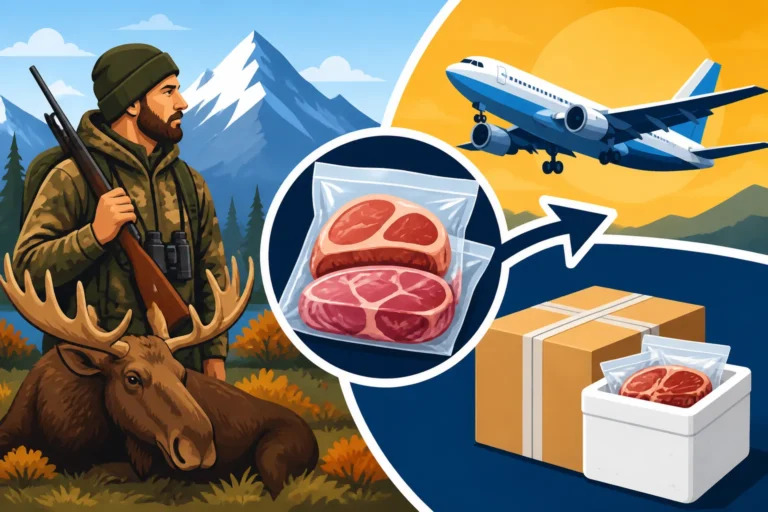
Shipping Meat and Trophies Home
Getting your meat and trophy from a remote Alaska camp all the way to your home or taxidermist can be a complex and expensive process. Your guide will typically help coordinate the initial stages, but the ultimate responsibility and cost usually fall on you.
- Bush Plane to Air Charter Base: The bush plane will fly your meat and trophy out from the field to a more accessible air charter base or nearest town.
- Freezing and Packaging: From there, the meat often needs to be taken to a local processor or cold storage facility to be frozen solid and properly packaged for air transport. Many small towns or air charter services have arrangements for this. Expect charges for freezing and boxing.
- Air Cargo: Shipping frozen meat and capes via air cargo can be costly. You'll need to coordinate with an airline that handles perishables and has specific rules for game meat. They often require the meat to be frozen solid and packed in wax-lined boxes or coolers.
- Shipping Horns/Antlers: Horns can often be shipped as oversized baggage or cargo, sometimes on separate flights from the meat due to size and weight. Make sure they are thoroughly cleaned and all required tags are securely attached.
- Taxidermist Coordination: If you're using a taxidermist in Alaska, they can often pick up your trophy from the air cargo facility. If you're shipping to a taxidermist in your home state, you'll need to arrange for them to receive it from the airport.
- Permits: For certain species, like brown bears (not sheep, but good to be aware), CITES permits might be required for interstate or international transport. While not typically an issue for Dall sheep, always double-check any specific export requirements, particularly for horns or skulls.
This process can be time-consuming and expensive. Budget accordingly, and be patient with the various entities involved.
Sharing Your Experience and Feedback
After the dust settles and you've had time to reflect on your incredible journey, it's a valuable practice to provide feedback on your guiding experience. This helps other hunters and provides valuable information to the guide themselves.
- Guide Evaluation: Alaska's Big Game Commercial Services Board has a client evaluation process where you can submit feedback on your guide's performance. This is an important part of accountability and helps maintain standards in the industry.
- Online Reviews: Share your experience on reputable hunting forums, review sites, or platforms like BookYourHunt or GoHunt. Be honest, fair, and objective. Highlight what went well and areas where improvements could be made. This helps future hunters make informed decisions.
- Direct Communication: Provide direct, constructive feedback to your guide. A professional outfitter will appreciate honest input that can help them refine their services. Thank them for their efforts and the experience, regardless of the outcome.
- Photos and Storytelling: Share your photos and stories with friends, family, and the broader hunting community. These hunts are truly extraordinary, and inspiring others to appreciate and participate in ethical wilderness hunting is a great way to give back.
- Hunt Reports: Consider writing a detailed hunt report for a magazine or an online platform. Sharing the trials, tribulations, and triumphs can be incredibly valuable for those planning their own sheep hunt.
Booking and undertaking an Alaska sheep hunt with a guide is a monumental endeavor, but with meticulous planning, thorough preparation, and realistic expectations, it can be the adventure of a lifetime. The jagged peaks, the silent expanses, and the majestic Dall sheep offer an experience found nowhere else on Earth.
Disclaimer
This article is for general informational purposes only and does not constitute professional advice. Laws, prices and regulations vary by location and change over time. Consult a qualified professional for guidance on your specific situation.