Getting to Afognak by Floatplane or Boat
Dreaming of an Alaska hunt means often picturing vast, roadless expanses where big game roam freely, far from the crowds. Afognak Island, just north of Kodiak Island, embodies this wild ideal perfectly, but getting there presents a unique logistical puzzle for any hunter. This guide will meticulously lay out the different ways to access Afognak, from the swift floatplane to the sturdy boat, helping you prepare for the realities of an island hunt in one of Alaska's most rugged and rewarding landscapes.
Why Afognak Island for Hunting?
Afognak Island is a wild jewel in the Kodiak Archipelago, beckoning hunters with its dense Sitka spruce forests, rugged coastline, and a thriving population of several premier game species. It's not a destination for the faint of heart or the poorly prepared, but for those who commit, it offers an unforgettable Alaskan experience. The sheer scale and remoteness can be intimidating, but that’s precisely what preserves its unique character and abundant wildlife. Understanding what draws hunters here is the first step in appreciating the journey required to reach its shores.
What Afognak Offers Hunters
The primary draw for many hunters to Afognak Island is its robust population of Roosevelt elk, which were transplanted here over a century ago. These magnificent animals roam the dense timber and open meadows, offering a challenging and highly sought-after hunt. Beyond the elk, Afognak also boasts a healthy population of Sitka blacktail deer, providing excellent opportunities for both subsistence and trophy hunters, often in the very same areas where elk might be found. You'll also encounter the island's impressive brown bears, a testament to the rich ecosystem and a constant reminder to stay bear-aware. Additionally, black bears are present, often with beautiful color phases. The diverse game species mean that hunters can often plan multi-species trips, maximizing the adventure once they've made the journey to the island.
The island's diverse habitat, from thick timber to marshy lowlands and rocky beaches, supports this incredible array of wildlife. Navigating this terrain requires careful planning and physical stamina, but the rewards are tangible. Imagine tracking elk through a misty spruce forest, hearing their bugles echo across a secluded cove, or spotting a plump Sitka blacktail buck browsing near the beach. These are the moments that Afognak delivers, making the effort to get there entirely worthwhile. It’s truly a world apart, where the wild dominates and the hunter feels fully immersed in the natural order.
The Allure of Island Hunting
Island hunting, especially in a place like Afognak, offers a distinct experience that sets it apart from mainland hunts. There's an inherent sense of isolation and self-reliance that comes with being on an island, surrounded by vast stretches of ocean. This isolation often translates into fewer human encounters and a more pristine wilderness experience. The boundaries are clear: once you're there, you're truly removed, relying on your skills and preparation. This can be both exhilarating and daunting, but it builds a profound connection to the land and the hunt.
However, this allure comes with its own set of challenges. Weather on the coast can change in an instant, turning calm seas into treacherous waters or clear skies into dense fog. This unpredictability can impact travel plans, necessitating extra days built into your schedule for both getting to and from the island. Moreover, the logistics of transporting gear, food, and eventually meat and trophies off an island are significantly more complex than a road-system hunt. You need to consider every detail, from proper meat care in potentially humid coastal conditions to ensuring your communication devices work reliably. Yet, for many veteran hunters, these very challenges are part of Afognak's powerful draw, forging character and unforgettable memories.
Accessing Afognak by Floatplane
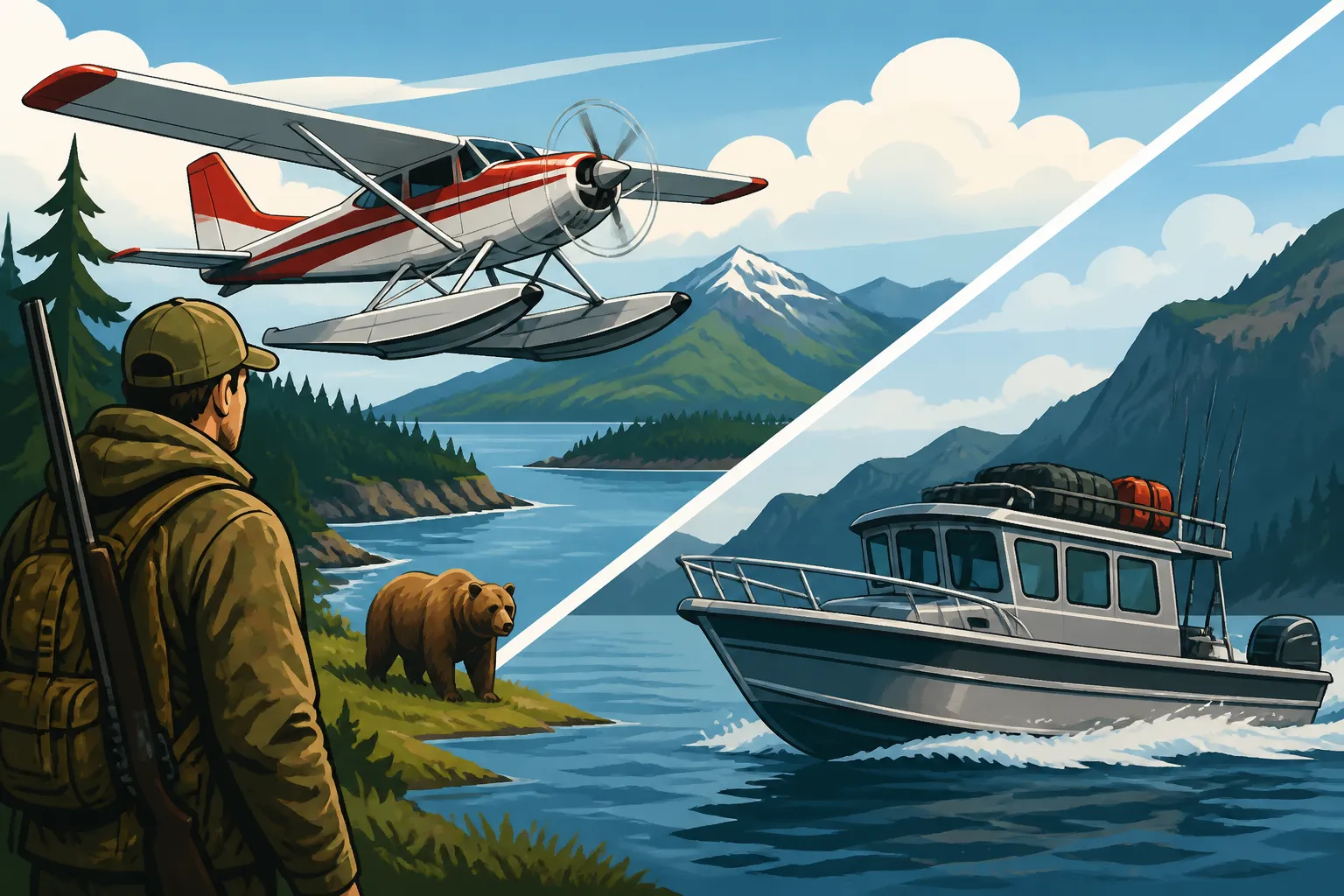
For many hunters, a floatplane represents the quickest and most direct route to Afognak Island's interior. After all, the island is riddled with countless lakes and sheltered coves, providing perfect landing zones for these specialized aircraft. It cuts down on travel time significantly compared to a boat, getting you into prime hunting areas swiftly. However, this convenience comes with its own set of considerations, from selecting the right air taxi to managing your gear within strict weight limits. Understanding these nuances is crucial for a successful fly-in hunt.
Choosing an Air Taxi Service
Selecting the right air taxi is paramount for your Afognak adventure. You’re not just booking a ride; you’re entrusting your safety, your gear, and the success of your hunt to this operator. Start by looking for reputable companies based out of Kodiak, as they will have the most experience flying into the unpredictable conditions of the archipelago. Ask about their safety record, the types of aircraft they operate (and their specific cargo capacities), and how long they've been flying hunters into Afognak. A good transporter will be transparent about their operations and happy to answer all your questions. It's also wise to check references from previous clients, especially those who have hunted the same areas you're targeting.
Beyond just getting you there, a reliable air taxi service understands the unique needs of hunters. They can offer advice on suitable landing spots, provide current information on local conditions, and help you strategize your drop-off and pick-up plan. Remember, their knowledge of the area is invaluable. Make sure to discuss their communication protocols and what kind of backup plans they have in place for weather delays or emergencies. For non-residents, understanding what a transporter can and cannot legally provide is key, as they are not guides. Fly-In Hunting: Working With an Alaska Transporter Pilot goes into more detail about this critical relationship.
Logistics of Floatplane Travel
The biggest logistical hurdle with floatplane travel is almost always weight. These aircraft have strict payload limits, and every ounce counts. You’ll need to be meticulous in packing only the essentials, often sharing communal gear like tents and cook stoves with your hunting partners. Think lightweight and multi-purpose for everything you bring. It's common for air taxis to have a per-person weight allowance, and exceeding it will either mean leaving gear behind or paying for extra "deadhead" flights, which can quickly inflate your budget. Always confirm these limits well in advance.
Booking your floatplane well in advance is also critical, especially for prime hunting dates. Many operators are booked a year or more out, so plan accordingly. Weather, as mentioned, is another huge factor. Coastal Alaska weather can shift dramatically, and fog, high winds, or heavy rain can ground planes for days. Build buffer days into your travel schedule, both before and after your hunt, to account for potential delays. Imagine being stuck in camp, meat ready to go, and your pilot can't fly in. These scenarios are real, and preparedness for them is paramount. This includes understanding rules like Alaska's Same-Day-Airborne Rule and What It Bans if you intend to spot game from the air.
Drop-Off and Pick-Up Considerations
When it comes to drop-off, your pilot will typically help you select a suitable lake, river, or coastal cove for landing. These spots need to be safe for the aircraft, accessible for unloading gear, and strategically located near your intended hunting grounds. Once on the ground, establishing a secure camp and knowing your surroundings is vital, especially given Afognak's robust brown bear population. Think about where you'll cache meat and how you'll keep camp clean and bear-proof. Hanging Meat Out of Bear Reach is not just a good idea, it's often a necessity.
For pick-up, clear communication is everything. While many air taxis will have a pre-arranged pick-up date, conditions can change. Carrying a reliable satellite communication device, like an InReach or satellite phone, is non-negotiable. This allows you to check in regularly with your pilot, confirm your pick-up, and, crucially, signal for help if an emergency arises. Discuss emergency protocols with your air taxi service before you leave, ensuring everyone is on the same page regarding check-in schedules and what to do if contact is lost. Signal Devices and Check-In Plans for Solo Alaska Hunts offers excellent advice on staying connected.
Navigating to Afognak by Boat
While floatplanes offer speed and direct access to interior lakes, accessing Afognak by boat presents a completely different, and for some, preferred, experience. The island’s extensive coastline, dotted with countless bays, coves, and river mouths, makes it highly suitable for marine access. Whether you’re chartering a vessel or using your own, boat access provides flexibility, greater cargo capacity, and the unique opportunity to hunt the island’s productive coastal zones. This method often appeals to those who prefer a base camp on the water or want to explore multiple coastal areas.
Chartering a Boat
If you don't own your own boat, chartering one from Kodiak is a viable option. You'll find a range of services, from simple drop-off and pick-up services to full-service "mothership" hunts where you live aboard the boat, launching daily excursions by skiff or on foot. A simple drop-off charter will get you to a predetermined beach or cove, allowing you to establish a shore-based camp. This option provides significant cargo capacity, allowing you to bring more comforts, larger tents, and additional provisions that floatplanes simply can't accommodate.
Mothership hunts, while typically more expensive, offer unparalleled flexibility and comfort. Your captain can move the boat to different hunting areas as needed, reacting to game movement or changing weather patterns. You'll have a warm, dry place to return to each evening, hot meals, and the ability to process meat on board. When considering a charter, always discuss what's included in the price, such as fuel, crew, food (for mothership hunts), and any limitations on drop-off points or duration. Be upfront about your hunting goals and the species you’re targeting, as the captain’s local knowledge can be invaluable.
Using Your Own Vessel
For experienced mariners, particularly those based in Kodiak, using a personal boat for an Afognak hunt offers the ultimate in independence and flexibility. This allows you to set your own schedule, explore areas off the beaten path, and return to your own comfortable vessel. However, this approach demands significant preparation and expertise. Coastal Alaska waters are unforgiving, with strong currents, unpredictable tides, hidden reefs, and sudden storms. Your boat must be sea-worthy, properly equipped with all necessary safety gear, and you must possess strong navigational skills.
Before heading out, meticulously plan your route, paying close attention to tide tables and marine forecasts. Carry multiple forms of navigation, including paper charts, a reliable GPS with updated maps (an app like onX Hunt can be incredibly helpful for coastal detail and inland travel from the beach), and a compass. Ensure you have ample fuel, a well-stocked first-aid kit, and emergency communication devices like a VHF radio and satellite messenger. Remember, once you leave Kodiak, you're largely on your own. Boat-Based Deer Hunting on Alaska's Island Coastlines discusses many of the specific challenges and rewards of this kind of hunt. Also be aware of Alaska Black Bear Seasons and Bag Limits if you plan to target them from your vessel.
Kodiak as a Gateway
Whether you choose a floatplane or a boat, Kodiak City serves as the indispensable gateway to Afognak Island. It’s the primary hub for air taxi services, boat charters, and essential supplies. Most hunters will fly into Kodiak, then spend at least one night to finalize preparations. This is your last chance to pick up any forgotten gear, purchase groceries, obtain your hunting license and tags, and arrange for meat processing and shipping if you’re successful.
Kodiak offers numerous hotels, restaurants, and outdoor gear stores that cater specifically to hunters and fishermen. Use this time wisely to double-check all your gear, especially the items most prone to being forgotten, like game bags or proper rain gear. It's also a great opportunity to connect with your air taxi pilot or boat captain in person, review your plans, and get any last-minute local intel. Think of Kodiak as your logistical staging ground; a well-organized stay here can make all the difference once you head out to the wilder reaches of Afognak. Planning your travel through Unit 8 and the Kodiak Archipelago is the first step in any Afognak adventure.
Planning Your Afognak Hunt Access
Getting to Afognak is only half the battle; ensuring you can safely navigate, stay prepared, and comply with all regulations once you’re there is equally critical. The wild beauty of the island is matched only by its unforgiving nature, making meticulous planning not just a recommendation, but a necessity. From understanding the terrain to having contingency plans for every imaginable scenario, your preparedness will dictate the success and safety of your hunt.
Mapping and Navigation Tools
Even with a pilot or boat captain guiding your initial access, once you’re on the ground or operating independently, you are responsible for your own navigation. Afognak’s dense forests, rolling hills, and intricate coastline can be disorienting, especially in adverse weather. A combination of tools is best: physical topographic maps are essential as a backup to electronic devices. A robust GPS unit with detailed maps, loaded with waypoints for your camp, landing zones, and potential hunting areas, is non-negotiable.
Modern smartphone apps, such as onX Hunt, can be incredibly valuable, offering satellite imagery, landowner information (if applicable, though most of Afognak is public or Native Corp land), and the ability to mark waypoints and track your movements. Always download offline maps before you leave civilization, as cell service is virtually nonexistent on Afognak. Ensure all your navigation devices have fresh batteries, and carry spares. Consider a portable power bank for recharging. Downloading Offline Maps Before a Fly-In is a critical step many hunters overlook.
Weather and Emergency Preparedness
Coastal Alaska weather is famously fickle. A sunny morning can turn into a gale-force storm or thick fog bank within hours, and you need to be ready for anything. Pack high-quality rain gear and insulating layers, even in late summer or early fall. Your camp needs to be robust enough to withstand strong winds and heavy precipitation. Beyond comfort, extreme weather can create dangerous situations, such as hypothermia, or complicate recovery efforts if an animal is downed. Always carry extra food, water filtration, and emergency shelter.
Emergency preparedness extends beyond just gear. Have a detailed emergency plan that all members of your party understand. This includes knowing basic first aid, how to signal for help, and who your emergency contact is back home. They should have a copy of your float plan or hunting itinerary, including your expected return date and contact information for your air taxi or charter. While an InReach or satellite phone allows direct communication, having a plan for Emergency Evacuation Plans in Remote Alaska is paramount. Afognak is also prime brown bear habitat, so carry bear spray, know how to use it, and understand Bear Safety While Butchering a Kill in Alaska.
Permits and Regulations
Before you even step foot on Afognak, you must be fully compliant with all Alaska hunting regulations. This includes purchasing the appropriate hunting license, locking tags for the species you intend to hunt (elk, deer, brown bear, black bear), and any specific permits that might be required for certain areas or species. Afognak is part of Unit 8 and the Kodiak Archipelago, and specific rules can apply here. Be aware of hunt deadlines, bag limits, and any antler or horn restrictions.
Some portions of Afognak Island are owned by Native Corporations, such as Afognak Native Corporation or Koniag, Inc. Hunting on these private lands typically requires a separate access permit, often for a fee, in addition to your state hunting license and tags. Always research land status carefully and obtain all necessary permits well in advance. Ignorance of the law is not an excuse, and violations can result in hefty fines, loss of hunting privileges, and confiscation of game. Thoroughly review the current Alaska hunting regulations booklet and ensure you understand all requirements, including the reporting deadlines for Alaska Hunting Seasons and Tag Rules Explained and the cost of Alaska Big Game Locking Tags and What Each Costs.
Floatplane vs. Boat Access Comparison
To help you decide which method of access might be best for your Afognak adventure, here's a quick comparison:
| Feature | Floatplane Access | Boat Access |
|---|---|---|
| Speed | Faster, direct flight to interior lakes/coves. | Slower, often requires more travel time from Kodiak. |
| Cargo Capacity | Very limited; strict weight restrictions apply. | Significantly higher, allowing for more gear, food, comforts. |
| Flexibility | Accesses interior regions; weather dependent. | Explores coastline; can move camp; also weather dependent. |
| Cost | Per person/load based on distance; can be high. | Daily charter rates or fuel costs for personal vessel. |
| Comfort | Primitive spike camps typically. | Can be primitive (shore camp) or very comfortable (mothership). |
| Access Areas | Lakes, rivers, sheltered coves. | Beaches, estuaries, coastal coves. |
| Skill Required | Minimal for passenger; pilot handles navigation. | High navigational skills if operating own vessel. |
| Weather Impact | High risk of grounding due to fog/wind. | High risk of rough seas, difficult landings. |
Disclaimer
This article is for general informational purposes only and does not constitute professional advice. Laws, prices and regulations vary by location and change over time. Consult a qualified professional for guidance on your specific situation.