Why the Fortymile Herd Has a Bull-Only Limit
Biological reasons and management goals explain the bull-only limit for the Fortymile caribou herd in Alaska to protect cows.
Know what you’re after.
Big game, small game, upland birds, and waterfowl — identification, behavior, rut and migration timing, and how each species moves through the season.
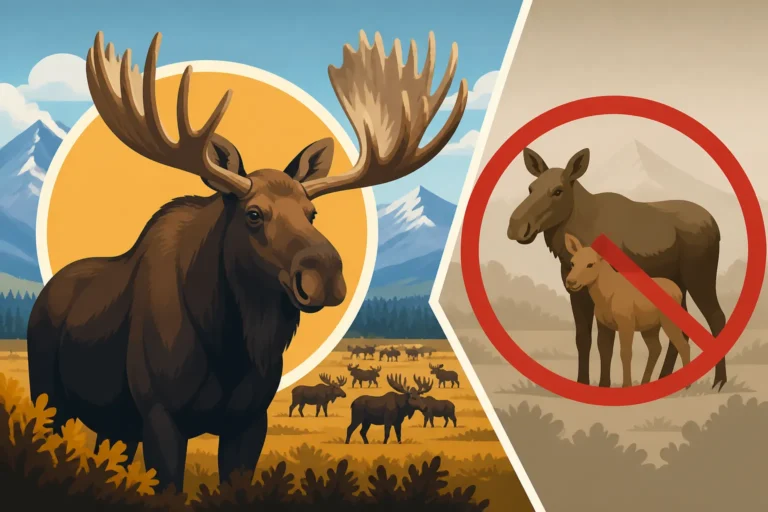
Biological reasons and management goals explain the bull-only limit for the Fortymile caribou herd in Alaska to protect cows.
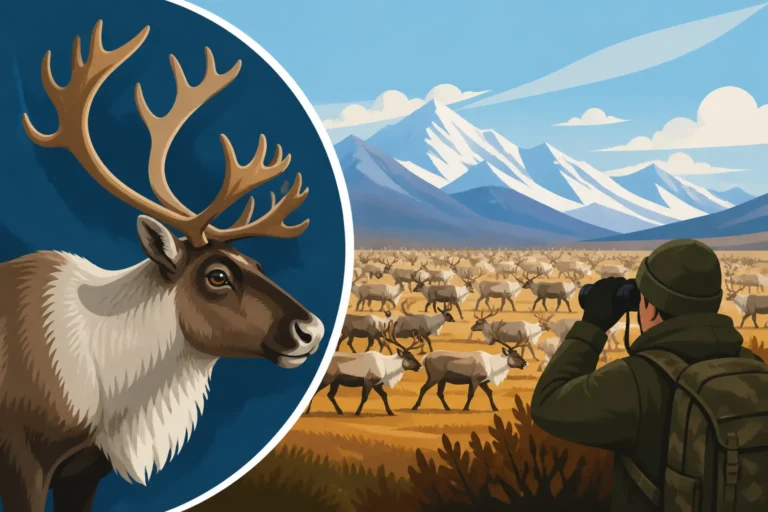
Fortymile caribou herd population numbers fluctuate based on birth rates, predator encounters, and environmental factors across Alaska.
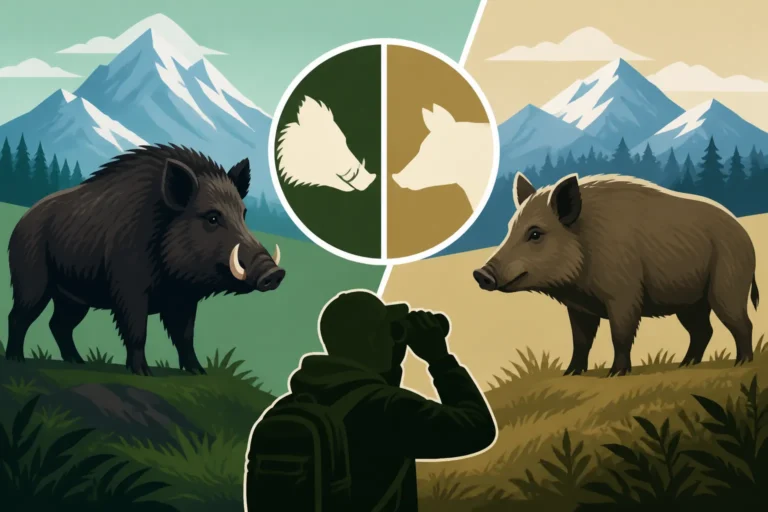
Alaska bear field identification methods help hunters distinguish boars from sows to avoid legal penalties and protect cubs.
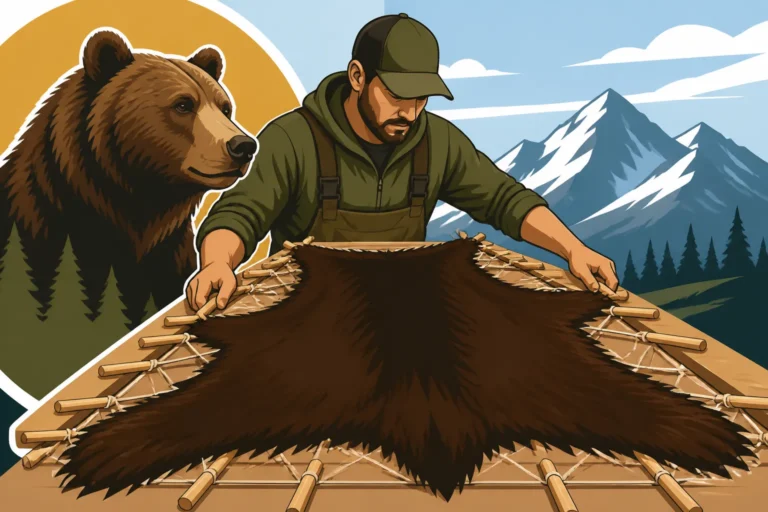
Squaring a brown bear hide involves measuring length and width from paw to paw, then dividing by two for Alaska wildlife records.

Alaska bear family breakup timing dictates when black bear yearlings separate at 1.5 years and brown bears at 2.5 years.
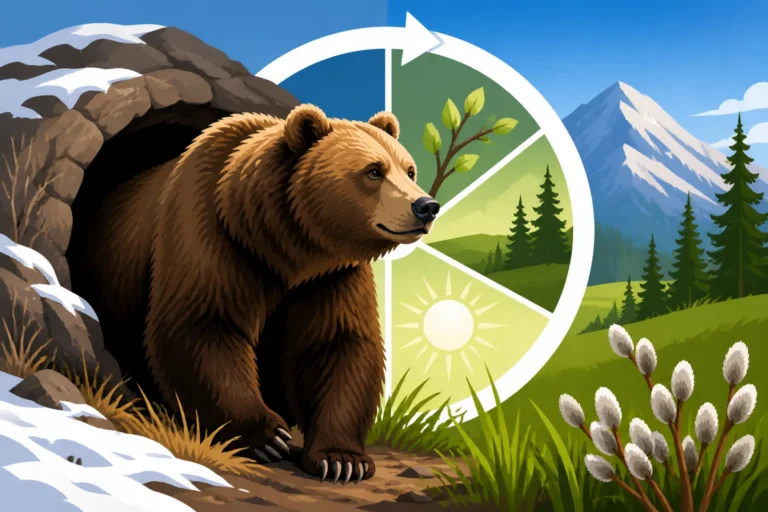
Coastal brown bear spring emergence timing depends on snowmelt, temperature, and biology, helping hunters predict bear movements accurately.
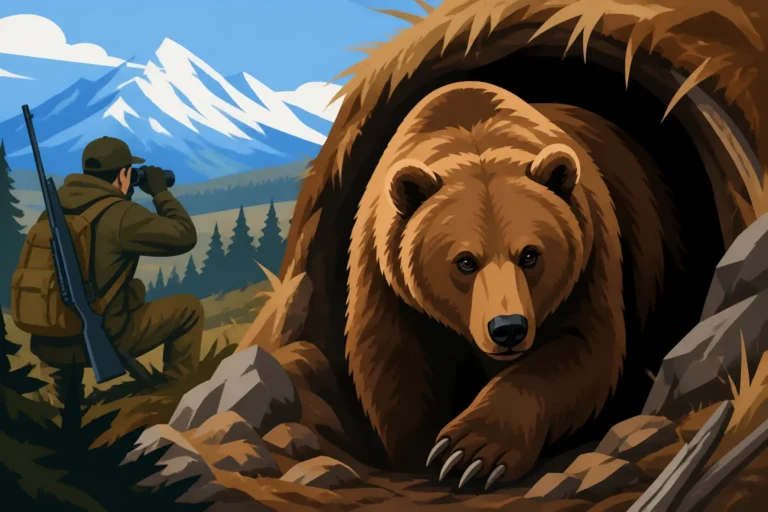
Alaska brown bear denning timelines, influenced by location and food availability, typically span from late September through November.

Alaska coastal brown bear body weight increases through salmon streams providing protein and fat during seasonal migrations.
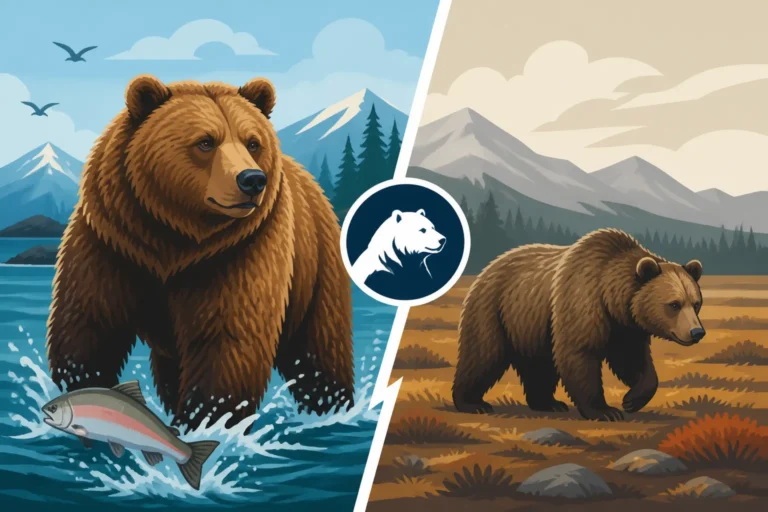
Alaska coastal brown bears grow larger than interior grizzlies due to abundant salmon, marine resources, and intertidal food sources.

Alaska Peninsula brown bear average weights reach eight hundred to twelve hundred pounds for mature males and up to seven hundred for females.