How Goats Survive Coastal Cliff Winters
Mountain goat winter survival strategies in Alaska coastal cliffs include steep terrain use and specialized physiological adaptations.
Know what you’re after.
Big game, small game, upland birds, and waterfowl — identification, behavior, rut and migration timing, and how each species moves through the season.
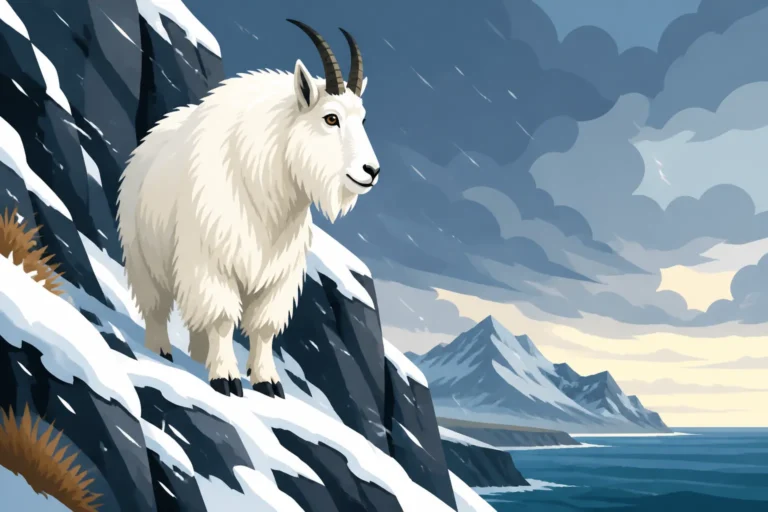
Mountain goat winter survival strategies in Alaska coastal cliffs include steep terrain use and specialized physiological adaptations.
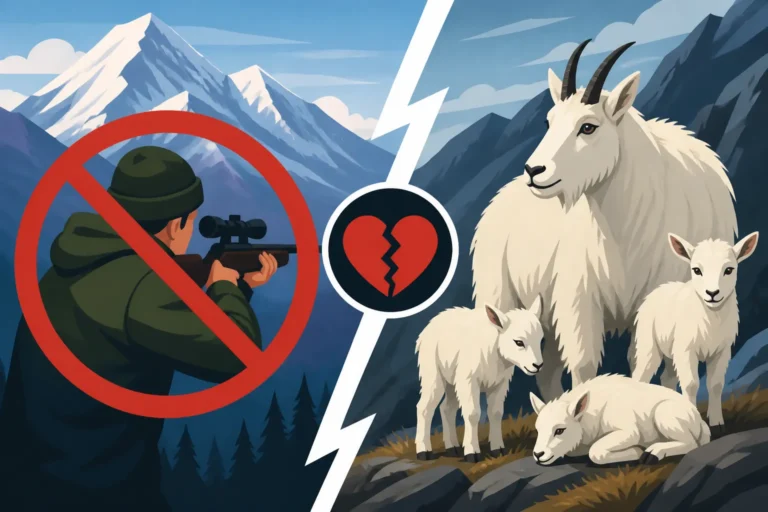
Mountain goat population health and survival depend on nanny goats, whose removal devastates local herds and future generations.

Mountain goat horn characteristics help hunters distinguish between male billies and female nannies to avoid legal penalties in Alaska.
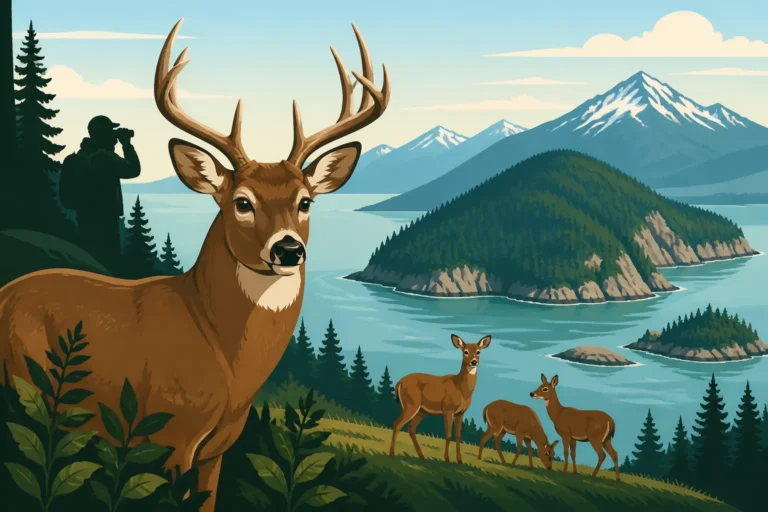
Prince of Wales Island deer populations experience dramatic boom and bust cycles driven by severe winter snow and habitat factors.
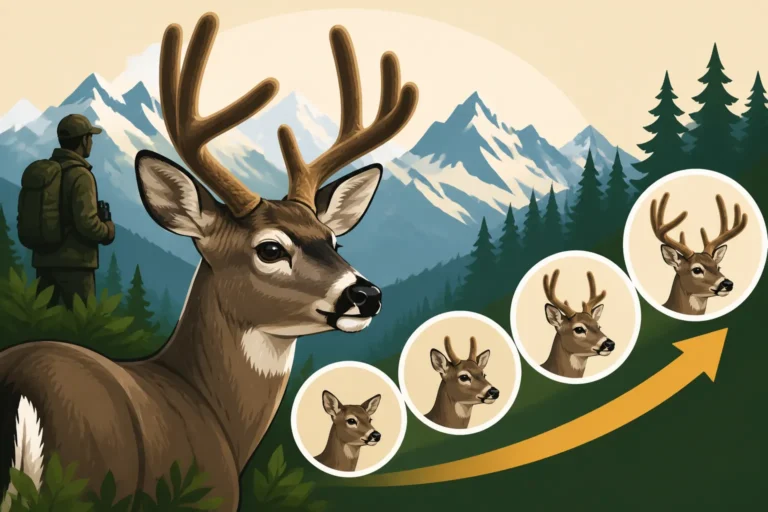
Sitka blacktail deer antler growth occurs annually, beginning with shedding in late winter and rapid spring development.

Sitka blacktail deer behavior in alpine mountains differs from shoreline areas, shaping seasonal hunting strategies and daily movements.
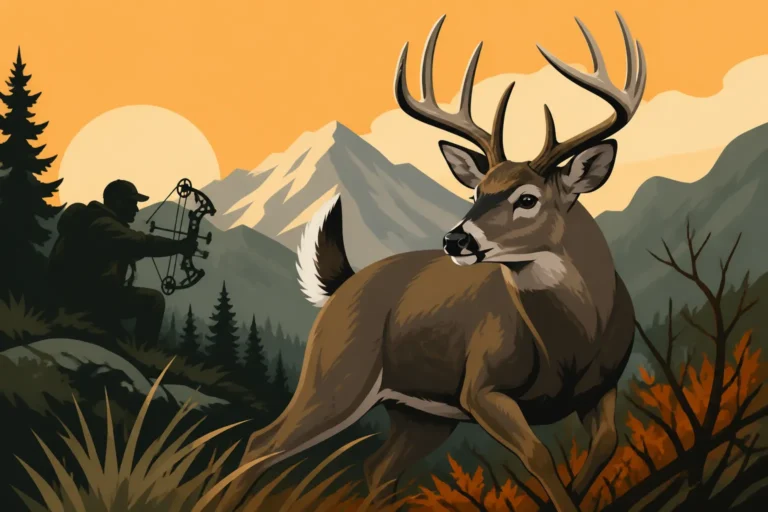
Sitka blacktail deer rut timing in Alaska, triggered by shortening daylight, typically peaks during mid-November.
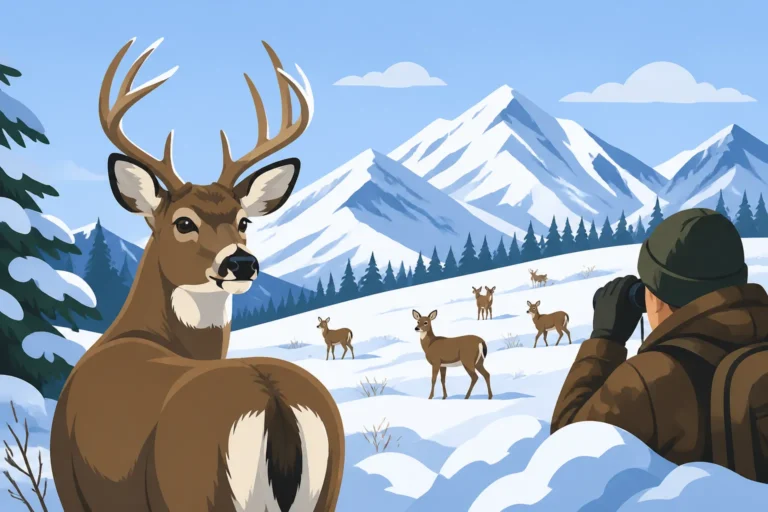
Sitka blacktail deer population impacts, starvation risks, and predator vulnerabilities caused by deep snow in Alaska winters.
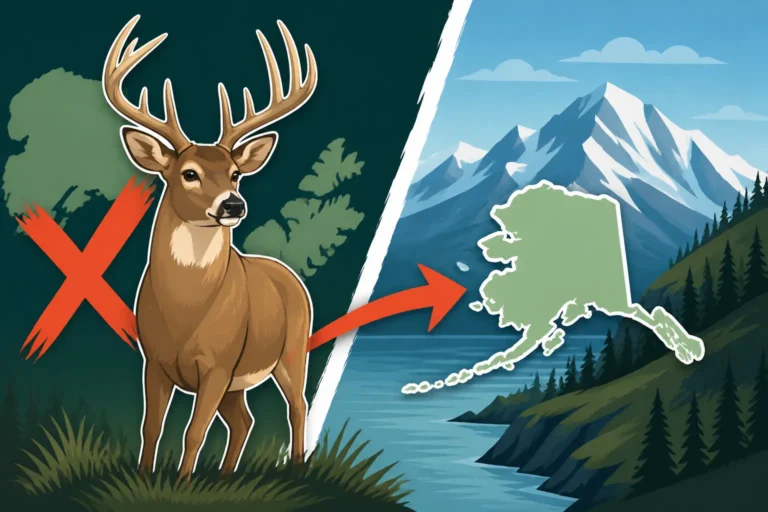
Sitka blacktail deer arrived on Kodiak Island through deliberate human introductions from Southeast Alaska starting in 1924.
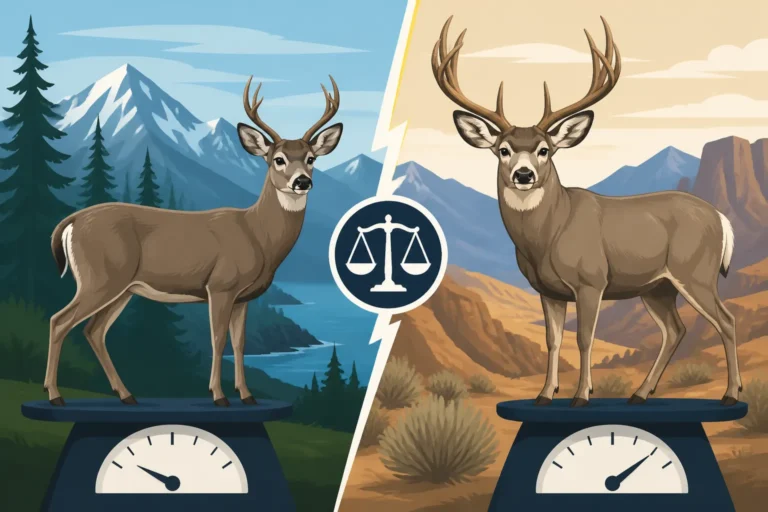
Sitka blacktail deer live weights range from 120 to 180 pounds, while mature mule deer bucks weigh between 180 and 300 pounds.