Lynx Cycles With Snowshoe Hare
The eight to eleven year snowshoe hare population cycle drives hunting opportunities for the Alaskan lynx in the boreal forests.
Know what you’re after.
Big game, small game, upland birds, and waterfowl — identification, behavior, rut and migration timing, and how each species moves through the season.
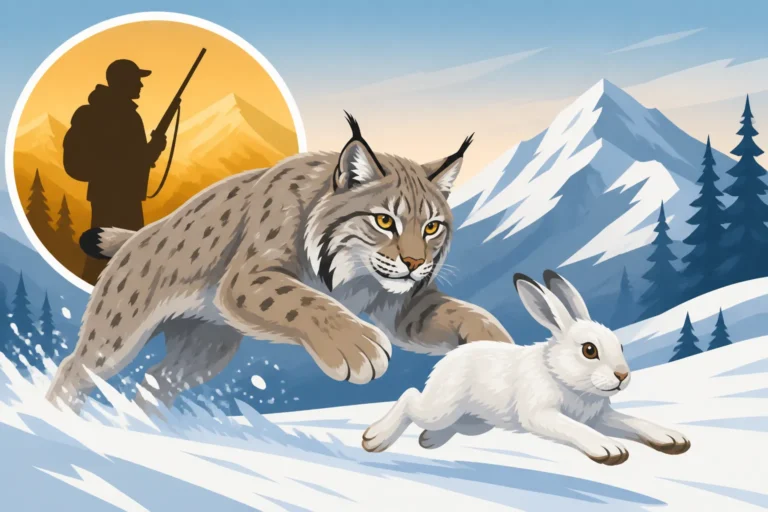
The eight to eleven year snowshoe hare population cycle drives hunting opportunities for the Alaskan lynx in the boreal forests.
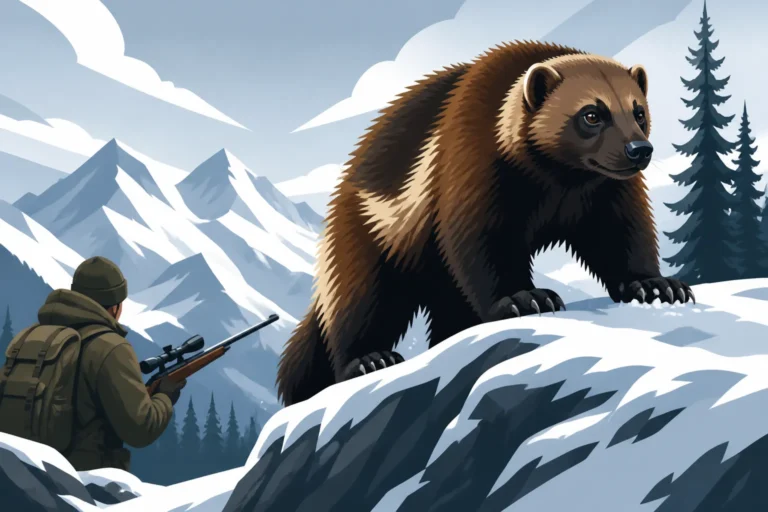
Wolverine hunting in Alaska is exceptionally difficult due to solitary behaviors, vast remote territories, and incredible senses.
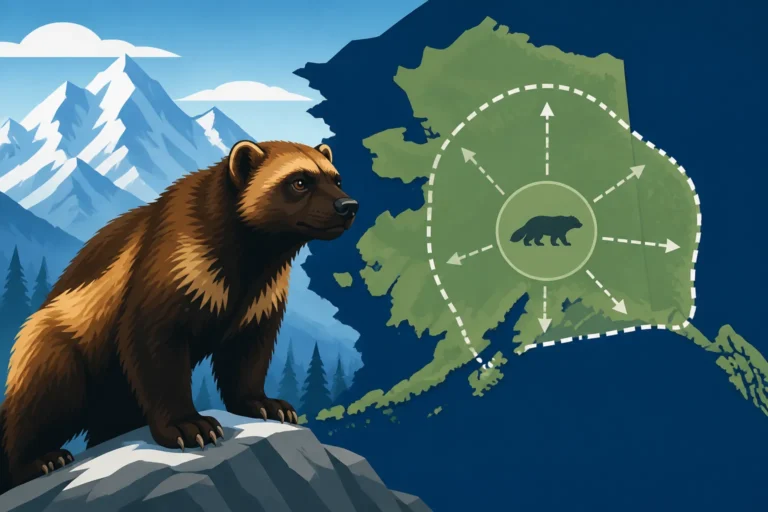
Wolverine home range size spans hundreds of square miles, driven by food availability, sex, and seasonal breeding needs.
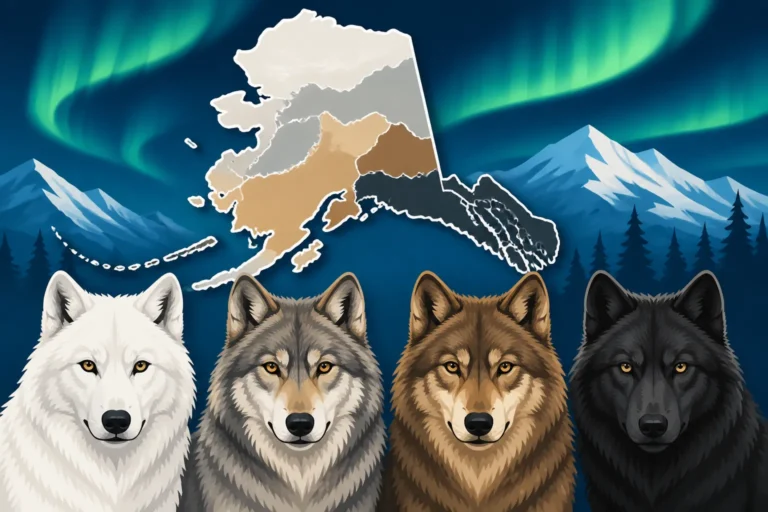
Alaskan wolf coat colors range from white to black due to genetics, providing camouflage in diverse regional landscapes.
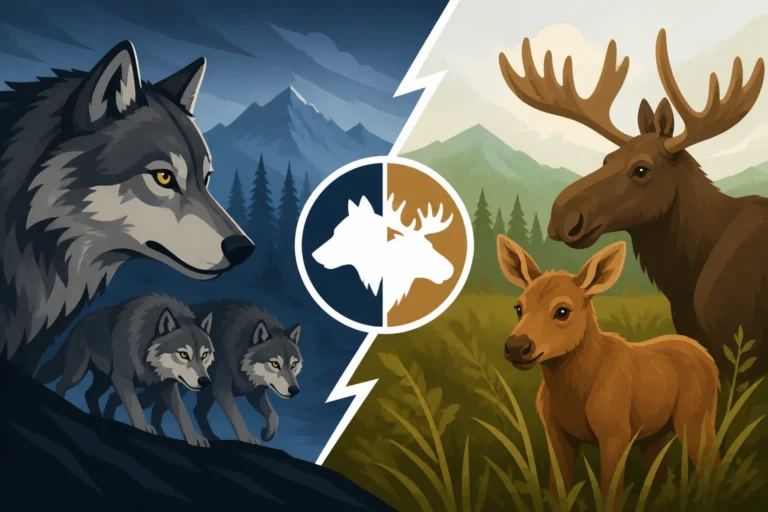
Alaskan wolves impact moose calf survival by preying on vulnerable newborns during the spring and summer months in the wilderness.
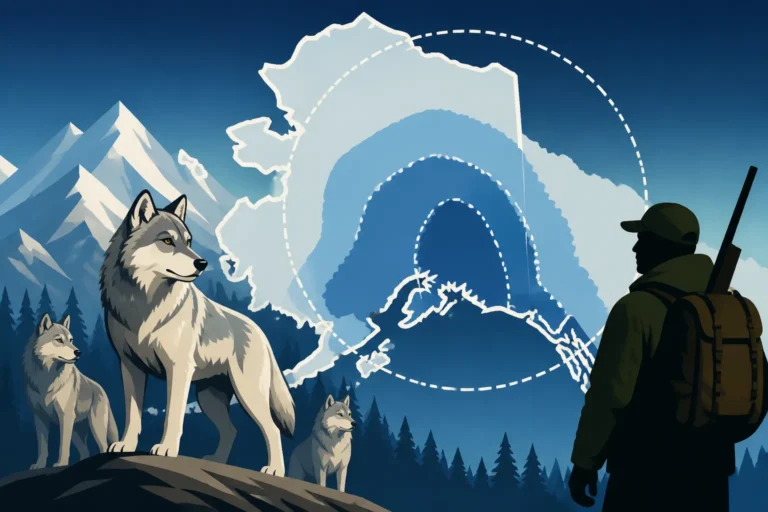
Alaskan wolf pack ranges and territorial behaviors, driven by prey availability and social structure across the wilderness.
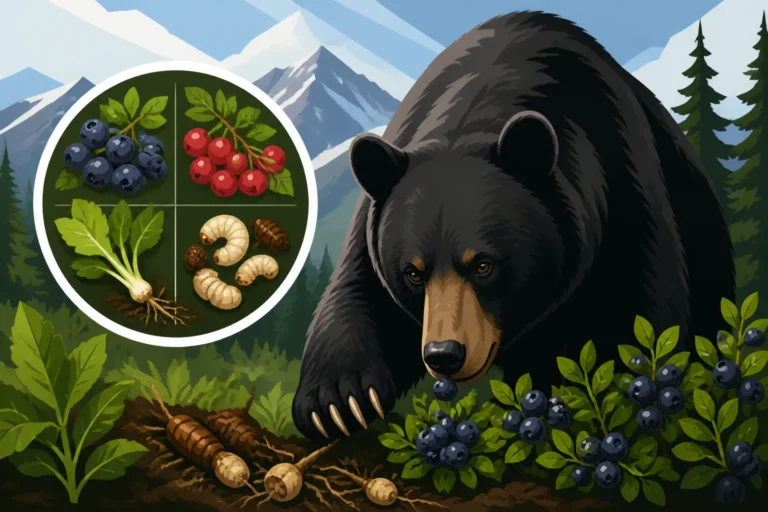
Alaska black bear spring diets consist of emerging green vegetation, tender shoots, roots, and bulbs before salmon runs begin.
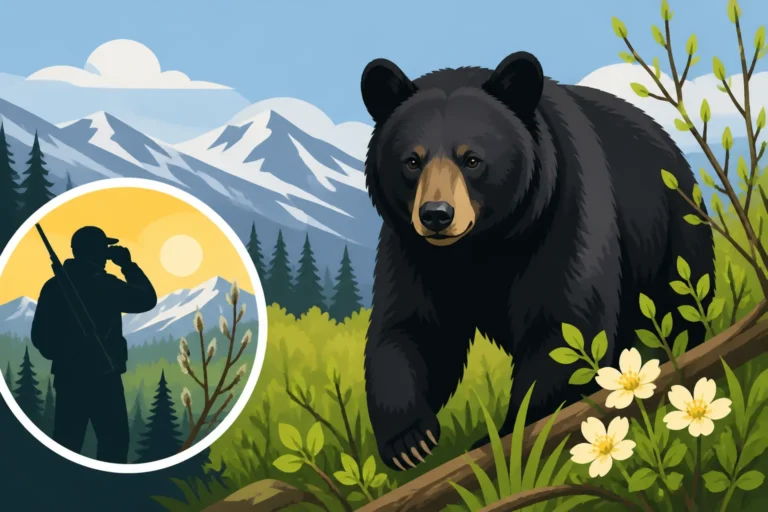
Black bear emergence timing in Alaska depends on temperature, snowpack depth, den locations, and geographical differences.
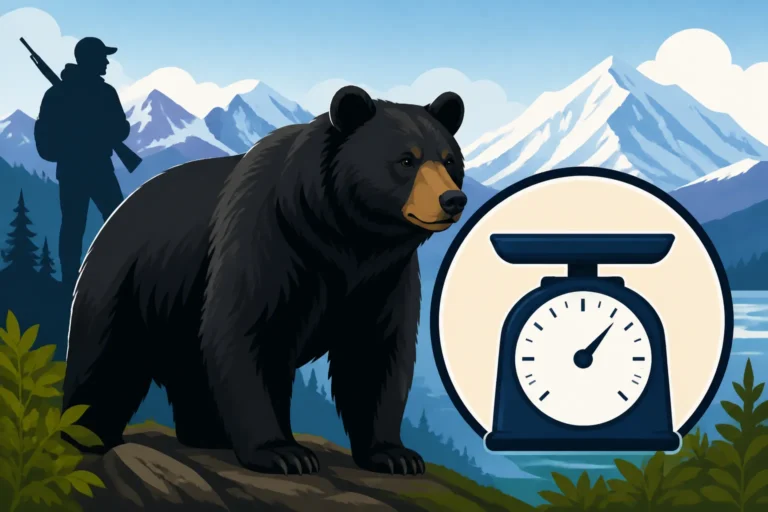
Coastal Alaska black bear weight depends on salmon runs, age, sex, and marine diets, increasing twenty to fifty percent by autumn denning.
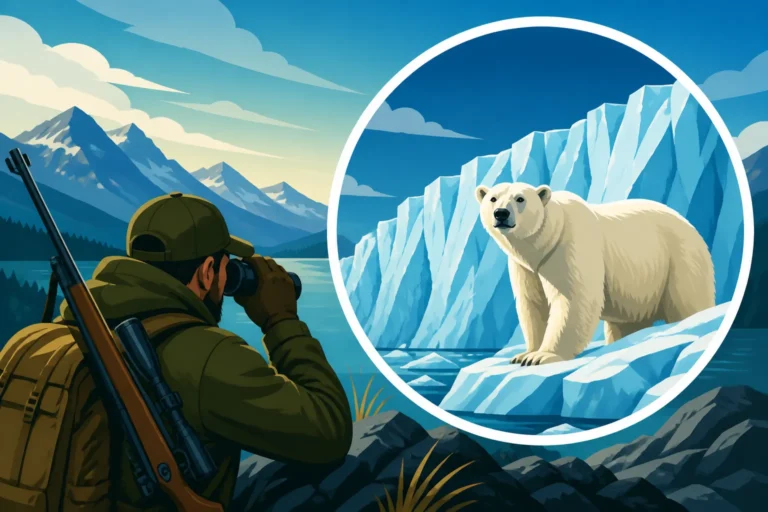
Glacier bears are a rare silvery blue color phase of the American black bear found mainly in Southeast Alaska and Glacier Bay.