How Much Meat an Alaska Bull Moose Yields
An Alaska bull moose weighing 1,000 to 1,600 pounds yields between 400 and 600 pounds of boned meat after field dressing.
Know what you’re after.
Big game, small game, upland birds, and waterfowl — identification, behavior, rut and migration timing, and how each species moves through the season.
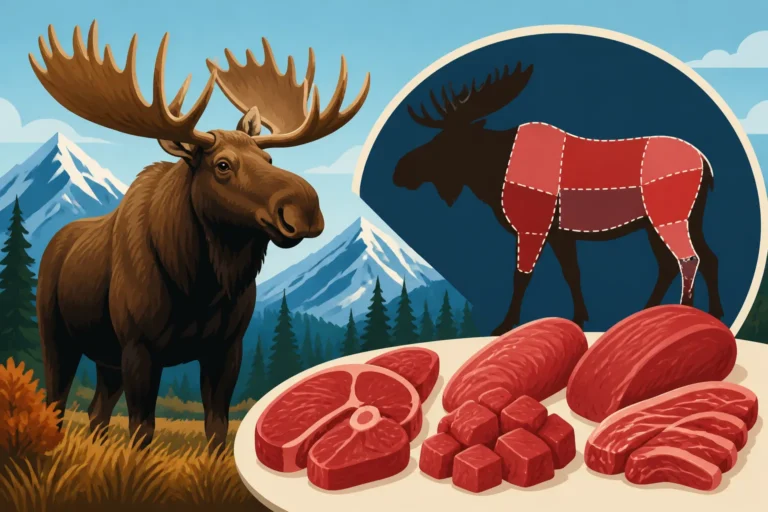
An Alaska bull moose weighing 1,000 to 1,600 pounds yields between 400 and 600 pounds of boned meat after field dressing.

Alaska bear meat salvage laws require hunters to take edible muscle tissue while managing trichinosis parasite risks from roundworms.
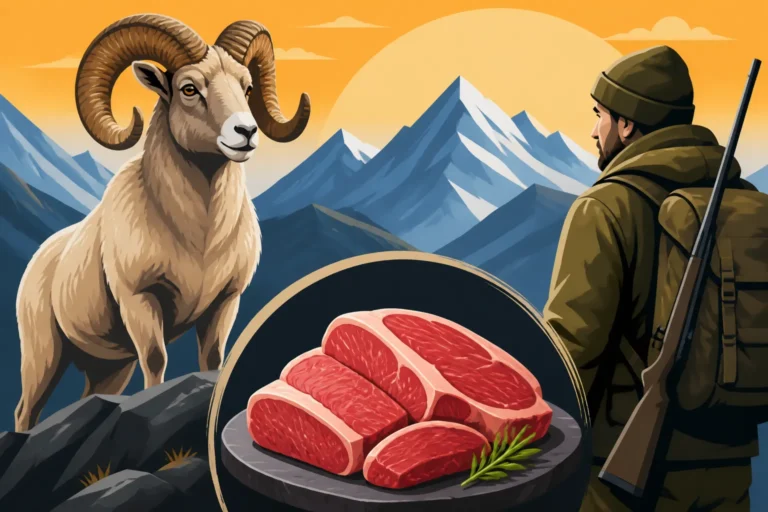
Alaska Dall sheep meat offers hunters a mild, tender flavor shaped by the animal age, diet, and steep alpine environment.

Alaska big game flavor comparisons explain taste differences, diet sources, and cooking methods for moose, caribou, and deer.
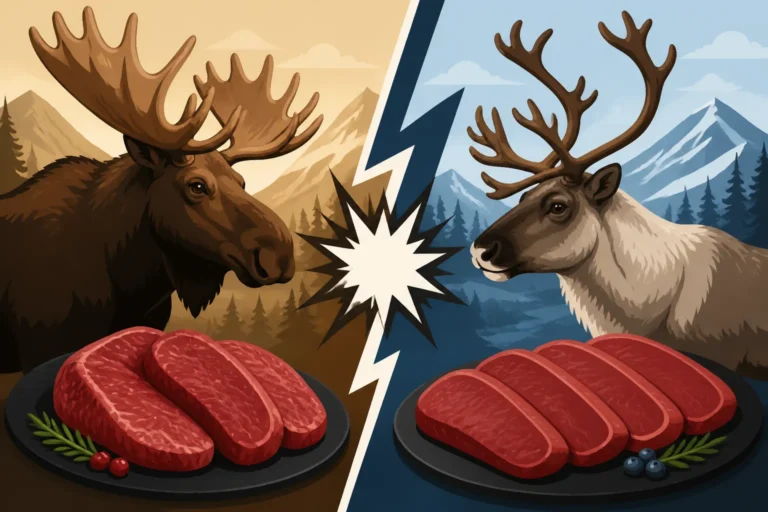
Moose and caribou meat flavor profiles, nutritional values, and cooking methods compared for Alaskan hunters and home cooks.

Sandhill crane migration through Alaska spans thousands of miles between northern breeding grounds and southern wintering ranges.
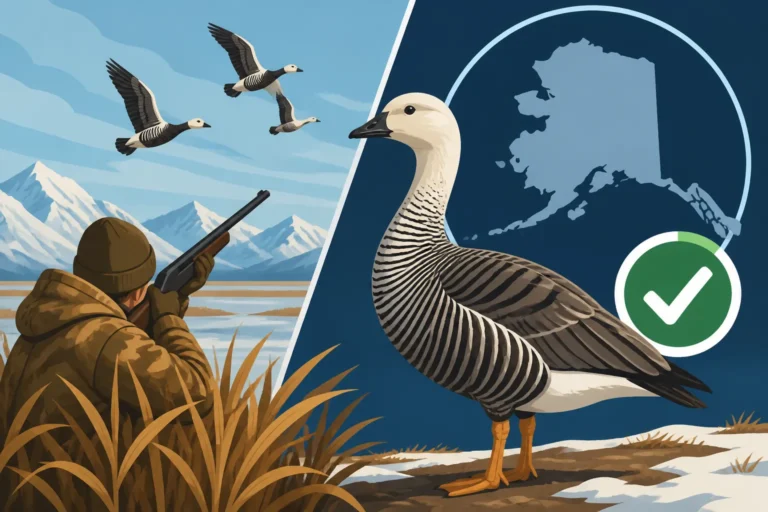
Emperor Goose hunting regulations in Alaska, including federal restrictions and limited opportunities protecting this declining saltwater species.

Alaska sea duck species diving over one hundred feet in cold coastal waters, detailing identification and hunting habits.

Arctic ground squirrels supply Alaska bears with fat and protein during spring when berry bushes and salmon are unavailable.

Alaska snowshoe hare population cycles span eight to eleven years, driving dramatic boom and bust changes in northern ecosystems.