Salmon Runs and Alaska Coastal Bear Size
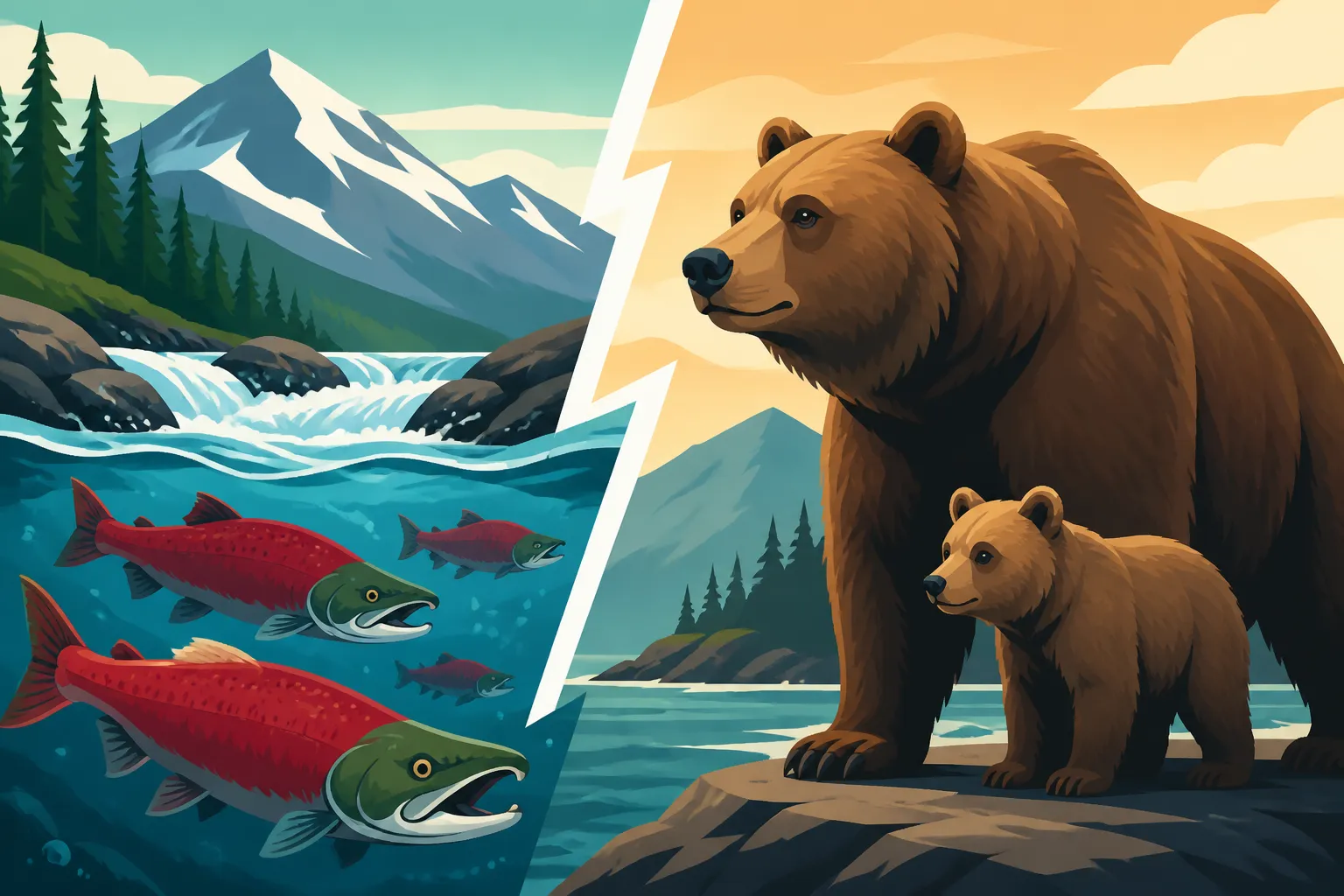
When people picture an Alaskan brown bear, they often conjure an image of a colossal creature, a true monarch of the wilderness. This impressive size isn't just a random occurrence; it's a direct reflection of the incredible bounty provided by Alaska's salmon runs. Understanding this vital connection is key to appreciating the ecosystem and the bears themselves.
The Nutritional Goldmine of Salmon Runs
Imagine a supermarket that only opens for a few weeks a year, but when it does, it's stocked with an endless supply of the most nutrient-dense, calorie-packed food you could ever dream of. That's essentially what a salmon run is for an Alaskan coastal brown bear. It’s an annual, predictable, and absolutely essential feast that allows these animals to thrive and grow to staggering sizes. Without this seasonal abundance, the coastal bear would be a very different animal indeed.
The Annual Salmon Migration
Every year, millions upon millions of salmon make their arduous journey from the vastness of the Pacific Ocean back to the freshwater rivers and streams where they were born. This isn't a trickle; it's an undeniable, powerful surge of life, transforming quiet waterways into highways of wriggling, shimmering protein. Different species of salmon, like sockeye, chum, pink, coho, and Chinook, run at slightly different times throughout the summer and fall, creating a sustained feeding opportunity for bears. For instance, the sockeye runs might peak in July, followed by pinks in August, and coho into September, offering a successive buffet line. Bears, with their keen sense of smell and incredible memory, know exactly when and where to position themselves for this annual spectacle. They'll stake out prime fishing spots along waterfalls, shallow riffles, and bottleneck points in rivers, waiting for the salmon to come to them. It’s an instinctual knowledge passed down through generations, and it dictates much of their yearly movement patterns.
The sheer volume of fish can be astounding. In some of the richest salmon rivers on the Alaska Peninsula or Kodiak Island, you can literally see the water boiling with fish. A single river system might see hundreds of thousands, if not millions, of salmon returning in a given season. This predictable, concentrated food source is unlike anything an interior grizzly might encounter. The strategic importance of these specific river systems cannot be overstated; they are the literal lifeblood for these massive bears, influencing everything from their population density to their overall health. When you're considering a hunt, understanding the flow of these salmon can give you critical insight into where bears will be concentrated and why.
A Calorie-Rich Feast
So, why salmon? What makes these fish such an exceptional food source that they can fuel creatures weighing over a thousand pounds? It boils down to their incredibly rich nutritional profile. Salmon are packed with fat and protein, two essential macronutrients that bears need in enormous quantities to build up their fat reserves for hibernation. A single sockeye salmon can weigh anywhere from 5 to 15 pounds, and a king salmon can easily exceed 50 pounds, sometimes even reaching 100 pounds. Each fish is a concentrated package of energy.
Consider the fat content: salmon, especially before spawning, are loaded with omega-3 fatty acids, which are vital for a bear's metabolism and overall health. These fats are much more calorically dense than carbohydrates or protein, providing maximum energy bang for their buck. Bears aren't just eating the muscle tissue; they’re often prioritizing the fatty brains, roe (eggs), and skin, which are even richer in calories. During a strong run, a bear might gorge on dozens of salmon a day, sometimes just eating the fattiest parts and leaving the rest for scavengers or for later, a strategy that maximizes caloric intake with minimal effort. This ability to pack on pounds rapidly is critical. A lean bear going into winter is a bear facing an uphill battle for survival, making the autumn salmon runs the most crucial time of year for these magnificent animals.
How Salmon Influence Bear Biology and Behavior
The annual salmon buffet isn't just about getting fat; it fundamentally shapes the biology and behavior of coastal brown bears. From the moment they emerge from their dens in the spring until they retreat for winter, salmon dictate their movements, their social interactions, and ultimately, their very survival and ability to reproduce. This profound connection is a masterclass in ecological interdependence, a reminder of how intricately linked species are within their environment.
Hyperphagia and Fat Accumulation
Hyperphagia is a fascinating biological phenomenon where an animal enters a state of extreme hunger, consuming vast quantities of food to build up energy reserves. For coastal brown bears, the salmon runs trigger an intense period of hyperphagia. They will eat almost non-stop, often for 16-20 hours a day, driven by an innate need to accumulate enough fat to sustain them through the long winter hibernation. During this time, bears can put on several pounds of fat every single day. A sow, for example, might gain hundreds of pounds, sometimes doubling her body weight between spring and fall. This rapid fat accumulation is what enables them to survive months without food or water in their dens.
This isn't just about weight gain; it’s about energy storage. Fat is a highly efficient form of energy storage, providing twice the calories per gram compared to protein or carbohydrates. This stored fat isn't just fuel for hibernation itself, but also for critical metabolic processes like maintaining body temperature and, for pregnant sows, developing and nursing cubs. When considering When Alaska Brown Bears Enter Dens, it's clear that the timing of these runs directly impacts the bear's readiness for winter. If salmon runs are poor or late, bears will be forced to den up with insufficient fat reserves, increasing the risk of mortality, especially for younger bears or those with cubs.
Reproductive Success and Cub Survival
The link between abundant salmon and reproductive success in coastal brown bears is profound. A sow's ability to conceive, carry, and successfully raise cubs is directly tied to her body condition, which is, in turn, dictated by the availability of high-calorie foods like salmon. Sows need significant fat reserves not only to gestate cubs during hibernation but also to produce enough milk to nourish them after they are born in the den. If a sow doesn't achieve a critical body weight before denning, her body may reabsorb the fetuses, or she may give birth to smaller, weaker cubs that are less likely to survive.
Furthermore, post-denning, the immediate availability of early-running salmon can mean the difference between life and death for newly emerged cubs. These cubs are highly vulnerable, and their mother's ability to quickly find sustenance allows her to continue lactating and protecting them. Healthy, well-fed sows tend to have larger litters and higher cub survival rates, directly translating to a robust bear population. This also impacts the Sow and Cub Family Breakup Timing; if a sow is in good condition, she might be able to support her cubs for an extra year, increasing their chances of survival before they strike out on their own. This critical dependence on salmon for reproduction is a key reason why coastal bear populations tend to be denser and healthier than their interior counterparts.
Coastal Brown Bears Versus Interior Grizzlies: A Size Disparity
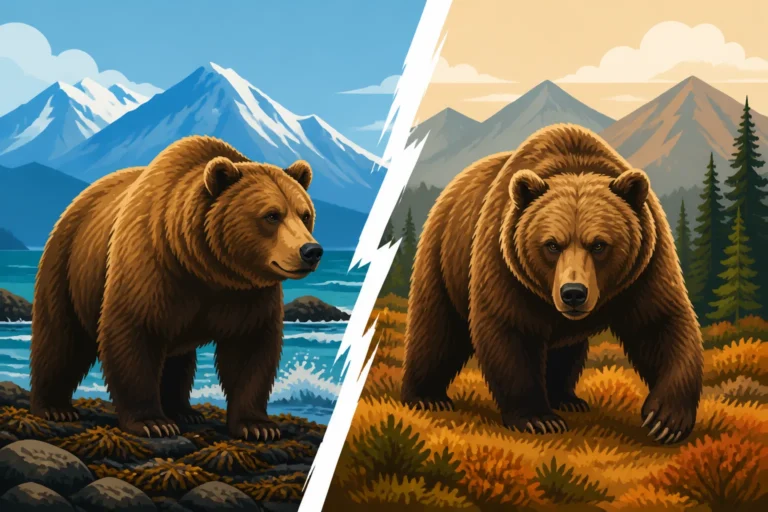
One of the most striking observations for anyone studying bears in Alaska is the remarkable size difference between coastal brown bears and their interior relatives, the grizzlies. While they are genetically the same species – Ursus arctos – their physical manifestations are dramatically different, and the reason for this divergence almost entirely centers around food, particularly salmon. Understanding this distinction is crucial, especially when discussing topics like What Makes Alaska Peninsula Bears So Large.
Dietary Differences and Resource Availability
The primary factor driving the size disparity is diet. Coastal brown bears have access to an incredibly rich and predictable food source: anadromous salmon. These fish provide a concentrated, high-calorie, high-protein, and high-fat diet that is unparalleled in the interior. During peak salmon runs, coastal bears can consume thousands of pounds of fish over a few months, allowing them to pack on immense amounts of fat. They will also supplement this with berries, sedges, and carrion, but salmon forms the caloric backbone of their diet. As a result, coastal brown bears can easily exceed 800-1,000 pounds, with some massive boars pushing closer to 1,500 pounds in regions like the Alaska Peninsula or Kodiak Island.
In contrast, interior grizzlies, often referred to as simply "grizzlies," typically do not have access to abundant salmon. Their diet is far more varied and dispersed, relying heavily on seasonal berries, roots, ground squirrels, moose calves, caribou, and carrion. While they are still incredibly powerful predators and efficient foragers, these food sources are generally less calorie-dense and more scattered across the landscape. They have to work much harder to find their food, covering vast territories. This necessitates a leaner physique, and thus, interior grizzlies rarely reach the same colossal sizes as their coastal cousins. A large interior grizzly might weigh 500-700 pounds, which is still a formidable animal, but significantly smaller than the giants of the coast. This fundamental difference in diet is why the question of Brown Bear Versus Grizzly: The Same Animal often arises, even though it's the same species adapting to different environments.
Habitat and Competition
The coastal environment also supports a higher density of bears due to the sheer abundance of resources. Salmon-rich river systems can sustain many more bears per square mile than the more sparse interior tundra and forest environments. This high density means that bears, especially younger ones, learn to be incredibly efficient at fishing and foraging. They learn from observing older, more experienced bears, refining their techniques for snatching salmon from the water. While there is competition, the sheer volume of fish during a strong run often means there's enough to go around, at least for the duration of the feast.
Furthermore, coastal habitats often provide more consistent and varied vegetative growth, such as elderberries, blueberries, and other plants, which become important food sources before and after salmon runs. The milder coastal climate also contributes to a longer active season for bears compared to the harsher, longer winters of the interior. This extended feeding period allows for more time to build up reserves. A healthy coastal ecosystem, fueled by robust salmon runs, creates an optimal environment for bears to grow exceptionally large and maintain thriving populations, which is something you'd want to research on a platform like GoHunt if you're planning an expedition into these areas.
The Impact of Salmon Declines on Bear Populations
While salmon runs are historically robust in many parts of Alaska, they are not immune to environmental pressures, climate change, and human impacts. When these vital salmon populations decline, the ripple effect on coastal brown bear populations can be severe, demonstrating just how precarious this delicate ecological balance truly is. A drop in salmon numbers doesn't just mean a temporary diet change for bears; it can have long-lasting, detrimental effects on their health, behavior, and survival.
Reduced Bear Size and Health
The most immediate and noticeable impact of declining salmon runs is a reduction in bear size and overall health. Without the enormous caloric intake provided by salmon, bears struggle to accumulate the necessary fat reserves for hibernation. This directly translates to leaner bears, which are more susceptible to disease, have weaker immune systems, and are less likely to survive the winter. For pregnant sows, insufficient fat reserves can lead to reproductive failures, such as delayed implantation, reabsorption of fetuses, or the birth of smaller, less viable cubs. This directly impacts the future generations of bears.
Furthermore, a lack of salmon can lead to increased stress on bears as they expend more energy searching for alternative food sources. This chronic stress can have physiological consequences, affecting hormone levels and overall metabolic function. Bears may emerge from their dens in the spring in much poorer condition, with less energy to begin the breeding cycle and feed any surviving cubs. This scenario underscores why maintaining healthy salmon populations is not just about fish; it’s about the health of the entire ecosystem, including iconic predators like brown bears. It's a critical component in understanding Bear Safety While Butchering a Kill in Alaska because a hungry bear is often a more unpredictable one.
Shifts in Bear Foraging Patterns
When salmon numbers decline, bears are forced to adapt, often by shifting their foraging patterns and expanding their diets to include other, often less desirable, food sources. This can lead to increased consumption of berries, roots, and vegetation, which are generally lower in calories and protein. While bears are opportunistic omnivores and can eat a wide variety of foods, these alternatives are rarely as nutritionally rich or abundant as salmon. This shift requires bears to travel greater distances and expend more energy to find enough food, increasing their overall metabolic cost.
Another consequence of salmon declines is an increased reliance on carrion or, in some cases, an uptick in predation on moose calves or other ungulates. While interior grizzlies regularly hunt these animals, coastal brown bears, when well-fed by salmon, tend to focus more on fish. A shift to more predation can have ripple effects on other wildlife populations. Critically, diminishing salmon runs can also lead to increased human-bear conflicts, as hungry bears might be drawn closer to human settlements, fishing camps, or hunting camps in search of food. This makes understanding Working a Kill Site in Grizzly Country even more important, as hungry bears are less likely to shy away.
Identifying Prime Bear Country During Salmon Runs
For hunters and wildlife enthusiasts alike, knowing where and when to find the largest coastal brown bears is inextricably linked to understanding the salmon runs. It’s not just about finding "bear country" generally; it’s about pinpointing the specific bottlenecks and spawning grounds that concentrate both the fish and the bears. This knowledge is paramount for successful viewing or ethical hunting.
Key Rivers and Spawning Areas
The absolute best places to find large coastal brown bears are the major river systems and their tributaries that support strong, consistent salmon runs. Think of locations like the famous rivers on Kodiak Island, the Alaska Peninsula, or the major drainages flowing into Bristol Bay. These areas are renowned because the salmon returns are simply staggering. Within these larger systems, bears will concentrate in specific "hot spots." Look for areas where salmon are forced to bottleneck, such as at the base of waterfalls, in narrow river bends, or at the confluences of smaller spawning streams. Shallow riffles where salmon spawn are also prime locations, as bears can easily scoop up fish.
Satellite imagery can be an invaluable tool for identifying these features, revealing the braided river systems and potential congregation points. Local knowledge, often gleaned from pilots, guides, or experienced hunters, is also gold. Consulting resources like GoHunt can provide insights into historical harvest data and general bear distribution, but combining that with current salmon run reports from the Alaska Department of Fish and Game (ADF&G) will give you the most accurate picture. For example, knowing the specific characteristics of Hunting Unit 9 on the Alaska Peninsula will certainly involve understanding its salmon-rich rivers.
Timing Your Hunt with the Salmon Cycle
Timing is everything. Different species of salmon run at different times, and bears will adjust their foraging accordingly.
- Chinook (King) Salmon: These are often the first to arrive, typically in late May and June. They are the largest salmon, offering a massive caloric payoff.
- Sockeye (Red) Salmon: Famous for their intense runs, sockeye usually peak from late June through July. These runs can be incredibly dense, making them a primary food source.
- Pink (Humpy) Salmon: These are the smallest but often the most numerous, running primarily in even-numbered years (though some runs occur annually) from late July through August.
- Chum (Dog) Salmon: Running concurrently with pinks and into early September, chums are another significant food source.
- Coho (Silver) Salmon: These are typically the last major salmon run, often peaking in September and sometimes into October. Bears will be intensely feeding on coho right up until denning.
Here’s a rough guide to when different salmon species typically arrive in coastal rivers:
| Salmon Species | General Run Timing (Coastal Alaska) | Key Characteristics for Bears |
|---|---|---|
| Chinook (King) | Late May – June | Largest salmon, highest individual caloric value. |
| Sockeye (Red) | Late June – July | Extremely dense, concentrated runs. Primary fat source. |
| Pink (Humpy) | Late July – August (often biennial) | Smallest but most numerous; crucial for broad feeding. |
| Chum (Dog) | August – Early September | Good fat content, often secondary to sockeye/pink. |
| Coho (Silver) | September – October | Last major run before denning; critical for final fat reserves. |
Hunters targeting coastal brown bears in the fall, particularly in September and early October, are often aiming to intercept bears that are actively gorging on the later salmon runs, such as coho. This is when bears are at their absolute fattest, with sleek, full coats, making them prime trophies. It’s also when they are heavily concentrated around water, offering predictable access. Understanding this calendar is crucial for planning your hunting expedition, whether you're focusing on Spring Emergence Timing for Coastal Bears or the later fall hunts.
Conservation Efforts and Sustainable Salmon Management
The intricate relationship between salmon and bears highlights the critical importance of robust conservation efforts and sustainable management practices. The health of Alaska’s salmon populations is not just an economic concern for fisheries; it is a fundamental ecological imperative that underpins the well-being of countless species, from eagles to wolves, and most visibly, the iconic coastal brown bear. Without proactive and thoughtful management, this vital connection could be jeopardized.
Protecting Salmon Habitats
The cornerstone of salmon conservation lies in protecting their freshwater and estuarine habitats. Salmon require pristine, clear, cold water for spawning and rearing their young. This means safeguarding rivers, streams, and lakes from pollution, habitat degradation, and excessive development. Logging practices, mining operations, road construction, and unchecked residential development can all lead to sedimentation, increased water temperatures, and altered water flow, directly impacting salmon eggs and fry. Protecting riparian zones – the vegetated areas along riverbanks – is particularly important as they provide shade, stabilize banks, and contribute essential nutrients to the aquatic ecosystem.
Furthermore, ensuring unobstructed passage for migrating salmon is crucial. This involves careful planning around culverts, dams, and other barriers that could prevent fish from reaching their spawning grounds. Organizations and governmental bodies, including the Alaska Department of Fish and Game (ADF&G), work tirelessly to monitor and protect these critical habitats. Anyone passionate about Alaska hunting should also be passionate about salmon conservation, as the future of the bears they pursue is directly tied to the health of these aquatic ecosystems. This commitment to habitat is foundational to maintaining populations, and something platforms like GoHunt often advocate for among the hunting community.
Balancing Human Use and Wildlife Needs
Alaska's salmon resources are utilized by a diverse array of stakeholders: commercial fishing fleets, subsistence users, sport anglers, and, of course, wildlife. The challenge lies in balancing these various demands to ensure long-term sustainability for all. This requires rigorous scientific monitoring, adaptive management strategies, and clear regulatory frameworks. For example, commercial and sport fishing seasons are carefully managed with quotas and escapement goals (the number of fish allowed to reach spawning grounds) to ensure enough salmon make it upstream to reproduce and sustain both the fish population and the wildlife that depends on them.
Sustainable hunting practices are also part of this balance. Hunters of coastal brown bears are typically operating under strict regulations designed to ensure healthy bear populations. This includes understanding Boar Versus Sow Identification in the Field to avoid taking females that are crucial for reproduction, and adhering to bag limits and seasonal restrictions. By managing all forms of harvest responsibly – human and natural – we can help ensure that the annual salmon migration continues to fuel the magnificent coastal brown bears of Alaska for generations to come. It’s a shared responsibility to protect this extraordinary natural heritage.
Disclaimer
Please remember that hunting regulations, seasons, and access can change rapidly in Alaska. Always consult the most current Alaska Department of Fish and Game (ADF&G) regulations and speak with local authorities or reputable guides before planning any hunt. Safety in the Alaskan wilderness is paramount, and preparation is key.