Unit 9 on the Alaska Peninsula
The Alaska Peninsula is a place of raw, untamed beauty, a vast and often brutal landscape that calls to hunters seeking the ultimate challenge. If you've ever dreamt of pitting your skills against truly wild country and some of the world's most formidable big game, then Alaska Game Management Unit 9 is likely on your radar. This guide will walk you through the realities, challenges, and immense rewards of hunting this legendary region, helping you understand what it truly takes to plan a successful adventure there.
Welcome to the Wild: What Makes Unit 9 Unique
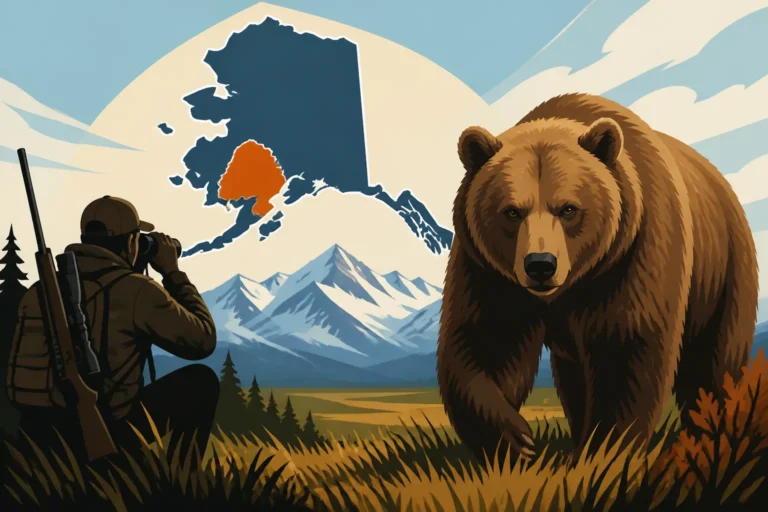
Unit 9 isn't just a place on a map; it's a feeling, a reputation forged in wind-swept tundras, volcanic peaks, and salmon-choked rivers. Located on the southwestern part of the Alaska Peninsula, stretching from Bristol Bay to the Pacific Ocean, this game management unit is synonymous with wildness and, more specifically, with colossal brown bears. It's a land where human presence is minimal, and the elements dictate the terms.
The geography of Unit 9 is incredibly diverse, moving from the low-lying, marshy deltas and coastal plains of Bristol Bay, through rolling tundra uplands, and finally to the rugged, glaciated volcanic peaks that form the spine of the peninsula. This variety means that hunting conditions can change dramatically within a relatively short distance. One day you might be slogging through hip boots in a willow bottom, the next you're glassing vast open slopes high above the treeline, if there even is a treeline in your area. This constant shift requires adaptability and a robust gear list.
Access to most of Unit 9 is primarily by air, with bush planes – both wheel and float-equipped – being the lifeblood of transport. There are very few roads, and those that exist are often unimproved tracks around small villages, not reliable for long-distance travel into prime hunting grounds. This reliance on air travel makes logistics complex and adds significantly to the cost and planning of any hunt. The weather here is notoriously unpredictable, often shifting from bright sunshine to dense fog, driving rain, or even snow squalls in a matter of hours, which can delay flights and extend your stay in the field. Understanding these environmental realities is the first step in tackling the peninsula.
The Reigning Monarch: Brown Bear Hunting in Unit 9
When hunters think of Unit 9, they almost invariably think of brown bears, and for good reason. This unit is home to some of the largest coastal brown bears on the planet, often reaching immense sizes due to abundant food sources like salmon. What Alaska Peninsula Bears So Large details why these particular bears grow to such impressive dimensions. Hunting these incredible animals is a bucket-list dream for many, but it's an undertaking that demands respect, meticulous planning, and often, the guidance of an experienced professional.
Brown bear hunting in Unit 9 typically occurs during two distinct seasons: spring and fall. The spring season, often running from mid-May to early June, finds bears emerging from their dens, often seeking food on greening slopes or scavenging along tidal flats. This can be a challenging time, as weather can still be volatile, and snow cover might persist at higher elevations. The fall season, usually from early October to late October, coincides with the salmon runs, concentrating bears along rivers and streams, making them more predictable but also extremely vigilant. Alaska Brown Bear Spring and Fall Seasons offers a deeper dive into these periods.
Regulations for brown bear hunting in Unit 9 are strict, and for good reason. Nonresidents are required to be accompanied by an Alaska-licensed guide or a resident hunter who is a second-degree of kindred (a close relative). This isn't just about safety; it's about responsible management of a valuable resource. The size and ferocity of these animals, combined with the extreme remoteness, make a guided hunt not just a requirement, but a wise decision for anyone unfamiliar with the territory. Understanding these rules is crucial, and you can learn more about Alaska's Brown Bear, Sheep and Goat Guide Requirement.
Beyond the Apex: Moose, Caribou, and Other Game
While brown bears undoubtedly dominate the conversation around Unit 9, it's important to remember that the unit offers other significant big game opportunities, particularly for those seeking a truly remote and challenging experience. Moose and caribou, while not found in the same densities as in some interior units, are present and can offer incredible hunts.
Moose hunting in Unit 9 can be incredibly rewarding, especially for hunters willing to put in the effort to access more remote areas. Unlike the dense willow thickets of interior Alaska, moose on the peninsula often inhabit brushy river bottoms and lake edges, or even areas above the sparse timberline. The sheer vastness of the landscape means finding them can be a monumental task, but the bulls can be magnificent. You'll need to pay close attention to antler restrictions, as these vary by subunit and year. Field Judging a Legal Bull Under Alaska Antler Rules is a must-read for anyone considering a moose hunt here. The season often opens in early to mid-September, coinciding with the pre-rut, making calling a viable tactic in certain areas.
Caribou herds also traverse parts of Unit 9, particularly on the eastern and northern reaches closer to Bristol Bay. These hunts are often about being in the right place at the right time, as caribou are migratory and their movements can be unpredictable. Success often hinges on having a transporter drop you in an area known for historical migrations and then patiently waiting for the animals to pass through, or being willing to undertake extensive backpacking to intercept them. Always check the specific subunit regulations and emergency orders, as caribou seasons are often quota-based and can close suddenly. Using tools like onX Hunt to study past migration patterns or checking in with locals and transporters can offer valuable insights into herd movements.
| Species | Typical Season Dates (Check Regulations Annually!) | Permit Type | Guide Required (Nonresident) | Notes |
|---|---|---|---|---|
| Brown Bear | Mid-May to Early June (Spring); Oct-Late Oct (Fall) | Draw Permit/Registration | Yes | Premier species, highly sought after |
| Moose | Early to Mid-September | Harvest Ticket/Registration | No | Antler restrictions vary; remote access crucial |
| Caribou | Late August to September/October | Harvest Ticket/Registration | No | Migratory, quota-based closures possible |
| Wolf | August 10 – April 30 (often year-round) | General Season | No | Incidental take during other hunts is common |
| Wolverine | Nov 10 – March 31 | General Season | No | Opportunistic, hard to find |
Navigating the Red Tape: Permits, Seasons, and Guide Rules
Hunting in Alaska, especially in a unit as remote and pristine as Unit 9, involves a substantial amount of regulatory navigation. It's not just about buying a license and a tag; you need to understand the nuances of permit systems, season dates, and specific guide requirements. Ignorance of the law is never an excuse, and a violation in such a remote area can be incredibly costly, both financially and in terms of lost opportunity.
Most brown bear hunts in Unit 9 require a drawing permit, meaning you must apply months in advance through the Alaska Department of Fish and Game's online system. This isn't a guaranteed tag; it's a lottery. How Alaska's Big Game Drawing Permits Work is essential reading for anyone considering this route. You'll need to decide on your hunt choice (spring or fall), your weapon type, and whether you're applying as a guided or unguided hunter (though nonresidents must be guided for brown bears unless hunting with a qualified resident relative). GoHunt offers excellent resources for researching draw odds and application strategies, helping you make informed choices about where and when to apply. This detailed research can feel overwhelming, but it's a critical step.
Beyond draw permits, some species like moose and caribou in Unit 9 might fall under registration permit systems or general season harvest tickets. Registration hunts often have quotas and can close by emergency order with little notice, so staying informed is vital. It's not uncommon for a hunt to close early if the quota is met. Where Alaska Posts Season Changes is your primary resource for these critical updates. Always double-check the current year's regulations booklet and any emergency orders right before you depart for your hunt. Many hunters print out the relevant pages or download them to a device like a tablet with onX Hunt, allowing offline access in areas without cell service.
The guide requirement for nonresidents hunting brown bears (and Dall sheep and mountain goats) is a significant aspect of hunting in Unit 9. If you're not an Alaska resident, you cannot legally hunt brown bear unless you are accompanied by a licensed guide or a resident who is a lineal ancestor or descendant, a brother, sister, aunt, uncle, or first cousin, and who is at least 19 years old. This regulation ensures ethical hunting practices and helps manage human-bear interactions in remote areas. Hiring an Alaska Registered Guide-Outfitter provides crucial information on finding and vetting a reputable guide, which is an absolute must for a successful and legal brown bear hunt in Unit 9.
The Journey: Accessing and Surviving the Peninsula Wilderness
Getting to Unit 9 and then surviving its challenging environment is a significant part of the adventure, often requiring as much planning as the hunt itself. This isn't a drive-up hunt; it's a deep dive into true wilderness. The logistical complexities are a major barrier for many, but overcoming them is what makes the experience so rewarding.
Most hunters flying into Unit 9 will likely stage out of a hub city like Anchorage, and then take a commercial flight to a smaller community like King Salmon or Port Heiden, which serve as gateways to the peninsula. From there, you'll arrange a bush plane charter to your specific hunting area. These air taxi services are invaluable, providing access to remote lakes, gravel bars, or tundra strips that are otherwise unreachable. When choosing a transporter, make sure they are familiar with the specific terrain and weather patterns of Unit 9. They are your lifeline to and from the field, so a solid relationship and clear communication are paramount. Fly-In Hunting: Working With an Alaska Transporter Pilot outlines important considerations for this critical service.
Weather is arguably the biggest logistical challenge in Unit 9. The Alaska Peninsula is notorious for its rapidly changing conditions, including dense fog, heavy rain, and high winds, often rolling in off the Pacific or Bering Sea. These weather events can ground planes for days, potentially delaying your drop-off or, more critically, your pickup. Always build extra buffer days into your travel schedule, both before and after your planned hunt dates, to account for weather delays. Expecting to fly in and out on exact dates is a recipe for frustration and missed connections.
Survival in Unit 9 requires a robust understanding of wilderness skills and self-reliance. Bear safety, in particular, is non-negotiable. You are hunting in prime brown bear country, where encounters are a real possibility. Carrying appropriate deterrents like bear spray and a powerful firearm (and knowing how to use them effectively) is essential. Proper food storage and camp hygiene are critical to avoid attracting bears to your spike camp. Bear Safety While Butchering a Kill in Alaska offers vital advice for these high-stress situations. Beyond bears, extreme weather protection, satellite communication devices like an InReach or Garmin inReach, and a well-stocked first-aid kit are absolute necessities. There is no cell service in most of Unit 9, so reliable satellite communication is not optional.
Crafting Your Strategy: Essential Gear and Mental Fortitude
A successful Unit 9 hunt isn't just about finding game; it's about being prepared to face the elements and endure physical and mental challenges that would break lesser adventurers. Your gear choices, physical conditioning, and mental toughness will be tested daily.
Let's talk gear. This isn't the place for bargain-bin equipment. Your clothing system needs to be layers, focusing on synthetics and wool that perform when wet, because you will get wet. High-quality rain gear is arguably the most critical clothing item; look for bombproof, breathable systems that can withstand driving rain for days on end. Footwear must be waterproof and incredibly durable, capable of handling miles of wet tundra, river crossings, and potentially rocky terrain. Many hunters opt for sturdy rubber boots with aggressive soles, or waterproof leather boots paired with gaiters.
For navigation, a reliable GPS unit is essential, backed up by a physical map and compass. Paper maps should be waterproofed or kept in a protective case. Digital mapping applications like onX Hunt are incredibly valuable for scouting potential hunting areas from home, marking waypoints, and navigating in the field. Download offline maps for your entire hunt area, as you won't have service. Battery banks and solar chargers are also critical for keeping your electronics powered. Alpine Navigation Without Cell Service is an excellent resource for mastering these skills.
Beyond clothing and navigation, consider your sleep system, shelter, optics, and weapon carefully. A four-season tent or a sturdy wall tent with a stove is often preferred for base camp in Unit 9, providing much-needed warmth and drying space. For spike camps, a lightweight, durable mountaineering tent is a must. High-quality binoculars and a spotting scope are indispensable for glassing vast landscapes, helping you locate game and identify legal animals from a distance. Rifle Choice for Alaska Brown Bear Country will help you consider your primary tool for the hunt.
Finally, let's talk about mental and physical preparation. Unit 9 hunting is physically demanding. You'll be walking miles over uneven, wet ground, often carrying heavy loads. Begin a rigorous training regimen months in advance, focusing on endurance, strength, and carrying weight. Mentally, cultivate resilience and a positive attitude. The weather will be bad, the walking will be tough, and success is never guaranteed. Being able to push through discomfort and maintain focus will be key. This is true wilderness; come prepared to embrace it fully, with all its challenges and profound rewards.
Disclaimer
This article is for general informational purposes only and does not constitute professional advice. Laws, prices and regulations vary by location and change over time. Consult a qualified professional for guidance on your specific situation.