When Moose Seasons Open Across Alaska Units
One of the most common frustrations for any hunter looking at Alaska is trying to figure out when exactly moose season opens. It feels like you need a degree in regulatory interpretation just to decipher the season dates, which often vary wildly not just by Game Management Unit (GMU), but by sub-unit, hunt type, and even specific antler restrictions. This guide will help you navigate this complex landscape, breaking down the factors that determine moose season openers across Alaska and providing practical advice for staying informed.
The Complex Web of Alaska Moose Seasons
Alaska is a vast state, and with that comes incredible diversity in its wildlife populations, including moose. What works for moose management in the vast interior doesn't necessarily apply to the coastal regions or the road system areas. This inherent variability is precisely why nailing down a universal "moose season opener" is next to impossible, and it's a source of legitimate headaches for hunters trying to plan their adventures.
Why Moose Seasons Aren't One-Size-Fits-All
The Alaska Department of Fish and Game (ADF&G) doesn't just arbitrarily pick dates out of a hat. Instead, they operate with a highly localized approach, tailoring seasons to specific moose populations and habitats. Think about it: a population of moose living in a dense, mature spruce forest will behave differently and face different pressures than a herd thriving in the regrowth of an old burn scar. Management objectives also vary. In some areas, the goal might be to maximize hunter opportunity, while in others, it could be to reduce moose numbers to protect browse for other species, or to allow a herd to recover from a harsh winter or increased predation. These varied ecological factors, combined with public input and biological data, result in a patchwork of opening dates and regulations that can feel overwhelming.
Understanding Game Management Units GMUs
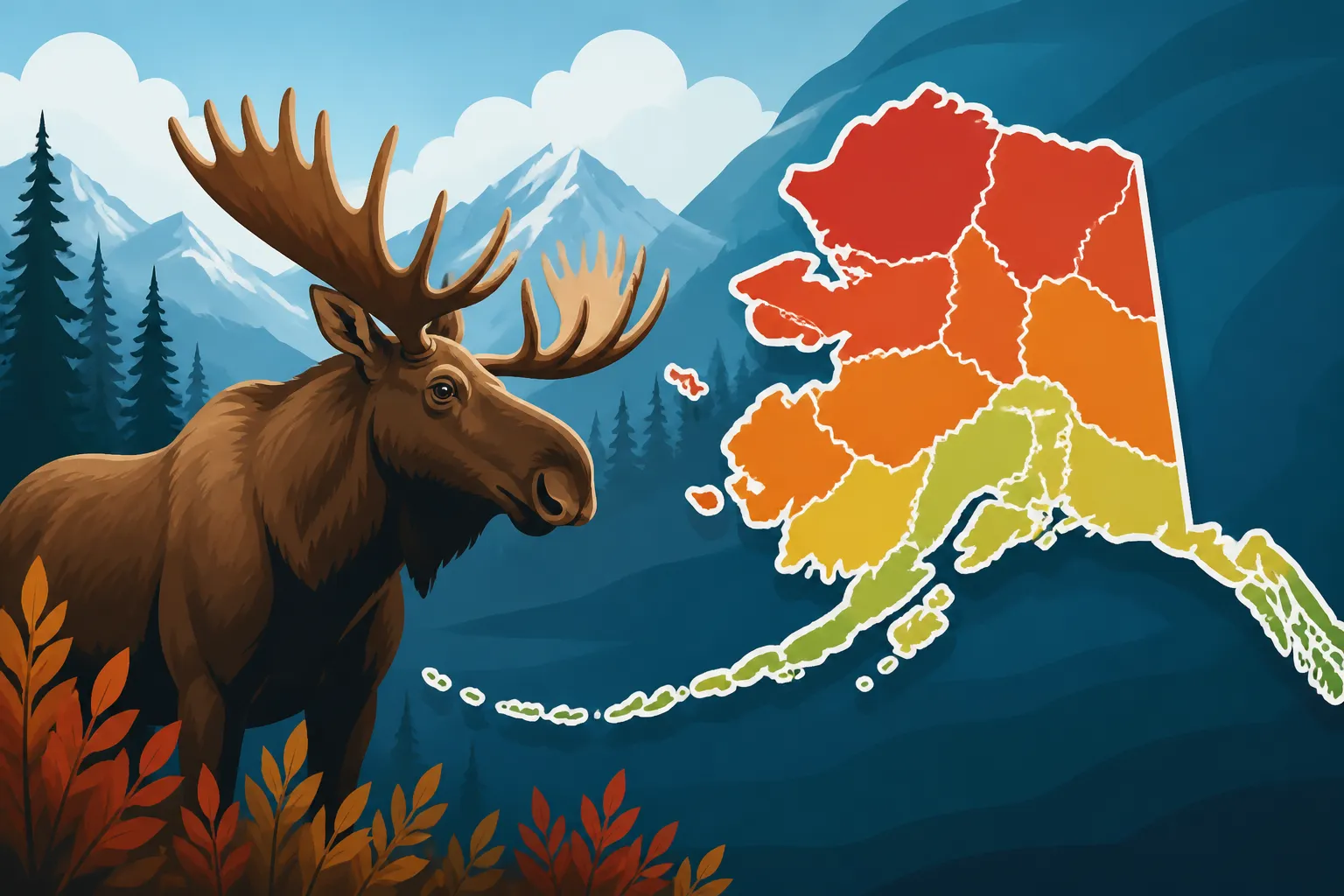
Before you even start looking at dates, you absolutely need to understand Game Management Units (GMUs). Imagine Alaska divided into large, numbered sections on a map – these are your GMUs. Each GMU is then often broken down further into sub-units (e.g., GMU 13, then 13A, 13B, 13C, etc.). ADF&G uses these boundaries to implement very specific hunting regulations. So, while GMU 13 might have a general season, GMU 13A could have a completely different opening date, duration, and set of antler restrictions. This localized system is designed to allow precise management of wildlife resources, but it places the onus on the hunter to meticulously check the regulations for the exact area they intend to hunt. Overlooking these distinctions is a common mistake that can lead to being in the wrong place at the wrong time, or worse, facing a citation. If you’re not sure how these units are laid out, spend some time studying What Each Alaska Unit Number Means on a Map.
General Moose Season Openers by Region
While the specifics always require a deep dive into the regulations booklet, we can generally categorize opening dates by major regions to give you a starting point. This broad overview can help you narrow down your focus when considering your next Alaskan moose adventure.
Interior Alaska: Early & Often
The vast Interior of Alaska is often where many general moose seasons kick off. Think of areas like GMUs 20A, 20B, 20C, 20D, 20E (Fortymile Country), 25C, 25D, 12, and much of GMU 19. Here, it's not uncommon to see general moose seasons, often with antler restrictions, opening in early to mid-September. Some specific hunts might even open in late August. This timing often aligns with when bulls are still actively feeding and before the peak of the rut, though pre-rut activity can certainly begin. For example, Unit 20A in the Tanana Flats is known for its robust moose population and often offers seasons with specific antler restrictions during September. Many of these interior areas feature significant expanses of Moose habitat in Alaska burn scars, which can concentrate animals and influence season structures, sometimes allowing for earlier or more extended opportunities. These earlier dates can be appealing to hunters looking to avoid the deep cold of late fall, but they also mean dealing with warmer weather and the challenges of Meat care in 50-degree September weather.
Southcentral & Kenai Peninsula: Balancing Access & Harvest
Moving south, particularly into the more accessible areas like the Kenai Peninsula (GMU 7, 15), the Mat-Su Valley (GMU 14), and the Nelchina Basin (GMU 13), season dates can be a bit more varied and often come with tighter restrictions due to higher hunter pressure and unique population dynamics. For many areas in Southcentral, seasons often open in mid-September, though some draw or registration hunts might have earlier or later specific windows. You'll find a lot of antler-restricted hunts here – requiring bulls to meet criteria like spike-fork, 50-inch spread, or a certain number of brow tines – to protect younger bulls and manage herd demographics. For instance, the Kenai Peninsula, despite its reputation for large moose, has a high Moose density on the Kenai Peninsula, which leads to very specific regulations to manage hunter pressure and maintain population health. Always double-check the exact sub-unit you're looking at, as a small boundary can mean a big difference in legal harvest dates and methods.
Coastal & Southeast Alaska: Later Openers & Unique Challenges
Moose hunting in coastal and Southeast Alaska (GMUs 1, 6, 7, 15 specifically on the western side of the Kenai) offers a different set of challenges and, consequently, different season dates. While moose populations here aren't as dense or widespread as in the Interior, opportunities do exist. Seasons in these regions might open later, often in late September or even early October, and can be very specific to certain drainages or limited areas. Access is also a significant factor, often requiring boat or floatplane transport. For example, some units on the mainland side of Southeast Alaska might have very limited, later moose seasons, which hunters typically access via a series of boat trips up estuaries and rivers. These later dates can put you right in the thick of the rut but also increase the chances of encountering inclement weather.
The Nuances of Antler Restrictions and Hunt Types
Beyond the opening dates, the type of moose you're allowed to harvest and the kind of permit you need are equally critical pieces of the puzzle. Overlooking these details is where many hunters, especially those new to Alaska, can run into trouble. It's not enough to know the season is open; you need to know what is open to harvest and how you can hunt it.
Spike-Fork, 50-Inch, and 3 Brow Tines: Decoding Legal Bulls
Alaska's antler restrictions are designed to manage bull age structures and herd productivity, but for hunters in the field, they can be a real challenge to decipher quickly and accurately. The three most common restrictions you'll encounter are:
- Spike-Fork: This means a bull must have at least one antler with a single spike (unbranched tines) or two tines (forked). This is often an attempt to protect mature bulls while still allowing some harvest of younger animals.
- 50-Inch Spread: The antlers must measure at least 50 inches across at their widest point. Judging this in the field, especially from a distance or in varying light, is notoriously difficult and causes immense anxiety among hunters. Many hunters carry a rifle with a specific length to use as a field reference (e.g., if their rifle is 40 inches long, they know they need a bull with substantially more antler sticking out on either side).
- 3 Brow Tines: This restriction requires a bull to have at least three tines on one of its brow palms. Again, this is hard to count quickly and accurately, especially if the bull is moving or if brush obstructs the view.
Many areas, particularly in Southcentral Alaska, have "either a spike-fork or 50-inch spread or 3 brow tines" regulations. This means the bull has to meet at least one of those criteria. The frustration comes from the fact that a large, magnificent bull might not meet any of these specific criteria, rendering it illegal to harvest in that particular unit. It's absolutely crucial to thoroughly understand these rules for your chosen GMU. You can find detailed information on these specific legal requirements by checking into Alaska Moose Antler Restriction Areas. Remember, ADF&G prioritizes the conservation of the resource, and these regulations are a core part of that strategy, even if they add layers of complexity for hunters.
General Hunts, Registration Hunts, and Draw Permits
Beyond antler restrictions, the type of hunt itself dictates when and how you can participate:
- General Hunts: These are the most straightforward. If you have the correct hunting license and locking tags, you can hunt within the specified season dates and bag limits for a given GMU, provided you meet any antler restrictions. These often have set opening and closing dates that rarely change mid-season, unless extreme circumstances (like an emergency order) dictate otherwise.
- Registration Hunts (RM Series): These hunts require you to obtain a "registration permit" in addition to your license and locking tags. The key feature of registration hunts is that they are often quota-based and can close early by emergency order once a certain harvest number is reached. This means that while the season might officially open on a specific date, it could close unexpectedly days or weeks later. You are required to check the ADF&G website or call a hotline frequently to ensure the hunt is still open. Many popular moose hunts, especially those closer to road systems, are managed this way.
- Draw Permits (DM Series): These are the most exclusive and highly sought-after hunts. You apply for these permits months in advance through a lottery system, and if successful, you receive a permit for a specific unit, species, and often a very specific season window. The opening and closing dates for draw permits are fixed once awarded. Understanding the application process for these is vital, and you can learn more about How Alaska's Big Game Drawing Permits Work.
Each of these hunt types has different implications for when you can plan your trip and the certainty of those dates. Alaska Harvest Tickets, Registration Permits and Draw Permits outlines the specific documentation you'll need for each type of hunt.
Key Factors Influencing Season Adjustments
You might have the regulations booklet open, see a date, and think you're set. But Alaska's dynamic environment means that season dates, particularly for registration hunts, aren't always set in stone. Being aware of the factors that can lead to changes is crucial for a successful and legal hunt.
Population Dynamics and Winter Severity
Moose populations are not static; they ebb and flow with a variety of environmental pressures. One of the biggest drivers of these fluctuations is winter severity. A particularly cold winter with deep, persistent snow can lead to significant moose mortality, especially among calves and older animals. Conversely, several mild winters in a row can see populations boom. Predation also plays a massive role. High Predation pressure on Alaska moose calves from bears and wolves can suppress moose numbers, directly impacting the harvestable surplus available to hunters.
ADF&G monitors these dynamics through aerial surveys, field observations, and harvest data. If, for instance, a unit experiences a severe winter and biologists observe a significant decline in calf recruitment or adult survival, they might adjust upcoming seasons. This could mean shortening a season, reducing bag limits, or even implementing new antler restrictions to allow the population to recover. These biological realities are the foundation of adaptive wildlife management in Alaska.
Emergency Orders and Quota Closures
This is perhaps the most critical factor to be aware of, especially for registration hunts. An "Emergency Order" (EO) is a regulatory action taken by ADF&G to change hunting regulations quickly in response to unforeseen circumstances, such as a rapidly met quota, unusual weather patterns, or a sudden change in animal behavior.
For registration hunts, EOs are commonly used to close a season early when the harvest quota for a specific area is met. Let's say a hunt is open until September 25th, but an influx of hunters or favorable conditions leads to the quota being reached by September 10th. ADF&G will issue an emergency order, and the season will close, sometimes with very little notice. This can be incredibly frustrating if you've flown into a remote camp, only to find out the hunt closed the day before you arrived.
This is not a theoretical concern; it happens every year across Alaska. Therefore, it is imperative for anyone participating in a registration hunt to check the ADF&G emergency orders page daily leading up to and during their hunt. Ignoring this vital step can result in hunting out of season, which carries significant penalties. You can find comprehensive details on how these vital announcements work and how to stay current by reviewing Alaska Emergency Orders That Close a Season Early.
Essential Tools and Strategies for Staying Informed
Given the complexity, simply hoping for the best isn't a strategy in Alaska. You need proactive tools and habits to ensure you're hunting legally and effectively. The responsibility rests squarely on the hunter to know the rules.
Navigating the ADF&G Regulations Booklet
The official Alaska Hunting Regulations booklet is your bible. It's thick, dense, and can be intimidating, but it contains every detail you need. Don't just skim it; read it. Pay particular attention to:
- Introduction and General Regulations: This section covers statewide rules that apply to all hunts.
- Unit-Specific Regulations: Find your target GMU and meticulously read all the regulations pertaining to moose within that unit and any relevant sub-units. This includes opening/closing dates, bag limits, antler restrictions, and any special provisions.
- Hunt Type Information: Understand the difference between general, registration, and draw hunts as they apply to your specific area.
- Reporting Requirements: Note deadlines for harvest tickets and reports.
Many hunters find it helpful to highlight key dates and restrictions for their chosen unit, or even create a simplified cheat sheet for quick reference in the field. Don't be afraid to read sections multiple times until you fully grasp the nuances. For a thorough understanding of how to obtain and use this critical resource, refer to Where to Get the Alaska Hunting Regulations Booklet.
Leveraging Online Resources and Tools
In today's digital age, relying solely on a printed booklet isn't enough. The internet offers invaluable, up-to-the-minute resources:
- ADF&G Website: The official ADF&G website is the single most important online resource. Bookmark the emergency orders page, the regulations page (which often gets updated before printed booklets are widely available), and the hunt-specific pages for any registration or draw permits you're interested in. Regularly check for news releases.
- Online Mapping Software: Tools like Gaia GPS, onX Hunt, and even Google Earth with overlaid GMU boundaries are indispensable. They allow you to visualize unit boundaries in relation to terrain, access points, and potential hunting areas. This is especially useful when dealing with sub-unit boundaries that might follow subtle topographical features. You can also use these tools for Scouting a Unit From Satellite Imagery Before You Fly, identifying promising areas before you even set foot in Alaska.
- Hunting Planning Platforms: Specialized platforms like GoHunt provide incredibly detailed information compiled from ADF&G data. They can offer unit breakdowns, season dates, harvest statistics, and even draw odds in a user-friendly interface. While the official regulations are always the final authority, a platform like GoHunt can be a fantastic way to research and organize all this complex information, helping you sift through potential GMUs and quickly understand their specific moose regulations and opening dates without having to pore over dozens of pages for each unit. Many GoHunt users find it streamlines the research phase immensely, helping them identify promising opportunities that fit their desired hunt style and timing.
- Social Media/Forums: While less official, local Alaska hunting groups on social media or dedicated forums can sometimes offer real-time (though unofficial) insights into current conditions, recent emergency orders, or local access issues. Always verify any information from these sources with official ADF&G channels.
Planning Your Moose Hunt Around Opening Dates
With so many variables, planning a moose hunt around opening dates requires strategic thinking. Are you after the earliest possible opportunity, or are you holding out for the rut? Each approach has its pros and cons.
Early Season Opportunities and Challenges
Hunting right at the season opener, usually in early to mid-September for many Interior units, has its distinct advantages. The weather can often be milder, which is a huge plus when it comes to Meat care in 50-degree September weather. Bugs might be less intense than in August, but they can still be present. Bulls are typically in their summer feeding patterns, focused on putting on weight before the rut. This means they can be found in predictable areas with good browse, like willow flats or regenerating burn areas. You might not hear much calling activity, but glassing and still-hunting can be very effective.
However, the warmer temperatures, while good for comfort, present a significant challenge for meat preservation. You'll need to be meticulous about cooling your carcass quickly and thoroughly. Bears are also still very active, especially in areas with available food sources. Early season also means velvet antlers might still be present on some bulls, which impacts their appearance and can require special care for trophy preservation.
Mid-to-Late Season: Rut Activity and Colder Weather
As September progresses into late September and early October, especially in Southcentral and some Interior units, moose transition into the rut. This period, typically peaking around the last week of September and first week of October for many parts of Alaska, can be an exciting time to hunt. Bulls become much more vocal and mobile, actively seeking cows. This is when tactics like Calling Bull Moose During the Alaska Rut with a scapula or cow call become incredibly effective, drawing curious or aggressive bulls into range. For specific techniques, you might look into Calling Moose in Alaska With a Scapula and a Cow Call.
The trade-off for this increased activity is typically colder, more unpredictable weather. Snow is common, especially at higher elevations, and temperatures can plummet. While colder weather is great for meat preservation, it demands more robust gear, better layering, and a higher level of preparedness for adverse conditions. Access might become more difficult due to snow, and bush flights can be delayed. While the rut makes bulls easier to locate by sound, their focus on breeding can also make them less cautious, presenting unique shot opportunities, but also creating scenarios where they might bust through dense cover quickly. For a detailed look at this crucial period, explore When the Alaska Moose Rut Peaks.
| Game Management Unit (GMU) | General Opening Date (Bull Moose) | Typical Antler Restrictions | Special Notes |
|---|---|---|---|
| 13 (Nelchina Basin) | Sept 1 (or later, RM hunts) | Spike-Fork or 50" or 3 Brow | Often Registration Hunt, quota-based |
| 14 (Mat-Su Valley) | Sept 1 or 5 (varies by sub-unit) | Spike-Fork or 50" or 3 Brow | High pressure, check specific sub-unit (14A, 14B) |
| 16 (Susitna Valley) | Sept 1 or 5 (varies by sub-unit) | Spike-Fork or 50" or 3 Brow | Mixed general and registration hunts |
| 20A (Tanana Flats) | Sept 1 or 5 (varies by sub-unit) | Spike-Fork or 50" or 3 Brow | Road-accessible areas, specific draw hunts also |
| 20B, 20C (Fairbanks Area) | Sept 1 or 5 (varies by sub-unit) | Often Spike-Fork or 50" | Some remote fly-in opportunities |
| 20E (Fortymile) | Sept 1 (or later, RM hunts) | General bull or antler-restricted | Caribou also present, check specific zone |
| 21 (Middle Yukon) | Sept 1 (some areas) | General bull | Remote, fly-in or boat access |
| 25D (Yukon Flats) | Sept 1 (some areas) | General bull | Remote, excellent trophy potential |
Note: This table provides general examples. ALWAYS consult the current Alaska Hunting Regulations for the exact, up-to-date information for your chosen GMU and hunt number.
Disclaimer
The information provided in this guide is for general informational purposes only and is subject to change. Hunting regulations in Alaska are complex and can change frequently via emergency order. It is the sole responsibility of the hunter to consult the most current Alaska Department of Fish and Game (ADF&G) hunting regulations booklet, emergency orders, and other official sources before planning and executing any hunt. Failure to do so may result in legal penalties.