Who Qualifies for Alaska Tier I Permits
It's incredibly frustrating trying to make sense of Alaska's hunting regulations, especially when you start diving into the specifics of permits and what you're actually allowed to hunt. The rules can feel like a labyrinth, and one area that often causes confusion is the distinct world of subsistence hunting, particularly the Tier I permit system. This guide is here to untangle the complexities of who truly qualifies for Alaska Tier I permits, breaking down the requirements and helping you understand if this pathway is right for you.
Understanding Alaska's Subsistence Framework
Before we dig into the nitty-gritty of Tier I permits, it’s vital to grasp the larger context of subsistence hunting in Alaska. Unlike general hunting, which is primarily recreational, subsistence hunting is deeply rooted in the concept of using wild resources for personal or family consumption – a way of life that has sustained Alaskans for generations. It’s not just about filling your freezer; it’s about cultural heritage, economic necessity, and a connection to the land that’s fundamentally different from a typical sport hunt.
The State of Alaska defines subsistence as the "customary and traditional uses" of wild resources. This isn't just a legal phrase; it dictates who can participate and how hunts are managed. The state's management objectives for subsistence prioritize these customary and traditional users, often giving them preference over general recreational hunters when wildlife populations are limited. This is where the complexities begin, and why understanding the different permit types, like Tier I, is so crucial for any Alaskan hunter.
The Core Idea Behind Subsistence
At its heart, subsistence hunting in Alaska is about providing food, shelter, clothing, tools, and even handicrafts for a household. It’s a recognition that for many Alaskans, especially those in rural communities, wild game and fish aren't just a supplement to their diet; they are a primary source of sustenance. This isn't a modern invention; it's a practice that predates statehood and continues to be a cornerstone of life in many parts of the Last Frontier. The regulations are designed to safeguard these practices, ensuring that those who rely on the land continue to have access to its bounty.
Imagine a family living far off the road system, where grocery stores are distant and expensive, and a moose or a caribou represents hundreds of pounds of vital protein for the winter. This is the reality for many, and the subsistence framework aims to support that lifestyle. It’s a testament to Alaska’s unique relationship with its wild places and a legal mandate to preserve traditional ways of life. When you see a discussion about the Tier II Application Scoring, you're seeing another layer of this commitment to ensuring equitable access for those most dependent.
State Versus Federal Jurisdictions
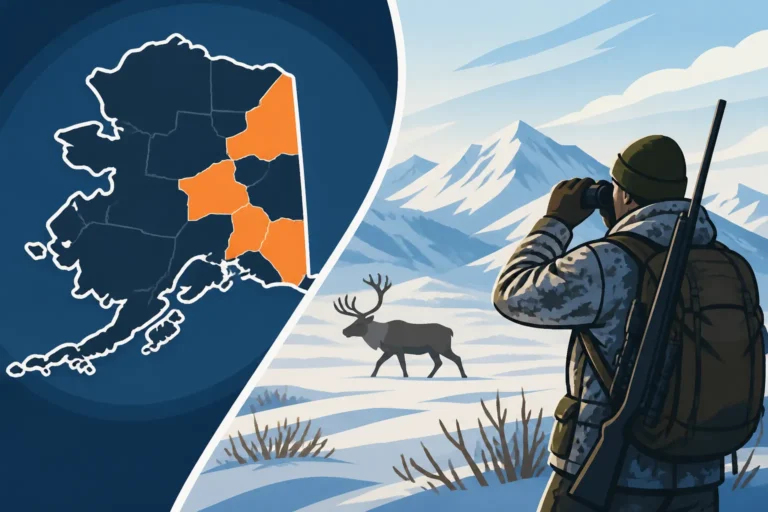
One of the biggest head-scratchers for new and even seasoned Alaskans is navigating the dual management system of state and federal subsistence. In Alaska, both the state and federal governments have their own sets of subsistence regulations, which can sometimes overlap or even conflict depending on land ownership. State-managed subsistence opportunities, like the Tier I system, apply primarily to state lands and waters. However, federal subsistence regulations govern hunting on federal public lands, such as national wildlife refuges, national parks, and preserves.
The key distinction to remember for Tier I permits is that they fall under the state's jurisdiction. While the spirit of subsistence is similar between state and federal systems, the specific criteria for eligibility and the application processes differ. This can create a maze of rules, especially if you hunt across different land statuses. Knowing whether you're on state or federal land is the first step in understanding which set of regulations and permits applies to your hunt. It's not uncommon for hunters to use resources like GoHunt to research these land status boundaries and ensure they're complying with the correct jurisdiction's rules. For a broader overview, you might want to look into Federal Subsistence Hunting on Alaska Public Lands.
Eligibility for Tier I Permits: The Basics
So, let's get down to brass tacks: who actually qualifies for one of these coveted Tier I permits? The Alaska Department of Fish and Game (ADF&G) issues Tier I permits for hunts where the demand from subsistence users exceeds the available supply of animals, but where the total number of subsistence users still allows for the harvest without a more restrictive Tier II system. The system works to distribute limited harvest opportunities fairly among eligible Alaskans.
To qualify for an Alaska Tier I permit, you must meet stringent criteria, primarily centered around your residency and your demonstrated reliance on wild resources. It’s not a general permit that anyone can apply for; it’s specifically for Alaskans who actively participate in a subsistence way of life. The application often requires detailed information about your past harvests and your community's reliance on these resources, highlighting a significant difference from how Alaska Harvest Tickets, Registration Permits and Draw Permits operate for general hunts.
Residency Requirements
First and foremost, to even consider applying for a Tier I permit, you absolutely must be an Alaska resident. This isn't a negotiable point. Non-residents, regardless of their connection to the state or their hunting experience, are simply not eligible for Tier I or Tier II subsistence permits. The state’s definition of residency is clear: you must be physically present in Alaska with the intent to remain indefinitely, and meet certain time thresholds, typically 12 consecutive months immediately preceding the application.
This residency requirement isn't just a formality; it’s fundamental to the entire subsistence program. The system is designed to benefit Alaskans who live in and contribute to the state, and often, those who reside in specific rural communities that have historically relied on these resources. If you're new to Alaska, understanding Alaska Residency Requirement for Subsistence Hunts is your first step before even dreaming of a Tier I permit.
The "Customary and Traditional Use" Criteria
Beyond just being an Alaska resident, you must demonstrate a "customary and traditional use" of the wild resource for which you are applying. This is the bedrock of subsistence eligibility and it’s where many general recreational hunters might not qualify. The ADF&G assesses this through various factors, often using questionnaires that ask about your family’s history of subsistence use, the methods you employ, and the importance of wild foods to your diet and lifestyle.
Think about it: do you gather berries? Do you fish extensively for salmon to put up for the winter? Is hunting your primary means of acquiring meat for your household? These are the types of questions that help the state determine if your use is indeed "customary and traditional." It’s about proving a consistent, long-term pattern of reliance, rather than just an occasional trip to the woods. This is why when applying, it's crucial to be thorough and honest about your connection to these practices.
Economic Dependence as a Factor
While "customary and traditional use" is paramount, economic dependence on wild resources is another significant factor in determining Tier I permit eligibility. This doesn't necessarily mean you have to be living below the poverty line, but it does mean that wild game and fish contribute substantially to your household's food security and economy. For many rural Alaskans, purchasing meat from a grocery store is either prohibitively expensive or simply not an option due to lack of access. In these situations, the ability to harvest wild game becomes an economic necessity.
The application might ask you to describe how wild resources fit into your overall household economy, how much store-bought food you typically purchase, and how far you live from commercial sources. This isn't to pry, but to confirm that you truly rely on these resources as a part of your daily life, rather than just as a recreational pursuit. This aspect is often detailed further when discussing What Alaska's Tier II Application Asks About Dependence, illustrating the depth of inquiry into a hunter's reliance on these resources.
The Application Process for Tier I Permits
Alright, so you’ve reviewed the eligibility criteria and believe you meet the mark. What’s next? The application process for Tier I permits, while distinct from general draw permits, still requires careful attention to detail and adherence to strict deadlines. It’s not something you can rush; it often involves gathering specific information and articulating your connection to subsistence effectively. Using a platform like GoHunt can be helpful for keeping track of opening and closing dates for various permit applications across the state.
Generally, these permits are announced through ADF&G, and applications are made available online or at local Fish and Game offices. You'll need to pay close attention to the specific hunt numbers and areas, as Tier I permits are typically managed for particular game species within defined Game Management Units (GMUs) or subunits. It's a precise system, ensuring that harvest quotas are met without over-pressuring local wildlife populations.
Gathering Necessary Documentation
Before you even fill out the form, take the time to gather any documentation that might support your claim of customary and traditional use and economic dependence. While not always explicitly required for Tier I, having a clear understanding of your household's reliance on wild game for food is critical for your narrative on the application. This could include previous harvest reports, historical family ties to subsistence, or even a detailed account of your food sources throughout the year.
For many applicants, simply being honest and detailed about their hunting history and current practices is enough. The key is to convey a genuine, consistent pattern of subsistence activity. Make sure your Alaska Hunter Education Card Requirements are up to date, as this is a basic prerequisite for any hunting in Alaska.
Navigating the Application Form
The Tier I application form itself will guide you through the required information. You'll be asked about your Alaska residency, your past hunting history, the importance of wild game to your diet, and perhaps questions about your community's reliance on subsistence. Be thorough and truthful. Don’t exaggerate or omit information, as any discrepancies could jeopardize your application.
Each section is designed to help ADF&G determine your eligibility against the legal definitions of subsistence. It’s not just about proving you can hunt; it’s about proving you fit the established criteria for a subsistence user. If you're having trouble, don't hesitate to reach out to a local ADF&G office or community council; they often have resources to help applicants navigate the process. Remember, these permits are highly localized, so the specifics can vary significantly depending on the Game Management Unit and the species being hunted.
Important Deadlines and Notifications
Like all hunting permits, Tier I permits come with strict application deadlines. Missing these deadlines means you won't be considered for the permit that season, plain and simple. ADF&G typically announces permit application periods well in advance, and it's your responsibility to stay informed. Many Alaskans subscribe to ADF&G email lists or regularly check the department's website for updates. Resources like GoHunt can also often compile these deadlines, making it easier to keep track.
Once the application period closes, it takes time for ADF&G to process applications and determine eligibility. If successful, you'll be notified, often by mail or email, and given instructions on how to claim your permit. It’s important to monitor your notifications closely, as there might be a limited window to accept your permit. Additionally, remember your Alaska Harvest Report Deadline After the Hunt – failing to report a harvest, even from a subsistence permit, can impact your future eligibility.
Practical Implications of a Tier I Permit
Securing a Tier I permit isn't just a piece of paper; it comes with specific responsibilities and opportunities. These permits are designed to manage harvest sustainably while upholding the priority of subsistence. Understanding what that means for your actual hunt is just as important as knowing how to apply.
The permit will specify the species, the number of animals you can harvest (bag limit), the hunting area, and the season dates. These are often much more restrictive than general season hunts, or they might open seasons at times designed specifically for subsistence users. It's a privilege, not a right, and adherence to the conditions is paramount for the long-term health of the wildlife populations and the subsistence program itself. For detailed regulations on specific species and units, always consult the current Alaska Hunting Seasons and Tag Rules Explained booklet.
Species and Hunt Areas Covered
Tier I permits are typically issued for specific species in areas where subsistence demand outstrips supply, but where populations can still sustain a regulated harvest. You'll often find these for moose, caribou, and sometimes other species critical to local subsistence economies. The permits are highly geographically specific, often covering only one Game Management Unit or even a subunit. You cannot transfer a Tier I permit from one area to another, nor can you use it for a species not listed on the permit.
The idea is to precisely control harvest in areas that need it most. For example, a Tier I permit might be issued for a particular portion of the Fortymile Caribou Herd range, with quotas specifically tailored to that segment of the population. This contrasts sharply with some general season hunts which might cover much larger swaths of the state.
Reporting Requirements and Quotas
One of the most critical aspects of holding a Tier I permit is the strict reporting requirement. Every Tier I permit holder is obligated to report their harvest, even if they don't successfully take an animal. This data is absolutely essential for ADF&G biologists to monitor harvest levels, assess wildlife populations, and make informed management decisions for future seasons. Without accurate reporting, the system breaks down, and future subsistence opportunities could be jeopardized.
Failure to report can lead to penalties, including fines and the loss of eligibility for future subsistence permits. These hunts often operate under specific quotas, and when the quota is met, the season can close prematurely via an emergency order. This makes prompt reporting even more critical. Keep an eye on announcements and official channels for Alaska Emergency Orders That Close a Season Early so you're always aware of current hunt statuses.
Avoiding Common Pitfalls
Navigating the subsistence world in Alaska can be tricky, and there are a few common pitfalls to avoid:
- Misunderstanding Land Status: Always know whether you're on state or federal land, as different rules apply.
- Assuming Eligibility: Don't assume you qualify just because you're an Alaska resident. You must meet the "customary and traditional use" and economic dependence criteria.
- Ignoring Reporting Requirements: This is a big one. Report your harvest, or lack thereof, on time, every time.
- Hunting Out of Zone: Your Tier I permit is specific to a geographic area. Do not hunt outside that designated area.
- Failing to Verify Closures: Seasons can close early on quota. Always check for emergency orders before you head out.
Being an ethical and informed hunter means doing your homework. Leverage resources like ADF&G's official website, local Fish and Game offices, and even community forums. Platforms such as GoHunt also provide a space for hunters to discuss regulations and share experiences, helping to clarify common misunderstandings.
Tier I Permit Eligibility Overview
To help clarify the core differences and requirements, here's a table summarizing the key aspects of Tier I permits compared to a general hunting license pathway for Alaska residents.
| Feature | Alaska Tier I Permit (Subsistence) | Alaska General Hunting License (Resident) |
|---|---|---|
| Primary Purpose | Customary & Traditional Use; Economic Dependence for Food | Recreational, Sport Hunting |
| Residency Required | Yes (Strict: 12+ months) | Yes (12+ months for resident rates) |
| "Customary & Traditional" | Required and assessed through application | Not required |
| Economic Dependence | Considered a significant factor | Not considered |
| Application Process | Specific application, often with detailed questions | Purchase license, may apply for draw/registration hunts |
| Permit Issuance | Limited; based on eligibility, demand, and resource levels | Readily available upon purchase (some hunts require draws) |
| Hunt Areas | Highly specific, often smaller management units | Broader, general hunting units |
| Reporting | Mandatory, even if no harvest | Mandatory for most species |
| Non-Resident Eligibility | No | Yes (but higher costs and specific species limitations) |
Disclaimer
The information provided in this guide is intended for general informational purposes only and does not constitute legal advice. Hunting regulations in Alaska are complex and subject to change. Always consult the most current Alaska Department of Fish and Game (ADF&G) regulations, emergency orders, and official publications before planning or engaging in any hunting activities. It is the hunter's responsibility to know and follow all applicable state and federal laws and regulations.