Weight Limits on a Super Cub Drop
Planning for an Alaska hunting trip often involves a dizzying array of gear, and the excitement can quickly turn to frustration when you realize your bush plane has a strict weight limit. Many hunters, especially those new to remote Alaska, underestimate the critical importance of payload capacity on a Super Cub, leading to difficult choices at the airstrip or even unexpected additional costs. This guide will walk you through everything you need to know about understanding, planning for, and managing weight limits on a Super Cub drop, ensuring your gear makes it to camp without a hitch.
The Realities of Super Cub Weight Limits for Alaska Hunters
When you book a remote hunt in Alaska, especially one involving a classic Super Cub, you're not just buying a ride; you're entering a partnership with gravity, aerodynamics, and the realities of bush flying. These small, iconic aircraft are the workhorses of the Alaskan wilderness, capable of landing on incredibly short, unimproved strips, but their utility comes with a non-negotiable caveat: strict weight limitations. Understanding these isn't just about saving money; it's fundamentally about safety and the pilot's ability to operate the aircraft within its performance envelope, especially in challenging mountain or tundra environments.
The Super Cub, like any aircraft, has a maximum gross takeoff weight (MGTOW) that cannot be exceeded. This isn't some arbitrary number; it's engineered for safe flight. Every pound over that limit compromises performance, affecting takeoff distance, climb rate, and overall handling, which can be disastrous in the short, soft, or high-altitude strips common in Alaska. Pilots are constantly calculating density altitude, runway conditions, and the weight of fuel, themselves, and your gear to ensure a safe flight. A fully loaded plane struggling to get airborne from a short gravel bar, especially with rising temperatures or strong crosswinds, is a recipe for disaster.
Moreover, the placement of weight within the aircraft is just as crucial as the total weight. A Super Cub has specific centers of gravity (CG) that must be maintained. Too much weight in the tail, for example, can make the plane unstable and difficult to control, particularly during takeoff and landing. This is why your pilot will often ask to rearrange your gear, even if the total weight is acceptable, ensuring everything is balanced correctly for the flight. It’s a delicate dance between packing efficiency and aeronautical necessity, and your cooperation with the pilot's instructions is paramount to a successful and safe flight.
Why Super Cubs Are Different from Other Bush Planes
While there are many types of bush planes in Alaska, the Super Cub is in a league of its own for truly remote, short-strip access, and that specialization dictates its weight limitations. Larger aircraft, like a De Havilland Beaver or Otter, can carry significantly more payload and are often used for larger groups or hunts closer to established airfields. However, these larger planes need longer, more improved landing areas. The Super Cub's advantage is its ability to access truly wild, tiny strips, sometimes no more than a few hundred feet long, on river gravel bars, tundra bumps, or mountain benches.
This incredible STOL (Short Takeoff and Landing) capability is achieved through its lightweight design and powerful engine for its size, but it's a trade-off. It simply cannot handle the sheer bulk and weight that a Beaver can. Think of it like comparing a nimble ATV to a heavy-duty pickup truck; both are excellent at what they do, but for different terrains and different loads. Your pilot might be able to squeeze an extra 50 pounds into a Beaver without much fuss, but that same 50 pounds on a Super Cub could be the difference between getting off the ground safely or not.
The internal space is also a factor. A Super Cub has limited cargo areas – often a small compartment behind the seat, a baggage tube, and sometimes wing pods or a belly pod. These aren't just weight-restricted; they're also volume-restricted. Even if your gear is light, if it's too bulky, it simply won't fit. This is why compact, modular packing is so essential for Super Cub hunts. Items like long rifle cases, hard-sided coolers, or oversized dry bags can quickly become problematic, even if they're not exceeding weight limits on their own.
The Pilot's Responsibility and Your Role
Your air taxi pilot holds the ultimate responsibility for the safety of the flight. They are the final authority on what goes into the plane and where it's placed. This isn't them being difficult; it's their job, their license, and often their life on the line. When they tell you something can't go, or needs to be rearranged, it's not a negotiation. They're making a critical safety decision based on their experience, current conditions, and aircraft limitations.
As the hunter, your role is to be honest, prepared, and flexible. Start by being upfront with your transporter pilot about your anticipated gear and total weight. Many outfitters provide detailed gear lists and suggested weights per person, and resources like GoHunt often offer valuable checklists. It's much better to have an honest conversation beforehand about a potential overweight situation than to spring a surprise on them at the departure airstrip. This might involve Splitting Gear Across Two Air Taxi Loads if you have too much for a single trip, which will naturally add to your overall flight cost.
Be prepared to offload non-essential items or even leave them behind if absolutely necessary. While frustrating, it's part of the remote hunting experience. This also extends to your personal weight. Some air taxis will ask for your body weight because it factors into their calculations. Honesty here is crucial for accurate planning. Remember, the goal is to get you and your essential gear safely to your hunting grounds and back out again, hopefully with some hard-earned meat and a trophy.
Mastering Your Payload: Calculating and Cutting Weight for Your Drop-Off
Successfully managing weight limits on a Super Cub drop-off is less about hoping for the best and more about meticulous planning and ruthless prioritization. The moment you book your hunt, your brain should already be in "ounces count" mode. Every item you consider bringing must earn its place in your pack by being absolutely essential or offering significant utility for its weight. This is where the rubber meets the road for remote Alaska hunting.
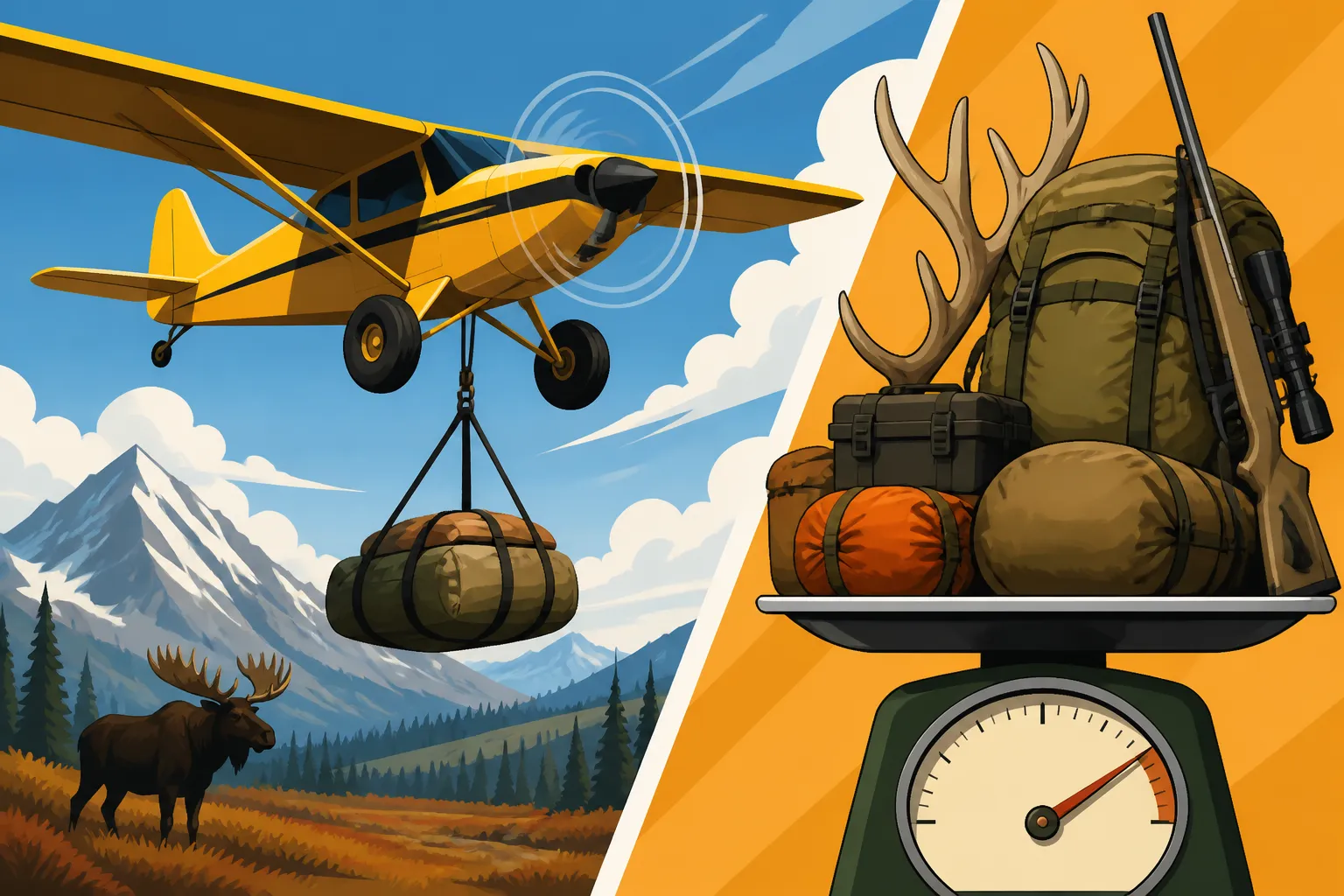
The average payload capacity for a Super Cub, beyond fuel and pilot, typically hovers around 300-500 pounds, depending on the specific model, modifications, and, critically, the fuel load required for the flight. A longer flight to a more remote destination means more fuel, which directly reduces the available payload for your gear. If you're going into deep backcountry for a Dall sheep hunt, the pilot might need to carry enough fuel for the round trip plus reserves, leaving less capacity for your heavy pack. This is why early and clear communication with your air taxi service is so vital, as they can give you a more accurate estimate for your specific trip.
Remember, this total payload isn't just for you; it's for all your gear. If you're hunting with a partner, you'll need to split that capacity. For example, if the aircraft can safely carry 400 pounds of payload for a 1-hour flight and you're two hunters, that's roughly 200 pounds per person, including your rifle, optics, sleeping system, food, and emergency supplies. It's a tight squeeze, and understanding this upfront will fundamentally change how you approach your packing list.
Accurately Weighing Your Gear Before the Trip
The first, and perhaps most overlooked, step in managing your payload is accurately weighing everything you plan to bring, down to the last sock. Don't eyeball it; don't guess. Invest in a decent hanging scale or use your bathroom scale. Weigh each major item: your backpack fully loaded, your rifle and ammunition, your food bag, sleeping system, tent, and any shared items like a stove or satellite communication device. Compile a detailed spreadsheet. This might seem extreme, but it's the only way to avoid nasty surprises at the air taxi office.
Consider packaging. Soft-sided duffels and dry bags are generally preferred over hard cases for two reasons: they're lighter, and they're more pliable, allowing the pilot to fit them into odd-shaped compartments or wing pods. A rigid rifle case, while offering excellent protection, can be surprisingly heavy and bulky. Many hunters opt for a soft rifle case for the flight, then transfer their rifle to a more robust, padded sling once in the field. When planning for your rifle, consider what works best for a Rifle Choice for Alaska Brown Bear Country or other specific species, keeping weight in mind.
It's also crucial to factor in the weight of fuel for your stove and any specialized fluids. While seemingly small, these add up. A typical 8-day hunt for two people might require several liters of white gas or propane canisters, adding 5-10 pounds. Every item, no matter how small, contributes to the overall load. This is a critical exercise for any hunter preparing for a fly-in trip; it helps you visualize the space and weight constraints long before you're standing on the tarmac.
Ruthlessly Prioritizing and Trimming Unnecessary Weight
Once you have your comprehensive weight list, the real work begins: cutting. Go through your list item by item and ask yourself: "Is this absolutely essential for safety, survival, or the success of the hunt?" If the answer is anything less than a resounding "yes," it should be re-evaluated.
Here are common areas where hunters can trim significant weight:
- Clothing: Layers are key, but redundancy is a killer. Bring versatile pieces that can be layered for warmth or stripped for ventilation. Avoid heavy cotton. Focus on synthetic or wool base layers, a good insulating mid-layer, and a waterproof/breathable outer shell. Consider leaving extra changes of clothes at the air taxi if you don't need them for the entire duration. Remember that Rain Gear Guides Actually Recommend will be lightweight but effective.
- Food: Dehydrated meals are your best friend. Repackage everything out of bulky boxes into Ziploc bags. Calculate your caloric needs per day and stick to it. Avoid canned goods, glass bottles, or anything with excessive packaging. A little pre-planning here can save 10-20 pounds for a week-long hunt.
- Shelter and Sleep System: Invest in lightweight tents, sleeping bags, and sleeping pads. There's a reason ultralight backpacking gear is popular in Alaska; it directly translates to more payload for other essentials. For a two-person hunt, consider a compact tent. Check out Two-Man Tent Weight for a Sheep Hunt for ideas on cutting ounces.
- Optics: While high-quality optics are crucial, do you truly need the heaviest, largest spotting scope? Sometimes a good pair of 10×42 binoculars and a lighter-weight spotter (if even necessary) is sufficient, especially if you've already mastered Glassing Grids That Cover a Whole Basin with your primary binos.
- Tools and Miscellaneous: Do you need a full-sized axe, or will a smaller saw and a sturdy knife suffice? Are those extra batteries really necessary, or can you manage with a small solar charger and power bank for your GPS Battery Life in Cold Camps? Every ounce counts.
Remember, a successful hunt isn't about bringing every comfort from home; it's about being effective, safe, and mobile in the wilderness. Embrace the minimalist mindset.
Communicating with Your Air Taxi: Honesty and Expectations
The relationship you have with your air taxi pilot is foundational to a successful fly-in hunt in Alaska. They are more than just a ride; they are often your lifeline to and from the remote wilderness. Clear, honest, and proactive communication is not just courteous, it's a safety imperative and can save you significant headaches and unexpected costs. Never assume anything when it comes to bush plane operations.
The moment you book your air taxi, initiate a detailed discussion about their specific aircraft's capabilities and your anticipated needs. Ask about their standard payload limits for your chosen destination, considering fuel requirements. Inquire about preferred packing methods – soft bags versus hard cases, maximum dimensions, and whether wing or belly pods are available for your flight. Some transporters offer Tent and Stove Rentals From an Alaska Transporter which can drastically reduce your personal gear weight, so it's always worth asking.
Be upfront and realistic about your group size, gear volume, and approximate weight. If you're a party of two, will you need two separate trips with the Super Cub? This is where understanding Fly-In Hunting: Working With an Alaska Transporter Pilot becomes critical. Often, a single Super Cub simply can't haul two hunters and all their gear in one go to a distant location, meaning you might incur additional flight fees for a second "shuttle" trip. Knowing this in advance allows you to budget correctly and adjust your packing strategy.
Estimating Flight Costs and Potential Extras
The cost of your air taxi service is usually based on an hourly rate or a fixed rate per trip to a specific zone. However, this base rate often assumes a standard payload. If your gear exceeds the capacity for a single trip, you'll be charged for an additional flight, either for extra gear or for a second hunter. This can quickly double your air taxi bill, so it’s important to factor this into your overall Budgeting Licence, Tags and Fees for an Alaska Hunt.
When discussing costs, also ask about "deadhead" time. This refers to the time the aircraft spends flying without passengers or cargo, for instance, flying back to the base after dropping you off, or flying from the base to pick you up. Some operators include this in their overall quote, while others might charge for it separately. Clarify this upfront. Always ask for a detailed breakdown of all potential charges, including fuel surcharges, layover fees if weather delays your pickup, and any costs associated with a second meat-haul trip.
Another crucial conversation revolves around pickup schedules and contingency plans. What's the typical "pickup window" at your remote strip? What happens if severe weather rolls in and prevents the pilot from reaching you on schedule? Building Extra Days Into a Fly-In Schedule is always wise, but understand the air taxi's policy on extended stays due to weather and any associated costs. Reliable air taxis will have clear policies and procedures for such situations and will communicate regularly via satellite phone or InReach if delays occur.
The Weigh-In: What to Expect at the Airstrip
The moment of truth usually comes at the air taxi's office or hangar. This is where your gear will be weighed, and the pilot will make the final determination on the load. Do not, under any circumstances, try to sneak extra weight past your pilot. They are highly attuned to their aircraft's performance and can often tell by feel if a plane is overloaded. Moreover, attempting to mislead them jeopardizes everyone's safety and trust.
Be prepared for your pilot to rearrange your gear inside the plane, stuffing bags into every available nook and cranny, including wing pods, belly pods, or even carefully lashing items to the exterior. This is normal and reflects their expertise in balancing the aircraft. Be ready to quickly access items if asked, or even repack some items if they don't fit well. Knowing how to efficiently manage Strapping Gear Loads for a Bush Flight can greatly assist the pilot in securing your belongings.
Should you be significantly overweight, you will have a few options:
- Leave non-essential items behind: This is often the quickest and cheapest solution.
- Pay for an additional flight: If available and within your budget, the pilot might make a second trip or "shuttle" excess gear or another hunter to your location.
- Find alternative transport: For extremely large loads, this might mean a different, larger aircraft, if one is available and capable of landing at your strip.
Being well-prepared with an accurate weight list and having already trimmed down to the essentials will make this final step a smooth and stress-free process, allowing you to focus on the exciting hunt ahead.
Planning for the Return Trip: Meat, Trophy, and Extra Weight Considerations
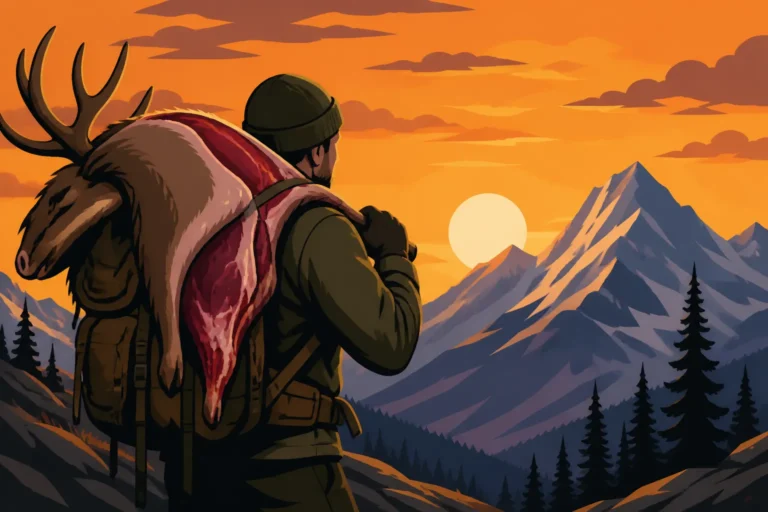
Many hunters meticulously plan their inbound flight, carefully calculating every ounce. But what about the outbound flight? This is where many first-time Alaska hunters run into serious trouble, as a successful hunt means a significant increase in payload: the weight of edible meat, a hide, and potentially a skull and antlers. This added weight can easily exceed the capacity of a single Super Cub trip, requiring careful foresight and potentially multiple flights.
An average bull moose, for instance, can yield anywhere from 400 to 700 pounds of boned-out meat, plus the hide and skull. A large brown bear hide and skull can weigh 100-200 pounds wet. Even a Dall sheep, while smaller, adds a substantial 100-150 pounds of meat, hide, and horns. This is where the initial 300-500 pound Super Cub payload suddenly seems very small. You must plan for this additional weight, both in terms of aircraft capacity and cost, from the very beginning of your hunt planning.
Discuss meat and trophy extraction plans with your air taxi before your hunt begins. Ask about their policies and pricing for "meat hauls." Many air taxis will charge extra for a second flight specifically for meat and trophy, or they might factor in a higher rate knowing they'll need to make multiple trips. This is part of the cost of hunting in Alaska and should be budgeted for accordingly. Ignoring this aspect can lead to significant financial surprises or, worse, ethical issues if you're forced to leave salvageable meat behind due to a lack of transport. Remember, Alaska Moose Meat Salvage Requirements are strict, and wanton waste carries heavy penalties.
Strategic Meat and Trophy Care for Bush Plane Transport
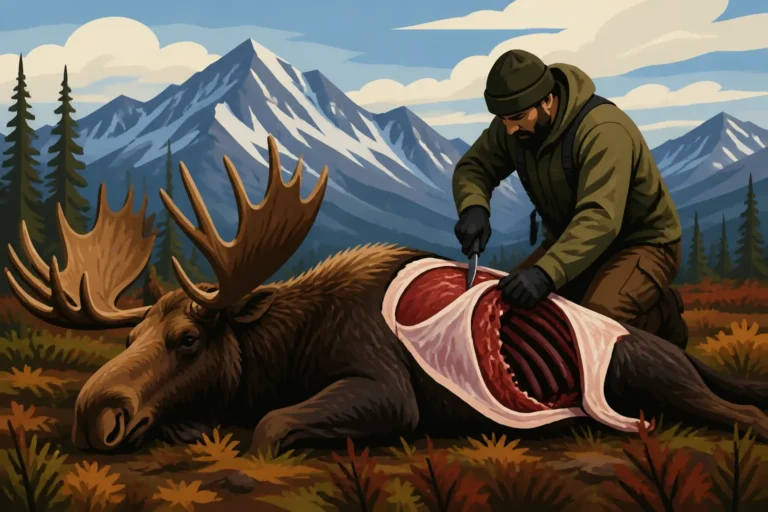
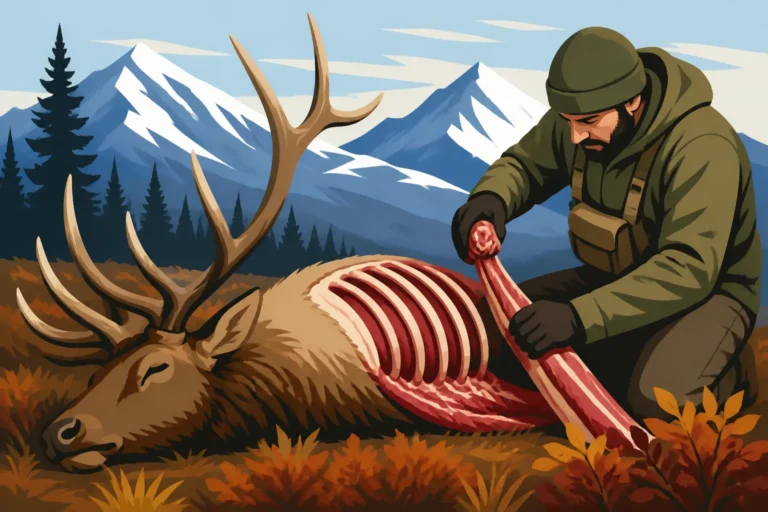
Proper meat and trophy care in the field isn't just about preservation; it's also about making it transportable. Break down your animal into manageable, smaller loads. For moose, this means quartering and then breaking quarters into smaller chunks that fit easily into game bags. Quartering a Bull Moose Alone in the Field is a skill worth practicing. Game bags, ideally ones that breathe in Game Bags That Breathe in Coastal Rain, are essential for keeping meat clean and allowing it to cool.
For trophies, careful caping and skull preparation are crucial. For a bear, the hide will be heavy, especially if it's wet. Consider Cape Care for a Life-Size Bear Mount if you're going for a full mount, as this will require more space and careful handling. For moose antlers, if they are particularly large, they might need to be cut from the skull plate to fit into the aircraft or on wing pods, a decision your pilot will likely help you make. This is also a good time to review Skull Plate Removal for Sheep Horns if you're hunting those.
Before the pick-up, consolidate your meat and trophy into as few, well-packed bundles as possible. Have everything ready for loading, clearly labeled. The pilot will appreciate the efficiency, especially if they are trying to beat weather or daylight. For larger game, it's not uncommon for the pilot to make an initial trip to retrieve one hunter and a portion of the meat, then return for the rest of the meat, the second hunter, and the trophy. This staggered approach is often the only way to manage large game with a Super Cub.
Preparing for the Unexpected: Weather Delays and Extra Days
Alaska's weather is famously unpredictable. A clear, sunny morning can quickly turn into a low-ceiling, rain-soaked afternoon, potentially stranding you in camp for an extra day or two. This is not only a discomfort but can also be critical for meat care, especially in warmer weather. Meat Care in 50-Degree September Weather requires constant vigilance and often means hanging meat in shade or even snow if available.
Always pack a few extra days' worth of food and fuel beyond your planned trip length. This buffer is cheap insurance against weather delays. If your hunt is scheduled for 7 days, plan food and fuel for 9 or 10 days. An extra 5-10 pounds of dehydrated food and a small amount of fuel is far less burdensome than being stuck in the bush with dwindling supplies. Companies like GoHunt often advise packing these buffers into your emergency planning.
Communicate any delays or changes to your pilot as soon as possible via your satellite communication device. Having a Signal Devices and Check-In Plans for Solo Alaska Hunts is not optional. They need to know your status and estimated readiness for pickup. Remember that your pilot is also working around other clients and weather windows, so flexibility on your part is always appreciated. Being prepared for extended stays means you can weather the storm (literally) without panicking, ensuring both your safety and the integrity of your hard-won meat and trophy.
| Item Category | Typical Weight (lbs) | Strategies for Reduction | Impact on Payload |
|---|---|---|---|
| Backpack (empty) | 4-8 | Choose lightweight, frameless or internal frame packs | Moderate |
| Shelter (2-person) | 4-8 | Ultralight tent, tarp, or bivy setup | High |
| Sleeping System | 3-6 (bag + pad) | Down sleeping bag, inflatable insulated pad | High |
| Food (per person/day) | 1.5-2 | Dehydrated meals, repackaged dry goods, no cans/glass | High |
| Water Filter | 0.5-1 | Sawyer Squeeze, Katadyn BeFree, chemical treatment | Low |
| Cooking System | 1-2 (stove + pot) | Ultralight canister stove, titanium pot, shared gear | Moderate |
| Rifle & Ammo | 8-12 | Lightweight rifle, minimal ammo (1-2 boxes) | Moderate |
| Optics | 2-5 | Quality binoculars, lightweight rangefinder (spotter optional) | Moderate |
| Clothing (layers) | 10-20 | Synthetics/wool, versatile layering, avoid cotton | High |
| Navigation/Comms | 1-3 | GPS/InReach, map/compass, spare batteries | Low |
| First Aid/Emergency | 1-2 | Compact kit, minimal toiletries | Low |
| Meat/Trophy (avg.) | 100-700 | Plan for multiple flights, boned-out meat, hide/skull prep | Very High |
Disclaimer
The information provided in this guide is for general informational purposes only and does not constitute professional advice. Alaska hunting regulations, air taxi policies, and weather conditions can change rapidly. Always consult the most current Alaska Department of Fish and Game regulations, communicate directly with your chosen air taxi service, and prioritize safety above all else.