River Gravel Bars That Work as Landing Strips
The sheer vastness of Alaska is a hunter's dream, but it often presents a logistical nightmare: how do you get into those truly remote, untouched areas far from any road system? Many incredible hunting opportunities lie beyond the reach of conventional travel, leading to the crucial role of bush planes. This guide will take a deep dive into how river gravel bars become indispensable landing strips for these flights, what makes a good one, and the critical considerations for a successful, safe drop-off and pick-up in the Alaskan wilderness.
Understanding Alaska's Bush Plane Access for Remote Hunting
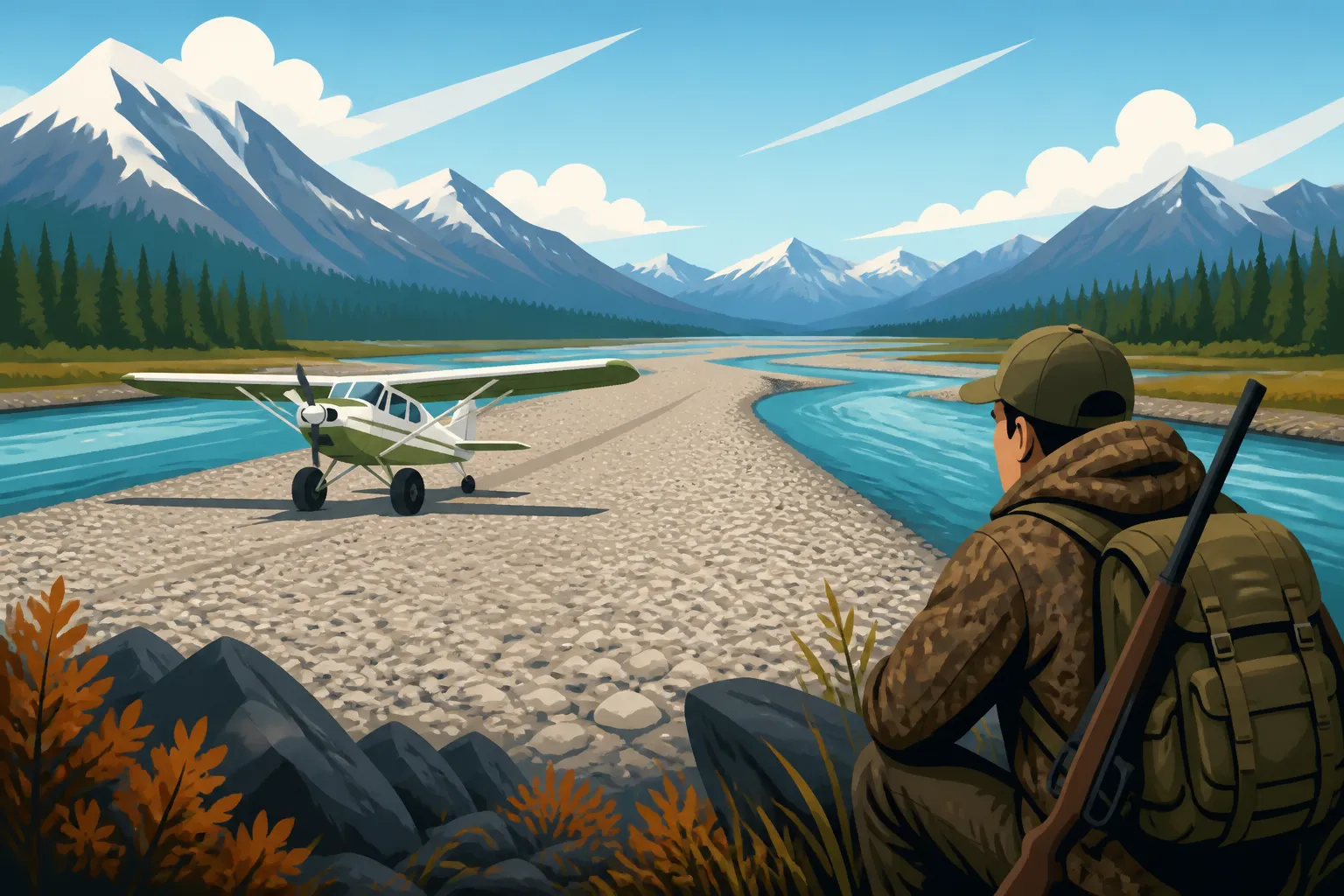
For many of us, the image of an Alaska hunt immediately conjures up a small plane dipping low over a river, ready to set down on a seemingly impossible patch of land. This isn't just romanticized imagery; it's often the only way to reach prime hunting grounds for moose, caribou, and bears. But it's also where the real planning and risk assessment begins.
The Vital Role of Air Taxis
Bush planes, often operated by experienced air taxi services, are the lifeblood of Alaska's remote hunting scene. They open up vast tracts of public land that would otherwise be inaccessible, allowing hunters to escape the crowds and experience true wilderness. These aircraft, like the iconic Super Cub or the larger Beaver and Otter, are specifically designed for short take-offs and landings (STOL) on unimproved surfaces, making them perfect for navigating the challenges of Alaska's diverse terrain. When you're dreaming of a remote hunt, you're almost certainly dreaming of a fly-in experience, and that means trusting your gear and your life to a skilled pilot who knows the country, often better than anyone. This relationship is so critical, it’s worth understanding the intricacies of Fly-In Hunting: Working With an Alaska Transporter Pilot long before you book your trip.
The Allure and Risks of Gravel Bar Landings
There's an undeniable allure to landing on a remote gravel bar, a pristine strip carved by the river, miles from civilization. It promises solitude and untouched game. However, this accessibility comes with inherent risks that demand meticulous planning and communication. Unlike a maintained airstrip, a gravel bar is a dynamic, ever-changing entity, constantly sculpted by water and weather. What looked good on a map last month might be underwater, chewed up by high water, or choked with debris now. The very nature of these landings means you're relying heavily on the pilot's judgment, up-to-the-minute conditions, and a good dose of luck with the weather. It's a high-stakes game where preparation isn't just advisable; it's absolutely essential for your safety and the success of your hunt.
Key Characteristics of a Suitable Gravel Bar Landing Strip
Not all gravel bars are created equal, and certainly not all are suitable for a bush plane landing. Understanding what pilots look for is crucial for hunters who are scouting potential drop-off points or even just assessing the viability of a given area. It helps you speak the same language as your air taxi and provides a better understanding of the challenges involved.
Length, Width, and Obstacle Clearance
The most obvious factors are the dimensions of the potential strip. A pilot needs enough room to safely get airborne and to slow down upon landing, especially with a heavy load of hunters and gear going in, or potentially meat and trophies coming out. Generally, for smaller aircraft like a Super Cub, you're looking for at least 500-800 feet of clear, straight ground for landing and takeoff. Larger planes will need more. But it's not just length; width is equally important for maneuverability and to account for any crosswinds. A minimum of 50-75 feet of usable width gives a pilot a comfortable margin for error.
Beyond the immediate strip, obstacle clearance is paramount. Are there tall trees at either end that would force a steeper, more dangerous approach or departure? Are there towering bluffs or mountainsides that create treacherous wind currents or block sun, making visibility poor? Any overhanging branches, large rocks, or deep ruts on the bar itself become significant hazards. Think about the entire approach and departure corridor, not just the flat strip itself. This is where your pre-hunt Scouting a Unit From Satellite Imagery Before You Fly can really shine, helping you identify potential issues before you ever step foot in the plane.
Surface Composition and Condition
The "gravel" in gravel bar can be misleading. It's not always neatly packed, uniform pebbles. The surface can range from fine silt that bogs down tires, to loose, basketball-sized rocks that can cause propeller damage or a rough landing, to soft, wet patches that hide standing water. The ideal surface is firm, relatively flat, and composed of well-drained, medium-sized gravel that offers good traction without being too abrasive.
Water is another major consideration. Is the bar consistently above the waterline, or does it get partially submerged during high tides or heavy rains? Are there sloughs or braided channels running across it? A wet, muddy surface dramatically increases landing distance and the risk of getting stuck. Even if the surface looks dry, consider how it would hold up to a few days of coastal rain; this is Alaska, after all, and the weather can turn on a dime. Hunters are often focused on what they'll encounter on the ground, but understanding the landing surface is just as critical.
Wind Considerations and Approach/Departure Paths
Wind is a bush pilot's constant companion and greatest adversary. A gravel bar's orientation relative to prevailing winds is a huge factor. Pilots prefer to land and take off into the wind because it provides more lift and reduces ground speed, allowing for shorter takeoffs and landings. A bar that only allows for a downwind approach in certain conditions might be unusable.
The surrounding topography can create unpredictable downdrafts, updrafts, and swirling eddies, especially in mountainous regions or where a river winds through a valley. A pilot will assess not just the surface of the bar, but the entire air corridor above it. An ideal gravel bar allows for clear, unobstructed approach and departure paths, free from sudden terrain changes or wind traps. This is often something only an experienced pilot can truly evaluate in real-time, which is why your communication with them about specific potential spots is so vital. They’re the ultimate authority when it comes to deciding if a spot is flyable.
Scouting and Vetting Potential Gravel Bar Landing Strips
While the final decision always rests with the pilot, as a hunter, you can significantly contribute to a safe and successful drop-off by doing your homework. Pre-trip scouting for suitable gravel bars isn't just smart; it's a non-negotiable part of planning a remote Alaska hunt.
Utilizing Satellite Imagery and Topo Maps
Before you ever leave home, modern technology gives you incredible tools to assess potential landing sites. High-resolution satellite imagery, available through platforms like Google Earth or dedicated hunting mapping apps (GoHunt's detailed mapping features, for example, are excellent for this), allows you to virtually "fly over" your hunting unit. Look for:
- Open, straight stretches of riverbed: Identify long, wide gravel bars that appear free of large obstructions.
- Color and texture: Lighter, more uniform colors generally indicate drier, more stable gravel, while darker, splotchy areas might suggest mud or standing water.
- Vegetation: Look for areas completely devoid of thick brush or trees on the bar itself, and assess the height of timber at the ends of the potential strip.
- Gradient: While hard to judge perfectly, look for any obvious slopes that would make landing or takeoff more difficult.
- Proximity to hunting grounds: Naturally, you want a bar that puts you as close as possible to where you plan to hunt without compromising safety.
Cross-reference this with topographic maps to understand the surrounding terrain, elevation changes, and potential wind corridors. These tools are indispensable for your pre-trip planning, helping you narrow down options and present informed choices to your pilot. It’s part of the extensive preparation that goes into planning a truly remote hunt.
Pilot Communication and On-Site Reconnaissance
Once you have a few promising candidates, the next critical step is to talk to your air taxi pilot. Share your satellite images and marked locations. An experienced Alaska pilot will have invaluable local knowledge, often having landed on or flown over many of these very spots before. They know the rivers, the typical water levels, and the quirks of the local weather.
They might have specific requirements or concerns you hadn't considered. They may even suggest alternative bars you missed. On the day of your flight, if conditions allow, your pilot will typically do a low pass over the chosen bar to visually inspect it from the air. This "reconnaissance pass" allows them to check for new obstructions, water levels, softness, and wind conditions in real-time. This is their final, ultimate assessment, and their word is law. Never push a pilot to land if they express any hesitation. Remember, their expertise is your greatest asset in the bush. This detailed coordination is part of what makes Setting a Take-Out Date With Your Pilot so important, as it’s not just about a calendar day but about safe access.
Seasonal Changes and Water Levels
One of the biggest variables with gravel bar landing strips is their dynamic nature. Rivers in Alaska are constantly changing. Spring runoff can reshape entire bars, moving gravel, depositing debris like Sweepers and Log Jams on a Hunting Float, or creating new channels. Heavy rainfall can cause rivers to swell rapidly, submerging previously dry areas or creating dangerously soft spots. Conversely, a prolonged dry spell can lower water levels, revealing new, stable gravel, but also exposing more rocks and making sections too shallow for a float plane or too rough for wheels.
Understanding the typical water levels for your hunt season is crucial. If you're going in during the early season, expect higher water. Late season might mean lower water. Always discuss this with your air taxi, as they often have real-time updates and historical data on river conditions. Platforms like GoHunt often incorporate satellite imagery updates that can help track these changes, but nothing beats local knowledge and a pilot’s current observations. This information can even influence your choice of raft size if you're planning a Raft Size for a Two-Hunter Moose Float as part of your hunting strategy.
Safety Protocols and Best Practices for Gravel Bar Operations
Safety in Alaska's backcountry is always paramount, and operations involving bush planes on gravel bars require an extra layer of vigilance and adherence to best practices. This isn't just about the flight; it's about the entire process from touchdown to takeoff.
Communication and Contingency Planning
Before you even board the plane, a clear communication plan with your air taxi operator is essential. This includes:
- Check-in schedule: Establish precise times and methods (satellite phone, inReach, or similar) for you to check in from your camp.
- Emergency contacts: Ensure your pilot knows your emergency contacts and that your contacts know your travel itinerary and who to call if you don't check in.
- "Go/No-Go" parameters: Understand what weather conditions would prevent a landing or pickup, and what the alternative plans are (e.g., waiting out weather, flying to an alternate bar if conditions improve there).
- Bear Safety: Discuss bear activity in the area with your pilot, as they often have current knowledge of game activity which could influence your drop-off location or immediate actions upon landing.
- Backup plans: What happens if the river swells and the bar becomes unusable for pickup? Are there other potential landing sites nearby, or a plan for a floatplane pickup further downriver if you have a raft? Having Emergency Evacuation Plans in Remote Alaska is not just a good idea, it's a necessity.
Leave a detailed trip plan with a trusted person at home, including your specific landing coordinates, expected return date, and pilot's contact information. This information is a lifeline in case something unexpected happens.
Gear Management and Load Discipline
Bush planes have strict weight limits, and overloading is a serious safety hazard. Be absolutely meticulous about your gear list and weigh everything. Your pilot will also have specific guidelines for how gear should be packed to ensure proper weight distribution in the aircraft. This often means using flexible duffels instead of rigid containers, and separating heavy items. Knowing how to expertly manage Strapping Gear Loads for a Bush Flight is a skill every bush hunter needs to master.
Upon landing, get your gear offloaded quickly and efficiently, moving it away from the landing strip to a designated staging area. You don't want anything inadvertently blown by prop wash or struck by the plane as it maneuvers for takeoff. Be mindful of prop clearance; stay clear of the propeller at all times, even when it's just idling. And always, always follow your pilot's instructions implicitly. They're the expert in this environment.
Post-Landing Protocol and Environmental Considerations
Once the plane has departed, your responsibility shifts to establishing a safe camp and preserving the wilderness.
- Secure your camp: Immediately set up your primary camp in a safe, defensible location, ideally off the main gravel bar and above any potential high-water marks. Think about bear protection and food storage right away.
- Mark your landing zone: Clear any small debris that might have been blown onto the strip, and consider setting up visual markers (like orange flagging or brightly colored tarps) at the ends of the usable strip, especially if you anticipate a pick-up in low light or marginal weather. This also involves understanding local rules, such as those governing Motorized Access Rules on Refuge Land if you're on federal land.
- Leave No Trace: Practice strict Leave No Trace principles. Pack out everything you pack in. If you're butchering an animal on the bar, be mindful of any regulations regarding offal and ensure you minimize your impact. When you're successful and need to get a moose out, knowing the best practices for Loading a Bull Moose Into a Raft and removing the hide for proper care are just as critical as the initial landing.
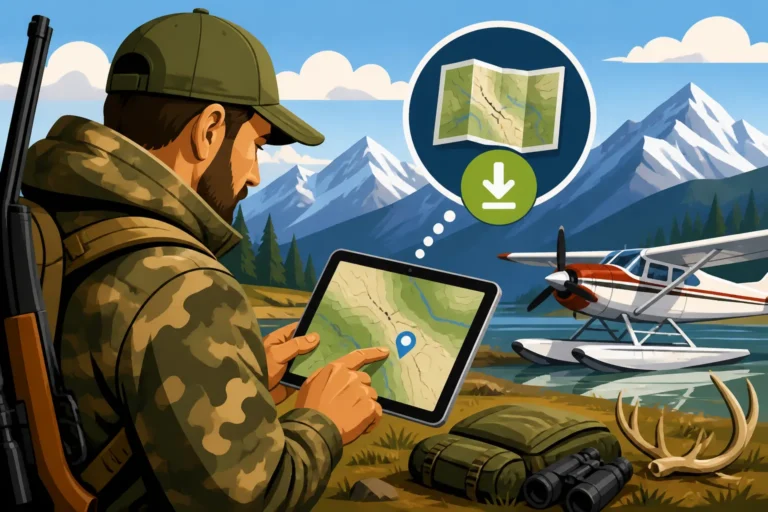
- Respect the river: Remember that the gravel bar is a natural feature, constantly changing. Be aware of rising water levels, especially during rain or upstream melting. This ties back into your broader strategy of Choosing a Float Hunt River by Water Level and Length. If you plan to use a GPS or other electronic devices, don't forget the importance of Downloading Offline Maps Before a Fly-In since cell service is virtually nonexistent.
By understanding these nuances, you become an informed and responsible participant in your Alaska hunting adventure, maximizing safety and success in this magnificent, wild country. Many hunters take pride in knowing their routes and being self-sufficient, and understanding how to navigate Public Access Points on Alaska Rivers can be part of that independence.
Gravel Bar Suitability Comparison
To help visualize the considerations for a viable gravel bar landing strip, here’s a quick comparison of ideal versus less-than-ideal characteristics:
| Characteristic | Ideal Gravel Bar | Less-Than-Ideal Gravel Bar |
|---|---|---|
| Length | 800+ feet (for smaller aircraft like a Super Cub) | Under 500 feet, or heavily obstructed sections |
| Width | 75+ feet of clear, flat surface | Narrow, tapering, or obstructed by vegetation/rocks |
| Surface | Firm, well-drained, consistent medium-sized gravel | Silt, deep sand, large boulders, standing water, soft mud |
| Slope/Gradient | Minimal to none; flat and level | Noticeable uphill/downhill gradient, uneven terrain |
| Obstacle Clearance | Clear approaches/departures; no tall trees, bluffs nearby | Tall trees at ends, bluffs creating wind shear, overhanging branches |
| Wind Exposure | Allows for landing into prevailing winds; minimal turbulence | Only allows downwind landings; known for strong, unpredictable gusts |
| River Activity | Stable, generally above high water mark; low risk of rapid changes | Prone to frequent flooding; active channels cutting across the bar |
Disclaimer
Hunting in Alaska involves inherent risks, including but not limited to adverse weather, dangerous terrain, wildlife encounters, and remote location hazards. The information provided in this guide is for informational purposes only and is not a substitute for professional advice, thorough preparation, or the expert judgment of a licensed air taxi pilot or guide. Always prioritize safety, comply with all Alaska Department of Fish and Game regulations, and communicate clearly with your transportation provider.