Youth Hunters on Guided Trips
Taking a young hunter on an Alaskan guided trip is often a dream come true for many families, a chance to forge lifelong memories in the wildest place left on earth. However, the unique challenges of Alaska's wilderness, combined with the complexities of big game hunting regulations and the specific needs of a developing hunter, mean that simply booking "a trip" isn't enough. This comprehensive guide will walk you through the essential considerations for planning a successful and rewarding guided hunt for youth in Alaska, from navigating regulations to preparing for the adventure of a lifetime.
Understanding Alaska's Youth Hunting Regulations
Alaska has a reputation for being a bit different when it comes to hunting, and these differences extend to youth hunters. It's not like hunting in the Lower 48 where youth permits might be straightforward. Here, you need to be acutely aware of age, hunter education, and specific permit requirements, especially if you're coming from out of state. Missing a detail can mean a ruined trip or, worse, a violation.
Age Requirements and Hunter Education
One of the first questions most parents have is, "How old does my child need to be?" In Alaska, there isn't a single, universal minimum age for hunting. Instead, it's often tied to hunter education requirements and the ability to safely handle a firearm or archery equipment. Generally, anyone born after January 1, 1986, must have successfully completed an approved hunter education course to hunt in Alaska. This applies to youth as well. So, if your youngster wants to chase a caribou or a Sitka blacktail, they'll need that certification.
The good news is that Alaska recognizes hunter education certificates from other states and even Canadian provinces, so a course taken closer to home usually suffices. It's always wise to carry proof of certification with you, as wardens will ask for it. Even if your child is too young to technically need a hunter education card in your home state, it's a smart move to get them certified anyway if you plan on an Alaska trip. It builds foundational knowledge and demonstrates their commitment to safety. For specific details, it’s worth checking the state's regulations regarding Alaska Hunter Education Requirement by Age and Alaska Hunter Education Reciprocity With Other States. Beyond this, while the state doesn't typically set a hard minimum age, guides often have their own internal policies based on maturity and the physical demands of the hunt. A ten-year-old might do great on a black bear bait hunt, but a grueling Dall sheep expedition is a different story entirely.
Specific Permit and Tag Requirements for Youth
When it comes to permits and tags, youth hunters in Alaska are generally treated like adult hunters. This means they will need to purchase a valid Alaska hunting license for their age group and residency status (resident vs. nonresident), and then acquire the appropriate tags for the species they intend to hunt. There aren't typically "youth tags" that offer different regulations or lower prices for nonresidents on big game species. So, if your child is hunting moose, they will need a moose locking tag, which can be a significant expense for nonresidents.
For species that require draw permits (like bison or certain sheep hunts), youth must apply just like adults. There are no special youth-only draw odds or preferences. Similarly, for registration permits and harvest tickets, the same rules apply. If the hunt requires a harvest ticket, the youth hunter must obtain one. If it’s a registration hunt, they must register within the specified dates. Understanding these intricacies, like what constitutes a Alaska Big Game Locking Tags and What Each Costs, is crucial for budgeting and planning. Don't assume a youth hunter is exempt from any of these requirements; always consult the current regulations booklet.
Nonresident Youth and Guide Requirements
This is where planning for a nonresident youth hunt in Alaska gets particularly important. Alaska law mandates that nonresidents must be accompanied by a licensed guide, or a close relative (second-degree-of-kindred) who is an Alaska resident, to hunt certain big game species. These "guide-required" species are Brown Bear, Dall Sheep, and Mountain Goat. This means if your dream is to take your child on a brown bear hunt, you absolutely must hire a registered Alaskan guide. This rule applies regardless of the youth's age or hunting experience.
The "second-degree-kindred" rule offers an alternative for some families. This allows a nonresident to hunt guide-required species if accompanied by a relative who is an Alaska resident within the second degree of kinship (e.g., parent, grandparent, sibling, child, grandchild, aunt/uncle). If you have a qualifying Alaskan resident relative who can accompany your child, this could be an option, but it requires them to be actively in the field with the youth hunter at all times. For a full explanation, you'll want to review Alaska's Brown Bear, Sheep and Goat Guide Requirement and Hunting With an Alaska Relative Instead of a Guide. For all other species – moose, caribou, black bear, Sitka blacktail deer, and wolf – a nonresident youth hunter is not legally required to have a guide. However, many parents still choose to hire a transporter or go on a guided trip for these species due to the logistical challenges and safety considerations of hunting in Alaska.
Choosing the Right Guided Trip for a Young Hunter
Once you’ve got a handle on the regulations, the next monumental task is choosing the right hunt. This isn’t just about finding a good guide; it’s about finding the right guide and the right hunt that aligns with your young hunter’s age, maturity, and physical capabilities. A mismatch here can turn a dream trip into a miserable experience for everyone.
Matching Species and Physical Demands to the Youth Hunter
Alaska offers an incredible array of hunting opportunities, but not all are created equal when it comes to introducing a young hunter to the wilderness. A strenuous, high-altitude Dall sheep hunt, for instance, often involves brutal climbs, heavy packing, and days of glassing in exposed, unpredictable weather. This might be too much for many youth, even those in good shape. Similarly, a remote float hunt for moose can be incredibly physically demanding, requiring long days of paddling and arduous meat packing through thick alders and bogs.
For a first or early Alaska hunt, consider species and methods that offer a more manageable physical challenge. Black bear hunts over bait can be an excellent option, as they typically involve less hiking and more sitting, which can be easier on younger bodies and test patience rather than endurance. Deer hunts on the coastal islands, especially those with good boat access, can also be a great choice. Sitka Blacktail Deer Weight Compared to Mule Deer are smaller animals, making the pack-out less daunting, and the environment can be breathtakingly beautiful. Caribou hunts, especially those with some ATV or road system access, can also be tailored for younger hunters. The key is to be realistic about your child's physical fitness, patience, and mental resilience. Will they enjoy being cold, wet, and tired for days on end, or would a more comfortable camp and less physically demanding hunt be a better introduction?
Finding a Youth-Friendly Guide and Outfitter
Finding a guide who is not only competent but also genuinely enjoys and understands how to work with youth is paramount. Not every guide is cut out for it. Some guides prefer to focus solely on the adult hunter, while others excel at mentoring younger clients. When researching, don't be shy about asking direct questions:
- "Have you guided youth hunters before? What ages?" Look for specific examples of success, not just general statements.
- "How do you adapt the pace of the hunt for a younger client?" A good guide will understand that a child might need more breaks, a slower pace, or different engagement strategies.
- "What are your typical camp amenities like? Is it family-friendly?" Comfort can make a huge difference in a child's experience.
- "Can you provide references from families who have brought their children on a hunt with you?" Talking to other parents is invaluable.
Resources like BookYourHunt and GoHunt can be excellent starting points. Many such platforms allow you to filter or search for outfitters that cater to youth or family hunts, providing descriptions and client reviews that might highlight their approach to younger clients. These platforms are also useful for comparing different guides and their offerings, helping you find someone who aligns with your family’s values and your child’s needs. Always prioritize a guide's patience and teaching ability over solely their trophy success rates when bringing a youth hunter.
Camp Dynamics and Expectations
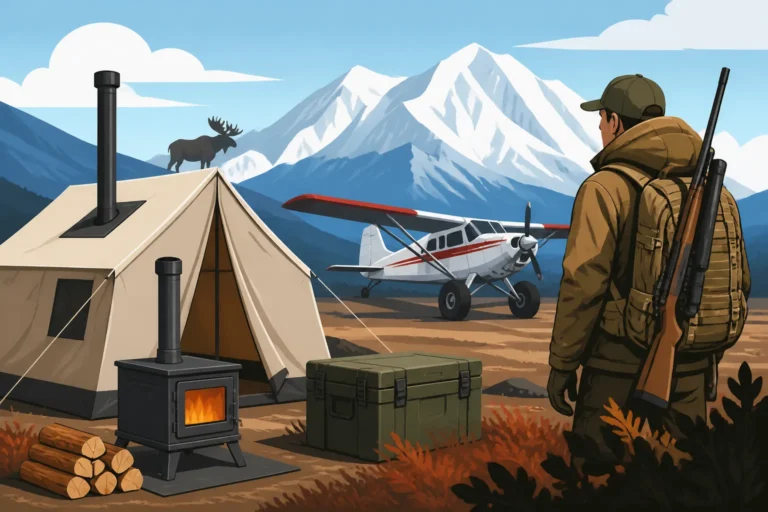
The camp environment is a huge part of the overall experience, especially for a young hunter. It's not just about the hunting; it's about living in the wilderness. Will you be in a comfortable wall tent with a stove, or a minimalist spike camp under a tarp? Consider these factors:
- Sleeping arrangements: Are there private sleeping areas, or is it a shared tent with other adult clients? Ensuring a sense of personal space can be important for a child.
- Food: While you're not expecting gourmet meals, is the food generally palatable for kids? Picky eaters can struggle, and a well-fed child is a happier child. Discuss dietary needs or preferences with your guide in advance.
- Other camp members: Will your child be the only youth, or are there other families or children on the trip? A mixed group can be fine, but sometimes other adult hunters aren't prepared for the energy or needs of a child.
- The guide as a mentor: A great guide for a youth hunter isn't just a guide; they're a mentor. They'll teach valuable outdoor skills, share knowledge about the animals and the land, and foster a love for the outdoors that goes beyond pulling a trigger. This kind of mentorship is truly priceless.
It's important to set clear expectations with your guide about what you hope your child will get out of the experience. Is it solely about harvesting an animal, or is it more about learning, growing, and experiencing Alaska? A good guide will appreciate this clarity.
Preparing the Young Hunter for the Alaskan Wilderness
Once you've booked the perfect trip, the real work of preparation begins. This isn't just about packing bags; it's about preparing your child physically, mentally, and emotionally for the unique demands of an Alaskan hunting adventure.
Physical and Mental Preparation
Alaska hunts are often tough, even for adults. For youth, it's crucial to build both physical stamina and mental toughness.
- Physical Training: Even for less strenuous hunts, some pre-trip physical activity is beneficial. Regular walks, hikes with a light backpack, or even just consistent outdoor play can help build endurance. If you're targeting a more demanding hunt, like one requiring significant hiking or packing small loads, consider incorporating more structured training. Understanding concepts like Backpack Hunting in Alaska: Gear Weight and Meat Loads will also help you prepare for the realities of the field. The fitter your child is, the more they will enjoy the experience and the less likely they are to become fatigued and frustrated.
- Mental Fortitude: Hunting in Alaska involves long hours, often in challenging weather, with no guarantees of success. There will be boredom, discomfort, long waits, and potentially the disappointment of not finding an animal or missing a shot. Discussing these realities beforehand is crucial. Help your child understand that hunting is about the entire experience, not just pulling the trigger. Teach them patience, resilience, and how to find enjoyment in the small moments – watching wildlife, learning about tracking, or simply being in nature.
- Shooting Practice: Consistent and realistic shooting practice is non-negotiable. Don't just practice from a bench. Work on shooting from different field positions – kneeling, sitting, prone, using shooting sticks – simulating scenarios they might encounter in Alaska's varied terrain. Practicing for Shooting Positions on Alaska Tundra and Sidehills will be far more beneficial than just punching paper from a comfortable bench. Ensure they are proficient and confident with their chosen firearm or bow.
Essential Gear and Clothing Considerations
Alaska's weather is famously unpredictable. Being properly equipped can make the difference between a memorable trip and a miserable one. For youth, who can be more susceptible to cold or discomfort, this is even more critical.
- Layering System: Teach your child the importance of layering. Quality base layers (synthetic or wool, never cotton), insulating mid-layers, and a bombproof outer shell (rain jacket and pants) are essential. Even in September, temperatures can swing wildly, and rain is a constant possibility, especially in coastal areas.
- Footwear: Dry, comfortable feet are paramount. Invest in high-quality, waterproof hunting boots that are well broken in before the trip. Pack extra wool or synthetic socks and ensure there are ways to dry socks in camp. Blisters can quickly derail a hunt.
- Sleeping System: A warm sleeping bag rated for Alaskan conditions (often 0 to 20 degrees Fahrenheit, even in early fall) and a comfortable sleeping pad are vital for a good night's rest.
- Personal Comfort Items: Don't forget small items that can make camp life more enjoyable during downtime: a favorite book, a small journal, a deck of cards, or a lightweight drawing pad. These can be lifesavers when weather prevents hunting or during quiet evenings.
- Optics: Good binoculars are not just for adults. Ensure your child has a pair that fits their face and is easy for them to use. Learning to glass and spot game is a fundamental part of Alaskan hunting.
Safety and Emergency Preparedness
Safety should always be the top priority, especially when bringing youth into remote Alaskan wilderness.
- Bear Safety: Alaska is bear country. Whether it's black bears or coastal brown bears, understanding and practicing bear safety protocols is non-negotiable. Your guide will have specific procedures, but your child should understand the basics: staying with the group, making noise, carrying bear spray (if age-appropriate and practiced), and knowing what to do in an encounter. Familiarity with topics like Bear Safety While Butchering a Kill in Alaska is important for everyone in camp.
- Communication: While a guide will handle primary communication, it's good for your child to understand how satellite communicators (like an InReach or Garmin Messenger) work and the importance of check-in schedules. Even though they aren't hunting alone, knowing how Signal Devices and Check-In Plans for Solo Alaska Hunts function can give them a sense of preparedness.
- Basic First Aid: Review basic first aid principles. Knowing how to deal with minor cuts, blisters, or sprains can be incredibly useful.
- Listen to the Guide: Emphasize to your child the absolute importance of listening to the guide's instructions without question or hesitation. The guide is the expert in that environment, and their word is law regarding safety and hunting decisions.
Maximizing the Experience Beyond the Harvest
While the ultimate goal of a hunt is often to harvest an animal, for youth especially, the true value of an Alaskan adventure often extends far beyond a successful shot. Focusing on these broader aspects can transform a trip into an invaluable life lesson.
Embracing the Learning Opportunity
An Alaskan guided hunt is a masterclass in wilderness living and ecology. Encourage your young hunter to view the entire trip as a massive learning experience:
- Fieldcraft and Animal Behavior: Beyond just spotting an animal, a good guide can teach your child how to read sign, understand animal patterns, and interpret their behavior. They can learn about tracking, wind direction, and how terrain influences animal movement.
- Bush Skills: From setting up camp to packing water, identifying edible plants, or navigating with a map and compass, the wilderness offers countless opportunities for learning practical outdoor skills.
- Conservation and Ethics: This is a prime opportunity to instill a deep appreciation for conservation and ethical hunting practices. Discuss why seasons and bag limits exist, the importance of fair chase, and the role of hunters in wildlife management. A harvest is a privilege that comes with responsibility.
By focusing on these elements, even if the primary hunting objective isn't met, the trip remains rich with meaningful experiences and personal growth.
Documenting the Adventure
Memories fade, but stories and images last a lifetime. Encourage your young hunter to document their experience in a way that resonates with them:
- Journaling: A simple notebook and pen can become a treasured record of their thoughts, observations, and feelings throughout the trip.
- Photography: Even with a simple point-and-shoot camera or a phone (if service is available, which it often isn't), capturing landscapes, camp life, and wildlife (not just game animals) can be a rewarding creative outlet.
- Sketching: For the artistically inclined, a small sketchpad can provide a unique way to capture the details of the Alaskan environment.
These personal records will serve as powerful reminders of the adventure for years to come and can be shared with friends and family, extending the experience.
Post-Hunt Responsibilities
If your young hunter is successful in harvesting an animal, the learning doesn't stop there. This is a critical time to teach responsibility and respect for the animal.
- Field Care and Salvage: In Alaska, strict salvage laws apply. Your child should be involved in or observe the process of quartering the animal and preparing it for transport, understanding what cuts count as edible meat. This is where topics like Alaska Moose Meat Salvage Requirements become very real. It teaches them where their food comes from and the effort required to get it from the field to the table.
- Harvest Reporting: Alaska requires hunters to report their harvests. Involving your child in this process, understanding the deadlines, like Alaska Harvest Report Deadline After the Hunt, reinforces accountability and the importance of accurate data for wildlife management.
- Reflection: After the hunt, take time to talk with your child about the entire experience. What did they learn? What challenged them? What was their favorite part? These conversations solidify the lessons learned and help them process the profound experience of hunting in Alaska.
| Factor | Considerations for Youth | Impact on Experience |
|---|---|---|
| Species | Consider smaller game (deer, black bear over bait, caribou) before sheep or brown bear. | More manageable physical demands and less pressure can lead to a more enjoyable introduction to big game hunting. |
| Physical Demand | Look for hunts with less strenuous hiking, easier access, or more stationary periods. | Prevents exhaustion, frustration, and potential injury. Ensures the youth can participate fully and enjoy the entire experience. |
| Guide Experience | Prioritize guides with a proven track record of guiding youth, patience, and mentorship. | A patient, understanding guide can teach valuable skills, manage expectations, and turn challenges into learning opportunities, fostering a lifelong love for hunting. |
| Camp Comfort | Inquire about sleeping arrangements, food options, and overall camp amenities. | A comfortable and kid-friendly camp environment contributes significantly to a positive experience, especially during downtime or bad weather. |
| Duration | Shorter trips (4-7 days) may be more suitable for a youth's attention span and stamina. | Prevents burnout and homesickness. Allows for concentrated learning and excitement without dragging on too long, ending the trip on a high note. |
| Cost | Budget for nonresident license and tag fees, which are the same as adults. | While not directly impacting the experience itself, being prepared for the financial outlay prevents stress and ensures all necessary permits are secured without last-minute scrambling. BookYourHunt can help compare prices. |
Disclaimer
This article is for general informational purposes only and does not constitute professional advice. Laws, prices and regulations vary by location and change over time. Consult a qualified professional for guidance on your specific situation.