Class-A Assistant Guide Duties in Alaska
It's no secret that the vastness of Alaska demands a certain level of expertise and support when you venture out for a big game hunt. For many hunters, especially non-residents pursuing certain species, going with a guide isn't just a good idea—it's often a legal requirement. But what exactly does that mean, and what role does a Class-A Assistant Guide play in your Alaskan adventure? This guide will pull back the curtain on the duties and responsibilities of these essential team members, helping you understand how they contribute to a safe and successful hunt.
Understanding the Alaska Guiding Structure
Navigating the world of guided hunts in Alaska can feel like a maze, especially with all the different titles and roles involved. It's not just one person doing everything; rather, it's often a carefully coordinated team. Understanding the different levels of guiding professionals is key to appreciating the role of each individual, including the Class-A Assistant Guide, who truly forms the backbone of many operations.
The Hierarchy of Alaska Guides
Alaska's guiding system is structured to ensure a high level of professionalism, safety, and adherence to regulations. At the top, you have the Master Guide-Outfitter, an individual with extensive experience and a proven track record, capable of overseeing multiple operations and guiding in the most challenging terrain. Below them, you'll find Registered Guide-Outfitters, who are also fully licensed and bonded, capable of contracting and conducting hunts on their own. These are the individuals you’ll sign your hunt contract with when you book your trip, whether you find them through word-of-mouth or platforms like BookYourHunt.
Then, there are the Class-A Assistant Guides, and that's where we focus today. These individuals work under the direct supervision of a Registered or Master Guide. They are licensed and highly skilled, but they don't have the legal authority to sign contracts or independently lead a hunt without a supervising guide on the same trip. Think of them as the seasoned lieutenants who execute much of the day-to-day work in the field, making sure everything runs smoothly while the lead guide focuses on the bigger picture. It’s a crucial system designed to maintain quality and accountability in a demanding environment. For a deeper dive into these roles, check out Alaska Guide Licensing: Assistant, Registered and Master.
Why Assistant Guides Exist
The role of a Class-A Assistant Guide is born out of necessity in the vast and often unforgiving Alaskan wilderness. Guiding a big game hunt, especially for species like brown bear, moose, or sheep, is an incredibly demanding undertaking. It requires more than just knowing where the animals are; it involves intricate logistics, rigorous safety protocols, and constant attention to the client's needs. One person simply cannot do it all effectively, especially when managing a camp, scouting for game, and ensuring client safety simultaneously.
Assistant guides provide essential support, allowing the lead guide to delegate tasks and focus on strategic hunting decisions. For instance, while the lead guide might be intensely glassing a distant ridge for sheep, the assistant guide could be setting up the spotting scope, preparing lunch, or ensuring the camp gear is secure against the elements. They are extra eyes, extra hands, and often extra muscle, all contributing to the overall efficiency and success of the expedition. This division of labor not only enhances the client's experience but also dramatically improves safety and operational effectiveness in remote areas.
The Core Purpose of Guiding in Alaska
At its heart, professional guiding in Alaska is about delivering a safe, legal, and ethical hunting experience that maximizes the client's chances of success. This isn't just about bagging an animal; it's about the entire journey – from the preparation and logistics to the time spent in the field, and even the post-harvest care of meat and trophies. Guides, and by extension their assistants, are entrusted with a significant responsibility: to interpret and uphold complex hunting regulations, ensure client safety in hazardous environments, and manage the extensive logistics required for remote excursions.
When you book a hunt, whether you're using a platform like BookYourHunt to find an outfitter or researching independent guides, you're paying for their expertise, their knowledge of the land, and their ability to navigate the challenges Alaska presents. Assistant guides play a direct role in fulfilling this purpose by implementing the lead guide's plans, handling many of the physical demands of the hunt, and ensuring the client is comfortable and well-supported throughout the trip. Their dedication often turns a challenging wilderness experience into a memorable and successful adventure, all while strictly adhering to the state's stringent rules.
Specific Duties and Limitations of a Class-A Assistant Guide
A Class-A Assistant Guide is far more than just a helper; they are a highly skilled professional operating within a specific framework. Their duties are diverse and critical to the smooth execution of a hunt, but they also come with clear boundaries that differentiate them from a Registered or Master Guide. Understanding these nuances is vital for anyone considering a guided hunt or a career in guiding.
Direct Supervision and Client Safety
The paramount duty of any guide in Alaska, including a Class-A Assistant, is the safety and well-being of the client. An assistant guide is always working under the direct supervision of a Registered or Master Guide, meaning that lead guide is ultimately responsible for the operation. However, the assistant guide is often the one directly interacting with clients, ensuring their immediate safety in challenging terrain, dangerous weather, or when encountering wildlife. This might involve leading the way through tricky bush, crossing a swift stream, or carrying a firearm and being prepared for a bear encounter.
They are usually the first responders in a minor emergency, which is why essential skills like wilderness first aid and CPR are critical requirements for their licensing. A real-life scenario might involve a client twisting an ankle miles from camp; the assistant guide would be responsible for immediate assessment, administering first aid, and coordinating with the lead guide for further steps, which could include initiating an Emergency Evacuation Plans in Remote Alaska. Their vigilance and quick thinking are invaluable in preventing minor incidents from escalating into serious situations.
Camp Operations and Logistics
Beyond immediate client safety, a significant portion of an assistant guide's work revolves around the daily operations and logistics of a remote camp. This can be anything from setting up tents and cooking systems in challenging weather to maintaining equipment and ensuring a comfortable, functional living space. Imagine arriving at a spike camp high in the Alaska Range after a long day of climbing sheep country; the assistant guide is often the one who has already pitched the tents, started the stove, and prepared a warm meal, making sure the client can focus on resting and preparing for the next day. This meticulous attention to detail allows the lead guide to focus more on scouting and hunt strategy.
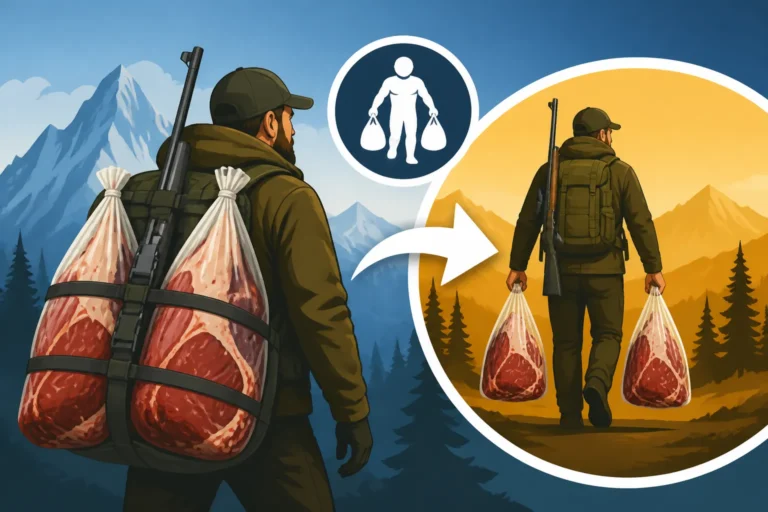
Their logistical duties also extend to managing food supplies, water purification, and ensuring all gear is in working order. They might be tasked with Camp Food and Dietary Needs for the entire group, packing and unpacking rafts on a float hunt, or organizing gear for a backpack spike camp. After a successful kill, their role becomes even more critical in Meat Processing and Freight From Bush Alaska, ensuring the meat is properly cared for, quartered, and stored according to regulations, even helping hang meat out of bear reach in remote locations.
Field Ethics and Regulatory Compliance
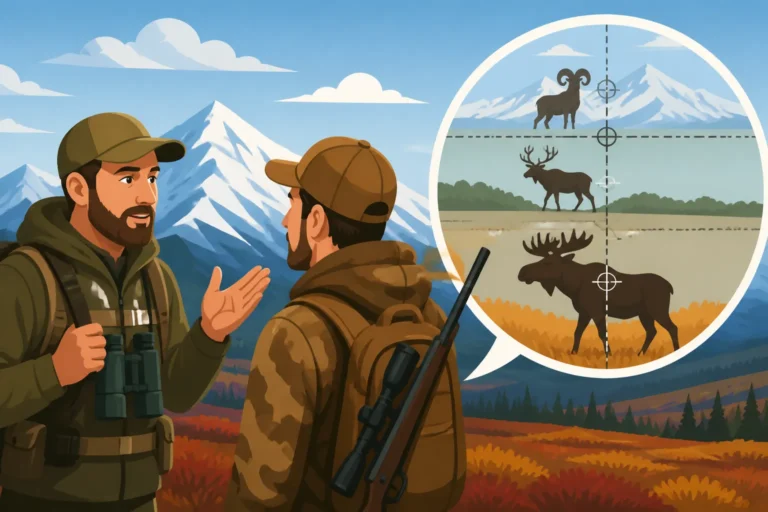
Alaska hunting is governed by a thick book of regulations, and every guide, including assistants, must know them intimately and uphold them rigorously. An assistant guide acts as another layer of enforcement and education in the field, ensuring that all actions taken during the hunt are legal and ethical. This means being acutely aware of season dates, bag limits, antler restrictions, and species identification. For example, when moose hunting in an antler-restricted area, an assistant guide needs to be just as proficient as the lead guide in Field Judging a Legal Bull Under Alaska Antler Rules before any shot is fired.
They are also responsible for assisting with post-kill requirements, such as ensuring all locking tags are properly affixed and that the hunt is reported correctly. They understand the nuances of Alaska Harvest Ticket Reporting Deadlines and the importance of thorough documentation. If a client is new to Alaska or a particular hunting style, the assistant guide often helps explain these rules in practical terms, ensuring the client understands their responsibilities. Their presence helps ensure that the entire operation maintains a high standard of legality and respect for the wildlife and the hunting tradition.
Limitations: What an Assistant Guide Cannot Do
While a Class-A Assistant Guide is indispensable, it's crucial to understand their legal limitations. These boundaries are put in place to maintain the integrity of the guiding system and ensure accountability rests with the fully licensed Registered or Master Guide. Primarily, an assistant guide cannot independently guide a hunt. This means they cannot contract for a hunt, accept payment directly from a client for guiding services, or lead a hunt where a Registered or Master Guide is not physically present on the same expedition.
They also cannot legally sign off on official hunt paperwork that requires the signature of the contracting guide. For instance, when a client fills out their harvest report or other regulatory documents, it's the Registered or Master Guide who must typically sign as the "responsible guide." While they are highly skilled, the assistant guide operates under the authority and license of their supervising guide, acting as a crucial extension of that guide's capabilities rather than an independent operator. This distinction is vital for both clients and aspiring guides to fully grasp.
Path to Becoming a Class-A Assistant Guide
For many who dream of a life in the Alaskan bush, helping others achieve their hunting goals, becoming a Class-A Assistant Guide is the foundational step. It’s a demanding but rewarding path that requires a blend of outdoor skill, regulatory knowledge, and a strong work ethic. It’s not simply a matter of wanting the job; there are specific requirements and processes to navigate, ensuring that only qualified individuals are entrusted with client safety and the reputation of Alaska's guiding industry.
Experience and Requirements
To even apply for a Class-A Assistant Guide license in Alaska, you need more than just a passion for the outdoors. The state mandates specific qualifications to ensure competence and reliability. Applicants must be at least 18 years old and a resident of Alaska for at least one year immediately preceding their application. Beyond these basic requirements, a significant amount of field experience is necessary. This typically includes verifiable experience in the remote Alaskan wilderness, demonstrating proficiency in navigation, survival skills, first aid, and handling firearms safely.
Many successful applicants have spent years as informal camp assistants, packers, or even just avid hunters with extensive backcountry experience. They need to prove they can handle the physical and mental demands of working in extreme conditions, possess sound judgment, and have a thorough understanding of Alaska's diverse ecosystems and big game species. Furthermore, specific training in wilderness first aid or a higher level medical certification is often required, underscoring the priority placed on client safety. The state wants to know you can not only find game but also keep people alive and well in the bush.
The Application and Examination Process
Once the experience requirements are met, the aspiring assistant guide must navigate a formal application and examination process. This involves submitting a detailed application to the Alaska Board of Game, which includes extensive personal history, references, and documentation of all relevant experience and training. A thorough background check is conducted, as guides are entrusted with considerable responsibility and interaction with clients.
Perhaps the most significant hurdle is the written examination. This isn't a simple pop quiz; it's a comprehensive test covering a vast array of topics including hunting regulations, game identification, outdoor ethics, first aid, navigation, bear safety, and even the history of guiding in Alaska. Passing this exam demonstrates a foundational understanding of what it takes to operate legally and safely in the field. There’s no real shortcut here; serious study of the Alaska hunting regulations booklet and practical experience are key to success. This rigorous process ensures that only those with a deep commitment and verified knowledge are granted a license.
Maintaining Your Assistant Guide License
Getting the Class-A Assistant Guide license is just the beginning; maintaining it requires ongoing diligence and adherence to professional standards. Licenses typically need to be renewed periodically, and this often involves updated paperwork, demonstrating continued residency, and sometimes, a refresher on regulations. Assistant guides, like their lead counterparts, are also often subject to client evaluations or feedback systems, which contribute to their professional record and can influence future employment opportunities.
It's a profession where reputation is everything, and consistent ethical conduct, combined with reliable performance, is essential for continued success. Assistant guides must continuously update their skills, whether that's through advanced first aid courses, new navigation technologies, or staying current on wildlife management changes. The guiding community in Alaska is relatively tight-knit, and consistent professionalism ensures that assistant guides remain desirable assets for Registered and Master Guides, helping them secure work season after season.
Working Under a Registered or Master Guide
The relationship between a Class-A Assistant Guide and their supervising Registered or Master Guide is the cornerstone of a successful guided hunt in Alaska. It’s a dynamic partnership built on trust, clear communication, and a shared commitment to the client's experience and safety. Understanding how this relationship functions on a day-to-day basis illuminates the vital role assistants play.
The Essential Guide-Assistant Relationship
At its core, the guide-assistant relationship is a mentorship. The Registered or Master Guide brings years, sometimes decades, of experience, deep knowledge of specific hunting areas, and the legal authority to run the operation. The assistant guide brings their own skills, energy, and eagerness to learn and contribute, operating under that senior guide’s direct instruction and oversight. This isn't a passive role; it's an active partnership where the assistant is constantly learning, adapting, and problem-solving in real-time.
For example, on a brown bear hunt on the Alaska Peninsula, the Registered Guide might scout a prime feeding area, but it's the assistant who helps set up the glassing position, prepares the gear, and is constantly scanning the landscape alongside, learning the nuances of bear behavior. This collaborative approach ensures that the client benefits from multiple sets of experienced eyes and hands, enhancing their chances of success and providing a richer overall experience. This vital teamwork helps uphold the standards discussed when considering Hiring an Alaska Registered Guide-Outfitter.
Communication and Teamwork in the Field
Effective communication is the lifeblood of any successful hunting expedition, especially in remote Alaska. Between a lead guide and an assistant, this communication needs to be constant, clear, and concise. It’s not just about discussing where to hunt; it’s about sharing observations, coordinating tasks, and anticipating potential challenges. Imagine a situation where the lead guide spots a potential legal bull moose across a vast willow flat; the assistant might be tasked with checking wind direction, planning the most advantageous approach route, or preparing the client for a stalk, all while relaying crucial information back to the lead guide.
Teamwork extends beyond verbal communication, too. It involves anticipating each other's needs, often without a word being spoken. The assistant might instinctively grab the binoculars when the lead guide points, or begin packing up camp as soon as the decision to move is made. This synergy comes from mutual respect, shared goals, and often, extensive time spent together in the field. This level of coordinated effort is what truly makes a guided hunt flow smoothly, providing the client with seamless support.
Liability and Responsibility
While an assistant guide carries significant responsibilities in the field, the ultimate legal and ethical liability for the entire hunt rests with the supervising Registered or Master Guide. This is a critical distinction. If an assistant guide makes a mistake or a client experiences an issue, the lead guide is ultimately accountable to the state of Alaska and to the client. This framework ensures that there is always a fully licensed and bonded professional bearing the highest level of responsibility for the operation.
However, this doesn't absolve the assistant guide of their own duties. They are still legally bound to uphold all regulations and act with the highest level of professionalism and safety. An assistant guide who commits a violation or acts negligently can face disciplinary action, including the suspension or revocation of their own license. Therefore, while the buck might stop with the Registered Guide, the assistant guide is an active participant in maintaining the legal and ethical integrity of the hunt. This dynamic is thoroughly explained when delving into topics like Alaska Guide Liability for an Assistant's Violations. Both parties must act with integrity to ensure a positive outcome for all involved.
The Value of an Assistant Guide to Your Hunting Experience
For hunters considering a guided trip to Alaska, understanding the role of an assistant guide can significantly enhance your appreciation for the service you're receiving. They are integral to the overall success and enjoyment of your journey, contributing in myriad ways that might not always be immediately apparent. From boosting safety measures to providing deeper local insights, assistant guides make a profound difference.
Enhanced Safety and Support
In the wilds of Alaska, safety isn't a luxury; it's an absolute necessity. The presence of a Class-A Assistant Guide dramatically enhances the safety net for any hunting party. You essentially have an extra set of trained eyes and hands, capable of spotting dangers, assisting in tricky terrain, and providing backup in unexpected situations. For instance, imagine traversing a steep shale slope while hunting Dall sheep; having an assistant guide behind you, watching your footing and offering a steadying hand, can prevent a dangerous fall.
Beyond immediate physical safety, they provide invaluable support that reduces the overall stress and physical burden on the client. They carry extra gear, handle much of the camp setup and breakdown, and are often responsible for preparing meals after a long day in the field. This allows the client to conserve energy, focus on the hunt, and truly immerse themselves in the experience without being constantly worried about the logistics. For details on how guides plan for worst-case scenarios, consider reading about Emergency Evacuation Plans in Remote Alaska.
Local Knowledge and Skill Development
While the Registered Guide is the primary source of expertise, assistant guides often bring a wealth of their own local knowledge and specialized skills to the table. Many assistant guides are locals themselves, intimately familiar with specific drainages, game trails, or historical animal movements that can prove crucial to a hunt's success. They might have grown up hunting the very mountains you're now exploring, or they've spent years learning the subtle cues of the local wildlife.
Furthermore, an assistant guide's presence can enrich your understanding of the Alaskan environment and hunting techniques. They are often keen to share their knowledge, whether it's identifying a specific plant, explaining animal behavior, or demonstrating how to properly care for a cape and skull. For hunters who are also keen on learning and developing their own skills, an assistant guide can be a fantastic resource, complementing the lead guide's instruction. While not a guide themselves, using resources like GoHunt can help both aspiring guides and serious hunters research areas and tactics, furthering their knowledge base.
A Stepping Stone to a Guiding Career
For many individuals, the Class-A Assistant Guide license is not just a job; it’s a crucial stepping stone towards a long-term career in guiding. It provides invaluable hands-on experience, allowing aspiring guides to work under seasoned professionals and learn the intricacies of running a successful and ethical operation. They gain practical knowledge of hunt planning, logistics, client management, and advanced field skills that cannot be learned from a textbook.
This progression allows assistant guides to build a reputation, gather client references, and accumulate the necessary experience to eventually apply for their Registered Guide-Outfitter license. It's a pathway that ensures the future of professional guiding in Alaska, passing on knowledge and experience from one generation of guides to the next. The rigorous system ensures that those who eventually become Registered or Master Guides are truly well-versed in all aspects of the trade, having proven their mettle through years of dedicated service as an assistant.
| Role | Primary Responsibilities | Legal Authority & Limitations | Key Contributions to a Hunt |
|---|---|---|---|
| Master/Registered Guide | Contracts hunts, overall hunt planning, final decision-making, regulatory compliance, client safety, managing assistants, financial oversight | Can legally contract hunts, collect fees, lead hunts independently, sign official documents, employ assistants | Strategic hunt execution, ultimate accountability, deep expertise, client relations, business management |
| Class-A Assistant Guide | Direct client support, camp operations, logistics, meat/trophy care, scouting, safety protocols, equipment maintenance, field ethics | Must work under direct supervision of a Master/Registered Guide, cannot contract hunts, cannot collect fees directly from client for guiding, cannot lead independent hunts | Enhanced client safety and comfort, efficient camp operations, practical field support, extra eyes/hands, learning experience |
Disclaimer
This article is for general informational purposes only and does not constitute professional advice. Laws, prices and regulations vary by location and change over time. Consult a qualified professional for guidance on your specific situation.