Gear Lists Alaska Guides Send Before a Hunt
Staring at that gear list from your Alaska hunting guide can feel like looking at a foreign language, or worse, a shopping list that could buy a small car. It’s daunting, right? You’re wondering if you really need every single item, what brands are best, and how on earth you’ll fit it all into the allowed weight for a bush plane. This guide is here to demystify those crucial gear lists, helping you understand the 'why' behind each recommendation so you can pack smart, stay safe, and focus on the hunt of a lifetime.
Deconstructing the Typical Alaska Gear List
When your guide sends over that list, it's not just a suggestion; it's a carefully curated inventory based on years of experience, the specific demands of your hunting area, and the unique challenges of Alaska's wild. They've seen folks show up unprepared, and they know the consequences. Understanding the categories will help you prepare mentally and financially for what’s ahead.
The 'Layering System' — More Than Just Clothes
Alaska weather is famously fickle. One moment it's sunny and mild, the next you're hunkering down against a driving sleet storm. That's why the layering system isn't just a recommendation; it's a survival strategy. You'll typically see requests for base layers, mid-layers, and outer layers, all with specific material requirements.
Your base layer, the one right against your skin, is all about wicking moisture away. Forget cotton – seriously, leave it at home. When cotton gets wet, it loses all insulating properties and stays wet, chilling you to the bone. Think merino wool or synthetic materials like polypropylene or polyester. These fabrics are champions at managing sweat, which is critical when you’re hiking hard in cold weather. Having multiple sets means you can always put on a dry layer at the end of a strenuous day, making camp life infinitely more comfortable.
Mid-layers provide insulation. This could be a fleece jacket, a lightweight synthetic puffy jacket, or a wool sweater. The key here is warmth without excessive bulk, and again, materials that perform even when damp. You'll often have multiple mid-layers so you can fine-tune your warmth level as you hike, glass, or sit still waiting for game. It's about adaptability. If you're looking for a guide, many outfitters on platforms like BookYourHunt will specify the exact conditions they operate in, which can further inform your layering choices.
Finally, your outer layer is your shield against the elements: wind, rain, and snow. This is where durable, waterproof, and often windproof shells come into play. We're talking high-quality jackets and pants with sealed seams. These aren't just for comfort; they're for maintaining your core body temperature in truly miserable conditions. They need to be robust enough to withstand bushwhacking through dense alder or scrambling over sharp rock, yet breathable enough that you don't soak yourself from the inside out.
Footwear: Your Foundation in the Bush
Your feet are your most important mode of transport in Alaska's backcountry, and neglecting them is a fast track to misery. A guide's list will usually prioritize sturdy, waterproof, and well-broken-in boots. And by broken-in, I mean truly broken-in – not just a walk around the block, but miles of varied terrain with a loaded pack.
High-quality hunting boots offer crucial ankle support, essential for navigating uneven tundra, rocky creek beds, and steep sidehills. They need to be waterproof, with membranes that keep moisture out while still allowing your feet to breathe. Many guides recommend knee-high rubber boots for certain coastal or marshy hunts, or insulated leather/synthetic boots for dryer, colder interior hunts. You might also see a request for lightweight camp shoes or crocs, a godsend for giving your feet a break after a long day in heavy boots. For certain terrains, knowing the Boot Requirements for Coastal Alaska Hunts can be incredibly helpful.
Socks are just as important as boots. Layers here too! Think thin wicking liner socks under thicker, insulating merino wool socks. Bring multiple pairs, because rotating dry socks daily is a simple pleasure that prevents blisters and trench foot. Nothing saps morale faster than cold, wet, blistered feet, and your guide knows this intimately.
Rain Gear: Non-Negotiable Protection
Let’s be blunt: if you’re hunting in Alaska, you will encounter rain, mist, sleet, or snow. Often all in the same day. Your guide's gear list for rain protection isn't a suggestion, it's a commandment. There's a world of difference between "water-resistant" and "waterproof," and in Alaska, you need the latter.
Your rain gear needs to be a dedicated, hardshell outer layer that is 100% waterproof and windproof, not just some DWR-coated softshell. Look for jackets and pants made with reliable waterproof-breathable membranes. This technology allows sweat vapor to escape while preventing external moisture from getting in. This balance is key to staying dry both from the outside elements and from your own exertion. Zippers should be waterproof, and seams should be fully taped or welded.
A guide will often emphasize quiet rain gear, especially for bowhunters or when calling game like moose. The loud crinkle of cheap rain gear can spook an animal at close range. Investing in top-tier rain gear isn't just about comfort; it's about staying in the hunt longer, maintaining your health, and having a positive experience despite challenging weather. Knowing what Rain Gear Guides Actually Recommend can often save you from making a costly mistake.
Essential Camp & Personal Items (Beyond the Obvious)
Beyond the basic clothing system, there's a whole category of gear designed to keep you fed, rested, and safe in a remote setting. These aren't just creature comforts; they're vital for maintaining your physical and mental readiness for the demands of an Alaska hunt.
Sleeping Systems: Rest is Key
A good night's sleep is not a luxury in the Alaskan wilderness; it’s a necessity for clear thinking, physical endurance, and positive morale. Your guide's list will typically specify a sleeping bag with a temperature rating well below what you expect to encounter. If the nights are predicted to be in the 30s, they might recommend a 0-degree bag. This isn't overkill; it's a buffer against unexpected cold snaps, high-altitude drafts, or simply a misjudgment of how cold you'll feel after a physically demanding day.
Synthetic fill bags are great for wet conditions as they retain some insulating properties when damp, but down bags offer superior warmth-to-weight ratio for drier hunts. However, once down gets truly wet, it's largely useless, so meticulous care is required.
Equally important is a quality sleeping pad. This isn't just for comfort; it's for insulation from the cold ground, which can suck the warmth right out of you, even with a great sleeping bag. Look for pads with a good R-value, which indicates their insulating capacity. A small, inflatable pillow can make a huge difference in your sleep quality, too, even if it feels like a luxury item when you're counting ounces. For tips on managing sleep systems in tough conditions, resources like GoHunt often have great articles on expedition prep.
Optics & Navigation: Eyes and Brains of the Hunt
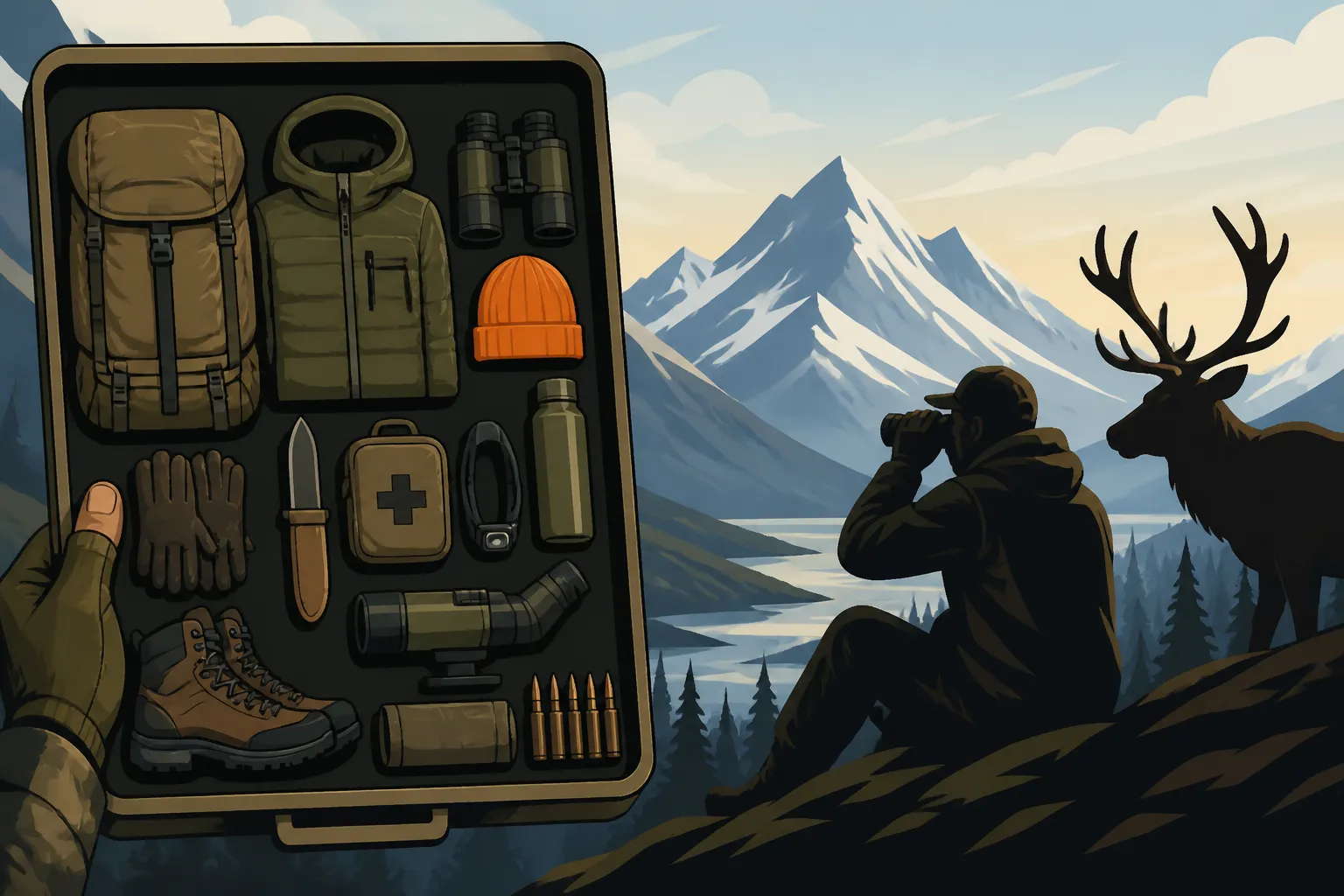
In vast Alaskan landscapes, your eyes are your most powerful tools for finding game. Guides will absolutely stress the importance of quality optics: binoculars, and for sheep or goat hunts, a spotting scope. These aren't just magnifying tools; they help you identify legal animals, locate distant game, and assess terrain without expending precious energy hiking.
High-power binoculars (10×42 or 10×50 are common) are your primary scouting tool, offering a wide field of view for scanning mountainsides or river bottoms. For more detailed scrutiny, especially when field judging a ram's curl or a bull's antler spread, a good spotting scope (20-60x or 20-70x) is indispensable. A rangefinder is also critical for ethical shot placement, helping you accurately determine distances in country where judging scale can be deceptive.
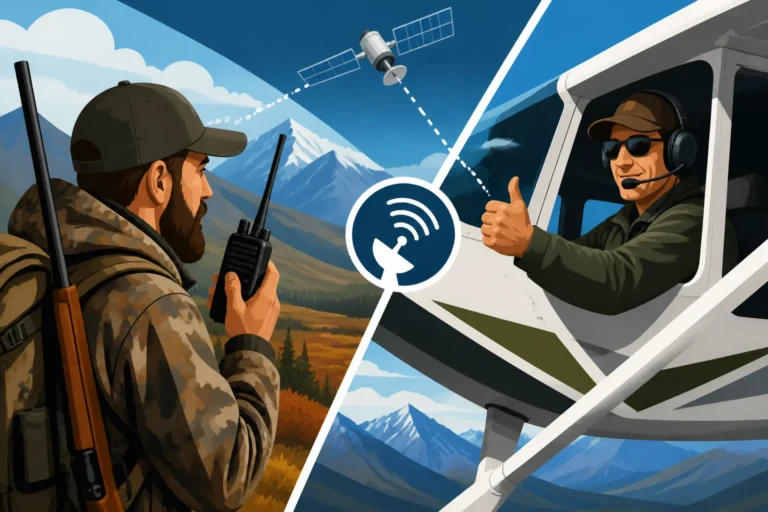
Navigation in Alaska is no joke. Cell service is practically nonexistent in most hunting areas, so relying on your phone alone is dangerous. Your guide will expect you to have a reliable GPS unit with preloaded maps, a compass, and paper maps as backups. More importantly, they’ll want you to know how to use them. A satellite communicator, like an InReach, isn't just for check-ins; it's an emergency lifeline, allowing you to send messages and trigger an SOS if things go sideways. Having a solid plan for Alpine Navigation Without Cell Service is absolutely critical.
Personal Care & First Aid: Staying Healthy and Safe
When you're days from the nearest road or clinic, personal hygiene and medical preparedness shift from routine to critical. Your guide's list will likely include personal medications, toiletries, and robust first-aid supplies.
Pack enough of any prescription medications to last the entire trip, plus a few extra days, stored in a waterproof container. For general hygiene, think minimal: a small toothbrush, travel-size toothpaste, biodegradable soap (if applicable for your camp type), and maybe some wet wipes. The aim is to stay clean enough to prevent skin issues without adding unnecessary weight.
Bug spray is not optional. Alaska's mosquitoes, gnats, and white sox can be relentless, especially in early season hunts. High-DEET repellents or permethrin-treated clothing are often recommended.
A comprehensive first-aid kit, tailored for wilderness use, is paramount. This should include supplies for blisters, cuts, sprains, burns, and common ailments like headaches or stomach upset. Your guide will have their own kit, but having your personal items, plus some basics, ensures you're ready for minor mishaps without relying solely on your guide's supplies. Think about what your Emergency Evacuation Plans in Remote Alaska would entail if a serious injury occurred.
Specialty Gear & Local Considerations
Beyond the personal necessities, there's a category of gear that directly relates to the act of hunting itself and the unique challenges of processing an animal in the Alaskan wilderness.
Firearm & Ammunition: Dialed-In and Ready
Your firearm is, obviously, central to the hunt. Your guide's list will often specify a minimum caliber for dangerous game or a recommended caliber range for others. For moose and caribou, something in the .300 magnum range is common, while brown bear hunts might call for even heavier calibers. For bowhunters, there will be minimum draw weight requirements.
The most critical aspect is not just the gun, but your familiarity with it. You should be intimately comfortable with your chosen weapon, proficient in shooting it accurately from various field positions, and capable of quick follow-up shots. Your guide will likely stress that your rifle should be sighted in perfectly before you ever leave home. Then, once you land in Alaska and get to camp, it's a smart idea to double-check your zero. Knowing how to do a Sighting In Before You Fly to a Remote Alaska Camp is a valuable skill.
Bring enough ammunition. Guides often recommend a minimum of 20-40 rounds, not just for the hunt itself, but for confirming your zero, dealing with potential reloads, and any unforeseen circumstances. Remember that bush flights often have Ammunition Limits on Alaska Bush Flights, so check with your air taxi service beforehand. Don't forget a basic cleaning kit; keeping your firearm functional in wet, dusty, or muddy conditions is crucial. If you're targeting big bears, consider what Rifle Requirements on an Alaska Guided Bear Hunt might be.
Meat & Trophy Care: The Harvest's Journey
If you're successful, the real work begins. Alaska has strict salvage laws, meaning you are legally required to remove all edible meat from the field. Your guide's list will reflect this with items dedicated to processing your animal.
Expect to bring several sturdy, breathable game bags. These are essential for protecting the meat from dirt, flies, and birds while allowing it to cool. Synthetic mesh game bags are far superior to cotton pillowcases, which don't allow for proper airflow and insulation. You'll also need a sharp, reliable hunting knife (and a backup!), along with a sharpening stone or field sharpener. There’s nothing more frustrating than trying to quarter a bull with a dull blade.
Rope or paracord can be surprisingly useful for hanging meat, securing tarps, or any number of camp tasks. Headlamps (with spare batteries) are non-negotiable for working on an animal in low light or after dark. Understanding Meat Care in 50-Degree September Weather is vital to prevent spoilage and ensure your hard-earned harvest makes it home.
Weight Considerations and Packing Smart
Bush flights are the lifeblood of remote Alaska hunting, but they come with strict weight limitations. Your guide's gear list isn't just about what to bring, but also how much it weighs. Every ounce counts.
You'll need a durable, comfortable backpack capable of handling heavy loads – because if you harvest an animal, you'll be packing out meat. This is where the concept of Backpack Hunting in Alaska: Gear Weight and Meat Loads really comes into play. Think about multi-use items: a bandana can be a headband, sun protection, or a pot holder. A spork saves the weight of separate utensils.
Be honest with yourself about what you truly need versus what would be "nice to have." Your guide will specify the weight limit per hunter (often 50-75 lbs for personal gear, not including meat), and exceeding it can mean extra flight fees or leaving essential items behind. Pack gear into waterproof stuff sacks or dry bags to protect it from moisture during transport and in camp.
Working with Your Guide's Specific List
The gear list you receive isn't arbitrary. It's born from a deep understanding of the specific game management unit, the particular time of year, and the outfitter's unique hunting style. Embrace it as your bible for preparation.
The Guide's List is Gospel
This is perhaps the most important point: your guide's gear list is the definitive word for your hunt. Generic Alaska hunting gear lists found online are a good starting point, but your specific outfitter knows their area better than anyone. They know if the river bottoms will be mucky, if the alpine will be snow-covered, or if the mosquito population is particularly fierce that season.
They've likely refined this list over many years, based on client feedback and what has consistently proven effective (or disastrous). Showing up with gear that doesn't meet their specifications can compromise your safety, comfort, and ultimately, your success. They've invested their time and reputation, and they want you to be prepared. If you're using a platform like BookYourHunt to find guides, you'll often get an initial idea of typical gear, but always wait for the specific list from your chosen outfitter.
Don't Be Afraid to Ask Questions
It’s completely normal to have questions about a gear list, especially if you're new to Alaska hunting or unfamiliar with certain types of equipment. Your guide wants you to ask! No question is too silly when it comes to being prepared in a remote environment.
If you don't understand a specific item, or if you're looking for recommendations on brands that your guide trusts, ask them directly. They might even have gear they can rent or recommend local shops in Alaska that stock the right items. This open communication also helps build rapport and trust before you even step foot in camp. For instance, you might want to know about Questions to Ask an Alaska Guide Before Booking and gear is definitely one of them. Knowing What a Guide's Success Rate Actually Counts could also clue you into their hunting style, which impacts gear choices.
The "Optional" Items and "Nice-to-Haves"
Many gear lists will have a section for "optional" items. This is where you apply your best judgment, weighing comfort against weight. Some optional items are truly luxuries, like a small book or specific gourmet coffee. Others, however, might be important safety or morale boosters that are worth the weight if you have room.
Consider a small solar charger for your satellite communicator or headlamp batteries. Maybe a lightweight dry bag for clothes. Specific high-energy snacks that you know you love can be crucial for maintaining energy and spirits on a tough day. Think about Camp Food and Dietary Needs if you have specific requirements. These items aren't critical for survival, but they can significantly enhance your experience and keep you going when things get tough. Use your guide’s advice on these, but also consider your own personal needs and comfort levels. For example, some hunters find a particular type of protein bar indispensable for energy, while others are fine with what the guide provides.
| Gear Category | Why It's Crucial | Key Considerations |
|---|---|---|
| Layering System | Adapts to rapidly changing weather; prevents hypothermia | No cotton! Merino wool/synthetics. Multiple base/mid layers. |
| Footwear | Prevents injury, blisters, and cold feet | Waterproof, broken-in, ankle support. Quality wool socks. |
| Rain Gear | Essential for staying dry in constant precipitation | Fully waterproof-breathable (hardshell). Quiet material. |
| Sleeping System | Crucial for rest, recovery, and warmth | Appropriate temperature rating. Insulating sleeping pad. |
| Optics | Locating and identifying game at distance | Quality binoculars (10x), spotting scope (if needed), rangefinder. |
| Navigation/Safety | Prevents getting lost; emergency communication | GPS, map, compass (know how to use!). Satellite communicator. |
| Firearm/Bow | Ethical harvest; self-defense (bear country) | Properly sighted in. Ample ammo. Familiarity with weapon. |
| Meat/Trophy Care | Legal compliance; preserves harvest | Breathable game bags, sharp knives, sharpening tool, headlamp. |
| Backpack | Comfortably carries gear; packs out meat | Durable, comfortable, appropriate size for loads (75-90L). |
| Personal Items | Hygiene, comfort, and health in remote camps | Medications, bug spray, first-aid, headlamp (spare batteries). |
Ultimately, your guide's gear list is your most reliable roadmap to a successful and safe Alaska hunting adventure. Trust their experience, communicate openly, and prepare diligently. The effort you put into your gear preparation will directly translate into a more enjoyable and effective hunt in the Last Frontier.
Disclaimer
This article is for general informational purposes only and does not constitute professional advice. Laws, prices and regulations vary by location and change over time. Consult a qualified professional for guidance on your specific situation.