Why Your Alaska Guide Must Be in the Field
Heading out into the vast, untamed wilderness of Alaska for a hunting trip is a dream for many, but it comes with a unique set of rules and realities, especially for those not lucky enough to call this state home. One of the most common points of confusion, and frankly, frustration, for nonresident hunters revolves around the requirement of having a licensed guide physically present with them in the field for certain big game species. It's not just a suggestion; it's a legal mandate designed to ensure safety, promote ethical hunting, and protect Alaska's incredible wildlife resources. This guide will demystify exactly why your Alaska guide must be in the field with you, exploring the critical reasons behind this law and what it means for your hunting adventure.
Understanding Alaska's Guide Requirements
Navigating the regulations for hunting in Alaska can feel like trying to read a roadmap drawn by a grizzly bear – complex and a little intimidating. For nonresident hunters, understanding the guide requirement is paramount to planning a legal and successful trip. It's not about making things harder; it's about protecting both the hunter and the hunted in some of the wildest country on Earth.
The Legal Mandate for Nonresidents
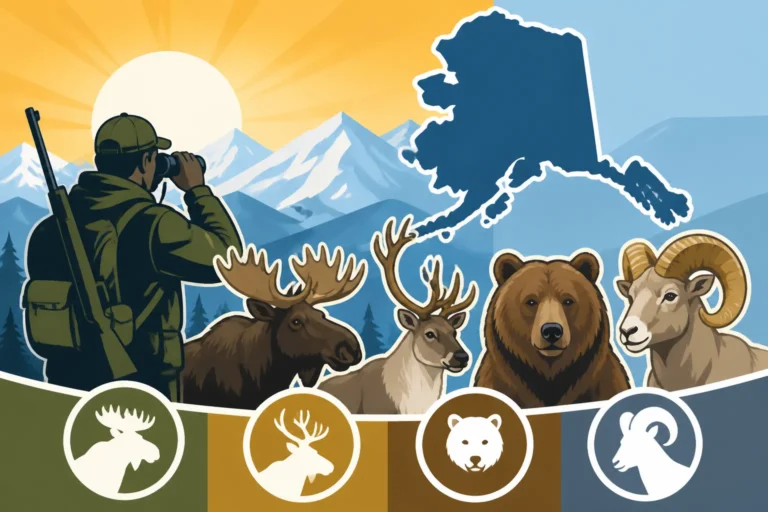
Let's cut right to it: if you're a nonresident and you plan to hunt Dall sheep, brown bear, or mountain goat in Alaska, you must be accompanied by a licensed Alaska big game guide or a resident relative who meets specific kinship requirements. This isn't a loophole to jump through, but a fundamental part of the state's hunting law. Imagine flying into a remote alpine basin, miles from any trail or road, looking for a full-curl ram. Without an experienced individual who knows the land, the game, and the inherent dangers, the risks escalate dramatically. This requirement ensures that someone with intimate knowledge of Alaska's harsh environment and its wildlife is always by your side, ready to make critical decisions.
The law is clear and specific about when and where this guidance is required. It's not enough to have a guide book your trip and send you on your way; they must be physically present with you, actively participating in the hunt. This means scouting, tracking, calling, and, most importantly, ensuring you adhere to all regulations, from identifying legal game to proper meat salvage. The integrity of Alaska's wildlife management hinges on this direct oversight, preventing accidental violations and promoting responsible harvesting.
"Second-Degree-Kinship" Exemption Clarified
While the guide requirement is strict, there is one notable exemption for nonresidents: the "second-degree-of-kinship" rule. This allows a nonresident to hunt Dall sheep, brown bear, or mountain goat without a licensed guide if they are accompanied by an Alaska resident who is related to them within the second degree of kinship. This includes parents, children, siblings, grandparents, and grandchildren. It’s a recognition of family bonds and the tradition of hunting passing down through generations or being shared between close relatives.
However, this isn't a casual arrangement. The resident relative must be 19 years of age or older and must possess a valid hunting license. Crucially, they must be personally accompanying the nonresident hunter in the field. This means they are actively hunting together, not just dropping them off and picking them up. The spirit of this exemption is to ensure that the nonresident still benefits from the knowledge and experience of an Alaskan who understands the local conditions and regulations, much like a professional guide would. You can find more specific details on Alaska's Second-Degree-Kindred Alternative to a Guide.
What Constitutes "In the Field"
The phrase "in the field" isn't just bureaucratic jargon; it refers to the direct, hands-on accompaniment by the guide or resident relative during the actual hunting activity. It means they are with you while you are actively pursuing game, which could involve hiking, glassing, calling, tracking, or even sitting patiently on a stand. They must be close enough to communicate effectively and intervene if necessary.
Consider a scenario where you're on a brown bear hunt. "In the field" means your guide is right there with you, spotting the bear, helping you judge its size and legal status, and ensuring a safe and ethical shot opportunity. It doesn't mean they're back at camp cooking dinner while you're out alone with a rifle. The guide's presence is a continuous requirement from the moment the hunt begins until the animal is legally harvested and appropriate field care has commenced. This constant companionship is central to safety and compliance, particularly in areas like the Alaska Peninsula where large bears are a constant presence.
The Rationale Behind the Rule
It's easy to view hunting regulations as simply hurdles to jump, but in Alaska, many laws, especially those concerning guides, are rooted in very practical and vital reasons. The state's vastness, unpredictable weather, dangerous wildlife, and specific game populations all factor into why having a knowledgeable professional by your side is often not just advisable, but legally required.
Public Safety and Bear Country Realities
Alaska is wild, truly wild. This isn't your average backcountry hike in the Lower 48. Here, you're sharing the landscape with apex predators like brown bears and grizzly bears, sometimes in very high densities. A brown bear hunt, for instance, often places you directly in their territory, demanding an elevated level of vigilance and preparedness. When you harvest a large animal, whether it's a moose or a bear, the scent of blood can draw other predators, turning a moment of triumph into a serious survival situation.
A professional guide brings crucial bear safety protocols to the table. They know how to react in an encounter, understand bear behavior, and are equipped to handle dangerous situations. This isn't just about carrying a bigger gun; it's about experience, tactical thinking, and the ability to make split-second decisions that can mean the difference between life and death. When you're in Bear Safety While Butchering a Kill in Alaska, having that expert presence is invaluable. They also understand the specific terrain and weather patterns that can quickly become life-threatening, providing a layer of protection that even experienced hunters from other regions might lack.
Ethical Hunting Practices and Fair Chase
Beyond safety, the guide requirement is a cornerstone of ethical hunting in Alaska. Guides are licensed professionals who are expected to uphold the highest standards of fair chase and responsible hunting. They are trained to help hunters identify legal game, ensuring that only animals meeting the specific antler, horn, or size restrictions are harvested. This is especially critical for species like Dall sheep, where distinguishing a legal full-curl ram can be incredibly challenging from a distance, or moose with complex antler restrictions. You can dive deeper into How to Judge a Full-Curl Ram in the Field or Field Judging a Legal Bull Under Alaska Antler Rules to understand the nuances.
A guide's presence mitigates the risk of an accidental illegal harvest, which can lead to serious penalties for the hunter and negatively impact wildlife populations. They ensure that animals are not wounded and lost, and that all edible meat is salvaged according to the state's stringent waste laws. This commitment to ethical hunting practices is vital for maintaining the public's trust in hunting and for the long-term health of Alaska's game herds. Reputable guides often use platforms like BookYourHunt or GoHunt to list their services, showcasing their commitment to these ethical standards and helping hunters find someone who aligns with their values.
Wildlife Management and Data Collection
Alaska's robust wildlife management system relies heavily on accurate data. Licensed guides play a critical role in this. They are often the eyes and ears on the ground in remote areas, providing valuable observations on game populations, movements, and habitat conditions. Their regular presence in specific units allows them to report trends that might otherwise go unnoticed, contributing directly to the scientific understanding needed to set seasons and bag limits.
Furthermore, guides are responsible for ensuring that all harvested animals are properly reported and sealed, if required. This includes the mandatory sealing of bear skulls and hides, which provides biologists with crucial data on age, sex, and population health. Without the guide's direct involvement in the field, there's a greater risk of incomplete or inaccurate reporting, undermining the state's efforts to manage its wildlife sustainably. Their expertise helps in correctly identifying species, counting brow tines, or determining full-curl status, all of which directly impact the data collected.
| Species | Nonresident Guide Required | Second-Degree-Kinship Exemption | Key Legal Aspect |
|---|---|---|---|
| Brown/Grizzly Bear | Yes | Yes | Must be accompanied by guide or qualified resident relative. |
| Dall Sheep | Yes | Yes | Must be accompanied by guide or qualified resident relative. |
| Mountain Goat | Yes | Yes | Must be accompanied by guide or qualified resident relative. |
| Moose | No | N/A | Nonresidents can hunt unguided. |
| Caribou | No | N/A | Nonresidents can hunt unguided. |
| Black Bear | No | N/A | Nonresidents can hunt unguided. |
| Sitka Blacktail Deer | No | N/A | Nonresidents can hunt unguided. |
| Wolf/Wolverine | No | N/A | Nonresidents can hunt unguided. |
Note: This table summarizes general rules. Always consult the most current Alaska hunting regulations booklet for specific unit rules and updates.
What a Guide Actually Does in the Field
When you hire an Alaska guide, you're not just paying for a hunting partner; you're investing in expertise, safety, and a deep understanding of the Alaskan environment. Their role goes far beyond simply pointing out an animal. They are logistical masters, seasoned trackers, naturalists, and, often, emergency responders wrapped into one.
Navigating Remote Terrain and Bush Logistics
Alaska's hunting grounds are immense and unforgiving. From the rugged peaks of the Alaska Range to the dense coastal rainforests, the terrain can be brutal. Many of the most sought-after species inhabit truly remote areas, requiring bush plane flights, extensive hiking, and often, crossing treacherous rivers or navigating dense alders. A guide's intimate knowledge of the area is irreplaceable. They know the subtle signs of weather changes, the safest routes through seemingly impassable country, and where to find potable water.
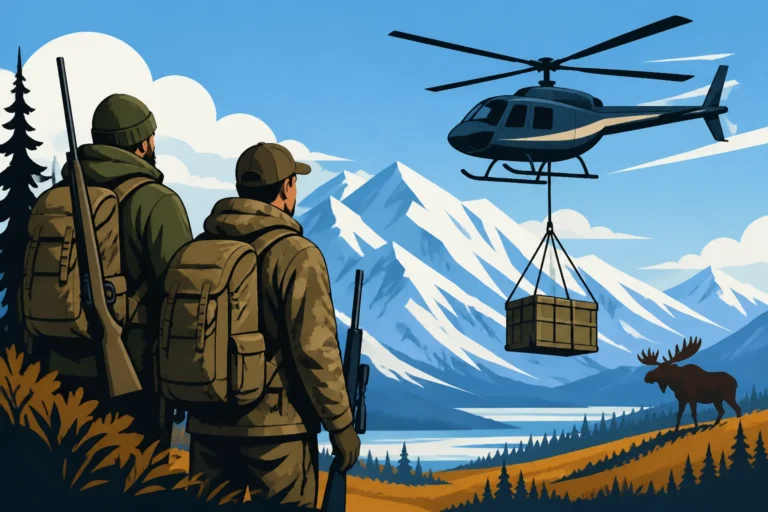
Think about a fly-in hunt for Dall sheep. Your guide isn't just a passenger on the plane; they've likely scouted the unit from satellite imagery, chosen the precise landing strip, and know the best spike camp locations. They understand the intricacies of Fly-In Hunting: Working With an Alaska Transporter Pilot and can communicate effectively with air taxis to arrange pickups and game hauling. They handle the complex logistics of food, fuel, tents, and communication devices, freeing you to focus on the hunt itself. Without that expertise, getting lost, injured, or stranded becomes a very real possibility.
Game Identification and Legal Confirmation
One of the guide's most critical roles in the field is ensuring legal compliance, particularly when it comes to identifying game. Alaska has specific and sometimes complex antler and horn restrictions for species like moose and Dall sheep. For moose, hunters might need to confirm a certain antler spread or a minimum number of brow tines. For sheep, the "full curl" rule can be deceptive, especially from a distance or with certain angles. Telling a Spike-Fork Bull From a Yearling or Full-Curl Judging From Below the Ram are skills honed over years, not something a nonresident can pick up in a few days.
A skilled guide possesses the knowledge and optics to confidently identify legal game, often under challenging conditions. They can prevent hunters from mistakenly harvesting a sublegal animal, which carries significant penalties and reflects poorly on the hunting community. Their presence means you have an expert set of eyes constantly evaluating the animals, ensuring your hunt remains within the bounds of the law. This attention to detail is crucial for the sustainable management of these iconic species.
Meat Care, Trophy Prep, and Emergency Response
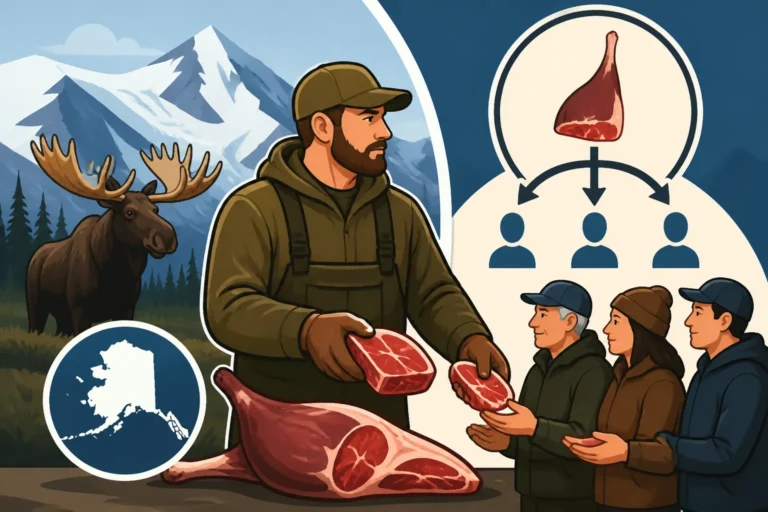
The moment an animal is on the ground, a guide's work really begins. In Alaska, responsible meat care is not just good practice; it's the law. The guide will direct the quartering of the animal, ensuring that all edible meat is salvaged and cooled quickly to prevent spoilage, even in warm September weather. This is a massive undertaking for a bull moose, and a guide’s experience in Quartering a Bull Moose Alone in the Field or Hanging Meat in Warm September Weather is absolutely essential.
Beyond meat, guides are experts in initial trophy preparation, whether it's caping a bear for a full-size mount or preparing sheep horns for transport. They understand the delicate work of Cape and Skull Care for a Brown Bear Hide and how to preserve your trophy in the field until it can be processed further. Perhaps most importantly, guides are trained and equipped for emergencies. In remote Alaska, a sprained ankle, a sudden storm, or a dangerous animal encounter can quickly escalate. Guides carry satellite communication devices, first aid kits, and often have emergency medical training. They have contingency plans for weather delays or injuries and know how to initiate an evacuation if needed, making them your lifeline in the vast Alaskan wilderness. Signal Devices and Check-In Plans for Solo Alaska Hunts are critical, and a guide ensures these are in place.
The Risks of Circumventing the Guide Law
Attempting to hunt a guide-required species in Alaska without a licensed guide or qualified resident relative is not only against the law but incredibly risky. The allure of a self-guided adventure is strong, but the consequences of ignoring these regulations can be severe, impacting both your personal freedom and the future of hunting in Alaska.
Legal Consequences for Hunters and Guides
The legal repercussions for violating Alaska's guide requirements are substantial. For nonresident hunters caught hunting a guide-required species without proper accompaniment, penalties can include significant fines, confiscation of your harvested animal and equipment, and even jail time. You could also lose your hunting privileges in Alaska and potentially other states through interstate compacts. These aren't minor infractions; they are serious offenses that the state takes very seriously.
Furthermore, if a licensed guide is found to be complicit in such a violation, perhaps by dropping off clients and not physically accompanying them, they face severe penalties to their license, including suspension or revocation. This can end their career and damage their reputation permanently. The system is designed to hold both the hunter and the guide accountable for adhering to the law. Always verify your guide's license status, a service often provided by hunting consultancies and online resources like GoHunt. The Alaska State Troopers are vigilant, and given the nature of fly-in hunts, investigators can easily determine if a guide was truly "in the field."
Unforeseen Dangers in the Bush
Alaska's wilderness is beautiful, but it's also relentlessly dangerous for the unprepared. Without the guidance of an experienced professional, hunters are far more susceptible to a myriad of unforeseen dangers. This includes getting lost in vast, featureless terrain, experiencing hypothermia due to sudden weather shifts, or suffering serious injuries in remote areas with no immediate help. Alpine Navigation Without Cell Service is a skill, not a gamble.
Beyond environmental hazards, the presence of large, dangerous game like brown bears is a constant consideration. An inexperienced hunter might not recognize warning signs, handle an encounter appropriately, or even properly field-dress an animal in a way that minimizes attraction from predators. This could lead to a confrontation that results in injury or death. Guides are not just there to help you find an animal; they are there to help you survive in a place that demands respect and experience. GPS Battery Life in Cold Camps and having a proper communication plan are essential, things a good guide always covers.
Damage to Alaska's Hunting Reputation
Every hunter has a responsibility to uphold the integrity of the sport. When hunters circumvent legal requirements, it casts a negative shadow on the entire hunting community, not just the individuals involved. Violations like illegal harvests or unsafe practices fuel anti-hunting narratives and make it harder for wildlife managers to maintain public support for hunting. Alaska prides itself on its well-regulated and ethical hunting traditions.
The guide requirement helps protect this reputation by ensuring a high standard of conduct and safety in the field. Noncompliance can lead to stricter regulations in the future, potentially impacting all hunters. By adhering to the rules, especially the guide requirement for specific species, nonresident hunters demonstrate respect for Alaska's laws, its wildlife, and its local hunting culture. It ensures that future generations can continue to enjoy the privilege of hunting in this incredible state.
Choosing the Right Guide for Your Alaskan Adventure
Since having a guide is a legal necessity for certain species, choosing the right guide becomes one of the most critical decisions you'll make for your Alaska hunting adventure. This isn't a casual booking; it's a partnership that will significantly impact your safety, success, and overall experience in the Alaskan wilderness.
Researching Licensed Professionals
The first and most important step is to ensure any guide you consider is properly licensed by the State of Alaska. This isn't just a formality; it signifies that they have met specific experience, safety, and ethical standards set by the Alaska Board of Game. You can, and absolutely should, check the status of a guide's license through the Alaska Department of Commerce, Community, and Economic Development. Platforms like BookYourHunt and GoHunt often pre-vet guides or provide mechanisms for you to verify their credentials, adding a layer of trust.
Beyond licensing, delve into their reputation. Ask for references from past clients, particularly those who have hunted the same species you're targeting. Don't just settle for names; actually call those references and ask detailed questions about the guide's professionalism, field skills, camp conditions, and how they handled unexpected challenges like bad weather or missed shots. Ask about their concession areas – guides often operate under specific permits for federal lands, ensuring legal access to prime hunting grounds. This due diligence is paramount for an investment as significant as an Alaskan guided hunt.
The Value of Experience and Specialization
Alaska is vast, and its guides often specialize in certain areas, species, or hunting methods. A guide who excels at Float Hunting Alaska Rivers for Moose and Caribou might not be the best choice for a Spot-and-Stalk Dall Sheep Hunting Above Alaska Timberline. Look for a guide with extensive, proven experience in the specific hunt you envision. How many years have they guided? How many successful clients have they had for your target species? Don't be shy about asking direct questions.
Specialization often means they have a deeper understanding of animal behavior in specific regions, the best glassing knobs, or the most effective calling techniques. For instance, a brown bear guide operating on the Alaska Peninsula will have different expertise than a grizzly guide in the interior. Their knowledge of the terrain, weather patterns, and local wildlife population trends for their specialized hunts will be invaluable. This expertise directly translates to a safer, more efficient, and ultimately more successful hunt for you. A thorough guide will also be transparent about Reading Guide Success Rates Honestly, explaining what those numbers truly mean.
Aligning Expectations with Your Guide
Before you commit, have an in-depth conversation with your prospective guide to ensure your expectations align. Discuss everything from physical fitness requirements to daily routines in camp, typical shot distances, and the realities of trophy care and meat handling. Be honest about your own physical capabilities and hunting experience. A good guide will appreciate your honesty and will be able to tell you if their hunts are a good fit for you. Some guides focus on hardcore backpack hunts, while others might offer more comfortable lodge-based experiences.
Clarify all costs involved, including any trophy fees, potential extra charges for additional meat hauling, or unexpected weather delays. Understand the guide's cancellation policy and consider purchasing hunt insurance for added peace of mind. Discuss the gear list they provide and why certain items are essential for an Alaskan hunt. Knowing these details upfront prevents misunderstandings and ensures a smooth, enjoyable experience. This careful planning, perhaps facilitated by tools like GoHunt or BookYourHunt during your initial search, is the foundation of a successful Alaska hunting trip. Always remember, a good relationship with your guide is built on clear communication and mutual understanding long before you step foot in the Alaskan bush. You can always refer to resources like Choosing a Guide for an Alaska Moose Hunt for more detailed guidance on specific species.
Disclaimer
This article is for general informational purposes only and does not constitute professional advice. Laws, prices and regulations vary by location and change over time. Consult a qualified professional for guidance on your specific situation.