Alaska Drop Camp Hunts Through an Air Taxi
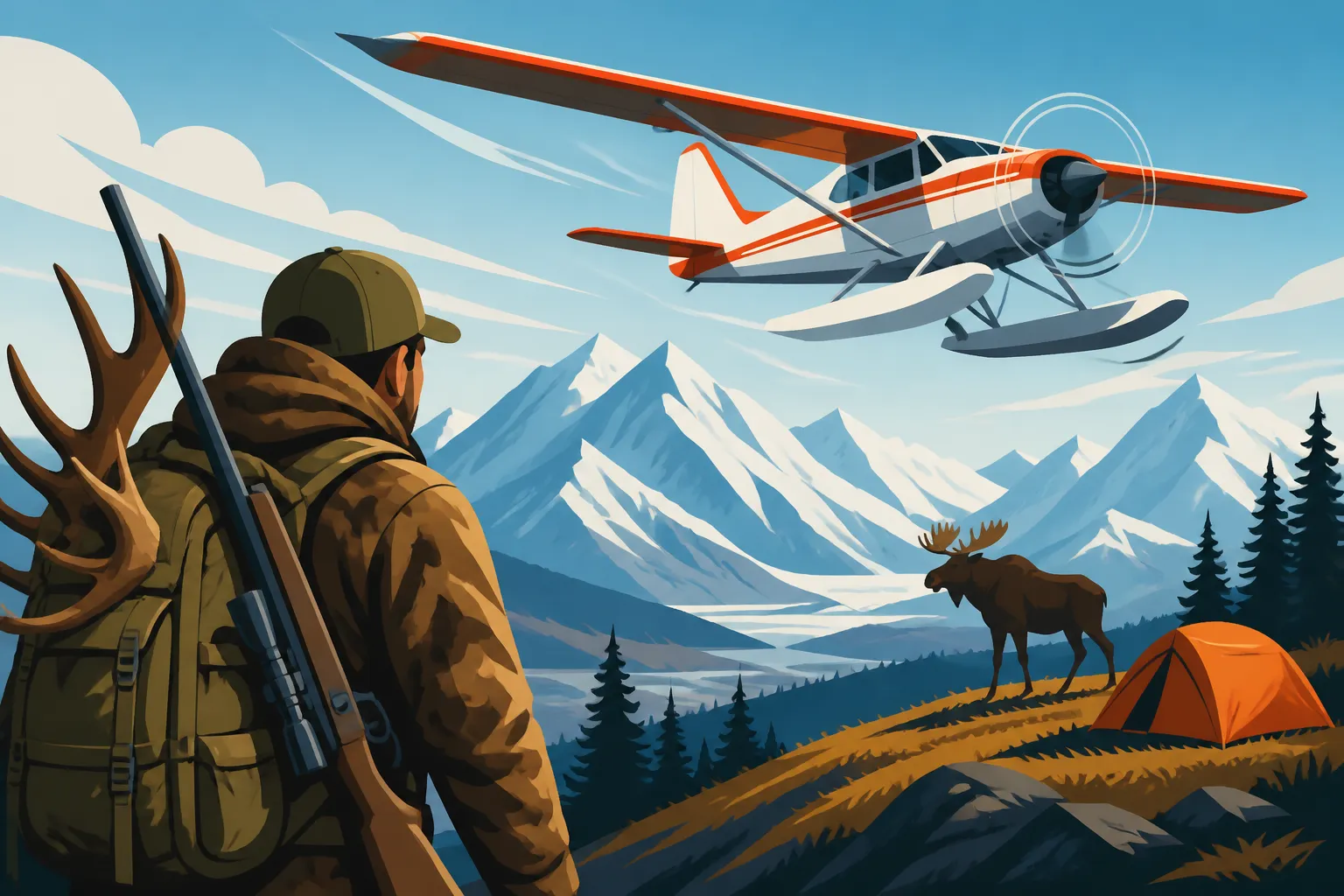
Alaska calls to the wild heart, promising vast, untamed landscapes and incredible hunting opportunities that many of us dream of. But let's be honest, the thought of tackling such a massive undertaking, especially the logistics of a truly remote hunt, can feel utterly overwhelming and financially out of reach. For many, a fully guided hunt comes with a price tag that just isn't feasible, yet the idea of going completely alone into the Alaskan bush is daunting, if not irresponsible. This guide is all about finding that perfect middle ground: the Alaska drop camp hunt, where an air taxi flies you into the wilderness, giving you the freedom of a DIY hunt with crucial logistical support.
What Exactly Is an Alaska Drop Camp Hunt?
The dream of an Alaska hunt often conjures images of rugged individuals disappearing into the vast wilderness, emerging weeks later with a monster moose or a heavy caribou rack. While some hunters are indeed seasoned enough to tackle a fully unassisted hunt, the reality for most is that Alaska demands a level of logistical prowess and safety planning that goes beyond typical Lower 48 expeditions. This is where the drop camp hunt comes in, offering a bridge between the complete DIY adventure and the all-inclusive guided experience.
The Core Concept: Independence with Logistics Support
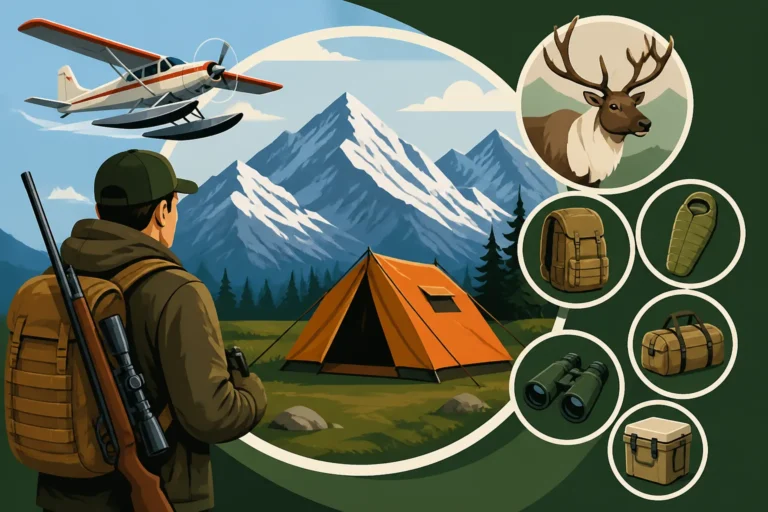
At its heart, an Alaska drop camp hunt is about empowering hunters to be self-reliant in the field while delegating the most critical logistical challenge: remote access. You and your hunting partners are flown into a remote, pre-determined location by an air taxi, often to a gravel bar, a tundra lake, or a small clearing in the bush. From the moment the plane departs, you are entirely on your own for the duration of your hunt. This means you are responsible for everything from setting up your camp, navigating the terrain, locating and harvesting game, field dressing, meat care, and personal safety. The air taxi's role is strictly transport—getting you in, and critically, getting you and your harvest out.
This model fundamentally differs from a fully guided hunt, where a professional guide is present with you throughout the hunt, providing expertise, equipment, and often handling much of the camp chores and game recovery. In a drop camp, there's no guide to lead the way, make tactical decisions, or even cook dinner. It's a true test of your skills, preparedness, and teamwork within your hunting party. The allure lies in the significant cost savings compared to a guided trip, combined with the unparalleled satisfaction of truly earning your animal in a wild, unassisted manner. You're trading professional hand-holding for personal freedom and a deeper connection to the wilderness experience.
The Role of the Air Taxi in a Drop Camp
An air taxi in Alaska is far more than just a ride. These bush pilots and their aircraft—think Super Cubs, Cessna 185s, or larger planes like Otters—are the lifeblood of remote access across the state. For a drop camp, they are your critical link to civilization and your only way in and out of the backcountry. Their primary function is to transport you, your gear, and ultimately your game. This involves careful planning between you and the pilot: discussing potential landing sites, confirming weight limits for both your party and your anticipated harvest, and establishing clear communication protocols for check-ins and pickup.
Beyond simply flying you in, air taxi operators often have deep knowledge of various game management units, understanding general game movements and areas that might hold promise. However, it's crucial to remember that their legal role is limited to transportation. They cannot scout for you, offer advice on where to hunt, spot game from the air, or provide any assistance that could be construed as guiding. This is a strict regulation to prevent unfair advantage and protect the business of licensed guides. They will drop you off with your equipment, agree upon a pickup date (with clear contingencies for weather delays), and then leave you to your hunt. Their responsibility resumes when they return to pick you up. This clear division of labor is what defines a drop camp and keeps it distinct from a guided operation.
The Allure and the Reality: Pros and Cons of Drop Camps
Deciding on a drop camp hunt involves weighing the undeniable appeal of self-reliance against the significant responsibilities it entails. It's not a decision to be taken lightly, as the stakes in the Alaskan wilderness are incredibly high.
Advantages: Freedom, Cost, and Skill Development
One of the most compelling arguments for a drop camp hunt is the lower financial barrier to entry. Fully guided hunts in Alaska, particularly for species like brown bear or Dall sheep, can easily run into the tens of thousands of dollars. While air taxi services aren't cheap, splitting the cost among a hunting party makes a remote drop camp significantly more affordable, putting the dream of a true Alaska hunt within reach for many. This cost saving doesn't come at the expense of quality of experience; rather, it shifts the investment from a guide's expertise to your own preparedness.
Another huge draw is the thrill of a true DIY wilderness experience. There's an unparalleled sense of accomplishment that comes from planning every detail, navigating wild country on your own, and ultimately, successfully harvesting an animal without the aid of a professional guide. It's raw, authentic, and deeply satisfying. This independence fosters a profound connection to the landscape and the hunt itself. You dictate the pace, choose your hunting strategy, and make all the critical decisions, from where to set up camp to which drainage to explore next.
Finally, drop camps are incredible for developing self-reliance and bushcraft skills. You'll become intimately familiar with every piece of your gear, learn to read the landscape with new eyes, sharpen your navigation abilities, and master field butchering techniques under real-world pressure. Whether it's setting up a wind-resistant camp in a sudden storm, tracking an animal through tough terrain, or making critical decisions about Hanging Meat in Warm September Weather, every challenge becomes a learning opportunity that will make you a more capable and confident outdoors person. This growth is often as valuable as any trophy brought home.
Disadvantages: Responsibility, Risk, and Logistical Demands
While the advantages are appealing, the disadvantages are significant and demand serious consideration. First and foremost, everything is on your shoulders. There's no experienced guide to fall back on when things go wrong. If someone gets hurt, if you get lost, or if you can't locate your animal, the responsibility for problem-solving, recovery, and safety falls entirely on your hunting party. This level of accountability requires extensive preparation, experience, and a cool head under pressure.
Secondly, drop camps inherently involve higher personal risk:
- Weather: Alaska weather is notoriously unpredictable and can change rapidly, often grounding planes for days. This can lead to extended stays in camp, running low on supplies, or missing critical hunting time.
- Bears: You are in prime bear country. Recovering an animal, especially a large one like a moose, can take hours or even days, attracting predators. Bear Safety While Butchering a Kill in Alaska becomes a critical, immediate concern without a guide present.
- Injury: A simple sprained ankle in a remote area can turn into a life-threatening emergency if not managed properly. Getting yourself or a partner out of a dangerous situation without outside help can be extremely difficult.
Finally, the sheer amount of planning and gear required for a successful drop camp hunt is extensive. You must anticipate every conceivable scenario, from shelter and food for extra days due to weather delays, to specialized tools for field butchering and meat care, to robust communication devices. Every item must be carefully chosen for its weight, durability, and necessity, given the strict Weight Limits on a Super Cub Drop. This meticulous planning alone can be a full-time job for months leading up to the hunt, and any oversight can have serious consequences in the remote Alaskan wilderness.
Planning Your Alaska Drop Camp Adventure: Key Steps
Embarking on an Alaska drop camp hunt is a monumental undertaking that requires meticulous planning, far more so than many other hunting trips. Every detail, from the species you pursue to the pilot who flies you in, must be carefully considered.
Choosing Your Species and Unit
The first critical step is to decide what you want to hunt. Alaska offers an incredible array of big game, and your target species will heavily influence your choice of hunting unit, season, and required gear. Are you dreaming of a giant bull moose, a migrating caribou, a formidable brown bear, or perhaps a majestic Dall sheep? Each animal inhabits specific terrain and requires different hunting tactics. For instance, chasing moose often means navigating willow thickets and marshy river bottoms, while Dall sheep hunting involves extreme vertical climbs in rugged mountains.
Once you have your target species in mind, you'll need to dive deep into Alaska's regulatory framework, particularly the Alaska Game Management Units and How They Are Numbered. Each unit and sub-unit has specific seasons, bag limits, and often unique regulations, such as antler restrictions for moose or full-curl requirements for rams. Many of the most sought-after hunts, especially for popular species, are only accessible through drawing permits, meaning you'll need to apply well in advance and contend with often long odds. Understanding these regulatory nuances is paramount. You might discover that a general season hunt for caribou offers more flexibility than a highly restricted draw hunt for brown bear, which also requires a guide for non-residents. Researching different units will also help you understand the landscape and potential challenges of accessing specific areas, whether it's through a bush plane, a riverboat, or by foot.
Selecting a Reputable Air Taxi and Booking Early
Your air taxi operator is not just a service provider; they are a crucial partner in your drop camp hunt. Their expertise, reliability, and safety record are paramount. It's not enough to simply find a pilot with an available plane. You need to thoroughly research potential operators. Look for air taxis with years of experience flying hunters into your chosen region, those with a reputation for excellent communication, meticulous maintenance, and a strong safety track record. Word-of-mouth recommendations from other hunters are invaluable, as are online forums and resources.
Platforms like BookYourHunt and GoHunt can be excellent starting points for identifying reputable air taxi services that cater to drop camps. While they often focus on guided hunts, many also list transporters. These sites can help you connect with operators who are well-versed in the specifics of drop camp logistics. Once you've identified a few potential air taxis, don't hesitate to call them, ask detailed questions about their operations, their fleet, their experience in your desired hunting area, and their emergency protocols. This is not a time to cut corners on research. Given the popularity of Alaska hunting and the limited number of skilled bush pilots, booking your air taxi well in advance—often a year or more out—is absolutely essential, especially if you're targeting prime hunting dates during the rut or peak migration periods. A good pilot will also be able to offer insights into typical weather patterns, potential landing zones, and what you can realistically expect from the terrain.
Crafting Your Logistics and Emergency Plan
Once your species, unit, and air taxi are set, the real logistical deep dive begins. This is where you iron out every detail of your trip, ensuring no stone is left unturned. Your logistics plan will cover everything from your exact flight schedule with the air taxi to your food menu for the entire trip, including contingency rations. You'll need to agree upon precise drop-off and pick-up locations, approximate timings, and most importantly, a clear communication strategy with your pilot. What happens if you're not at the pickup point? How often will you check in via satellite messenger?
Your emergency plan is equally, if not more, critical. Alaska is rugged, and medical emergencies, bear encounters, or getting lost are real possibilities. Every member of your party should be proficient in first aid, and you should carry a comprehensive medical kit tailored to remote wilderness scenarios. Robust communication devices like satellite phones or InReach devices are non-negotiable for check-ins and emergency contact. Creating Signal Devices and Check-In Plans for Solo Alaska Hunts (even if you're not solo, these principles apply) is vital. You'll need to leave a detailed flight plan and itinerary with a trusted contact back home, outlining your routes, expected timeline, and emergency contact information. Finally, seriously consider evacuation insurance. Standard medical insurance often doesn't cover the immense costs of a remote wilderness rescue. Policies specifically designed for backcountry adventures can provide peace of mind and protect you from potentially ruinous expenses if an emergency arises and you need to be flown out.
Gear, Equipment, and Supplies for Your Remote Camp
When planning an Alaska drop camp hunt, the gear list isn't just a suggestion; it's a blueprint for survival and success. Every item must be chosen for its durability, functionality, and weight, balancing comfort and capability with the strict limits of bush plane transport.
Essential Camp Setup: Shelters, Cooking, and Comfort
Your camp is your sanctuary, your base of operations, and your only shelter from the elements. A robust and reliable tent system is paramount. For longer stays or larger groups, a quality wall tent paired with a small, efficient wood or propane stove can offer unparalleled comfort, warmth, and the ability to dry gear. However, wall tents are heavy and bulky, often requiring multiple plane loads. For lighter, more mobile hunts, or smaller parties, high-quality backpack tents designed for severe weather are necessary. Look for tents with strong poles, excellent rain fly coverage, and durable fabrics that can withstand fierce winds and heavy precipitation, which are common across Alaska.
Beyond shelter, a functional cooking setup is crucial. Portable, reliable stoves that use propane, white gas, or even a small wood stove for a wall tent, are essential for preparing meals and melting snow for water. Don't forget ample fuel, cooking pots, utensils, and a reliable water filtration system. Finally, your sleeping system must be able to handle extreme cold, even in what might seem like milder seasons. A high-quality sleeping bag rated for well below freezing (0°F or colder is a good starting point), coupled with an insulated sleeping pad, will ensure you can rest and recover after long days in the field. Remember, cold weather zaps energy, and a good night's sleep is critical for maintaining performance and morale.
Hunting Specific Gear and Field Processing Tools
Naturally, you'll need your primary hunting weapon—whether it's an appropriate rifle and ammunition for big game, or a rugged archery setup designed to withstand ten days of rain. Consider a Rifle Choice for Alaska Brown Bear Country if you're in an area where these apex predators are prevalent, even if you're not specifically hunting them, for self-defense. But beyond the means to harvest your animal, the tools for field processing are absolutely non-negotiable and must be top-tier.
This kit typically includes a sharp, durable hunting knife (with a spare!), a bone saw or hatchet for quartering larger animals like moose, and a reliable knife sharpener. Crucially, you'll need high-quality, breathable game bags. These are not your flimsy cotton bags from the lower 48; think specialized synthetic materials that allow air circulation while protecting meat from insects and dirt. Game Bags That Breathe in Coastal Rain are vital to prevent spoilage in Alaska's often damp environment. You'll also need strong rope or cordage for hanging meat and sturdy pack frames for hauling heavy loads out of the field. Remember, for a bull moose, you're looking at hundreds of pounds of bone-in meat, often in multiple trips. Every detail, down to surgical gloves for hygienic field dressing, makes a difference in preserving your valuable harvest.
Weight Management and Bush Plane Restrictions
This is perhaps the single biggest logistical challenge for drop camp hunters: weight. Bush planes, especially smaller ones like Super Cubs, have strict limits on how much they can carry. Exceeding these limits is not only dangerous but illegal. Your air taxi operator will specify their plane's maximum payload, and you need to adhere to it religiously. This includes not just your body weight and personal gear, but also camp supplies, food, and crucially, the weight of any harvested game.
The best approach is a detailed gear list with approximate weights for every single item. This helps you identify redundancies and areas where you can shed ounces, which quickly add up to pounds. Consider Splitting Gear Across Two Air Taxi Loads if your party is large or your gear is extensive, though this will increase your flight costs. When communicating with your air taxi, be upfront and accurate about your expected gear weight. Nothing sours a relationship faster than showing up with twice the gear you claimed. Remember to factor in the potential weight of a successful harvest. A large bull moose can weigh upwards of 1,200-1,500 pounds live, yielding several hundred pounds of salvageable meat and bone. This means your pilot might need to make second trip charges for meat hauling, which will impact your budget. Planning for these extra flights from the outset is far better than being surprised in the field.
Understanding Air Taxi Services and What to Expect
The relationship with your air taxi pilot is foundational to a successful drop camp hunt. Understanding their capabilities, limitations, and the nuances of their service is essential for managing expectations and ensuring a smooth, safe experience.
Legal Boundaries: What an Air Taxi Can and Cannot Do
It's absolutely critical to understand the legal distinction between an air taxi (transporter) and a licensed guide in Alaska. An air taxi's role is strictly limited to transportation. They are authorized to fly you, your gear, and your harvested game into and out of the backcountry. They can provide general information about an area, like "the moose often use that creek bottom," but they cannot actively participate in any aspect of the hunt itself. This means they cannot:
- Guide you: They cannot scout for game, interpret game sign, lead you to animals, or offer advice on where to hunt once you're on the ground.
- Spot game from the air: They are prohibited from actively searching for game animals while flying you or telling you where they saw animals. Spotting Game From a Plane Before You Land is illegal for hunters who intend to pursue that game on the same day.
- Assist in hunting: This includes using their aircraft to herd game, block escape routes, or communicate game locations to you while you're hunting.
- Furnish hunting equipment: Unless they also operate as a licensed outfitter, they cannot provide you with hunting-specific gear.
The rules are clear and strict, designed to separate transportation services from guided hunting services. Attempting to get a pilot to act as a guide, or accepting such assistance, can lead to serious legal consequences for both the hunter and the pilot, including citations, fines, and forfeiture of game. It's best to review Alaska Transporter Services Versus Guide Services to fully grasp these boundaries.
Pricing Structure and Hidden Costs
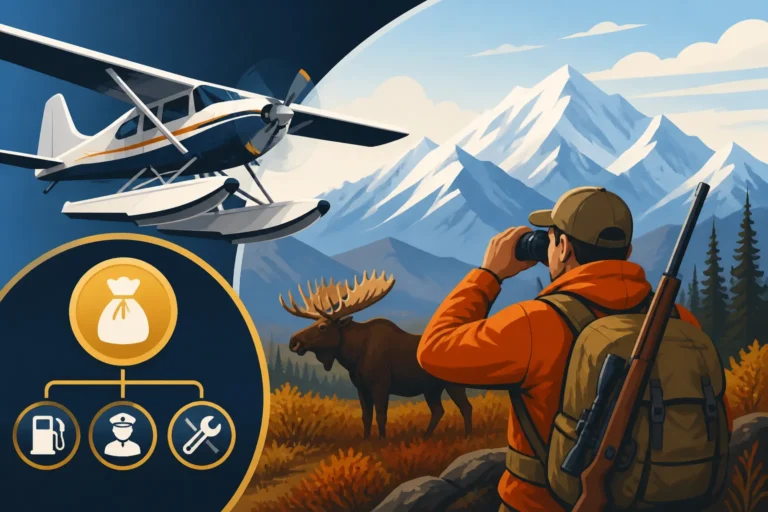
Understanding air taxi pricing is paramount for budgeting your drop camp hunt. Most air taxis operate on an hourly rate for flight time, though some may offer package deals for specific regions or durations. However, these "package" prices usually have caveats and don't always cover every eventuality. It's vital to get a clear breakdown of costs from your operator.
- Hourly Rates: This is the base cost. It includes time in the air, loading/unloading, and potentially repositioning the aircraft.
- Deadhead Time: This is a frequently overlooked cost. What Deadhead Time Adds to Your Bill refers to the time the plane flies without you or your gear, such as flying empty from its base to your rendezvous point, or returning empty after dropping you off. You typically pay for this time as well.
- Extra Charges: Be prepared for potential additional fees:
- Overweight Gear: If you exceed agreed-upon weight limits, you might incur extra charges or require an additional flight (at your expense).
- Meat Flights: A successful hunt for a large animal like a moose will almost certainly require an additional flight (or flights) solely for meat and trophy extraction. This can significantly increase your total cost.
- Weather Delays: While not always a direct charge, weather delays can mean your pilot can't pick you up as scheduled. While some air taxis might build in a small buffer, prolonged delays could impact their schedule and potentially incur waiting fees or require creative solutions, costing you more.
- Fuel Surcharges: Fuel prices fluctuate, and some operators may have a fuel surcharge clause in their contracts.
Always get a detailed quote in writing, outlining all potential costs. Don't be shy about asking "what if" questions regarding weather, extra weight, and successful harvests.
Communication, Safety, and Contingency Planning with Your Pilot
Effective communication with your air taxi pilot begins long before your wheels leave the ground. Prior to your flight, you'll have a detailed briefing covering:
- Landing Zones: Confirming the exact drop-off and pick-up locations, and discussing alternative landing sites in case of unforeseen circumstances.
- Check-in Procedures: Establishing a clear schedule for satellite phone or InReach check-ins. This is critical for your safety and for the pilot to know you're alright.
- Pickup Schedule: Solidifying your pick-up date and time, with an understanding that this is always weather permitting.
Safety is paramount. Pilots will assess weather conditions rigorously and will not fly if it's unsafe. This means weather's impact on flights and delays is a constant factor in Alaska bush flying. You must be prepared for delays, sometimes lasting several days, due to fog, high winds, or heavy rain. This is why it's wise to consider Building Extra Days Into a Fly-In Schedule beyond your planned hunting time. These buffer days allow for unexpected delays without derailing your entire travel plan or leading to missed flights home. Have enough food, fuel, and supplies to comfortably extend your stay in the field. A good pilot will also discuss their emergency protocols with you, ensuring you know how to contact them or initiate a rescue if a serious situation arises. Trust your pilot's judgment on weather and safety; they are the experts in the Alaskan skies.
Navigating the Field: Hunting, Recovery, and Meat Care in a Drop Camp
With your air taxi gone, the vast Alaskan wilderness becomes your responsibility. This is where your preparedness, skills, and teamwork are truly put to the test. Every aspect of the hunt, from finding game to getting it out, is on you.
Field Tactics and Self-Reliance
In a drop camp, you are the scout, the caller, the tracker, and the decision-maker. There's no guide to lead the way, so your ability to navigate, read the landscape, and employ effective hunting tactics is critical. Before you even set foot in the field, extensive pre-hunt scouting using satellite imagery, topographic maps, and even resources like GoHunt's mapping tools, is essential. Identify potential game corridors, feeding areas, bedding grounds, and glassing points. Understand the terrain—river drainages, ridge lines, open tundra, or dense timber—and how it might influence game movement and your own travel.
Once on the ground, your days will be spent putting those plans into action. This might involve extensive hiking, methodical glassing from high points using powerful optics (learning Glassing Grids That Cover a Whole Basin is invaluable), or carefully still-hunting through cover. For species like moose or caribou, understanding seasonal movements and utilizing calling techniques, such as Calling Bull Moose During the Alaska Rut, can be highly effective. Without a guide, you must rely on your own judgment for every decision: where to hunt, when to move, how to approach an animal, and when to call it quits for the day. This level of self-reliance is precisely what draws many hunters to drop camps, but it demands a higher level of personal skill and confidence.
Animal Recovery and Butchering Challenges
The moment an animal is down, the real work begins, and it's often the most challenging part of a drop camp hunt. Without a guide, the responsibility for locating, reaching, and butchering your animal falls entirely on your hunting party. If you're alone or in a small group, recovering a large animal like a bull moose from a dense willow thicket or a beaver slough can be an arduous, multi-day ordeal. Quartering a Bull Moose Alone in the Field is not for the faint of heart; it's physically demanding and requires specific techniques to manage the sheer size and weight.
Moreover, working a kill site in Alaska almost invariably means operating in bear country. The scent of fresh meat will attract predators, making Bear Safety While Butchering a Kill in Alaska a top priority. Have bear spray readily accessible, carry a reliable firearm, and ensure at least one person is always on watch while others are working on the animal. Meeting Alaska Moose Meat Salvage Requirements means removing all edible meat, which is a substantial amount. It's a race against time, flies, and predators, often conducted in challenging conditions. The ability to work efficiently, safely, and thoroughly is a mark of a prepared drop camp hunter.
Meat and Trophy Preservation in Remote Conditions
Proper meat and trophy care is paramount to ensure your hard-earned harvest doesn't spoil and remains legally salvageable. Once an animal is down and field dressed, the immediate priority is to cool the meat rapidly. Even in early September, temperatures can be mild enough to cause spoilage. Skinning and quartering the animal quickly, then getting the meat into breathable game bags and hung in the shade (preferably in a breeze), is crucial. This helps Cooling a Carcass Before the Flies Find It and prevents bacterial growth. Hanging meat also keeps it off the ground, away from scavengers, and promotes air circulation.
Protecting your meat from bears and other scavengers is another constant battle. If available, hanging meat high in trees, out of a bear's reach, is ideal. Some hunters carry portable electric bear fences, which can provide an additional layer of security around a meat cache. For trophy species like brown bear, careful attention to Cape and Skull Care for a Brown Bear Hide is essential for a successful taxidermy mount. This involves properly skinning, turning ears and lips, and salting the hide to preserve it until you can get it to a professional. Neglecting these steps can result in a ruined trophy and wasted effort. Your success isn't just about the shot; it's about the hours of meticulous work that follow to ensure the harvest is respected and preserved.
Post-Hunt Logistics: Getting Your Harvest Out
The hunt isn't truly over until you and your harvest are safely back to civilization. This final phase of a drop camp hunt requires just as much strategic planning and communication as the initial insertion.
Coordinating Meat and Trophy Pickups
Once your hunt is successful and your game is field-dressed, quartered, and properly cared for in camp, the next big challenge is coordinating its extraction with your air taxi. This is where your pre-arranged communication plan becomes vital. Using your satellite device, you'll need to contact your pilot, update them on your status, report your harvest, and confirm your readiness for pickup. Be prepared to provide an accurate estimate of the weight of your meat and trophy. This information is crucial for the pilot to determine how many flights will be needed and what aircraft configuration is appropriate. For a large moose, it's highly likely that the meat will require separate, dedicated flights, possibly even more than one.
Clear communication is key. Confirm the exact pickup location, which might be a different gravel bar or lake if conditions have changed or if the initial drop-off point isn't ideal for a heavy load. Be explicit about what you're waiting for—just yourselves, or yourselves plus a full load of meat and a trophy. Your pilot will also need to assess the weather and landing conditions, which can fluctuate. Be patient and understand that the pilot's priority is safety. It's not uncommon for weather to delay pickups, so having those extra buffer days in your schedule and sufficient supplies to wait it out is paramount. Your goal is to have everything ready to go when the plane arrives, maximizing efficiency for both you and the pilot.
Shipping and Processing Your Meat and Trophy
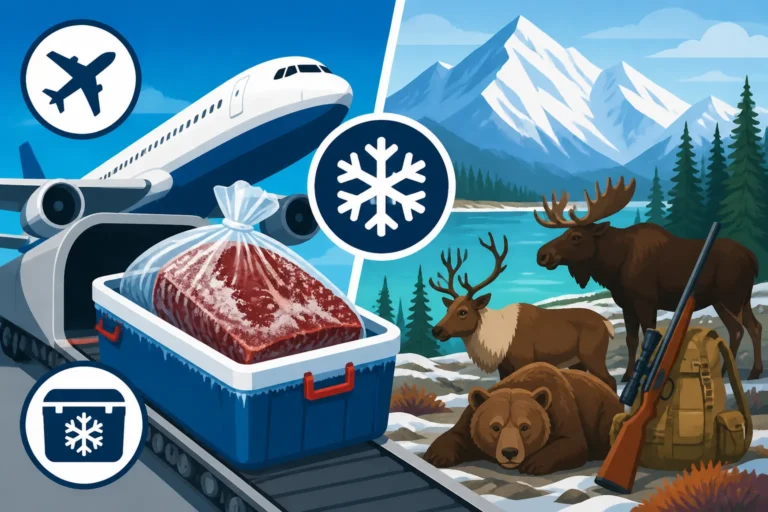
Once you're back to the air taxi's base of operations, often a small town like King Salmon, McGrath, or Bettles, the final stages of meat processing and trophy handling begin. Most bush plane towns have local processors or butchers who specialize in wild game. These facilities are invaluable for breaking down large animals into manageable cuts, packaging them for transport, and often even offering freezing services. Getting your meat into a freezer as quickly as possible is essential for quality preservation.
Shipping your meat and trophy home requires further planning and expense. For meat, you'll need to consider Meat Shipping Cost From Bush Alaska and airline regulations for transporting frozen game. Airlines typically have specific rules regarding weight, packaging (often requiring waxed boxes or coolers), and whether meat can be carried as checked baggage or cargo. It's always best to check with your specific airline well in advance. For your trophy, whether it's a cape for a shoulder mount or an entire hide for a life-size mount, you'll need to make arrangements with a taxidermist. Many hunters choose to work with local Alaska taxidermists who are experienced with Alaskan species and understand sealing requirements. However, you can also ship your prepared cape and skull plate to a taxidermist in your home state. Understand that Trophy Care Included in the Guide Fee is generally only applicable to guided hunts; in a drop camp, these costs and logistics are entirely yours. Be aware of any Alaska Sealing Requirements for Bear and Wolf Hides or skull plates, and ensure you comply with all regulations before shipping. This final stage is as important as the hunt itself to ensure your hard-earned trophy and meat make it home safely and legally.
Drop Camp vs. Fully Guided Hunt Comparison
| Feature | Drop Camp Hunt (Air Taxi) | Fully Guided Hunt |
|---|---|---|
| Cost | Significantly lower (transportation fees, gear rentals) | Much higher (guide fees, lodging, food, equipment, transport) |
| Independence | High; hunters are fully self-reliant in the field | Low; guide leads all hunting and camp operations |
| Skill Required | High (navigation, game finding, field care, survival) | Moderate (guide provides expertise, but hunter must perform) |
| Logistics | All planning (gear, food, routes, emergency) on hunter | Primarily handled by guide (gear, food, camp setup) |
| Safety Net | Minimal; reliance on personal preparedness & sat device | High; guide provides expertise, first aid, emergency comms |
| Experience | Raw, authentic DIY wilderness adventure | Structured, higher success potential with expert assistance |
| Physical Demands | Often high, especially for meat packing and recovery | Can be high, depending on guide/terrain, but supported |
| Game Recovery | Entirely hunter's responsibility | Primarily guide's responsibility, with hunter assistance |
| Meat & Trophy Care | Entirely hunter's responsibility, from field to home | Guide assists significantly with field care; helps arrange shipping |
Disclaimer
This article is for general informational purposes only and does not constitute professional advice. Laws, prices and regulations vary by location and change over time. Consult a qualified professional for guidance on your specific situation.