Where Alaska Bans Motorized Access During Season
There are few things more frustrating than meticulously planning an Alaska hunt, only to discover you can't use your trusty ATV or even land your plane in a critical area because of an unseen motorized access ban. Alaska's vastness comes with a mosaic of regulations, and figuring out where you can and cannot use a motor is often the biggest headache for hunters. This guide is here to untangle that knot, helping you understand the rules around motorized access during hunting season so you can plan your next adventure with confidence and stay on the right side of the law.
Understanding Alaska's Controlled Use Areas (CUAs)
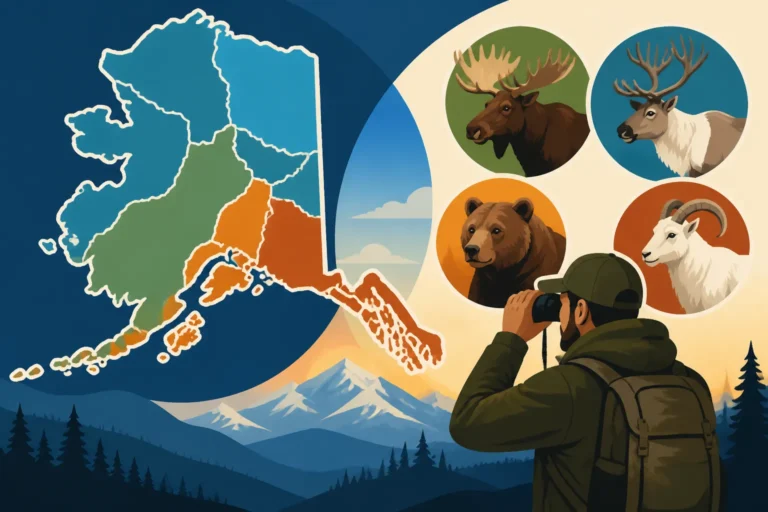
Alaska is famous for its wild country, and a big part of preserving that wilderness experience, and managing wildlife, involves regulating how hunters access it. This is where Controlled Use Areas, or CUAs, come into play. These are designated regions where specific restrictions are placed on motorized vehicles, often during hunting seasons, to achieve particular management goals. For many hunters, stumbling into a CUA unknowingly is a real fear, leading to potential fines or, at the very least, a ruined hunt.
The primary purpose of a CUA is typically to manage harvest pressure, enhance the quality of the hunting experience by promoting fair chase, and reduce conflicts between different types of users. Imagine a popular moose area: without a CUA, every hunter might be able to zip around on ATVs, covering ground quickly, disturbing game, and potentially creating an unsafe environment. CUAs aim to prevent this by limiting the use of certain machines, often pushing hunters to embrace more traditional, physically demanding methods like backpacking or horse packing once they're off the main road system. You can learn more about these specific restrictions in Alaska Controlled Use Areas and What They Restrict.
It's not just about regulating vehicle noise or speed, though those are factors. CUAs often protect specific habitats or migration corridors where game animals are particularly vulnerable to motorized disturbance. For instance, an area might ban wheeled vehicles during the caribou migration to prevent hunters from intercepting animals too easily, or to ensure that the animals are not unduly stressed during a crucial movement period. These areas are designed to ensure that hunting remains a challenge, not just a matter of who has the fastest machine.
The sheer variety of CUAs can be overwhelming. Some are year-round, while others are seasonal. Some ban all motorized vehicles beyond a certain point, while others might permit snowmachines in winter but ban ATVs in summer. It’s a dynamic landscape of rules, and what applies in one CUA might be completely different just a few miles down the road in another. This complexity is precisely why detailed research is non-negotiable before heading into the field.
Vehicle-Specific Bans: From ATVs to Aircraft
When we talk about motorized access bans in Alaska, it’s crucial to understand that "motorized" isn't a single category. Different types of vehicles face different restrictions, and these nuances can make or break your hunt plan. Hunters often assume these bans are solely for ATVs, but aircraft, snowmachines, and even certain boat types can also be affected.
Wheeled and Tracked Vehicle Restrictions
All-terrain vehicles (ATVs), UTVs, and other off-road wheeled vehicles are often the first target of motorized access restrictions. Many CUAs are specifically established to keep these vehicles off the fragile tundra, out of sensitive riparian areas, or simply to promote a more traditional hunting experience away from roads. For example, some units might allow ATV use on designated trails or existing two-track roads, but strictly prohibit cross-country travel. The Denali Highway area, while having some ATV access, also has specific zones where these machines are restricted to particular corridors, pushing hunters further into the backcountry on foot. If you're planning a trip there, understanding ATV Access Tactics on Alaska's Denali Highway is key.
Snowmachines, or snowmobiles, face a different set of rules, largely because they are typically used in winter conditions. While some areas are closed to snowmachines year-round, many CUAs that restrict wheeled vehicles in summer may open up to snowmachine use in winter once sufficient snow cover protects the underlying terrain. This is often tied to winter big game seasons, like wolf hunting over a kill site. However, even then, there can be specific restrictions, such as closures around critical wintering habitats for moose or caribou. Always check the seasonal specifics.
Aircraft and Same-Day-Airborne Rules
Aircraft, whether fixed-wing bush planes or helicopters, offer unparalleled access to Alaska's most remote hunting grounds. But even air access has its own set of significant restrictions. The most well-known is Alaska's "Same-Day-Airborne" rule. This regulation prohibits you from hunting big game on the same day that you have been airborne in an aircraft. The intent is clear: to prevent hunters from spotting game from the air and then immediately landing to pursue it, a practice often seen as unsporting and giving an unfair advantage. This rule is a cornerstone of ethical hunting in Alaska, and violations carry serious penalties. Alaska's Same-Day-Airborne Rule and What It Bans delves deep into what this means for pilots and hunters.
This rule doesn't mean you can't fly into a remote camp. You absolutely can. It simply means that once your plane touches down, your "hunting clock" doesn't start until the following calendar day. So, if you fly in on a Monday, the earliest you can legally begin hunting for big game is Tuesday morning. This applies whether you're being dropped off by a transporter or flying your own plane. Specific areas might also have outright bans on aircraft landings outside of designated airstrips, or within certain buffers around sensitive wildlife areas. These are critical details for anyone considering Fly-In Hunting: Working With an an Alaska Transporter Pilot.
Watercraft Regulations
While often overlooked in discussions of "motorized access," boats and other watercraft are absolutely a form of motorized transport, and their use is regulated in certain areas. Some rivers or lakes, particularly those flowing through national parks or designated wilderness areas, might have restrictions on motor size or even outright bans on motorized boats. This is often to preserve the wilderness character of the waterway or to protect fish spawning grounds.
For hunters who rely on float trips to access remote areas, understanding these regulations is crucial. A powerful jet boat might be legal on one stretch of a large river but prohibited once you enter a specific management area. Conversely, many areas permit the use of motorboats for access, but you cannot hunt directly from a moving motorized boat. Float Hunting Alaska Rivers for Moose and Caribou offers insights into how to navigate these waterways effectively and legally. Always confirm the specific rules for the water body you plan to use, as they can vary significantly.
Navigating Land Status and Local Regulations
Alaska's land ownership is incredibly complex, a patchwork of federal, state, and Native corporation lands, each with its own set of rules that overlay state hunting regulations. This layered system means that understanding where Alaska bans motorized access isn't just about looking at game management unit boundaries; it's also about knowing who owns the ground under your boots and what their specific rules are.
Federal Lands: Refuges, Parks, and Preserves
A significant portion of Alaska is federal land, managed by various agencies like the National Park Service, U.S. Fish and Wildlife Service, and Bureau of Land Management. While hunting is generally allowed in National Preserves and National Wildlife Refuges, it's often subject to specific, and sometimes more stringent, motorized access rules than state lands. National Parks, by contrast, typically prohibit hunting entirely.
For example, many National Wildlife Refuges have specific regulations regarding off-road vehicle use, often limiting it to designated routes or requiring special permits. Some areas within refuges might have blanket bans on motorized travel during certain seasons to minimize disturbance to migrating waterfowl or nesting birds. It's not uncommon for federal land managers to implement their own set of rules on top of what the state permits. You really need to dig into the specifics for the particular refuge you're considering, as outlined in Motorized Access Rules on Refuge Land. What's allowed on one refuge might be strictly forbidden on another.
State Lands and Game Management Units (GMUs)
Alaska State lands often have more permissive access rules than federal lands, but this is not universally true, especially within specific Game Management Units (GMUs) or smaller designated areas. The Alaska Department of Fish and Game (ADF&G) sets the overarching hunting regulations for GMUs, which include many of the Controlled Use Areas we've discussed. These CUA designations are state-level decisions and are explicitly designed to regulate motorized access.
It’s important to remember that even on general state land, there can be local restrictions. A remote area accessible by a historic trail might suddenly become off-limits to ATVs if the trail crosses a specific CUA boundary, or if the land managers determine ATV use is causing undue resource damage. This is why having a robust mapping tool like onX Hunt is invaluable. It allows you to overlay land ownership boundaries with CUA designations and designated trails, giving you a clear picture of where you can and cannot go. Without it, you're essentially navigating blind in a regulatory minefield.
Native Corporation and Private Lands
Alaska Native Corporations own vast tracts of land, particularly in rural and Interior Alaska. Access to these lands is generally restricted and requires explicit permission, often in the form of a paid permit. Even if state regulations allow motorized access in a particular GMU, if that access point or the hunting grounds themselves are on Native Corporation land, you must abide by their rules, which frequently include restrictions or outright bans on motorized vehicles. These permits can be costly, and the terms vary significantly from one corporation to another. Always contact the specific Native Corporation that owns the land you wish to cross or hunt on well in advance. Trying to traverse Native Corporation lands without permission, let alone using a vehicle where it's forbidden, can lead to serious legal trouble.
| Type of Land/Area | Typical Motorized Access Rule Examples | Key Consideration |
|---|---|---|
| Controlled Use Areas | Vary widely: May ban all wheeled/tracked vehicles off-road, aircraft landings outside airstrips, or even specific motor sizes on boats. Often seasonal. | Always check the specific CUA regulations in the current hunting synopsis. These are the most common source of motorized bans. |
| National Parks | Hunting generally prohibited. Motorized access strictly limited to established roads/facilities. | Do not plan to hunt in a National Park. Preserves (like Denali National Preserve) are different. |
| National Preserves | Hunting allowed, but motorized access may be limited to designated routes or have specific vehicle restrictions (e.g., no ATVs off-road). | Check NPS regulations specific to the preserve. |
| National Wildlife Refuges | Hunting allowed, but often with specific restrictions on vehicle type and travel routes. May require special permits for off-road use. | Consult FWS regulations for the specific refuge. Motorized Access Rules on Refuge Land can give you a starting point. |
| Bureau of Land Management (BLM) | Generally more open access, but still subject to CUAs, seasonal closures, or restrictions in designated wilderness study areas. | Check BLM field office regulations for specific travel management plans. |
| Alaska State Lands | Generally open, but subject to specific CUA designations, game management unit (GMU) rules, or local closures. | Consult the ADF&G hunting synopsis and check for any local Emergency Orders. Use mapping tools for boundaries. State Land Versus Federal Land in Alaska is a good resource here. |
| Alaska Native Corporation Lands | Requires explicit permission (often a paid permit). Motorized access rules are set by the corporation and vary widely. Often stricter than public lands. | Contact the specific Native Corporation before entering. Trespassing is a serious issue. |
Practical Strategies for Planning Your Hunt in Restricted Areas
Navigating Alaska's complex motorized access rules can feel like a full-time job, but with the right approach and tools, you can ensure your hunt is both successful and legal. It all comes down to meticulous planning and understanding where to find the most current information.
Research, Research, Research: Start with the Synopsis
Your first and most important tool is the current Alaska Hunting Regulations synopsis, published annually by the Alaska Department of Fish and Game (ADF&G). This document is your bible. It will detail all the general regulations, season dates, bag limits, and critically, list all the Controlled Use Areas and their specific restrictions. Don't just skim it; read the sections pertaining to your chosen GMU and any adjacent CUAs very carefully. Pay close attention to the small print about specific dates or vehicle types. What might be open to ATVs in August could be completely closed in September, or vice-versa.
Beyond the synopsis, always check for "Emergency Orders" issued by ADF&G. These can change season dates, bag limits, or access rules on short notice due to changing wildlife populations or environmental conditions. A CUA that was open to snowmachines last winter might be closed this year. These orders are usually posted on the ADF&G website and are absolutely critical to monitor as your hunt date approaches.
Leverage Mapping and Information Tools
In today's hunting world, digital mapping applications are indispensable, especially in Alaska. Tools like onX Hunt are game-changers for identifying land ownership boundaries, understanding CUA lines, and even locating designated trails where motorized use might be permitted. You can download offline maps to your device, ensuring you have critical information even when you're far beyond cell service. Before you ever leave home, use these maps to overlay your planned route with land status and CUA boundaries. Are you inadvertently crossing private land? Is that ridge you plan to hunt within a no-motorized-vehicle zone? How to Check Alaska Land Status Before a Hunt details how important this step is.
Another excellent resource for detailed hunt planning and research is GoHunt. While it offers a broader range of services, its ability to help you research specific units, understand permit requirements, and often provide summaries of regulations can be incredibly helpful for identifying potential motorized access issues before they become problems. Combining the regulatory knowledge gleaned from the synopsis with the visual power of a mapping app will dramatically increase your confidence and legality in the field.
Consider Alternative Access Methods
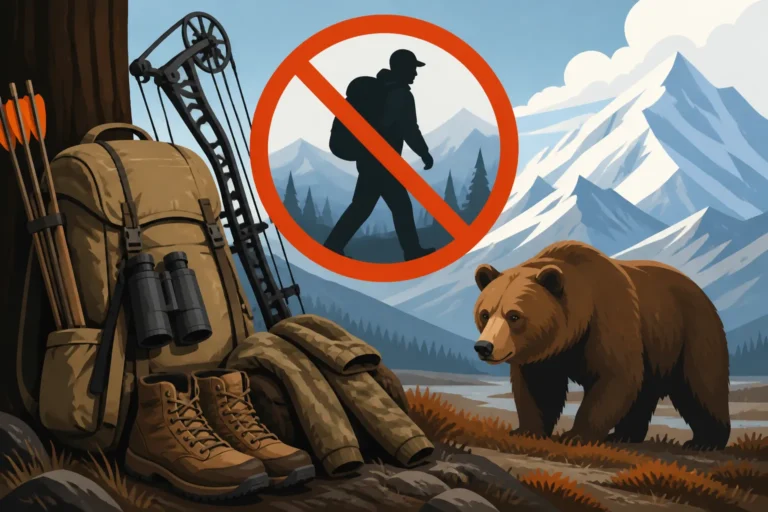
If your target hunting area has strict motorized access bans, don't despair; it might just mean a different kind of adventure. Embrace the challenge! Alaska has a rich tradition of hunting on foot, by horseback, or using non-motorized boats like canoes or rafts. Many CUAs are specifically designed to promote these "fair chase" methods, creating a unique wilderness experience that many hunters actively seek.
For example, if wheeled vehicle access is banned, consider a backpacking hunt. It’s physically demanding, but incredibly rewarding. You might even find yourself in more undisturbed areas, increasing your chances of success. Or, if you're looking at a river corridor, trade the jet boat for a packraft. Packraft Weight Versus Load Capacity can help you plan for this. These methods require different gear, different fitness levels, and different logistical planning, but they open up areas that are less pressured by hunters relying on motors. Sometimes, the best way to get around an access ban is to simply choose a method that isn't banned at all.
Plan for Contingencies and Be Flexible
No matter how thoroughly you plan, Alaska has a way of throwing curveballs. Weather can ground planes, rivers can rise, and unexpected trail closures can occur. Always build flexibility into your hunt plan. Have a backup access strategy if your primary one involves a vehicle that might be restricted or if conditions make motorized travel impossible.
For instance, if you plan to use an ATV on a permitted trail, know what you'll do if the trail becomes impassable or if an unforeseen emergency order closes it. Could you switch to a more remote fly-in camp (respecting the same-day-airborne rule, of course)? Are you prepared to pack in on foot from a road-system drop-off point? Being adaptable is the hallmark of a successful Alaska hunter. Leaving a detailed trip plan with someone outside the field is also critical, especially when heading into remote areas with limited access. InReach Check-In Schedules for Solo Hunts touches on the importance of communication in the backcountry.
Ultimately, understanding where Alaska bans motorized access during hunting season isn't about finding loopholes; it's about respecting the land, the wildlife, and the regulations designed to preserve one of the last truly wild hunting frontiers. Do your homework, use your tools, and be prepared for an adventure, no matter how you get there.
Disclaimer
This article is for general informational purposes only and does not constitute professional advice. Laws, prices and regulations vary by location and change over time. Consult a qualified professional for guidance on your specific situation.