Firearm Restrictions Inside the Kenai Refuge
Navigating the myriad of regulations that govern hunting on public lands in Alaska can feel like trying to untangle a fishing net after a particularly wild run. One moment you're confident in your plan, the next you're second-guessing if your rifle is legally stored for that stretch of road. This confusion is particularly common when you're entering a specific federal area like the Kenai National Wildlife Refuge, where rules about firearms might differ from general state land. This guide aims to clear up those nagging doubts and provide a comprehensive overview of firearm restrictions inside the Kenai Refuge, ensuring your hunt is both successful and fully compliant.
Understanding the Kenai National Wildlife Refuge and Its Unique Rules
The Kenai Peninsula is a beloved, bustling hub for outdoor enthusiasts in Alaska, offering everything from world-class fishing to spectacular big game hunting. But within this diverse landscape lies the Kenai National Wildlife Refuge, a massive expanse of federal land with its own set of guidelines that hunters must adhere to. It's not enough to know the state regulations; you really need to dive into the refuge-specific rules.
Why the Kenai Refuge Has Different Rules
National Wildlife Refuges, by their very nature, operate under a dual mandate: to conserve fish, wildlife, and plant resources and to provide opportunities for wildlife-dependent recreation, including hunting and fishing. This means that while hunting is generally permitted, it's often done so with additional layers of regulation designed to protect specific habitats, species, or public safety within the refuge boundaries. Unlike vast tracts of state land where general Alaska Department of Fish and Game regulations might be the primary concern, federal refuges impose their own rules, which can sometimes be more restrictive.
Think of it like this: you're planning a trip to a friend's house. You know the general rules of polite society, but your friend might have specific house rules – like taking off your shoes at the door or not sitting on the fancy couch. The refuge is like your friend's house; you follow the state's "polite society" rules, but you also have to follow the refuge's specific "house rules" regarding firearms, access, and activities. These rules aren't arbitrary; they're often born from specific conservation goals or high public use in certain areas. Understanding this underlying philosophy can help make sense of seemingly complex regulations. Alaska Controlled Use Areas and What They Restrict
Navigating Land Status: State, Federal, and Refuge Lands
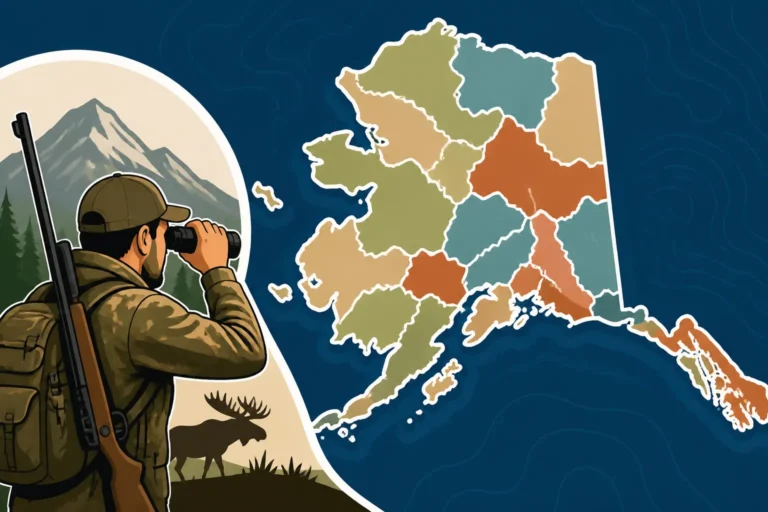
One of the biggest headaches for any hunter in Alaska, particularly on the Kenai Peninsula, is definitively knowing whose land you're on. The Kenai National Wildlife Refuge isn't a monolithic block; its boundaries can be incredibly complex, weaving in and out of state lands, private parcels, and even other federal designations. This creates a patchwork quilt of ownership where regulations can change literally meter by meter. You might be driving along the Sterling Highway, which traverses parts of the refuge, thinking you're on a continuous stretch of state land, only to find you've crossed into a refuge section with different firearm transport rules.
This is where technology becomes your best friend. Relying solely on older paper maps can be misleading as boundaries are precise and sometimes hard to discern on the ground. Tools like onX Hunt or GoHunt applications, with their detailed satellite imagery and land ownership overlays, are indispensable. These apps can show you in real-time whether you're on federal refuge land, state land, or private property, allowing you to adjust your firearm handling accordingly. Always double-check your position, especially if you're venturing off established roads or trails. Knowing your exact location is paramount to staying compliant and avoiding unintentional violations. Kenai Peninsula Units and Their Boundaries
Specific Firearm Regulations Within the Kenai National Wildlife Refuge
While the Kenai National Wildlife Refuge welcomes hunters for various species, the privilege comes with a responsibility to understand and abide by its specific firearm regulations. These aren't just suggestions; they're legally binding rules designed to ensure safety for both wildlife and the public enjoying the refuge.
General Firearm Carry and Use for Hunting
Broadly speaking, if hunting is permitted in a specific area of the Kenai Refuge during an open season, then the legal use of a firearm for that hunting activity is generally allowed. This means you can carry your rifle or shotgun afield, loaded and ready, while actively pursuing game. However, a significant distinction arises when you are not actively hunting or are transporting your firearm. Federal regulations, including those specific to the Kenai Refuge, often mandate that firearms must be unloaded and cased when being transported in or on a vehicle, including ATVs, boats, or even within your truck cab on refuge roads, unless you are actively retrieving game immediately after a kill or within specific, narrowly defined circumstances.
Imagine you've just driven into the refuge and are heading to a trailhead where you'll start your hike. Even if you're still on a public road, if that road passes through the refuge, your rifle should be unloaded and ideally cased or broken down. This is different from many general state regulations in Alaska where a loaded firearm might be permissible in a vehicle on certain roads. The intent is to prevent accidental discharge and to distinguish between active hunting and casual transport. Always err on the side of caution: if in doubt, unload and case your firearm. This simple act can save you from a potential citation. Rifle Choice for Alaska Brown Bear Country
Restrictions Around Developed Areas and Campgrounds
The Kenai National Wildlife Refuge is not just for hunting; it's a place for hiking, camping, fishing, and wildlife viewing. With this high volume of varied public use, specific restrictions are placed on firearm discharge and sometimes even possession in heavily trafficked or developed areas. You'll find these typically include designated campgrounds, visitor centers, picnic areas, and maintained trailheads. In these locations, discharging a firearm is almost universally prohibited for obvious safety reasons, and in some instances, even carrying a loaded firearm might be restricted or require special consideration.
Consider a scenario where you've finished your morning hunt and decide to drive to a refuge campground for a quick lunch before heading home. Even if your hunting unit allows firearms, within the boundaries of that campground, your rifle must be unloaded and cased. These rules are in place to protect the many families, children, and non-hunting visitors who might be present. It's a matter of courtesy and safety. Always look for signage in these developed areas, as they will often clearly state any specific firearm prohibitions. You don't want to inadvertently create a dangerous situation or get into trouble by assuming the rules for the backcountry apply everywhere.
Special Considerations for Muzzleloaders and Archery Gear
While the primary focus of firearm restrictions often falls on modern rifles and shotguns, it's worth noting that alternative hunting methods also have their own set of rules, though they might be less about "restriction" and more about specific designation. For instance, some hunt areas or seasons within the Kenai Refuge might be designated as "archery-only" or "muzzleloader-only." In such cases, the specific weapon type becomes the restriction for all other types of firearms. If you choose to participate in an archery-only hunt, then bringing a modern firearm, even cased, might be counterproductive to the spirit and rules of that specific season.
Muzzleloaders, while still firearms, often operate under slightly different guidelines due to their slower loading process and single-shot nature. However, they are still considered firearms and must be handled with the same respect for safety rules, especially regarding discharge proximity to developed areas. Archery equipment, of course, isn't typically subject to the same "unloaded and cased" rules as firearms, but broadhead restrictions and draw weight minimums still apply for ethical hunting. Always confirm the specific weapon requirements for your chosen hunt within the refuge. Muzzleloader Hunts in Alaska Draw Areas, Alaska Archery Draw Weight Minimums for Big Game
Practical Steps for Ensuring Compliance and a Successful Hunt
Navigating federal land regulations doesn't have to be a minefield of anxiety. With a bit of proactive effort, you can ensure your hunt in the Kenai National Wildlife Refuge is not only successful but also entirely within the bounds of the law, allowing you to focus on the chase instead of legal worries.
Doing Your Homework: Regulations and Maps
The absolute first step to a compliant hunt in the Kenai National Wildlife Refuge is to thoroughly read the official regulations. Don't just skim the Alaska state hunting regulations booklet; make sure you acquire and digest the specific regulations for the Kenai National Wildlife Refuge. These are often separate documents, available online through the U.S. Fish & Wildlife Service website or in print at refuge offices. Pay particular attention to sections detailing firearm transport, discharge, and any area-specific closures or restrictions. Regulations can change annually, so relying on outdated information is a recipe for trouble.
Beyond the written word, up-to-date mapping is crucial. Digital mapping applications, like onX Hunt or GoHunt, are invaluable tools for hunters in Alaska's complex land ownership mosaic. These platforms allow you to download offline maps before you leave cell service, providing critical information on land status (state, federal, private, refuge) directly on your phone or GPS device. This real-time awareness helps you know exactly where you are in relation to refuge boundaries, ensuring you're adhering to the correct firearm rules. Don't just glance at a map; study it, mark potential problem areas, and know your routes. Downloading Offline Maps Before a Fly-In
Communicating with Refuge Staff
When in doubt, ask! The staff at the Kenai National Wildlife Refuge are your best resource for clarification on any nuanced regulations. They are there not only for enforcement but also to educate and assist the public. Don't hesitate to call or visit the refuge headquarters well in advance of your hunt. Prepare a list of specific questions, especially those related to your planned route, camping locations, and firearm storage during transit or at camp.
For example, instead of asking, "Can I carry a loaded rifle?", ask, "If I'm driving my ATV on the designated refuge trail from point A to point B to access my hunting area, does my rifle need to be cased and unloaded if I'm not actively hunting during that transit?" Specific, scenario-based questions will get you clearer, more actionable answers. Engaging with staff shows your commitment to compliance and can provide peace of mind. They can offer insights into local conditions, recent changes, or even common mistakes hunters make, giving you an edge in both legality and safety. Alaska Hunter Education and Orientation Requirements
Best Practices for Hunters in the Refuge
Beyond simply following the letter of the law, a "best practices" mindset ensures a safer and more enjoyable experience for everyone, including yourself. Always handle firearms as if they are loaded, keep the muzzle pointed in a safe direction, and be absolutely certain of your target and what's beyond it. In a refuge environment, where other recreational users might be present, these principles are even more critical. Respect for other users means avoiding any actions that might cause alarm, even if technically legal.
When setting up camp or quartering game, especially in areas with significant bear activity, be mindful of how you store your firearms. While the emphasis is often on transport, maintaining a safe and accessible firearm for bear defense is also a consideration in Alaska. Ensure your firearm is readily available if needed but stored securely when not in immediate use. Clean up your kill site thoroughly to minimize attractants. Ultimately, common sense, ethical behavior, and a conservative approach to firearm handling will serve you best in the Kenai National Wildlife Refuge, fostering a positive experience for all who visit this incredible wild space. Bear Safety While Butchering a Kill in Alaska, Working a Kill Site in Grizzly Country
Here's a quick comparison of general firearm expectations:
| Aspect | General Alaska State Law (often) | Kenai National Wildlife Refuge (often) |
|---|---|---|
| Loaded in Vehicle | Permitted in many areas/roads. | Generally prohibited unless actively hunting or retrieving game. Unloaded & cased required for transit. |
| Discharge Near Dwellings | State-specific distances apply. | Strict prohibitions, especially near campgrounds, visitor centers, picnic areas, and maintained trails. |
| Active Hunting Carry | Loaded, uncased while actively hunting. | Loaded, uncased while actively hunting (within permitted areas/seasons). |
| Transport on Trails | Varies, often depends on motorized status. | Generally unloaded & cased if not actively hunting, especially on shared trails. |
| Checking Land Status | Recommended to avoid private land issues. | Critical due to intertwined federal/state/private land. Use GPS/apps like onX Hunt. |
Disclaimer
This article is for general informational purposes only and does not constitute professional advice. Laws, prices and regulations vary by location and change over time. Consult a qualified professional for guidance on your specific situation.