Where the Parks Highway Meets Public Hunting Land
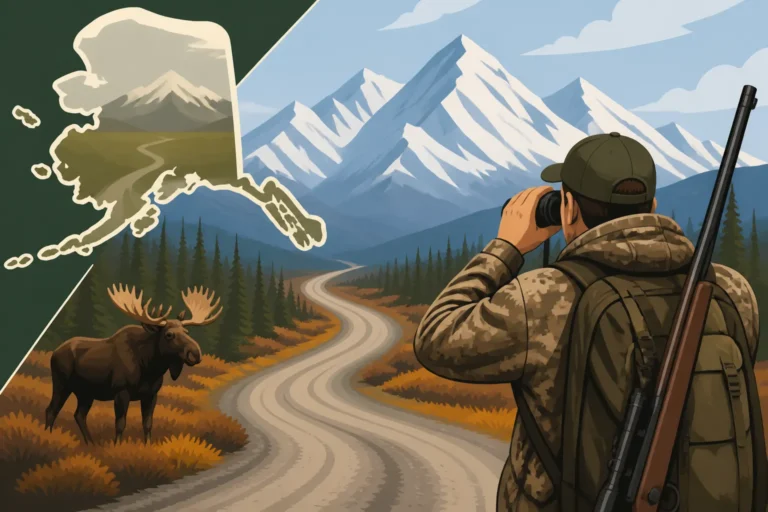
It can be incredibly frustrating to drive hundreds of miles along Alaska's Parks Highway, seeing vast stretches of seemingly wild country, and wondering where in the world you can actually pull off and hunt. The reality of land ownership in Alaska is often a complex patchwork, making it difficult for the uninitiated to discern public land from private or restricted areas. This guide aims to demystify hunting access along this iconic highway, helping you identify where the public hunting opportunities lie and how to responsibly pursue them.
Understanding Land Status Along the Parks Highway
The Parks Highway, stretching from Anchorage to Fairbanks, carves a path through some of Alaska's most diverse landscapes. However, not all land visible from the road is open for public hunting. Alaska's land ownership is a complex tapestry woven from federal, state, borough, Native Corporation, and private parcels, often side-by-side or even interspersed within each other. This can create significant challenges for hunters trying to do the right thing and stay on legal ground.
The Patchwork of Ownership: State, Federal, and Private
Imagine driving north from Willow toward Talkeetna. One moment you might be on state land, then you're passing private parcels, only to quickly enter land managed by the Matanuska-Susitna Borough, or even a Native Allotment or Corporation land. This isn't just an inconvenience; it can lead to unintentional trespassing, which nobody wants. Federal lands include national parks, preserves, and national wildlife refuges, each with their own specific rules. State lands are generally open to public recreation, including hunting, but even within state land, there can be specific closures or restrictions, especially around populated areas or state parks.
Private land, of course, is off-limits without explicit permission. The challenge lies in identifying these boundaries on the ground, especially in areas without clear fencing or signage. It's not like the Lower 48 where you often see clear property lines. Here, the wilderness simply continues, sometimes masking a change in ownership. This is why tools and diligent research are absolutely critical to avoid legal issues and maintain a good relationship with landowners, both private and corporate. Understanding the nuances of Land Status in Alaska: State, Federal and Native Corporation is a foundational step for any hunter.
Identifying Public Land Boundaries
Gone are the days when a crumpled paper map and a compass were your only tools for navigation. Today, digital mapping applications are indispensable for identifying public land boundaries, especially along high-traffic corridors like the Parks Highway. Platforms like onX Hunt have revolutionized this process, overlaying property lines, land ownership types, and even topographical features directly onto your phone or GPS device. Before you even leave home, you can spend hours scouting potential access points and understanding the exact boundaries of state or federal land.
These apps display different colors for different land types (e.g., green for state, blue for federal, orange for Native Corporation, white for private), making it visually clear where you can and cannot go. When you're out in the field, having these maps downloaded for offline use is crucial, as cell service can be spotty to non-existent along many stretches of the Parks. Without these tools, you're essentially guessing, and in Alaska, guessing can lead to citations or, worse, safety issues. Always cross-reference multiple sources if possible, and remember that these maps are an aid, not a definitive legal document, so always use common sense and respect posted signs. To dive deeper into how to leverage these tools, check out How to Check Alaska Land Status Before a Hunt.
Key Hunting Access Points and Opportunities
The Parks Highway offers a surprising array of hunting opportunities, from accessible road-system areas to jumping-off points for deeper backcountry excursions. Knowing where these access points are and what species you might encounter is key to a successful hunt.
Milepost-by-Milepost: What to Look For
While I can't give you exact GPS coordinates for every public land boundary, here’s a general rundown of what to expect along different sections of the Parks Highway. As you head north from Anchorage, the road passes through more developed areas of the Mat-Su Valley before opening up.
- South of Talkeetna (approx. MP 90-100): This area sees a mix of private land and state land. Look for designated public access points or areas where state land borders the highway. Many small rivers and creeks flow into the Susitna River drainage here, offering potential access for moose and black bear. Be incredibly mindful of private property signs and the dense residential development in some areas.
- Around Cantwell (approx. MP 210-230): This marks a transition point, often seeing more federal and state land. The brush country surrounding Cantwell can hold moose, and you might find caribou during certain migrations. The terrain starts to open up more, making it easier to identify larger expanses of public land, though dense willow thickets are still prevalent.
- North of Cantwell towards Fairbanks (approx. MP 230-350): This stretch often boasts more expansive tracts of state and federal land as you move away from the Denali National Park entrance. Areas north of Healy and Nenana can provide opportunities for moose, black bear, and occasionally migratory caribou, depending on the herd movements. Look for pullouts that lead to old seismic lines, power line easements, or gravel pits that can offer walking access into the interior. Always verify current land status before venturing in.
It's vital to remember that these are general guidelines. The exact access points can change due to land sales, new development, or seasonal closures. Always consult current regulations and detailed maps.
Species You Might Encounter
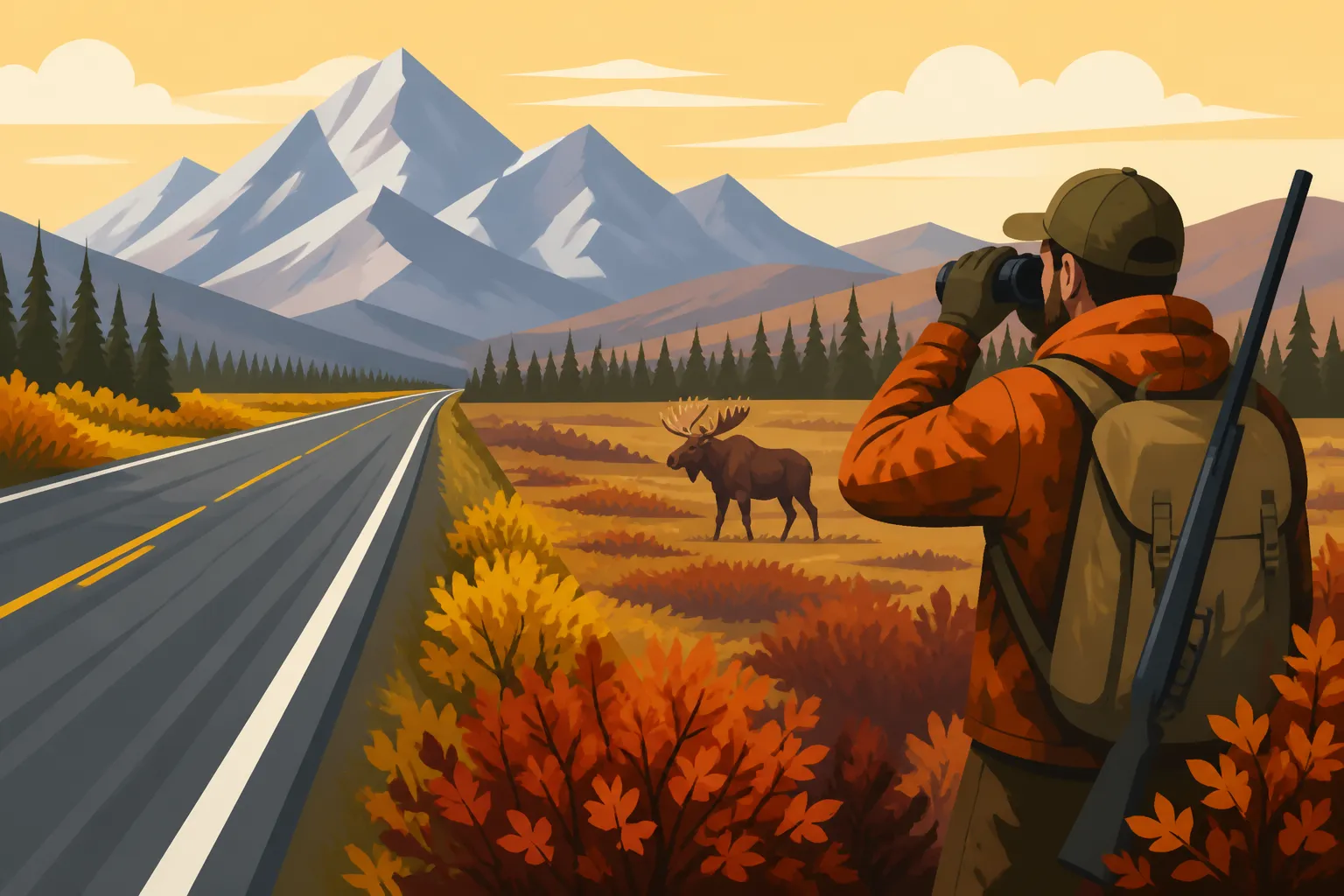
The species you'll encounter along the Parks Highway corridor vary greatly by the specific Game Management Unit (GMU) you are in and the habitat it offers. Moose are a primary draw for many hunters along the Parks, thriving in the willow and birch habitat found in various sections. Alaska-Yukon Moose Body Size and Antler Spread is a common topic of conversation among hunters in these areas. Black bears are also common, often found in conjunction with moose habitat, especially in areas with berry patches or good cover. Alaska Black Bears in Spring and Fall can offer diverse hunting opportunities.
Caribou can also be found, particularly if a migratory herd is passing through certain GMUs that intersect with the highway. For example, segments of the Parks Highway might occasionally see animals from larger herds, especially during migration, though this is less consistent than deep backcountry areas. Small game such as spruce grouse and willow ptarmigan are often present in wooded areas and alpine zones respectively, providing excellent opportunities for camp meat or a break from big game hunting. Waterfowl and Ptarmigan as Camp Meat can make a great addition to your menu.
Accessing Deeper into the Backcountry
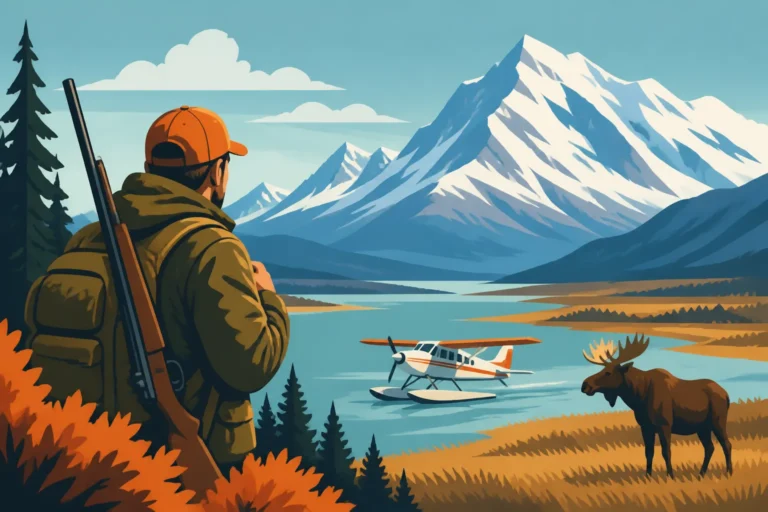
While some hunting can be done close to the road, many of the best opportunities require venturing deeper into the backcountry. Along the Parks Highway, this often means hiking in from a pullout or designated access point, utilizing old trails, powerline easements, or even making your own way through the brush. For hunters looking to go truly deep, the Parks Highway can serve as a jumping-off point for bush plane access into more remote areas. Certain gravel strips or small lakes accessible from the highway can be used by air taxis, flying you into truly untouched wilderness. This is often the case for those seeking prime Moose Habitat in Alaska Burn Scars or remote caribou.
For those planning to backpack, consider the terrain. Many areas are flat and boggy, particularly in the Matuska-Susitna and Interior regions, requiring good waterproof boots and careful navigation. Other areas further north may offer more mountainous terrain. Always prepare for remote conditions, even if you’re only a few miles from the highway. Having a solid understanding of Backpack Hunting in Alaska: Gear Weight and Meat Loads is crucial before attempting these deeper excursions.
Navigating Regulations and Responsible Use
Hunting along the Parks Highway corridor, like anywhere in Alaska, comes with a strict set of regulations and responsibilities. Understanding these rules and adhering to ethical hunting practices is paramount for a successful and legal hunt.
Game Management Units and Local Rules
Alaska is divided into numerous Game Management Units (GMUs), each with its own specific regulations regarding seasons, bag limits, and legal methods of take. The Parks Highway passes through several GMUs, and it's absolutely critical to know which GMU you are in and to have the most current regulations booklet with you. A general map won't cut it. You need to verify the specific unit and sub-unit, as rules can change even across a single highway mile. The Alaska Department of Fish and Game (ADF&G) website is the authoritative source for the latest regulations, including any emergency orders that might close seasons early due to harvest quotas or wildlife conditions.
These regulations dictate everything from antler restrictions for moose—such as the "spike-fork" or "50-inch spread/4 brow tines" rules—to specific black bear bag limits or whether a nonresident needs a guide for certain species. For example, Alaska Moose Antler Restriction Areas are designed to protect younger bulls and ensure herd health. Always double-check these rules, as ignorance is no excuse for a violation. Ensure you understand the distinction between Alaska Harvest Tickets, Registration Permits and Draw Permits for the species you intend to hunt.
Respecting Private Property and Native Allotments
This cannot be stressed enough: know before you go. The land ownership map along the Parks Highway is not just public or private; it includes significant portions owned by Alaska Native Corporations and smaller individual Native Allotments. These lands are private, and hunting on them without explicit permission is trespassing and illegal. This is where your digital mapping tools, like onX Hunt or GoHunt, become truly invaluable. They allow you to clearly see these boundaries, often differentiating between various Native Corporation lands and individual allotments.
Beyond the legal aspect, respecting private property is fundamental to maintaining a positive public image for hunters. An unintentional trespass can burn bridges and lead to further restrictions on public access. Always assume land is private unless you can verify otherwise with a high degree of certainty. If you encounter a boundary that's unclear or you're unsure, err on the side of caution and find another spot. Local knowledge from Alaska residents can also be a valuable resource for navigating these complexities.
Ethical Hunting and Conservation
Hunting responsibly means more than just following the law. It means upholding the highest ethical standards. This includes proper game care, ensuring quick, humane kills, and adhering to salvage requirements. For example, Alaska has strict Alaska Moose Meat Salvage Requirements that dictate what parts of an animal must be taken from the field. Leaving edible meat behind is a serious offense.
Conservation is also a key part of responsible hunting. Alaska's wildlife populations are a precious resource, and hunters play a vital role in their management through license and tag fees, which fund wildlife research and enforcement. This also extends to minimizing your impact on the environment. Pack out everything you pack in, and leave no trace. Be mindful of others using the land, whether they are hikers, campers, or other hunters. By adhering to these principles, you ensure that hunting opportunities along the Parks Highway, and throughout Alaska, remain available for generations to come.
Planning Your Hunt Along the Parks Highway
A successful hunt along the Parks Highway is built on thorough preparation. From essential gear to effective mapping, every detail contributes to a safer and more rewarding experience.
Essential Gear for Road-System Hunts
Even though you might be close to a major highway, a hunt along the Parks can quickly turn into a remote backcountry experience. Your gear needs to reflect this reality.
First, invest in quality rain gear. Alaska weather is famously unpredictable, and a sunny morning can turn into a cold, driving rain by afternoon. Layering is crucial, and breathable waterproof outer shells are worth every penny. You'll also need sturdy, waterproof boots that are broken in. Many areas off the Parks are wet and boggy, and wet feet can quickly lead to misery and even hypothermia. Consider chest waders or knee-high rubber boots for crossing wet areas or small streams.
For navigation, a reliable GPS device or a smartphone with offline maps (like onX Hunt or GoHunt, which we'll discuss more below) is non-negotiable. Always carry a physical map and compass as a backup, and know how to use them. Other essentials include a first-aid kit, bear spray, a headlamp with extra batteries, fire-starting materials, and enough food and water for at least a day longer than you plan to be out. If you're going deeper, a portable water filter or purification tablets are also smart. Remember, even a short walk into the Alaska wilderness can quickly become a serious survival situation if you're unprepared.
| Item Type | Key Considerations | Why It's Important |
|---|---|---|
| Navigation | GPS device/smartphone with offline maps, physical map, compass | Critical for identifying public land and not getting lost, especially off-trail. |
| Clothing | Layered, waterproof, breathable rain gear, sturdy boots | Alaska weather is unpredictable; stay dry and warm to prevent hypothermia and misery. |
| Safety | First-aid kit, bear spray, headlamp, fire starter | Essential for emergencies, wildlife encounters, and navigating in low light. |
| Sustenance | Food, water, purification tablets | Self-sufficiency is key in remote areas; extend provisions for unexpected delays. |
| Game Care | Game bags, knife, sharpening tool | Required for proper meat salvage and hygiene. |
Using Mapping Tools Effectively
As mentioned, digital mapping tools are your best friend when hunting along the Parks Highway. Both onX Hunt and GoHunt provide excellent topographic and aerial map layers, but their real power for this discussion lies in their ability to display land ownership boundaries. Download your maps for the specific GMU or area you plan to hunt before you lose cell service. This allows you to navigate confidently offline.
Before your trip, use these apps to scout potential access points, identify public land pockets, and note any no-go zones due to private ownership. While afield, constantly reference your map to confirm your location relative to property lines. Some hunters even share their planned routes with a trusted contact using the tracking features many of these apps offer, adding another layer of safety. This meticulous approach helps avoid accidental trespassing and ensures you are making the most of legal hunting opportunities. Thinking about your safety plan, you might also want to look into Signal Devices and Check-In Plans for Solo Alaska Hunts.
Contingency Planning and Safety
Alaska is a wild place, and even hunts close to the road system require serious contingency planning. Weather can change in an instant, turning a simple day trip into an unexpected overnight stay. Always let someone know your plans: where you're going, your intended route, and when you expect to return. If you're going into an area with no cell service, carrying a satellite communication device like an inReach or Spot device is a smart investment. These allow you to send check-in messages, track your progress, and even call for emergency help if needed.
Bear safety is another critical consideration, regardless of how close you are to the highway. Both black and brown bears inhabit the regions along the Parks. Always carry bear spray and know how to use it. Be loud when moving through dense brush, especially near water sources or berry patches, to avoid surprising a bear. If you make a kill, have a plan for Bear Safety While Butchering a Kill in Alaska and ensure meat is hung out of bear reach if you need to leave it overnight. Having a solid plan for unforeseen events isn't about being paranoid; it's about being prepared and responsible in a truly wild environment.
Disclaimer
This article is for general informational purposes only and does not constitute professional advice. Laws, prices and regulations vary by location and change over time. Consult a qualified professional for guidance on your specific situation.