Kuskokwim River Access in Unit 19
Navigating the vastness of Alaska's interior for a hunting adventure can feel like staring at an empty map, especially when you're dreaming of a place like Unit 19. The sheer scale and remoteness can be overwhelming, leaving many hunters scratching their heads about how to even get there, let alone successfully hunt. This comprehensive guide will pull back the curtain on accessing the abundant opportunities found along the Kuskokwim River within Unit 19, helping you plan your journey into this wild, magnificent landscape with confidence.
Understanding Unit 19 and the Kuskokwim Drainage
Unit 19 is one of Alaska's largest and most remote game management units, sprawling across a significant portion of the southwest interior. It's a land of winding rivers, vast willow flats, spruce forests, and a scattering of small, largely Native villages. When we talk about hunting in Unit 19, we're often talking about moose and caribou, which thrive in its diverse habitats, but black bear and sometimes even grizzlies can also be found. The challenges here aren't just about finding game; they're about overcoming the logistical hurdles that come with truly remote, roadless country.
The Sheer Scale of Unit 19 and Its Challenges
Imagine an area roughly the size of a small European country, with almost no roads once you leave the initial coastal hub of Bethel. That's a good mental picture of Unit 19. It’s not like driving into a National Forest in the Lower 48; this is true wilderness, where a wrong turn or a missed pickup can have serious consequences. The scale means that game populations can be spread out, requiring extensive scouting and sometimes long distances traveled. Weather can change on a dime, turning a sunny day into a deluge or a calm river into a choppy obstacle course. This isn't a place for the faint of heart, but for those willing to embrace the challenge, it offers an authentic Alaska hunting experience unlike any other. You'll need to be self-reliant, well-equipped, and have a solid understanding of how to move through such expansive, unpopulated territory.
Why the Kuskokwim River is Your Artery into the Interior
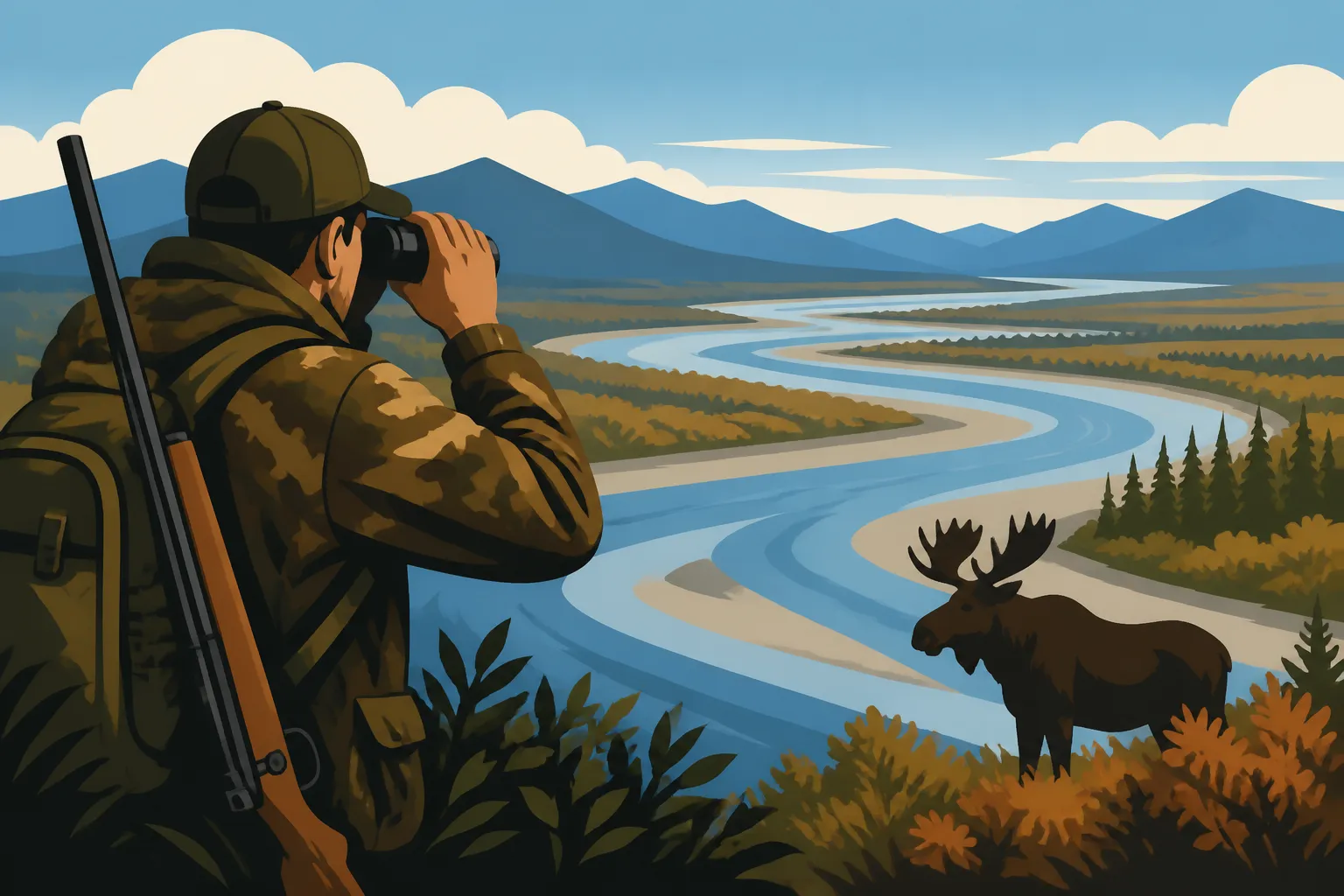
The Kuskokwim River is more than just a waterway; it's the lifeblood of Unit 19, serving as the primary highway for residents and hunters alike. Originating deep in the interior and flowing southwest to the Bering Sea, the "Kusko" and its numerous tributaries (like the Aniak, Holitna, and Swift rivers) provide the most practical and often the only means of deep penetration into the unit. Without roads, boats become your vehicles and the river becomes your guide. Hunting along the Kuskokwim often involves establishing a base camp near the river, then venturing out on foot or with smaller boats into adjacent sloughs, burns, and willow thickets where moose and caribou often feed. Float Hunting Alaska Rivers for Moose and Caribou is a common and highly effective strategy here, allowing hunters to cover significant ground and access areas otherwise unreachable.
Navigating the Kuskokwim: Practical Access Methods
Accessing Unit 19 via the Kuskokwim River primarily boils down to two main methods: larger riverboats for local travel and air taxis for flying deeper into the drainage or directly to remote river sections. Each has its own set of advantages, disadvantages, and logistical considerations.
Riverboat Logistics: From Bethel Upstream
The village of Bethel, located near the mouth of the Kuskokwim, serves as the main transportation hub for the entire Kuskokwim Delta region. Most hunters flying in from Anchorage or other larger cities will land here. From Bethel, you can charter larger, covered riverboats to take you and your gear upstream. These boats are typically operated by local residents or dedicated transporters who know the river intimately.
- The Journey Upstream: Expect the journey upstream from Bethel to be a significant part of your hunt. Depending on how far you're heading, it can take anywhere from several hours to a full day or more. These boats are generally well-suited for carrying substantial amounts of gear, including rafts, ATVs, and enough supplies for an extended stay. The cost is often based on distance and fuel consumption, so going deeper upriver will naturally be more expensive. It’s crucial to communicate clearly with your boat operator about your drop-off and pickup locations, and to have contingency plans for weather delays or mechanical issues. Remember, this isn't a scheduled ferry; it's a private charter into the wild.
- Challenges and Considerations: River conditions can vary dramatically. Low water levels, especially later in the season, can expose sandbars and make navigation tricky. Choosing a Float Hunt River by Water Level and Length is paramount. Debris, strong currents, and unpredictable weather can also turn a smooth ride into an adventure. Always ensure your gear is well-protected from water, and be prepared for a bumpy ride. You’ll be sharing the river with local traffic, including other hunters and villagers traveling to and from fish camps and remote homesites. This means you won’t always have complete solitude, especially in popular hunting areas close to the villages.
Air Taxi Services and Fly-In Options Along the Kuskokwim
For hunters looking to get truly remote, or to bypass the long boat ride from Bethel, air taxi services are an indispensable option. These services operate out of hubs like Bethel, Aniak, or McGrath, offering flights directly to gravel bars along the Kuskokwim or its tributaries, or even to small, remote lakes if your chosen area allows for floatplane landings.
- Bush Plane Access: Fixed-wing aircraft, such as Cessna 185s or larger Caravans, are the workhorses of Alaska’s bush. They can land on surprisingly short and rough gravel strips, bringing you directly to prime hunting grounds. This significantly reduces travel time and allows access to areas far beyond typical riverboat reach. When planning a fly-in hunt, working with a reputable Fly-In Hunting: Working With an Alaska Transporter Pilot is key. They understand the terrain, local weather patterns, and landing zone requirements.
- Weight Restrictions and Logistics: Bush planes, especially smaller ones like Super Cubs, have strict weight limitations. Every pound of gear, including your body weight, counts. You'll need to be meticulous in your gear selection and packing. Strapping Gear Loads for a Bush Flight securely is critical, and understanding Weight Limits on a Super Cub Drop will dictate what you can and cannot bring. Often, hunters will "split" their loads across two flights or send some gear ahead via a larger aircraft. Always factor in potential extra trips for meat hauling, which will add to your overall cost. It's also wise to consider Building Extra Days Into a Fly-In Schedule as weather can easily delay flights, leaving you stranded in camp or at the air taxi's base.
- Choosing Landing Sites: Not every river bend has a suitable gravel bar. Pilots have preferred and safe landing zones. You can work with your air taxi to identify good spots. Consider factors like proximity to prime habitat, availability of fresh water, and defensibility against bears. River Gravel Bars That Work as Landing Strips are valuable assets in this roadless country.
Essential Planning for a Kuskokwim River Hunt
A successful hunt on the Kuskokwim isn't just about showing up with a rifle; it's about meticulous planning, preparation, and an understanding of the unique environment you'll be entering.
Mapping and Navigation on the Kuskokwim
In a region with no roads and often limited landmarks, superior navigation skills are not just helpful, they are non-negotiable for safety and success.
- Digital Tools are Your Friend: Modern GPS devices and mapping apps are invaluable. Tools like onX Hunt or GoHunt provide detailed satellite imagery, topographic maps, and land ownership overlays that are critical for planning your routes and staying on public land. Before you even leave home, spend hours poring over these maps, identifying potential hunting areas, escape routes, water sources, and possible landing strips. You can mark waypoints, measure distances, and visualize the terrain. Make sure to download offline maps to your device, as cell service will be nonexistent. Downloading Offline Maps Before a Fly-In is a must-do step.
- Traditional Methods Still Matter: While digital maps are powerful, don't solely rely on electronics. Batteries die, devices get wet, and screens crack. Always carry physical maps (waterproofed, of course) and a compass, and know how to use them. Learn to read the river, understanding currents, sandbars, and deep channels. Identifying prominent spruce islands, old burn scars, or major tributary mouths can help you orient yourself if technology fails. The ability to identify Moose Habitat in Alaska Burn Scars from a map can save you hours of wasted effort.
- Communication is Key: Even with excellent navigation tools, having a robust communication plan is vital. A satellite communication device, such as an InReach or Zoleo, allows you to send and receive text messages, share your location, and trigger an SOS in an emergency. Establish check-in schedules with contacts back home and with your air taxi pilot. Signal Devices and Check-In Plans for Solo Alaska Hunts are critical, but even with a partner, these devices provide an essential safety net.
Gear Considerations for River-Based Hunting
The Kuskokwim River environment demands specific gear choices to ensure comfort, safety, and functionality. Think rugged, waterproof, and versatile.
- Boats and Motors: If you're planning to use smaller boats or rafts from a larger riverboat drop-off, consider durable, shallow-draft craft. Jet boats are common for their ability to navigate shallow waters, but they require significant fuel. Inflatable rafts or packrafts can be ideal for traversing smaller sloughs and accessing tight areas, especially if you're Packrafting Into a Roadless Alaska Drainage. Don't skimp on a reliable outboard motor and plenty of spare fuel. Always carry repair kits for inflatables and tools for motor maintenance.
- Shelter and Cooking: A robust tent or wall tent with a stove is often preferred for longer stays, offering protection from the elements and a place to dry gear. Cooking gear should be simple and reliable. Fuel sources like white gas or propane are common. Given the vastness, packing plenty of dehydrated or shelf-stable food is smart, supplemented by any small game or fish you might harvest (remembering all regulations).
- Clothing and Footwear: Layers are non-negotiable. Expect cold mornings, warm afternoons, and sudden rain. Quality rain gear is paramount, as you'll be exposed to moisture from the river and the sky. Waterproof boots, preferably knee-high or hip waders, are essential for getting in and out of boats and navigating wet terrain. Game Bags That Breathe in Coastal Rain are crucial, as are quality dry bags for all your personal items and electronics.
- Weaponry and Ammunition: For big game like moose and bear in Unit 19, a powerful, reliable rifle is essential. Common calibers include .30-06, .300 Win Mag, or .338 Win Mag. Carry ample ammunition, as resupply is impossible. Be mindful of Rifle Choice for Alaska Brown Bear Country if grizzlies are a possibility in your area. For archery hunters, Archery Tackle That Survives Ten Days of Rain is crucial for ensuring your equipment functions when you need it most.
- Meat Care: Once you've harvested an animal, the real work begins. The Kuskokwim can be warm in September, making proper meat care a race against time. Pack plenty of breathable game bags, tarps, and rope for Hanging Meat in Warm September Weather away from the ground and out of bear reach. Know Alaska Moose Meat Salvage Requirements intimately to avoid any issues.
- Bear Safety: Unit 19 is bear country – both black bears and grizzlies. Carry bear spray, and have a firearm readily accessible. Understand proper food storage and camp hygiene to avoid attracting bears. Bear Safety While Butchering a Kill in Alaska is not just a suggestion, it's a critical protocol.
Responsible Hunting and Conservation in Unit 19
Hunting in Alaska comes with immense privilege and responsibility. Ensuring you understand and adhere to regulations, and practicing ethical hunting, helps preserve these opportunities for future generations.
Understanding Regulations and Reporting for Unit 19
Alaska's hunting regulations are complex and can change annually. Before embarking on your hunt, thoroughly review the current Alaska Hunting Regulations booklet for Unit 19. Pay close attention to season dates, bag limits, and specific antler restrictions for moose. Alaska Moose Antler Restriction Areas exist in many units, and misidentifying a legal bull can lead to severe penalties.
- Permits and Harvest Tickets: Depending on the species and specific area within Unit 19, you might need a general hunting license, locking tags, drawing permits, or harvest tickets. Ensure you have all required documentation in your possession.
- Reporting Requirements: After a successful hunt, you are legally obligated to report your harvest. Alaska Harvest Report Deadline After the Hunt is strict, and failing to report can result in fines and loss of future hunting privileges. Understand the precise method for reporting, whether online, by mail, or in person at an Alaska Department of Fish and Game (ADF&G) office.
- Village Buffer Zones and Private Lands: Many small Native villages dot the Kuskokwim River. Be aware of private lands and village buffer zones where hunting or trespass may be restricted. Respect local customs and private property. onX Hunt and GoHunt maps can be invaluable for identifying land status.
Minimizing Impact and Practicing Ethical Hunting
Beyond the letter of the law, ethical hunting practices are paramount, especially in remote wilderness.
- Leave No Trace: Practice "Leave No Trace" principles rigorously. Pack out everything you pack in, including all trash, spent casings, and any non-biodegradable waste. Leave your campsite cleaner than you found it.
- Respect Wildlife and Habitat: Only take ethical shots at animals, ensuring a clean, quick kill. Make every effort to recover all edible meat. Packing Out Meat in Alaska: The Salvage Law Hunters Must Follow is not just a law; it's a moral obligation. Avoid unnecessary disturbance to non-target wildlife.
- Consider Others: While the Kuskokwim is vast, you may encounter other hunters, trappers, or local residents. Treat everyone with respect, give ample space, and share information responsibly. This includes giving other hunters plenty of room, especially if they were there first. The wilderness is big enough for everyone if we're considerate.
Here's a quick comparison of river access methods:
| Access Method | Pros | Cons | Ideal For |
|---|---|---|---|
| Large Riverboat Charter | Carries heavy gear, large groups, often operated by knowledgeable locals | Can be slow, expensive for long distances, limited to main river channel | Hunters with substantial gear, larger parties, those not flying in deeper |
| Air Taxi (Floatplane) | Direct access to remote lakes, less time-consuming than river travel | Weight limits, weather-dependent, can be expensive | Accessing remote lake systems away from the main river |
| Air Taxi (Wheel Plane) | Direct access to remote gravel bars along rivers, fast, efficient | Requires suitable gravel bar landing strips, strict weight limits | Quick access to specific river sections, lighter groups |
Embarking on a Kuskokwim River hunt in Unit 19 is an experience that will test your skills, resilience, and appreciation for true wilderness. By thoroughly planning your access, understanding the terrain, preparing your gear, and respecting the regulations, you'll be well on your way to a memorable and successful Alaska hunting adventure.
Disclaimer
This article is for general informational purposes only and does not constitute professional advice. Laws, prices and regulations vary by location and change over time. Consult a qualified professional for guidance on your specific situation.