Unit 20A Access From the Parks Highway
Alaska's vast hunting units can feel like an impenetrable wilderness, especially for those new to the state or trying to plan a self-guided adventure. Unit 20A, renowned for its incredible moose and caribou populations, is one such area that draws a lot of attention, but figuring out how to actually get into the prime hunting grounds can be a real head-scratcher. This guide aims to demystify accessing Unit 20A, particularly using the Parks Highway as your primary gateway, and show you how to move beyond the initial roadside areas to truly hunt this productive country.
Understanding Game Management Unit 20A
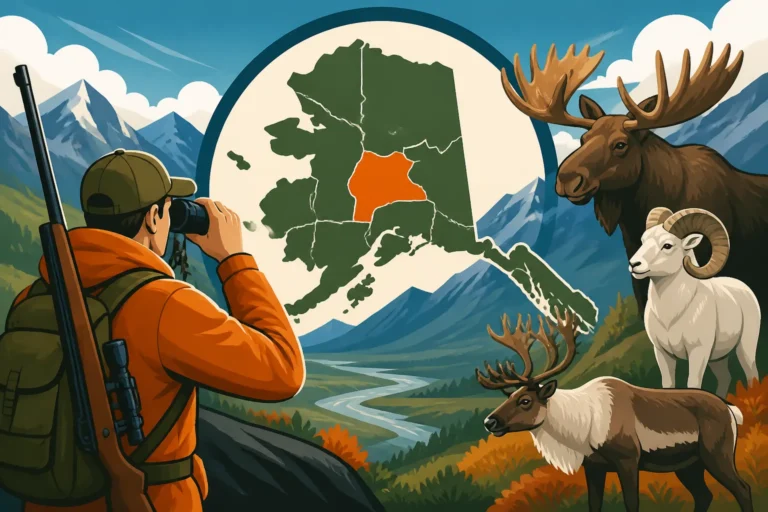
Unit 20A is a massive parcel of central Interior Alaska, stretching roughly between Fairbanks and Cantwell, with the Parks Highway cutting right through its western edge. It's legendary among Alaska hunters, and for good reason: it consistently produces some of the state's highest moose harvest numbers and provides opportunities for caribou, black bear, and wolf. But its reputation also means it sees significant hunting pressure, especially near road systems. Understanding the unit's geography, game, and regulations is your first step toward a successful hunt.
Geographic Overview and Game Species
Imagine a landscape primarily characterized by a mosaic of low-lying spruce forests, dense willow thickets, open tundra ridges, and countless sloughs and small rivers. This is the heart of 20A. The terrain isn't necessarily mountainous, but it's often wet, uneven, and covered in thick brush that makes foot travel incredibly arduous, especially when trying to pack out a moose. The unit is largely flat, but dotted with rolling hills and vast expanses of low-growing vegetation, perfect for moose browsing.
The main draw here, without a doubt, is the moose. Unit 20A holds healthy populations, and if you've heard tales of monster Alaska-Yukon bulls, chances are some of those stories came from this region. The abundant willow and birch provide ideal browse, supporting a high density of these magnificent animals. For more detail on why this area is so productive, check out Why Unit 20A Holds So Many Moose. Beyond moose, hunters often pursue caribou, particularly during migratory periods when herds like the Delta herd might pass through. Black bears are common throughout the timbered areas, and wolves are present, always a challenging but rewarding quarry for the patient hunter.
Regulatory Context for Unit 20A
Hunting in Unit 20A is primarily managed through drawing permits for moose and caribou, although specific regulations can change annually. It's critical to remember that Alaska's hunting regulations are highly dynamic and unit-specific. You might find general season opportunities for certain species, while others require successful drawing permit applications or registration permits. For instance, moose seasons often feature antler restrictions, such as spike-fork or 50-inch rules, which demand careful field judging.
Always consult the current Alaska Hunting Regulations booklet published by the Alaska Department of Fish and Game (ADF&G) for the most up-to-date rules. This document is your bible. Understanding the difference between harvest tickets, registration permits, and draw permits is also vital, as each comes with its own set of requirements and deadlines. We've covered this in depth in Alaska Harvest Tickets, Registration Permits and Draw Permits. Missing a deadline or misinterpreting a regulation can turn an otherwise successful hunt into a costly mistake.
The Parks Highway as a Primary Access Corridor
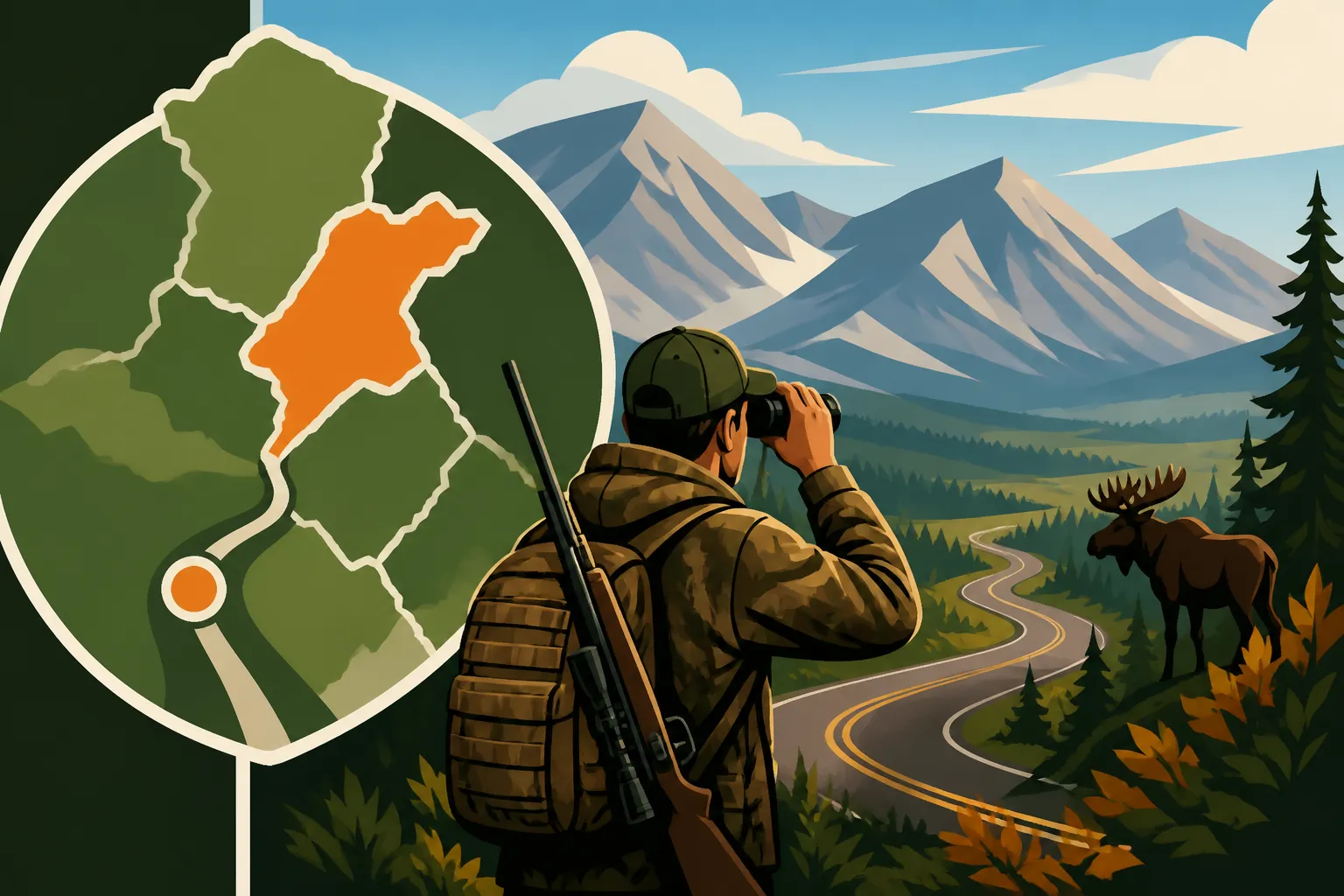
The Parks Highway, running from Anchorage to Fairbanks, provides the most accessible entry point into the western portion of Unit 20A. It's a well-maintained, paved highway that sees significant traffic, especially during summer and fall. While it offers unparalleled convenience for getting to the general vicinity, relying solely on roadside access presents both advantages and significant limitations for hunters.
Roadside Access and Initial Entry Points
As you drive the Parks Highway through the 20A corridor, you'll notice numerous pullouts, gravel turn-offs, and unmaintained tracks heading into the bush. These spots serve as the primary launching points for many hunters. Often, a few trucks will be parked at these locations, indicating popular areas where hunters are heading in on foot or ATV. From these initial entry points, hunters might walk in a mile or two, trying to get away from the immediate road noise and pressure. This can be a viable strategy for black bear or even a lucky caribou if they're migrating nearby.
However, the reality of roadside hunting in 20A is often one of thick, unforgiving brush. Think dense spruce, tangles of alder, and willow thickets so thick you can't see five feet in front of you. This makes for slow, loud travel, and finding undisturbed game within easy packing distance of the highway is a significant challenge. While it’s tempting to just pull off and start walking, the success rates for significant game like moose often drop sharply the closer you stay to the road. This isn't like hunting open sagebrush country in the Lower 48 where you can see for miles.
Limitations of Road System Hunting
The biggest drawback to hunting directly off the Parks Highway is the immense hunting pressure. Everyone else with a truck and a rifle has the same idea. This concentrated pressure pushes game further back into the more remote areas, often making a successful hunt an exercise in luck or extreme physical effort to get beyond the crowds. You might spot a bull from the road, but getting to him and packing him out without crossing paths with other hunters or dealing with thick, road-adjacent cover is a monumental task. For a broader look at the challenges, check out Road-System Hunting in Alaska Off the Glenn and Richardson.
Another limitation is the "same-day-airborne" rule (often referred to as the 24-hour rule) that applies to many species in Alaska, including moose and caribou. While you might use a bush plane to scout or get to a drop-off point, you generally cannot hunt on the same day you've been airborne. This is more of a factor for fly-in access, but it's important to remember that combining air travel with immediate roadside hunting is not an option. For species like moose, the legal requirement to salvage all edible meat means you need a plan not just for the kill, but for the arduous task of quartering and packing hundreds of pounds of meat out of the bush. Roadside access rarely puts you in a position for an easy pack-out.
Beyond the Pavement: Deepening Your Access into 20A
To truly experience the hunting potential of Unit 20A and increase your odds of success, you'll need to venture beyond the immediate road system. This means embracing various methods of pushing deeper into the wilderness, each with its own set of considerations and requirements.
ATV and Side-by-Side Trails
For many hunters looking to get off the Parks Highway, an all-terrain vehicle (ATV) or side-by-side (SxS) is the answer. There are numerous designated and informal trails that spiderweb off the highway and various access roads, allowing you to cover ground much faster than on foot. These trails often follow old seismic lines, trapper routes, or utility corridors. An ATV allows you to haul in more gear for a spike camp and, crucially, to haul out meat once you've made a kill.
Before you just start driving, it's vital to know the rules. Not all tracks are legal trails, and land ownership can be complex. You need to verify that you are on public land or have permission for private parcels. Using mapping apps like onX Hunt is absolutely invaluable here, as it clearly delineates land ownership boundaries, helping you avoid accidental trespass. Many areas have restrictions on motorized vehicle use, especially during certain seasons or in specific habitat types, so consult the ADF&G regulations carefully. Keep in mind that heavy ATV traffic can also push game deeper, so the further you can get off the main arteries, the better. We delve into the specifics in ATV Trail Rules on Alaska State Land.
Float Plane and Wheel Plane Drop-Offs
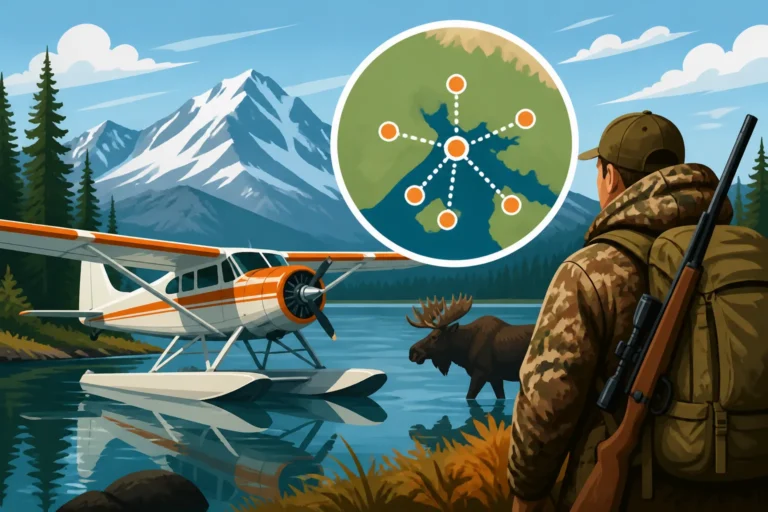
To truly escape the road system pressure and reach pristine hunting grounds, air access is often the most effective method. Unit 20A, with its numerous small lakes and gravel bars, is well-suited for bush plane operations. A float plane can drop you and your gear off on a remote lake, while a wheel plane can land on a suitable gravel bar along a river or slough. This type of access puts you deep into moose country where pressure is significantly reduced, and the animals may be less wary.
Booking an air taxi requires careful planning, often months in advance, and a substantial budget. You'll need to coordinate gear weight, pickup dates, and have a clear understanding of the pilot's safety protocols. Always discuss your hunting plan and chosen drop-off points with your pilot, as they often have invaluable local knowledge about suitable landing sites and current game concentrations. For more on this, see Fly-In Hunting: Working With an Alaska Transporter Pilot. Landing on a gravel bar presents its own considerations, which are detailed in Gravel Bar Landings for Wheel Planes in Alaska. Remember that weather can quickly change bush flight plans, so build in extra days for flexibility.
Backpacking and River/Slough Access
For the truly self-sufficient hunter, backpacking or using a packraft/canoe offers an intimate way to access Unit 20A. While physically demanding, these methods provide the quietest approach, allowing you to immerse yourself fully in the landscape and access areas that ATVs and planes might not reach. Backpacking allows you to silently stalk through the varied terrain, setting up spike camps as you go. It demands meticulous gear planning to minimize weight, especially since you'll be carrying everything, including what you hope to pack out. Understanding the demands of Backpack Hunting in Alaska: Gear Weight and Meat Loads is critical.
The network of sloughs and smaller rivers within 20A can also be navigated with packrafts or canoes. This allows for a stealthy approach through thick willow and spruce stands that are otherwise nearly impenetrable on foot. You can drift quietly down a slough, scanning the banks for moose, or paddle into small oxbow lakes. However, this method requires strong navigation skills, knowledge of water levels, and a comprehensive understanding of river safety. If you're considering this, learn more about Packrafting Into a Roadless Alaska Drainage.
Here’s a quick overview of the access methods:
| Access Method | Typical Distance from Highway | Pros | Cons |
|---|---|---|---|
| Roadside/Foot | 0-3 miles | Easiest, no special equipment, lowest cost | High hunting pressure, very thick brush, limited game, tough pack-out |
| ATV/Side-by-Side | 3-10+ miles (via trail) | Covers more ground, can haul more gear, relatively quick | Trail network limitations, legal restrictions, noise, breakdown risk, can still have pressure |
| Float Plane | 10-50+ miles | Accesses remote lakes, low pressure, direct to water | Expensive, weather dependent, strict weight limits, specific landing requirements |
| Wheel Plane | 10-50+ miles | Accesses remote river bars/strips, low pressure | Expensive, weather dependent, strict weight limits, specific landing requirements |
| Packraft/Canoe | Variable, often combined | Stealthy, accesses river corridors, quiet | Highly physical, limited cargo capacity, river safety concerns, slow |
Navigating Unit 20A's Challenges and Maximizing Success
Getting into Unit 20A is only half the battle. Once you're there, whether by foot, ATV, or plane, you'll need robust navigation skills, thorough preparation, and a solid plan for managing your harvest in remote conditions.
Mapping and Navigation Tools
Alaska's vastness means cell service is practically non-existent once you leave the main highway. Reliable navigation tools are not optional; they are essential for your safety and success. A quality handheld GPS unit is a must, loaded with detailed topographic maps. Always carry a physical map and compass as a backup, and know how to use them.
Modern hunting apps have revolutionized backcountry navigation. onX Hunt, for example, is incredibly powerful for identifying land ownership boundaries, which is crucial in Unit 20A where state, federal, and sometimes Native Corporation lands intertwine. It also allows you to download offline maps, mark waypoints for camp, game sightings, and potential retrieval routes, and track your movements. Another excellent resource for planning and scouting, especially if you're looking at draw odds or general unit information, is GoHunt. These tools, when used in conjunction with traditional methods, significantly increase your confidence and ability to navigate complex terrain. Don't forget to Download Offline Maps Before a Fly-In.
Logistics and Preparation
Proper preparation is paramount for any Alaska hunt, and Unit 20A is no exception. This includes everything from physical conditioning to detailed gear planning. You'll be operating in a remote environment where self-reliance is key. Think about scouting your chosen areas well in advance using satellite imagery; Scouting a Unit From Satellite Imagery Before You Fly can save you valuable time and effort in the field.
Bear safety is another critical consideration, as both black bears and grizzlies are present. Carry bear spray, know how to use it, and consider a firearm for defense. Develop a clear bear safety plan, especially around your kill site. We discuss this extensively in Bear Safety While Butchering a Kill in Alaska. Communication is also vital, especially if you're solo or in a small group. A satellite communication device like an InReach or Garmin Messenger allows you to check in with contacts and call for help in an emergency. Establish clear check-in schedules with someone back home, as outlined in Signal Devices and Check-In Plans for Solo Alaska Hunts. Factor in extra days for weather delays, especially if you're flying in or out.
Meat Care and Pack Out Considerations
This is where the rubber meets the road, or rather, where hundreds of pounds of moose meat meet your pack frame. Successfully taking a moose in Unit 20A is just the beginning. The legal requirement to salvage all edible meat, as detailed in Packing Out Meat in Alaska: The Salvage Law Hunters Must Follow, means you'll be quartering a massive animal and moving it, often through challenging terrain. The average bull moose yields 500-700 pounds of meat, plus the hide and antlers.
You need a solid plan for cooling, processing, and packing out your harvest. This includes high-quality game bags that breathe, knowledge of proper quartering techniques (we cover this in Quartering a Bull Moose Alone in the Field), and a robust frame pack. Consider how you will keep the meat cool, especially if you're hunting in warmer early-season temperatures. Having a clear route planned for meat retrieval, whether it's an ATV trail, a river float, or multiple bush plane shuttles, is just as important as the hunt itself. Many hunters cache meat near an airstrip or accessible point and then arrange for a separate pickup or multiple trips.
Disclaimer
This article is for general informational purposes only and does not constitute professional advice. Laws, prices and regulations vary by location and change over time. Consult a qualified professional for guidance on your specific situation.