Trail Camera Rules at an Alaska Bait Site
It's incredibly frustrating when you're trying to do everything by the book, especially when the rules seem to shift or are just plain hard to understand. Many of us hunters are always looking for an edge, and trail cameras seem like a perfect tool for scouting out those remote Alaska black bear bait sites. But the question of what's legal and what's not with trail cameras, particularly around an active bait, is a common headache that can easily lead to costly mistakes. This guide aims to clear up that confusion, helping you use trail cameras effectively and legally at your Alaska bear baiting setup.
The Core Rules of Trail Camera Use at Alaska Bait Sites
Hunting in Alaska comes with a unique set of challenges and, naturally, a unique rulebook. The Alaska Department of Fish and Game (ADF&G) has specific guidelines regarding the use of electronic devices in hunting, and these are particularly pertinent when it comes to setting up trail cameras at a bear bait station. It's not just about what the camera captures, but how that information is used and when.
General Regulations for Electronic Devices
Alaska's hunting regulations are built on the principle of fair chase, which essentially means giving the animal a reasonable chance. This philosophy extends to the use of technology. Generally, electronic devices that transmit information in real-time, or otherwise give a hunter an unfair advantage by removing the need for traditional scouting and tracking, are often viewed with skepticism or outright prohibited. Think of it this way: the intent is for you to be actively hunting, observing, and reacting to the natural environment, not sitting at home receiving push notifications about a bear at your bait. This is a crucial distinction that many states are grappling with, and Alaska has taken a fairly conservative approach to ensure the spirit of fair chase remains intact. It’s not about banning technology outright, but about preventing its misuse in ways that undermine the challenge and tradition of hunting.
Specifics for Bear Baiting and Remote Monitoring
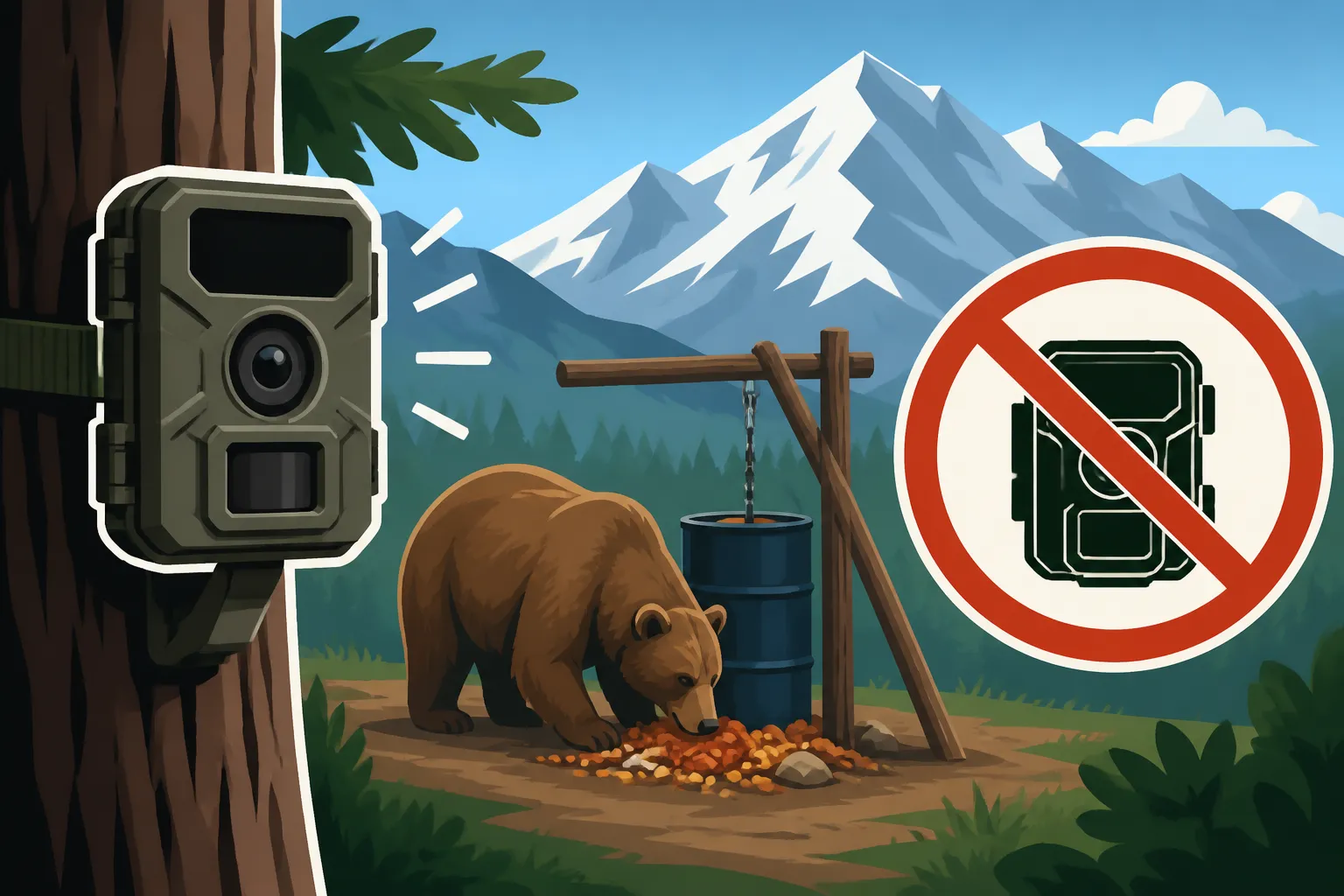
When it comes to bear baiting, the rules around trail cameras are pretty clear: you cannot use a trail camera or any electronic device that transmits images or video in real-time to aid in the take of game. This means no cellular trail cameras sending instant photos to your phone while you're in your stand, or even worse, while you're still miles away, planning your approach. The key here is "real-time assistance." A camera that simply records images or video to a memory card for later retrieval and review is generally allowed. However, the moment that camera connects and transmits data directly to you in a way that gives you an immediate advantage in hunting that animal, you've crossed the line. This applies to any electronic device, whether it's a fancy cellular camera from Moultrie or Browning, or even a simple Wi-Fi enabled camera that beams photos to a device within close range. The goal of the regulations is to ensure that the hunter is physically present and actively engaged in the hunt, rather than relying on remote surveillance for immediate tactical decisions.
Navigating the Legality: What's Permitted and What's Not
Understanding the letter of the law can feel like splitting hairs sometimes, but with trail cameras at a bait site, it's a critical distinction to grasp. The difference between a legal scouting tool and an illegal hunting aid often comes down to the functionality of the camera and when you access its information.
Allowed Practices: Passive Surveillance and Retrieval
You absolutely can use trail cameras for passive surveillance at your bait site. This means deploying a camera that records photos or video to an internal memory card. You can visit your bait site, retrieve the memory card, and review the footage back at your camp or even at home. This is an excellent way to gain intel on what bears are visiting your bait, their patterns, their size, and even their temperament. Many hunters use this data to determine the best times to sit, which approaches to take, and even to help with field judging. For example, a camera might show you a sow with cubs consistently visiting, allowing you to avoid that area during your hunt, or confirm a large boar's presence, which can significantly influence your strategy. This method allows you to collect valuable data for your hunt planning, much like traditional scouting, but without offering an unfair, instantaneous advantage. Brands like GoHunt often emphasize scouting and analytical tools, and good old-fashioned trail cam footage fits perfectly into that planning phase, helping you strategize your approach to your Alaska Black Bear Bait Station Registration.
Prohibited Actions: Real-Time Transmission and Hunting with Active Cams
Here's where the line is drawn: any trail camera that has the capability to transmit images or video to you while you are engaged in hunting at or near the bait site is illegal. This includes cellular cameras that send photos to your phone, satellite-linked cameras, or even Wi-Fi cameras that have a live feed to a tablet in your blind. The critical element is the real-time transmission that could directly influence your immediate hunting actions. Imagine receiving a text message saying "Big boar at bait!" while you're walking in, or while you're in your stand deciding if you should stay or go. That instantaneous feedback is what the regulations prohibit. It’s designed to prevent situations where technology replaces the hunter's skill, patience, and woodsmanship. This rule also aligns with the broader principle seen in other regulations, such as the restrictions around Alaska's Same-Day-Airborne Rule and What It Bans, which similarly aims to prevent undue technological advantage in locating game. If you're planning your Alaska Baiting Season Versus the General Season, ensure your gear choices don't inadvertently put you on the wrong side of the law.
| Trail Camera Use Scenario | Legal in Alaska? | Explanation |
|---|---|---|
| Passive Recording | YES | Camera records photos/video to an SD card. You retrieve the card later (e.g., daily or every few days) to review footage. No real-time transmission occurs. |
| Real-Time Cellular Transmission | NO | Camera transmits photos/video instantly to your phone or device, allowing you to monitor activity from a distance while actively hunting or preparing to hunt at the site. |
| Wi-Fi/Bluetooth Transmission | NO | Camera transmits a live feed or images wirelessly to a nearby device (e.g., tablet in a blind, phone). If this occurs while actively hunting, it constitutes real-time aid. |
| Pre-Season Scouting with Cams | YES | Using any type of trail camera (even cellular) before the season opens to gather information on game patterns, and then removing it or disabling real-time features before hunting begins. |
| Retrieving Card While Hunting | YES | Visiting your bait site to physically swap out an SD card from a passive camera during your hunt. The act of retrieving data is allowed; it's the real-time transmission that's forbidden. |
Practical Tips for Responsible Trail Camera Use
So, you want to use trail cameras to enhance your bear baiting experience without running afoul of the law? It's entirely possible, but it requires a bit of forethought and adherence to best practices. Smart use of cameras can significantly improve your success rates and make your time in the field more efficient and enjoyable.
Marking Your Cameras and Protecting Your Investment
While not strictly a legal requirement for most trail cameras, it’s always a good idea to mark your equipment with your name and contact information. This isn't just about recovering a lost camera; it also clearly identifies ownership should anyone else come across it. Remember, you're placing your gear in public areas where other hunters or recreationists might pass through. Having your name on your camera shows you’re a responsible user and can prevent misunderstandings. Beyond marking, consider security measures. Though not foolproof, a simple Python lock or a security box can deter casual theft. More importantly, place your cameras discreetly. While you want a good angle on your bait, avoid placing them in highly obvious spots that scream "expensive electronics here!" This protects your investment and minimizes potential friction with others using the same public lands. Many hunters like to use systems like those offered by GoHunt to track their historical data, and protecting your data-gathering tools is paramount.
Integrating Trail Cams into Your Baiting Strategy (Legally)
The beauty of trail cameras, even those without real-time transmission, is the invaluable information they provide. They become your silent, tireless scouts. Instead of guessing when bears are visiting, you'll know their exact patterns. For instance, you might discover that a big boar only comes in during the two hours after sunset, or that he avoids the bait on windy days. This allows you to plan your sits strategically, maximizing your chances while minimizing wasted time. For example, you might use the data to identify specific times you should be in your stand at your Legal Bait Materials for Alaska Black Bear site. The information helps you decide on the best approach and where to position your stand for a clean shot. Just be sure that when you're going to retrieve the memory card, you're not doing so in a way that spooks bears or makes your presence too obvious right before you plan to hunt. Keep your scent control in mind and move quietly, just as you would when performing other critical tasks like setting up a Setting a Legal Black Bear Bait Station in Alaska. The data from these cameras is perfect for planning your access route, considering things like How Far an Alaska Bait Site Sits From a Trail and how to approach silently.
Staying Current with Regulations and Avoiding Costly Mistakes
Alaska's hunting regulations, like any wildlife management rules, aren't set in stone forever. They can and do change. What was legal last season might be a violation this year, and vice-versa. Because of this dynamic nature, it's your responsibility as a hunter to stay informed.
Where to Find the Latest Official Information
The absolute best source for the most up-to-date and accurate information on Alaska's hunting regulations is the Alaska Department of Fish and Game (ADF&G). Their website (adfg.alaska.gov) is a treasure trove of information, including the current hunting regulations booklet, emergency orders, and news releases. You can usually find a specific section dedicated to electronic devices and baiting. Don't rely solely on forum posts, social media, or even what a buddy heard from another buddy. While those sources can be helpful for discussion, they are not official and can easily contain outdated or misinterpreted information. Always cross-reference with the ADF&G website or give your local ADF&G office a call if you have specific questions. It's also wise to check for any emergency orders before you head into the field, as these can implement immediate changes to seasons or methods. Many hunters find resources like GoHunt's data and mapping features useful for general planning, but for the actual legalities of devices, ADF&G is the definitive word. This level of diligence also applies to ensuring you meet other requirements like Alaska Hunter Education Card Requirements.
The Consequences of Non-Compliance
The penalties for violating hunting regulations in Alaska can be severe, and ignorance of the law is rarely an acceptable defense. Using a prohibited electronic device, such as a real-time transmitting trail camera, could result in significant fines, confiscation of your equipment (including your camera, firearm, and even your vehicle if it was used in the violation), loss of hunting privileges for a period of time, and even jail time in more serious cases. Beyond the legal ramifications, there's the ethical consideration. Violations undermine the reputation of all hunters and the principles of fair chase that ADF&G strives to uphold. No one wants to face charges or lose their hunting license over a misunderstanding about a trail camera. It’s far better to err on the side of caution, ensure your practices are beyond reproach, and enjoy your time in the vast wilderness of Alaska knowing you're doing things the right way. This commitment to legality extends to all aspects of your hunt, from preparing your gear like your Rifle Choice for Alaska Brown Bear Country to properly caring for your kill to avoid any issues with Alaska Moose Meat Salvage Requirements. After all, a successful hunt isn't just about taking an animal; it's about doing it ethically and legally.
Disclaimer
The information provided in this guide is for general informational purposes only and does not constitute legal advice. Hunting regulations in Alaska are complex and subject to change. Always consult the official Alaska Department of Fish and Game (ADF&G) regulations and, if necessary, contact ADF&G directly for the most current and specific guidance regarding your hunting activities.