Keeping a Bowstring Dry for Ten Days
Alaskan bowhunters learn how synthetic bowstring fibers absorb moisture, causing accuracy issues, stretching, and structural damage.
Close the distance.
Archery, muzzleloader, and firearm techniques — calling, stand placement, still-hunting, spot-and-stalk, and the weapon rules that change at the state line.
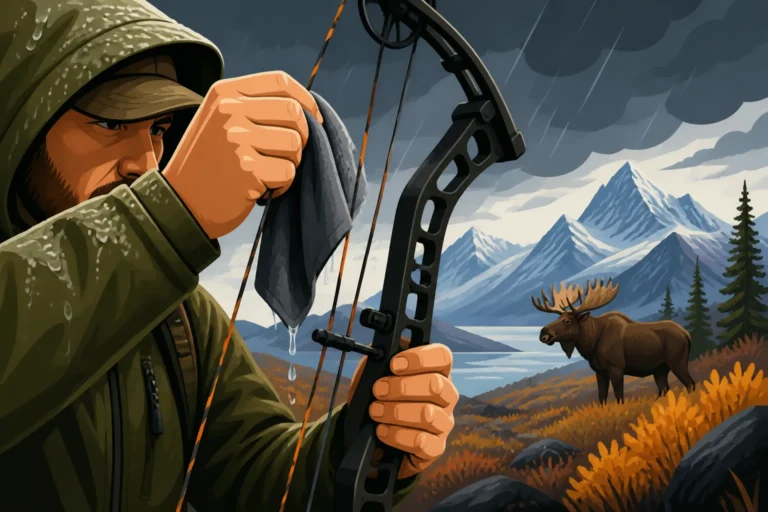
Alaskan bowhunters learn how synthetic bowstring fibers absorb moisture, causing accuracy issues, stretching, and structural damage.

Alaska big game broadhead rules explain legal two-edge designs, minimum diameters, and the prohibition of barbed blades.
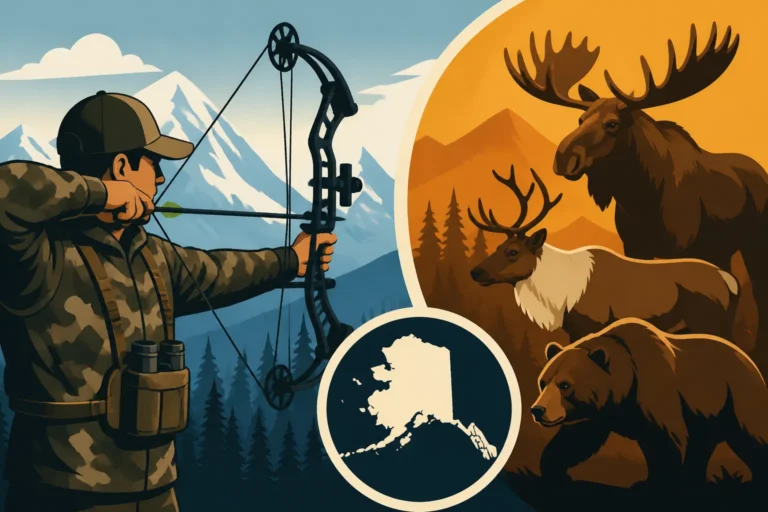
Alaska archery draw weight minimums for big game, which vary by species and exist so arrows can reach vital organs and kills stay quick and ethical.
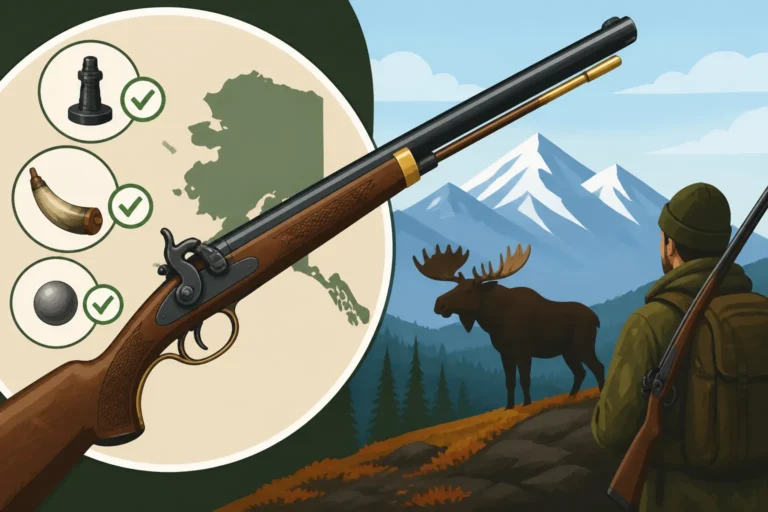
Alaska Department of Fish and Game regulations define legal muzzleloaders requiring front loading and permanent ignition systems.
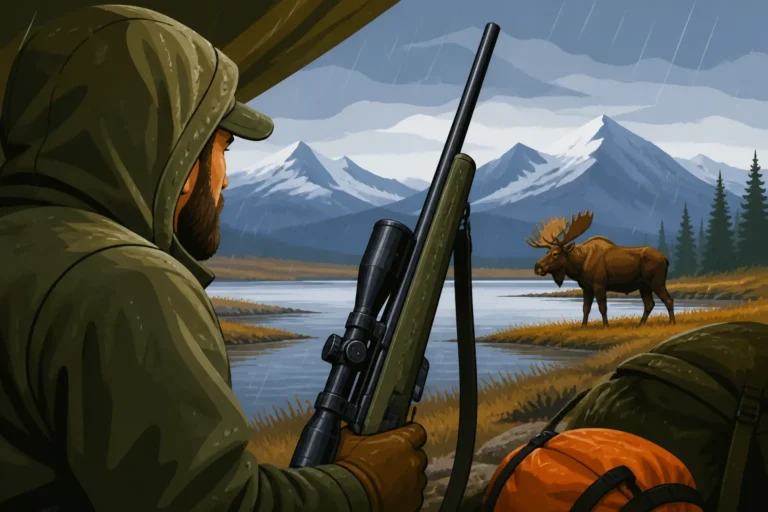
A backup rifle for remote Alaska hunts protects against gear failure, internal scope fog, rust, and sudden weather.
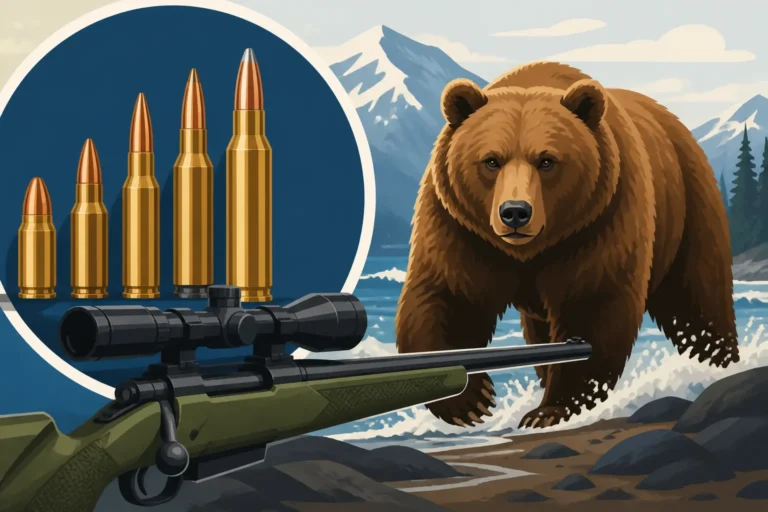
Rifle calibers for coastal brown bear hunts determine terminal ballistics, kinetic energy, momentum, and deep penetration on heavy animals.
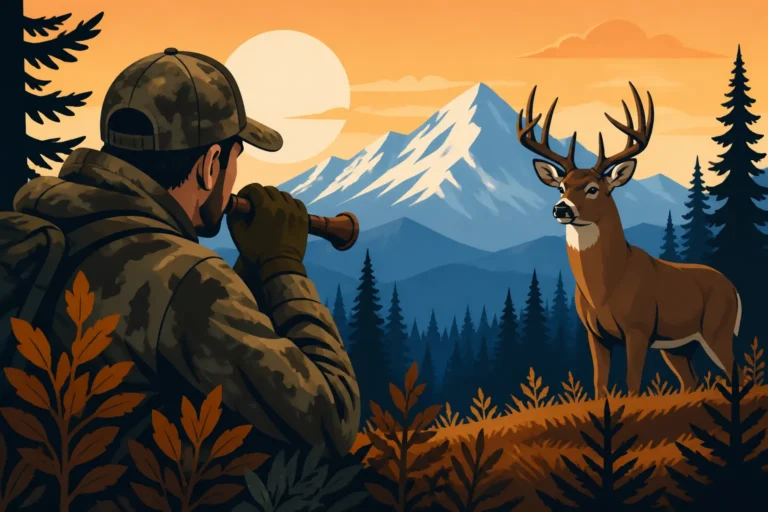
Sitka blacktail deer calling strategies during Alaska’s November rut help hunters locate elusive bucks in changing weather.
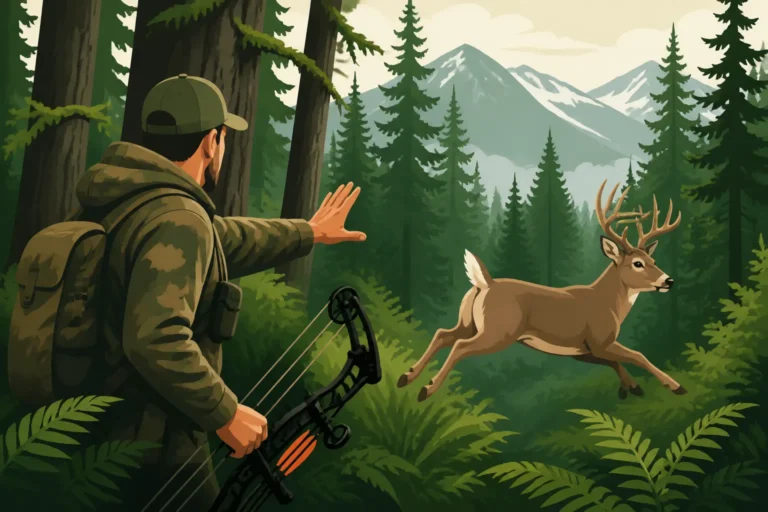
Sitka blacktail deer in Southeast Alaska timber use dense spruce, hemlock, and alder thickets for predator cover and weather protection.

Sitka blacktail deer behavior in Alaska alpine country helps hunters plan early August high-elevation hunts successfully.

Alaska’s rule against taking a sow accompanied by cubs, how cubs are defined for brown and black bears, and why a visible bond with a female matters.