Sows With Cubs and the Legal Line
Hunting in Alaska is an experience unlike any other, offering vast wilderness and incredible opportunities. However, it also comes with immense responsibility, especially when it comes to understanding and adhering to regulations designed to protect wildlife populations. One of the most critical and often challenging rules for bear hunters to navigate is the legal line regarding sows with cubs. The frustration of trying to make a split-second decision in challenging terrain, under pressure, while ensuring you’re on the right side of the law, is something every ethical hunter knows. This guide will meticulously break down Alaska's regulations concerning sows with cubs, the difficulties of identification, and the ethical considerations paramount to responsible bear hunting in the Last Frontier.
Understanding Alaska's Regulations on Bears with Cubs
Alaska's hunting regulations are designed to ensure sustainable wildlife populations, and nowhere is this more critical than with large predators like bears. The rules regarding sows with cubs are in place for a very good reason: to protect the reproductive future of bear populations, ensuring there are animals for future generations of hunters.
The Core Legal Principle: When is a Bear Legal?
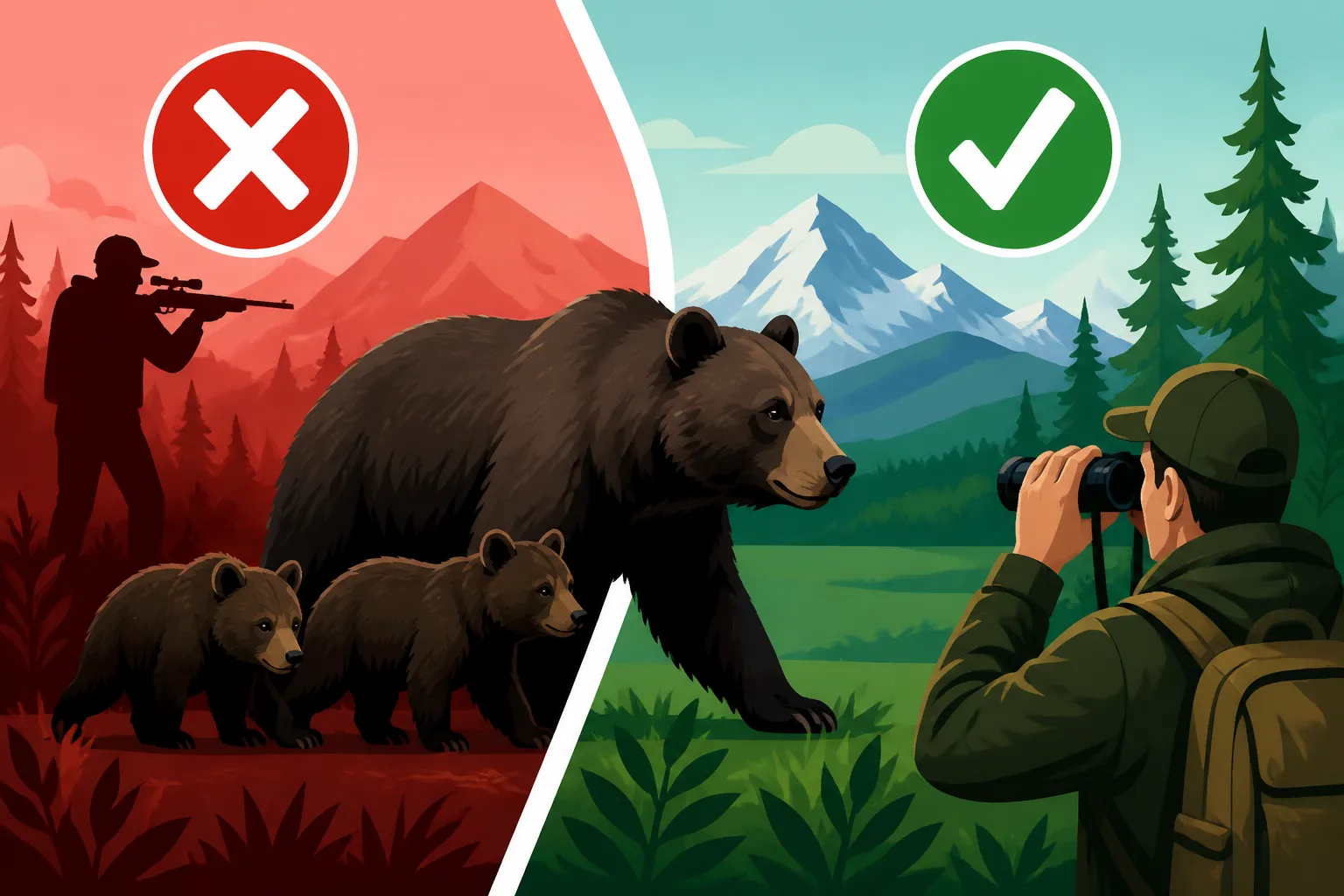
At its heart, Alaska's law is quite clear: it is illegal to take a sow accompanied by cubs. This isn't just a suggestion; it's a fundamental principle enforced across the state. The idea is to prevent the double whammy of losing not just an adult female, but also her entire dependent offspring. Bear cubs, particularly black bear cubs and brown bear cubs, rely heavily on their mother for survival through their first year, sometimes even into their second. Removing the sow often means a death sentence for her young, leading to a significant negative impact on local bear numbers.
A "cub" in Alaska regulations generally refers to a bear that is less than one or two years old, still dependent on its mother. For most brown bear hunts, this means any bear observed with offspring up to two years of age. For black bears, it's typically less than one year. However, the critical point isn't always their exact age but their visible association with a larger female, indicating maternal care. This legal protection extends beyond simply seeing cubs; if a sow is clearly exhibiting maternal behavior—being protective, calling to unseen cubs, or demonstrating an obvious bond—she is considered to be "accompanied by cubs," even if those cubs aren't directly in your line of sight when you decide to take a shot. This places a significant burden of proof on the hunter to confirm no cubs are present.
Distinguishing Between Species: Brown Bears vs. Black Bears
While the general rule of protecting sows with cubs applies to both black bears and brown bears (which includes grizzlies), the practicalities of identification and the biological implications can differ slightly. Both species are iconic Alaskan game animals, but their habitats, behaviors, and reproductive rates mean the "sow with cubs" rule plays out differently.
Black bears are often found in forested areas, river bottoms, and near human habitation. They can also exhibit a wide range of color phases, from jet black to cinnamon, brown, or even the rare glacier bear phase in Southeast Alaska. This variability in color can sometimes make identification tricky, but regardless of color, a sow black bear with cubs is off-limits. Their reproductive rates are generally higher than brown bears, but protecting breeding females remains paramount for local populations. For hunters pursuing black bears, especially in timbered areas where visibility can be limited, confirming the absence of cubs requires extreme patience and thorough observation.
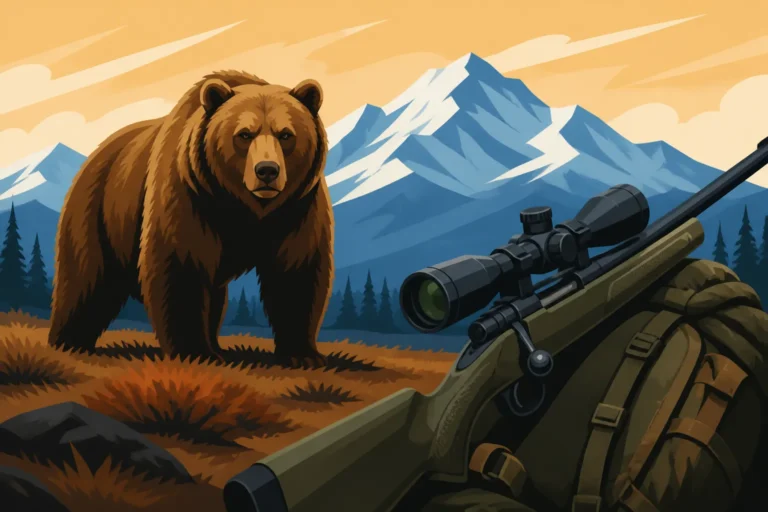
Brown bears, including the interior grizzlies and coastal brown bears, are generally larger and have slower reproductive cycles. A brown bear sow might only have a litter every two to four years, and those cubs stay with her for at least two seasons. This means that losing a breeding-age brown bear sow has an even more pronounced impact on the population. Coastal brown bears, fueled by salmon runs, grow to immense sizes, and hunters often dream of harvesting one. However, the larger size also means their cubs, even yearlings, can be substantial, making them easier to spot, but the rugged, open country they inhabit can still pose challenges for definitive identification. Understanding the nuances of Alaska Brown Bears on the Coast Versus Interior Grizzlies can help hunters appreciate these differences.
Specific Unit Regulations and Emergency Orders
While the overarching rule about sows with cubs is statewide, Alaska's diverse geography and unique wildlife management challenges mean that specific Game Management Units (GMUs) can have additional regulations or nuances. It is absolutely crucial for hunters to not only understand the general state laws but also to delve deeply into the specific regulations for the GMU and subunit they intend to hunt.
For instance, some units might have different definitions for what constitutes a "cub" for a particular species, or they might have specific timeframes when the rule is more stringent. Furthermore, wildlife populations are dynamic. Factors like harsh winters, disease, or unexpected changes in food sources can lead the Alaska Department of Fish and Game (ADF&G) to issue "emergency orders." These orders can quickly change season dates, bag limits, or even hunting methods, sometimes impacting the legal status of taking certain animals, including sows with cubs in specific areas.
Before any hunt, you must check the current regulations booklet and the ADF&G website for any new emergency orders that apply to your chosen area. Resources like GoHunt are also incredibly valuable, often providing regularly updated regulatory information and mapping tools that can help hunters stay current with these dynamic changes. Failing to do so can lead to legal issues, including fines and loss of hunting privileges, which no responsible hunter wants to face. Checking Where to Get the Alaska Hunting Regulations Booklet is a vital first step.
The Challenges of Field Identification
Even with the best intentions, identifying whether a bear is a sow with cubs in the vastness of Alaska can be incredibly difficult. The terrain, vegetation, light conditions, and the animals' natural evasiveness all conspire to make positive identification a true test of a hunter's skill and patience.
Identifying Cubs at a Distance
One of the most common dilemmas arises when a bear is spotted at a considerable distance. What looks like a solitary bear through binoculars might, upon closer inspection, reveal a cub trailing behind, or two, or three! Bear cubs, especially when very young, are small and can be easily obscured by brush, rocks, or the larger body of their mother. They might also be resting, feeding, or even climbing a tree away from the immediate vicinity of the sow.
High-quality optics are not just a luxury; they are an absolute necessity for ethical bear hunting in Alaska. A good pair of 10x binoculars and a powerful spotting scope can mean the difference between making a legal, ethical shot and making a tragic mistake. When you spot a bear, resist the urge to rush. Set up your optics, stabilize them with a tripod, and take your time. Observe the animal's behavior for extended periods. Look for any accompanying movement, no matter how subtle. A sow will often exhibit distinct behavioral cues: frequently looking back over her shoulder, pausing and scanning her surroundings nervously, or making soft grunting sounds. Cubs, when present, might appear as smaller dark shapes, or you might only catch glimpses of movement as they play, trail, or nurse. The advice for Spotting Scope Power for Ram Judging can easily be adapted for bear hunting, emphasizing the need for clarity and magnification to differentiate details at long range.
When Cubs Are Not Immediately Visible
This is perhaps the trickiest scenario for many hunters. You see a bear, and it appears to be alone. You observe it for a reasonable amount of time, but you don't see any cubs. Is it truly alone? The hunter's responsibility here is immense: you must be as certain as possible that no cubs are present.
Cubs have an uncanny ability to disappear. They might be in thick cover that you can't see into, or perhaps they've climbed a tree nearby while the sow feeds. In areas with dense alders, willows, or spruce forests, a cub can be hidden just a few yards away and remain completely invisible. This is where patience becomes your greatest asset. Waiting an hour, or even several hours, observing the bear's movements, and trying to get different angles can be invaluable. If the bear moves, pay close attention to whether any smaller forms emerge from the cover it just left. Look for a second shadow, a different gait, or a sudden change in direction that might indicate a protective maneuver. Remember, the law places the burden on the hunter to confirm the absence of cubs. If you have any doubt, it's always best to err on the side of caution and let the bear walk.
Here’s a helpful table summarizing key behavioral cues:
| Behavioral Cue | Interpretation |
|---|---|
| Frequent glances back | A sow with cubs will often look behind her or scan the surrounding area with increased vigilance, especially if cubs are trailing or hidden. |
| Protective stance | If the bear seems overly cautious, agitated by unseen stimuli, or positions herself between you and a patch of cover, she might be protecting cubs. |
| Distinct vocalizations | Sows often communicate with cubs through soft grunts, huffs, or whines. Listen carefully, especially if you hear sounds that don't seem to match a lone bear's behavior. |
| Sudden changes in pace | A sow might pause abruptly, wait, and then resume movement, or make sudden detours into cover, potentially to check on or gather cubs. |
| Cubs climbing trees | When spooked or feeling threatened, bear cubs (especially black bear cubs) instinctively climb trees. Look for movement in nearby trees, even if the sow herself remains on the ground. |
| Trailing behavior | Cubs often follow their mother in a distinct line, occasionally lagging behind or running ahead. Look for smaller shapes moving in the same direction, even if they momentarily disappear into terrain folds. |
| Nursing posture | If a bear lies down or sits in a specific way that looks like it's accommodating unseen offspring for nursing, it's a strong indicator of cubs. |
Avoiding Accidental Takes and Misidentification
The legal and ethical ramifications of mistakenly taking a sow with cubs are severe. In Alaska, such an action can result in substantial fines, forfeiture of the harvested animal, loss of hunting privileges for several years, and even potential jail time. Beyond the legal consequences, there's the profound regret of having made an unethical mistake that harms a vulnerable population.
To avoid such a scenario, the most critical piece of advice is: if in doubt, don't shoot. It sounds simple, but in the heat of the moment, with adrenaline pumping, it can be hard to abide by. Practice makes perfect, and that includes practicing patience and observational skills. Avoid taking hasty shots, especially at long ranges or in poor light conditions. If a bear appears, but you can't get a clear, unobstructed view of its entire body and surrounding area for a sustained period, simply don't pull the trigger. There will always be another opportunity for a legal, ethical hunt. Understanding the physical differences in bears, like discussed in Boar Versus Sow Identification in the Field or Judging Bear Size by Ear Spread, can also aid in confirming whether a bear is a lone animal or a female that might have dependents.
Ethical Considerations and Responsible Hunting Practices
Beyond the letter of the law, ethical hunting demands a higher standard. Responsible bear hunting in Alaska isn't just about avoiding penalties; it's about respecting the animal, contributing to conservation, and upholding the integrity of the hunting tradition.
The Broader Impact on Bear Populations
Bear populations, especially brown bears, are not as prolific as some other game species. Their reproductive rates are relatively slow, and cubs have a high mortality rate in their first year. When a sow with cubs is removed from the population, it has a ripple effect. You're not just losing one bear; you're often losing an entire cohort of future bears. The cubs, almost certainly, will not survive without their mother, and that particular sow will not produce any more litters in her lifetime.
This cumulative loss can impact the genetic diversity, social structure, and overall health of a local bear population. Ethical hunters understand that their actions contribute to the bigger picture of wildlife management. By diligently adhering to the "sow with cubs" rule, we actively participate in conservation efforts, ensuring that these magnificent animals continue to thrive in Alaska for generations to come. This commitment to sustainable hunting is what truly sets ethical hunters apart.
Hunter Responsibility Beyond the Law
True hunter responsibility goes beyond simply following the rules set by the state. It encompasses a deep respect for the wildlife, the habitat, and the hunting tradition itself. This means taking every possible step to ensure positive identification before a shot is fired, striving for a clean, humane kill, and properly caring for the harvested game meat and trophy, as outlined in guides like Cape Care for a Life-Size Bear Mount.
This proactive approach includes thorough pre-hunt preparation. Spend time studying bear biology, behavior, and identification guides. Familiarize yourself with the specific characteristics of bears in the unit you'll be hunting. This might mean investing in advanced mapping tools or subscriptions to services like GoHunt, which often offer detailed unit-specific information, harvest reports, and regulatory updates that can help you make informed decisions. Engage in discussions with experienced hunters, guides, and ADF&G personnel. By being well-informed and well-prepared, you not only increase your chances of a successful hunt but also minimize the risk of making an unethical mistake. Responsible hunting practices reflect positively on the entire hunting community and help foster a positive public perception.
Dealing with Difficult Situations in the Field
Even with the most meticulous planning and careful observation, unforeseen circumstances can arise. What if, after you've taken a shot, you discover cubs? This is a devastating scenario for any ethical hunter, but it's crucial to know how to react appropriately.
The first and most important step is to immediately report the incident to the Alaska Department of Fish and Game (ADF&G). Do not attempt to conceal it, move the animal, or rationalize the situation. Honesty and full cooperation with wildlife authorities are paramount. While there will undoubtedly be consequences, reporting it promptly and truthfully is the only correct course of action. This demonstrates integrity and respect for the law and the resource. ADF&G personnel are trained to handle such situations and can provide guidance on what to do next. While it's a difficult situation to contemplate, knowing your obligations beforehand can help you react responsibly should the worst happen. Prevention, through diligent observation and the "if in doubt, don't shoot" principle, remains the ultimate goal. Considering Bear Safety While Butchering a Kill in Alaska might seem premature, but awareness of potential post-kill complications is part of overall responsible hunting.
Practical Tips for Identifying Bears and Their Legal Status
Successful and ethical bear hunting in Alaska relies heavily on meticulous preparation and keen observational skills. Here are some practical tips to help you accurately identify bears and their legal status in the field.
Pre-Hunt Preparation and Research
Your hunt begins long before you set foot in the Alaskan wilderness. The amount of homework you do beforehand directly impacts your chances of a legal and ethical harvest. Start by getting your hands on the most current Alaska hunting regulations booklet. Read it cover to cover, paying particular attention to the specific Game Management Unit (GMU) and subunits you plan to hunt. Regulations can change annually, and staying current is not optional. Pay close attention to the general season dates, specific bag limits, and any unique restrictions regarding bears, especially those that mention sows with cubs. The rules around Alaska Black Bear Seasons and Bag Limits can vary significantly by unit.
Utilize digital resources. The ADF&G website is a treasure trove of information, offering detailed maps, unit-specific regulations, and any emergency orders. Many hunters also find immense value in dedicated hunting platforms. Companies like GoHunt provide comprehensive unit profiles, harvest data, and mapping overlays that can help you understand historical success rates and potential game concentrations. These tools can also help you identify areas with dense cover where cub detection might be especially challenging, allowing you to plan your approach accordingly. A clear understanding of Alaska Hunting Seasons and Tag Rules Explained will also ensure you have all the correct permits for your intended hunt.
Using Optics and Observation Techniques
In Alaska, your optics are as vital as your rifle. High-quality binoculars (10x to 15x) are essential for broad scanning, but a powerful spotting scope (20-60x or higher) on a sturdy tripod is indispensable for detailed examination and confirmation. Investing in the best optics you can afford will pay dividends in the field.
When you spot a bear, resist the urge to immediately raise your rifle. Instead, first establish a stable position for your optics. Employ systematic glassing techniques, like a Glassing Grids That Cover a Whole Basin, to thoroughly scan the area around the bear. Don't just look at the bear; look around it. Scan the immediate vicinity for any signs of smaller animals. Look for different textures, colors, or subtle movements that could indicate a hidden cub. Patience is key. Bears, especially sows, might move slowly, or cubs might be resting or feeding out of sight. Observing a bear for an extended period – sometimes an hour or more – will give you the best chance to see if it’s truly alone. Understanding the difference between Glassing at First Light Versus Midday can also be crucial, as bears are often more active during certain times, increasing the chances of seeing cubs.
Recognizing Bear Behavior
Bear behavior offers a wealth of clues. A lone bear often moves with a different gait and focus than a sow with cubs. Lone bears might be more intent on foraging, covering ground efficiently, or even exhibiting exploratory behavior. A sow, however, will typically be more cautious, more alert, and frequently "check" her surroundings, often looking back or pausing to listen.
Pay attention to her head movements, body language, and vocalizations. A sow might appear more nervous, frequently raising her head to sniff the air, or turning her ears to catch distant sounds. If you see a bear frequently looking back, pausing, or exhibiting any kind of protective stance, consider it a significant red flag that cubs might be present, even if you can't see them. Cubs, if present, often mirror their mother's movements or react quickly to any perceived threat by running, scurrying into cover, or climbing trees. Observing these subtle cues can provide invaluable information to help you make an ethical and legal decision. Remember that understanding behaviors is crucial, and reading up on topics like Boar Versus Sow Identification in the Field can help solidify your understanding of bear sex and age differences in the field. When considering your gear, a reliable rifle that allows for precise, ethical shots is always a priority, especially when hunting a large animal where positive identification is critical, as discussed in Rifle Choice for Alaska Brown Bear Country.
Disclaimer
Please remember that hunting regulations in Alaska are subject to change. This guide provides general information and recommendations based on current understanding. It is the individual hunter's responsibility to consult the most current Alaska Department of Fish and Game regulations and any applicable emergency orders for the specific Game Management Unit they intend to hunt before going into the field. Failure to do so could result in legal penalties.