GPS Battery Life in Cold Camps
Cold weather capacity loss in Alaska hunting camps drains GPS batteries, reducing operational life to four to six hours.
Close the distance.
Archery, muzzleloader, and firearm techniques — calling, stand placement, still-hunting, spot-and-stalk, and the weapon rules that change at the state line.
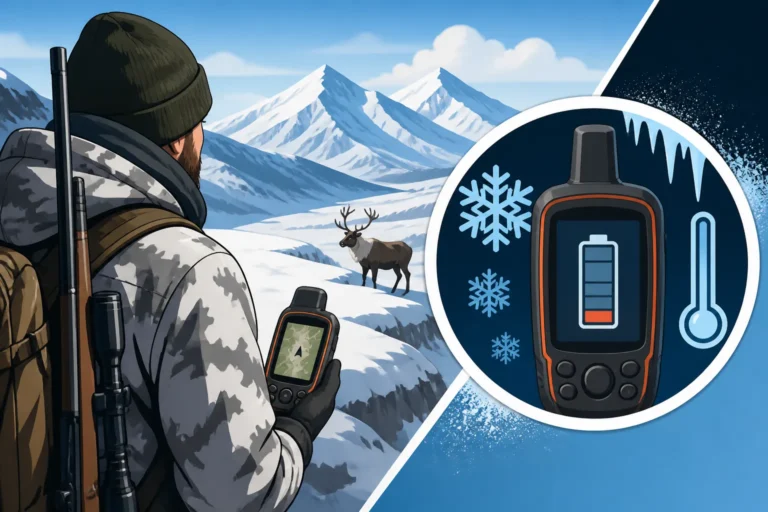
Cold weather capacity loss in Alaska hunting camps drains GPS batteries, reducing operational life to four to six hours.
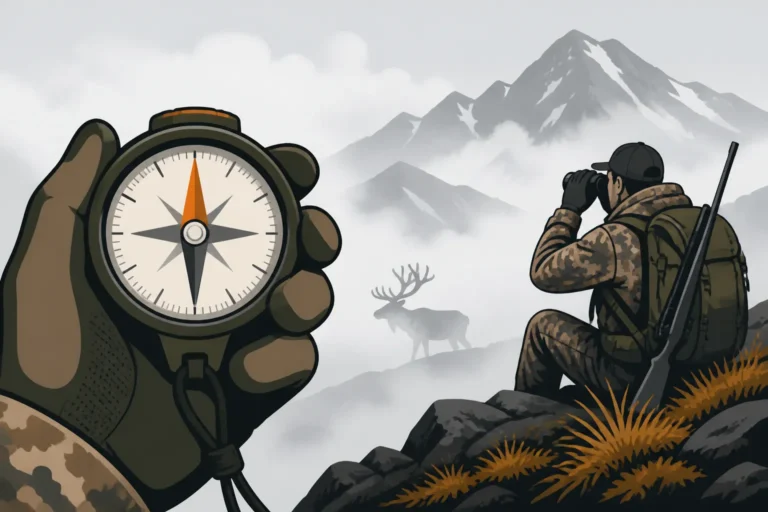
Baseplate compass bearings help Alaska hunters navigate safely back to camp when sudden fog erases visibility miles away.

Working a kill site in Alaska grizzly country requires a 360-degree scan and a lookout system for predator safety.

Close-range bear attacks in Alaska require comparing bear spray and firearms, explaining speed, deployment, and defensive effectiveness.
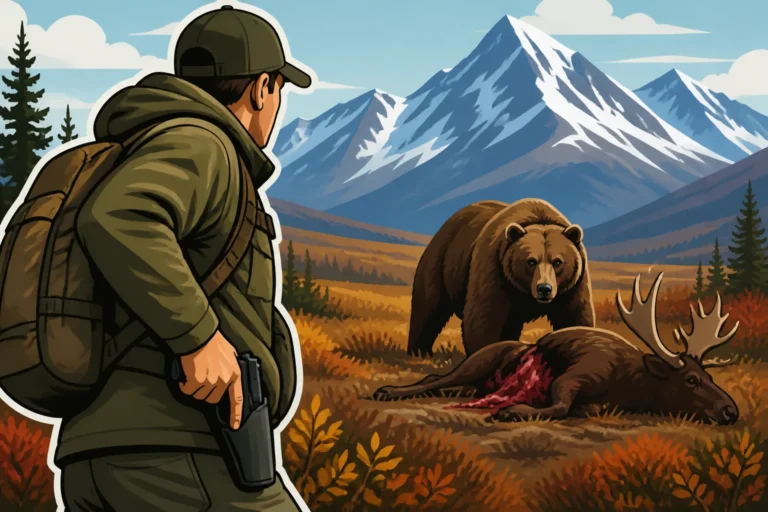
Carrying a sidearm while butchering game in Alaska provides hunters immediate defense against bears attracted to fresh carcasses.
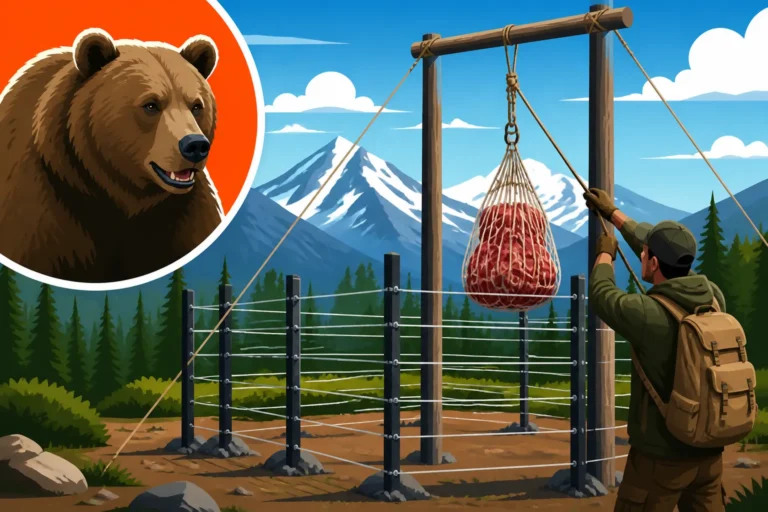
Proper bear fence setup methods protect one hundred fifty to two hundred pound moose and caribou meat quarters from Alaskan bears.

Alaska big game horn plugging and sealing deadlines explained, helping hunters protect legal trophies and avoid violations.
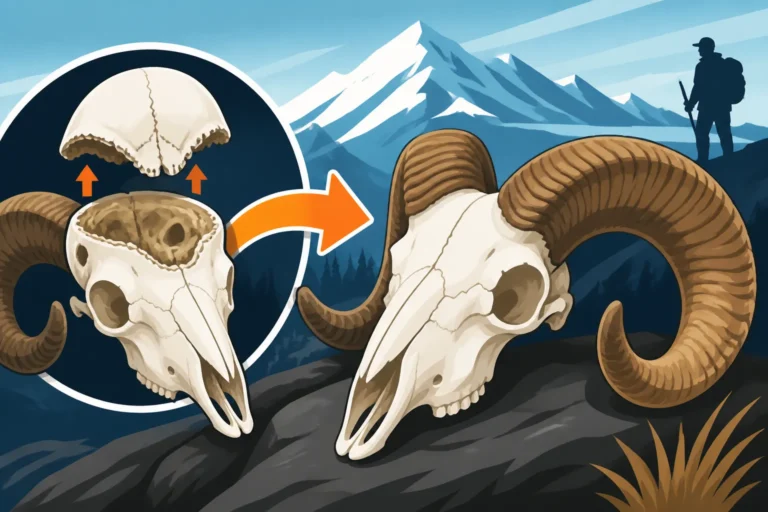
Proper skull plate removal for Dall sheep rams preserves horn bases and prevents taxidermy damage during field processing.

Alaska hide sealing rules and authorized representatives help hunters legally verify wildlife harvests and biological data.
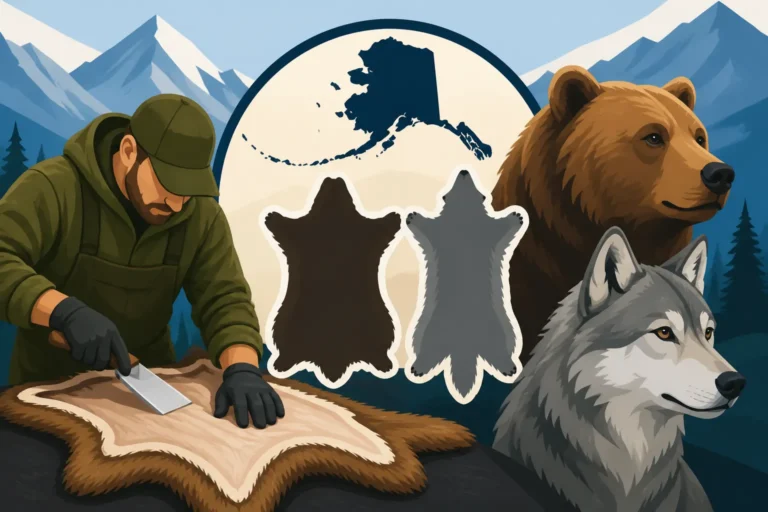
Alaska bear and wolf hide sealing requirements, necessary documentation, critical timelines, and legal processing steps.