Judging Bear Size by Ear Spread
Ear spread measurement helps Alaskan hunters reliably distinguish mature trophy boars from smaller bears in the field.
Close the distance.
Archery, muzzleloader, and firearm techniques — calling, stand placement, still-hunting, spot-and-stalk, and the weapon rules that change at the state line.
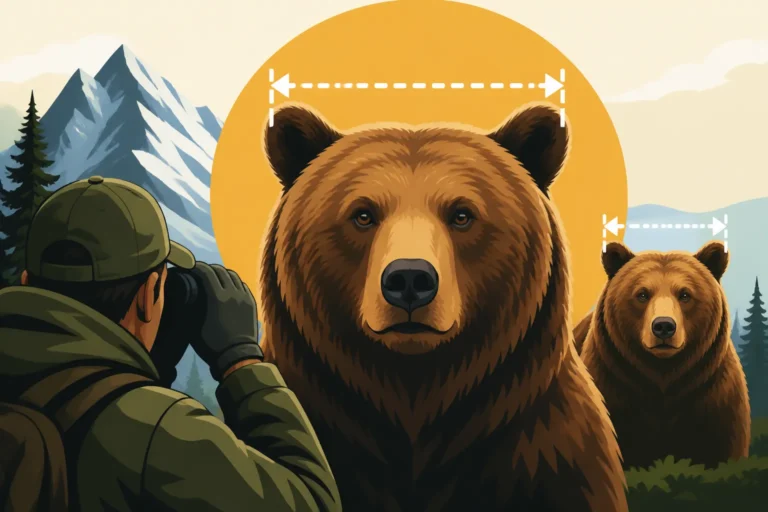
Ear spread measurement helps Alaskan hunters reliably distinguish mature trophy boars from smaller bears in the field.
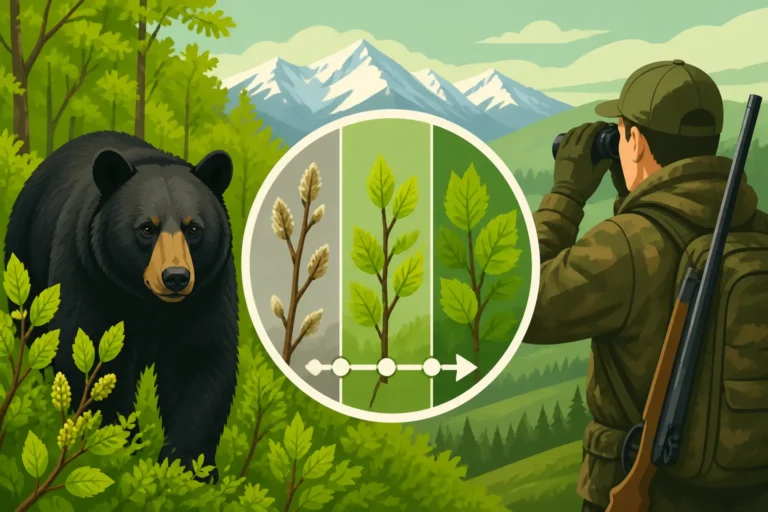
Spring bear green-up timing in Alaska relies on elevation, latitude, and south-facing slopes to find hungry bears after winter.
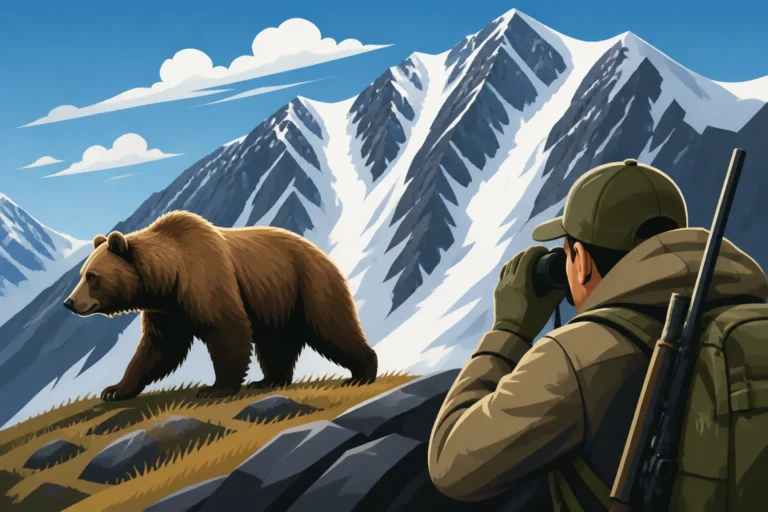
Spring black bear hunting in Alaska during May and June requires targeting south-facing avalanche chutes for early vegetation.
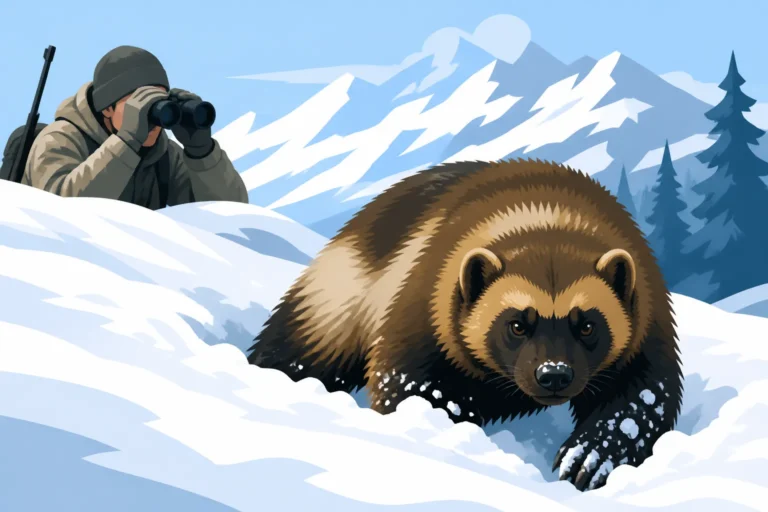
Wolverine trapping strategies in deep Alaska snow include targeting packed travel routes, frozen riverbeds, and food caches.
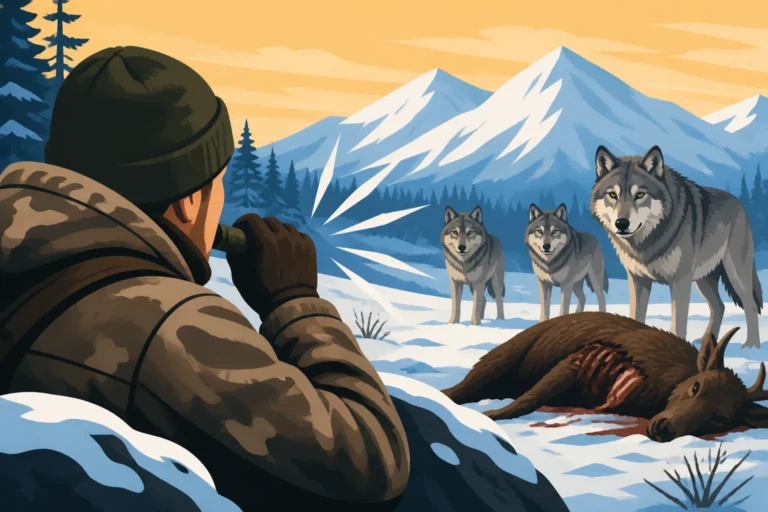
Alaska wolf hunting strategies explain how hunters lure packs away from fresh moose or caribou carcasses using specific calls.
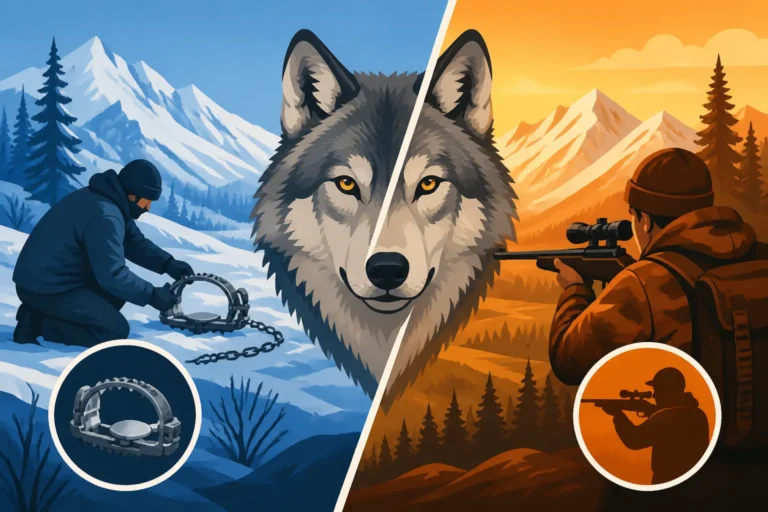
Alaska wolf regulations explain the different season dates, licensing requirements, and legal methods for hunters and trappers.
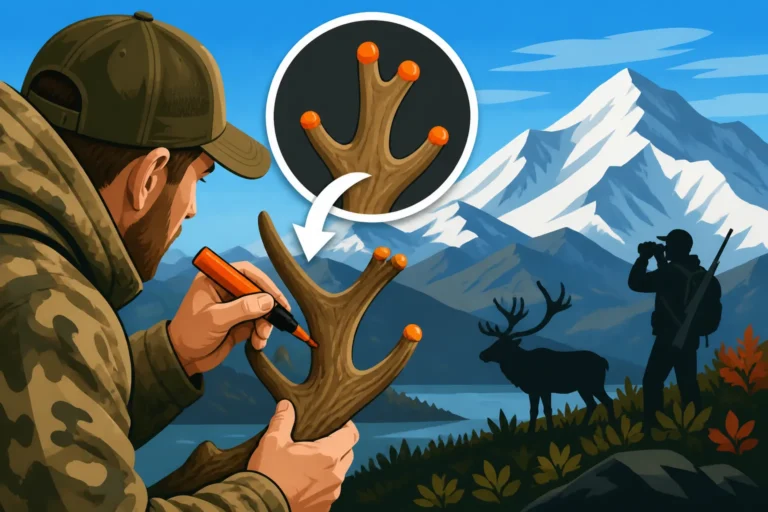
Pre-marking glassing knobs digitally before an Alaska hunt saves valuable time and ensures you find game faster in the backcountry.
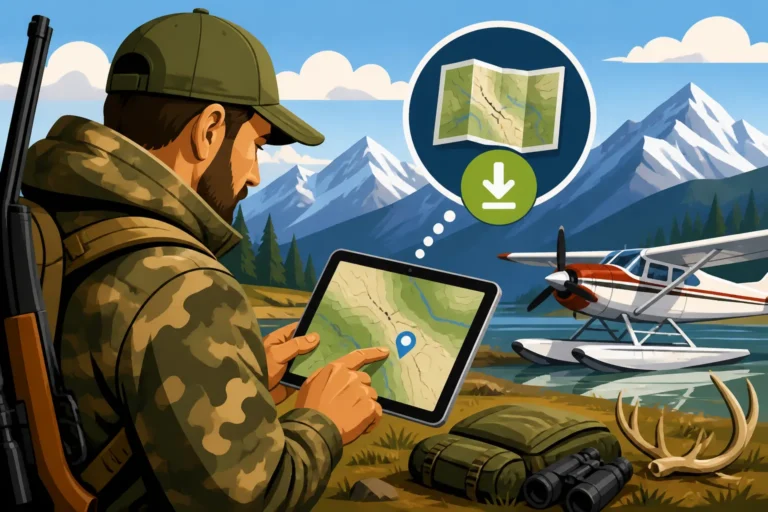
Downloading offline maps before an Alaska fly-in hunt ensures safe navigation, proper game recovery, and emergency preparedness.
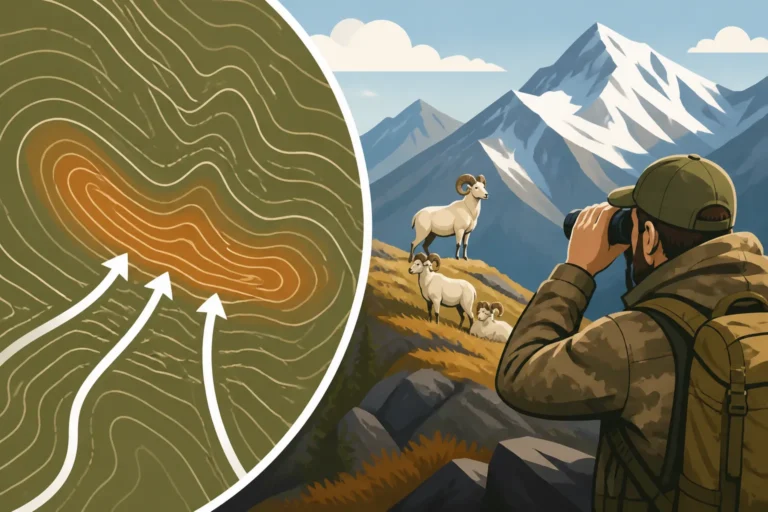
Topographic map contour lines reveal Alaska mountain elevation, steepness, and terrain shapes to locate Dall ram bedding areas.
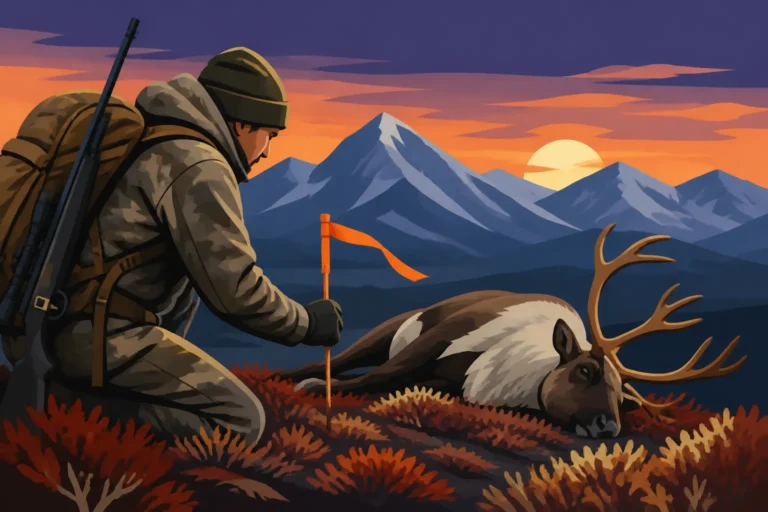
Precise marking of a moose or bear kill site in Alaska prevents lost game and ensures safe backcountry recovery after dark.