Alaska Moose Meat Salvage Requirements
Alaska moose meat salvage laws require removing all skeletal muscle tissue, including ribs and neck, to prevent wanton waste.
Close the distance.
Archery, muzzleloader, and firearm techniques — calling, stand placement, still-hunting, spot-and-stalk, and the weapon rules that change at the state line.
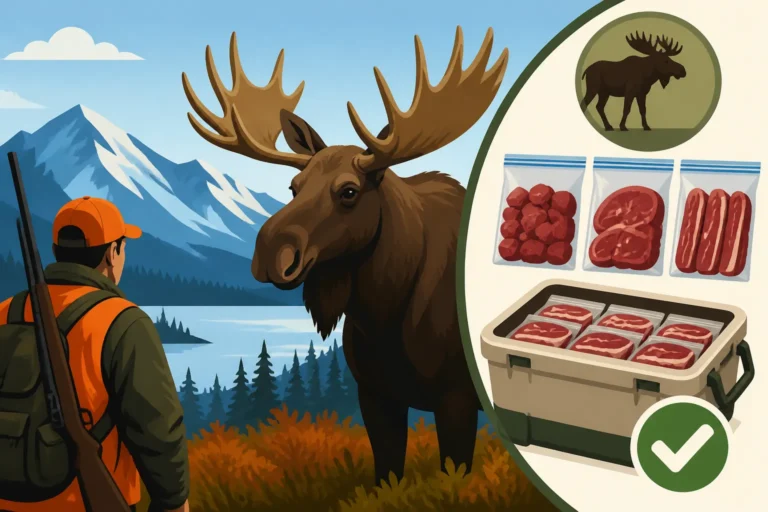
Alaska moose meat salvage laws require removing all skeletal muscle tissue, including ribs and neck, to prevent wanton waste.
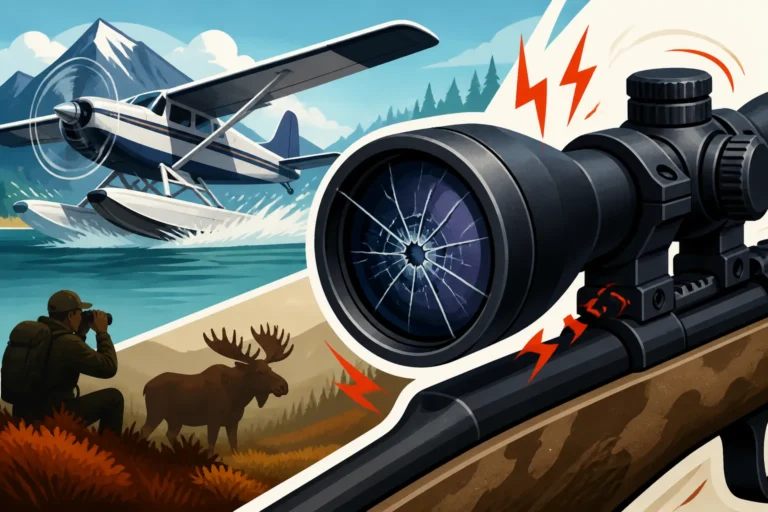
Float plane vibration causes rifle scope damage and point of impact shifts during remote Alaskan wilderness hunting trips.
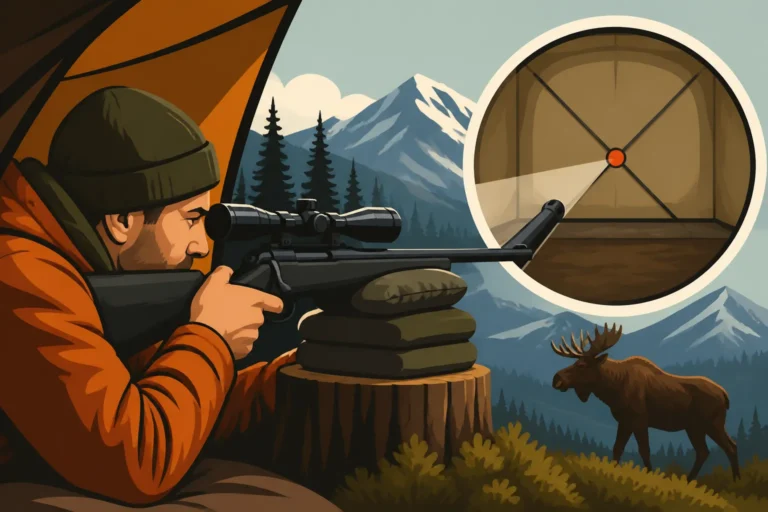
Bore-sighting a rifle using the bolt-action method in a remote camp ensures accurate shots without visiting a shooting range.
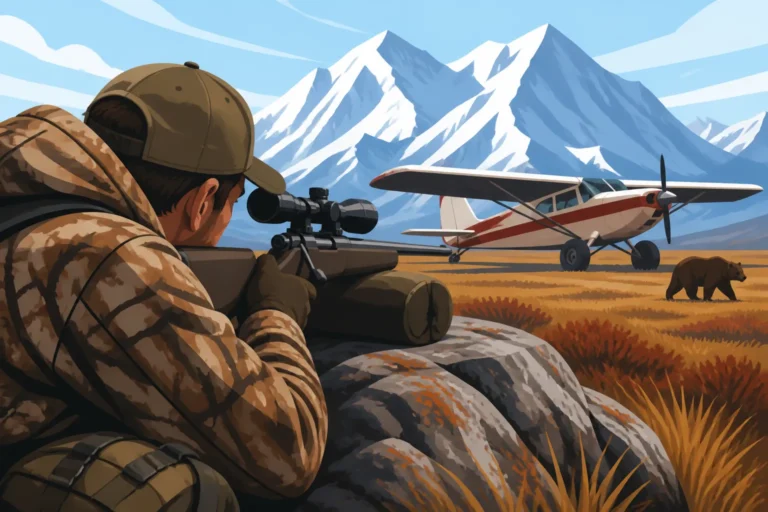
Bush plane travel alters a rifle zero through bumps and temperature swings, explaining how to check accuracy in remote camps.
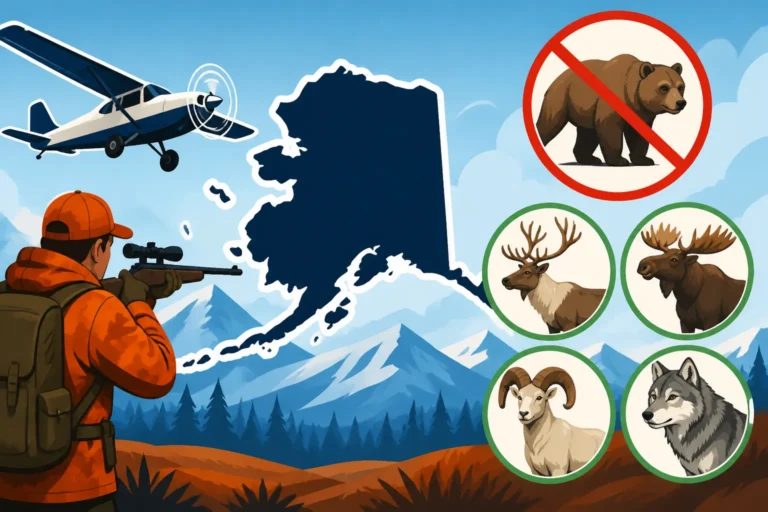
Alaska hunting regulations restrict fixed-wing aircraft use, but certain big game species are exempt from the Same-Day-Airborne rule.
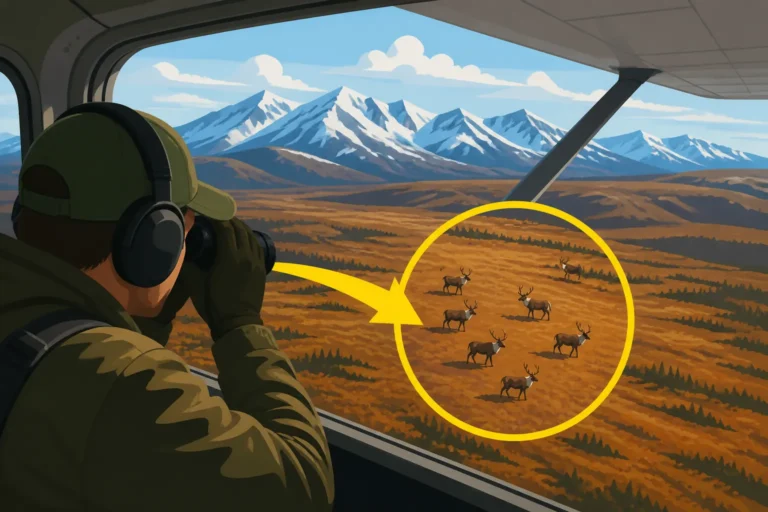
Alaska’s same-day-airborne rule prohibits big game hunting on any calendar day you spot animals from an aircraft until three in the morning.
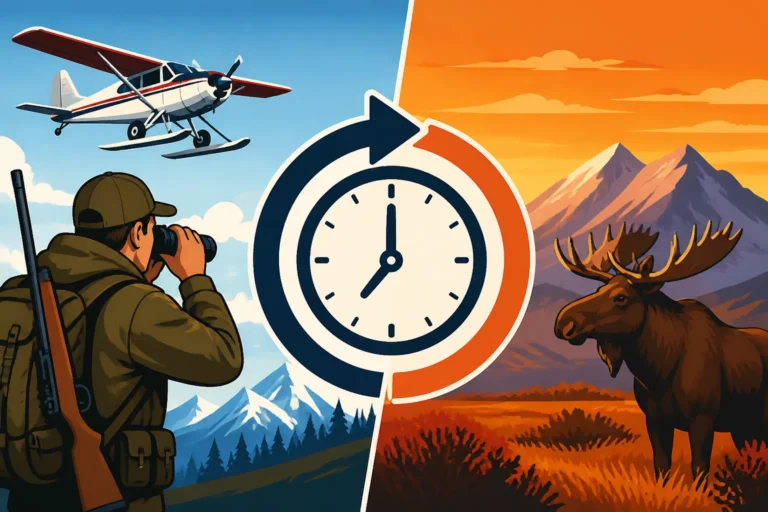
Alaska same-day-airborne hunting regulations explain when the restrictive clock resets at 3:00 AM on the following calendar day.
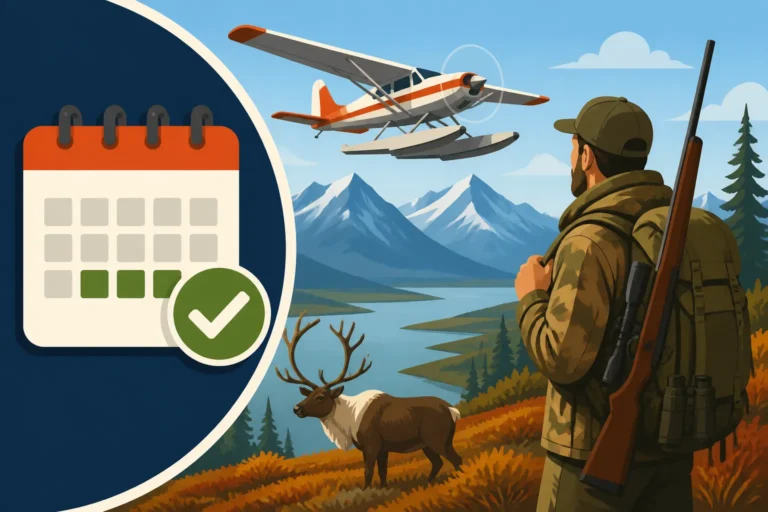
Alaskan fly-in hunting schedules require extra buffer days to handle unpredictable weather, flight delays, and camp setup time.
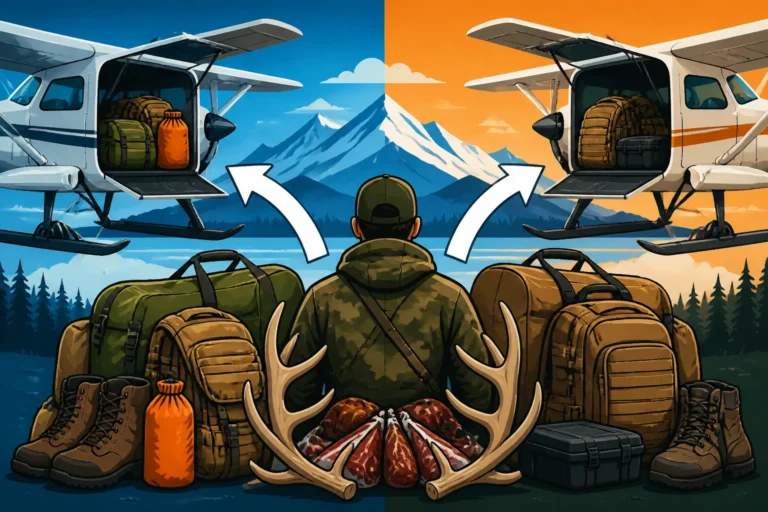
Strategies for dividing Alaskan bush hunting equipment across two air taxi loads to manage strict aircraft weight limits.
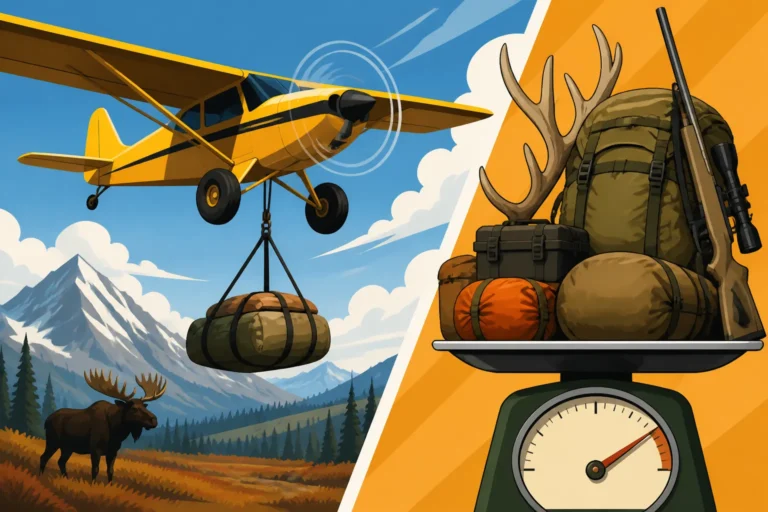
Super Cub weight limits for Alaska hunting trips determine payload capacity, maximum gross takeoff weight, and safe aircraft balance.