Cinnamon Phase Black Bears in the Interior
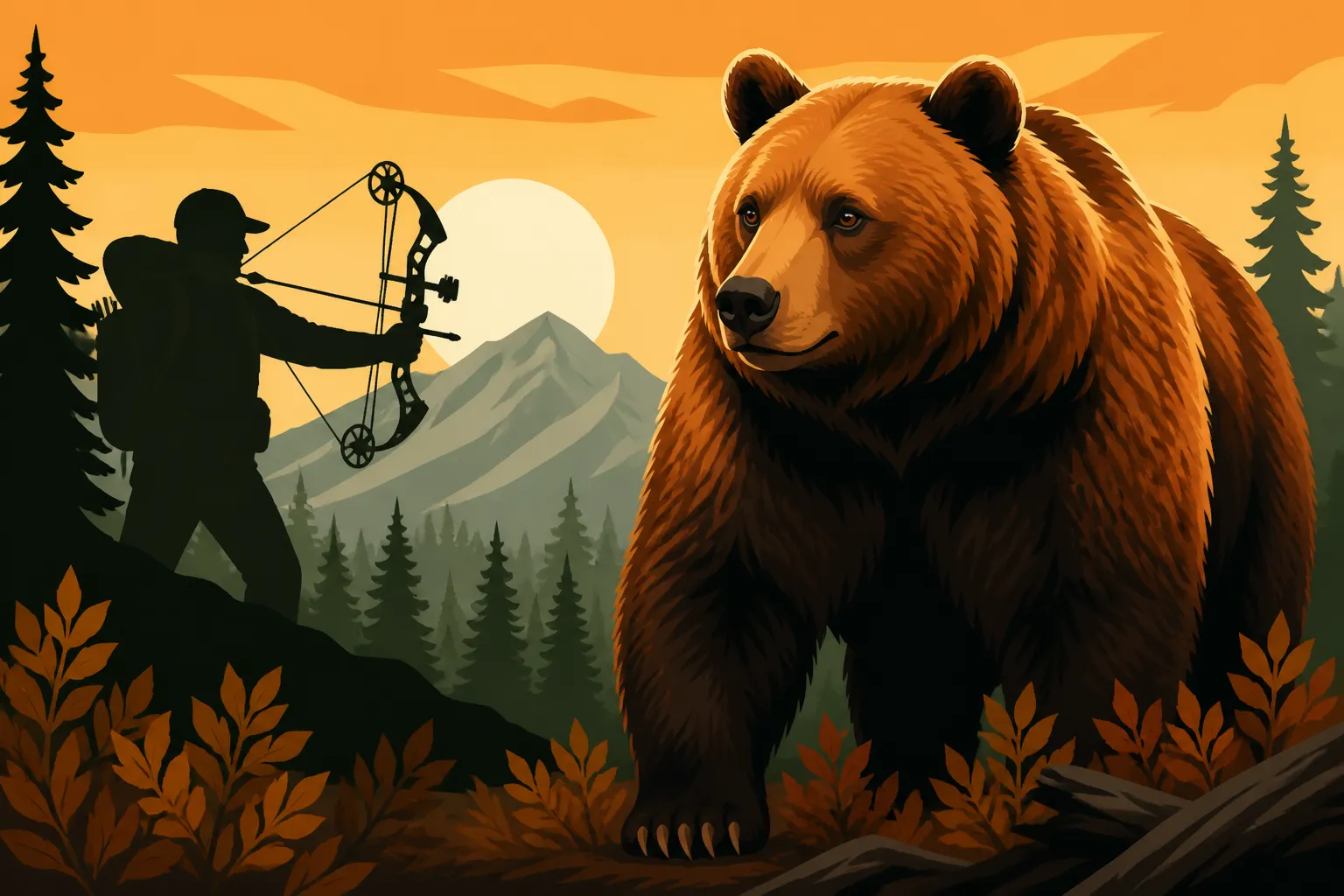
Imagine you're out in the vast, wild interior of Alaska, glassing a distant hillside, and you spot a bear. Your heart races. Is it a grizzly? A brown bear? But then, as it moves into better light, you realize its coat is a stunning, warm cinnamon color, not the jet black you might expect from a black bear. This isn't an uncommon scenario in Alaska, and it can throw even seasoned hunters for a loop. The truth is, not all black bears are black, especially in the interior. This guide will help you understand the beautiful, yet sometimes confusing, cinnamon phase black bears that roam Alaska's vast interior, and how to successfully and responsibly hunt them.
The Vibrant Spectrum: Understanding Cinnamon Phase Black Bears
When we think of black bears (scientific name: Ursus americanus), the image is usually a sleek, dark-coated animal. But in reality, black bears boast one of the widest color palettes in the animal kingdom. While true black is the most common, especially in coastal rainforests, you can find them in shades ranging from blonde to chocolate, and yes, that striking cinnamon hue. These aren't different species; they are simply genetic color variations within the same black bear population.
The cinnamon color phase comes down to genetics, a specific recessive gene that affects the pigment in their fur. Just like humans can have different hair colors, so too can bears. This genetic trait is more prevalent in certain regions, and for black bears, interior Alaska is one of those places. It's a fascinating display of nature's diversity, but it certainly adds a layer of complexity for hunters who need to make accurate identifications in the field. A black bear with a cinnamon coat will still possess all the other physical characteristics of its species – the shape of its head, the lack of a prominent shoulder hump, and its behavior will be distinctly black bear. The challenge lies in our ingrained perception that a "black bear" must, by definition, be black. This is where a hunter's careful observation skills truly come into play, especially when you're glassing a bear in varied lighting conditions, trying to decide if it's the target you're after. For more on the different shades, check out Black Bear Color Phases in Alaska.
Why Interior Alaska Favors the Cinnamon Hue
You might wonder why these lighter-colored black bears seem to pop up more frequently in Alaska's interior compared to its rain-soaked coastlines. There are a few theories, and while genetics are the primary driver, environmental factors might play a subtle role in their prevalence or distribution.
One key factor is often geographic isolation. The vastness of Alaska, with its imposing mountain ranges like the Alaska Range, and wide river systems, can create pockets of bear populations where specific genetic traits become more concentrated over generations. If a particular gene for cinnamon fur was present in a foundational group of bears in a certain interior drainage, and that group remained relatively isolated, the trait could simply become more common due to limited gene flow from other, darker-coated populations. This isn't an adaptive advantage as much as it is a natural genetic lottery playing out in isolated gene pools.
Another theory, though perhaps less impactful than genetics, considers habitat and diet. The interior of Alaska tends to be drier, with more open boreal forests, vast expanses of willow and birch, and different food sources compared to the dense, dark coniferous forests of the coast. While a dark coat provides excellent camouflage in deep shadows, a lighter, cinnamon coat might blend in surprisingly well with the browns and reds of autumn tundra or the sun-dappled golds of birch groves. Some researchers speculate that diets rich in certain vegetation, rather than coastal salmon, might subtly influence coat sheen or the expression of certain pigments, but the genetic predisposition for the color is undoubtedly the dominant force. The interior's specific ecosystems, like the Tanana Flats or the lowlands bordering the Alaska Range, are places where hunters regularly report seeing these distinctly colored black bears. Understanding these regional tendencies can be a valuable part of your pre-hunt research, especially with tools from platforms like GoHunt that help you visualize habitat types and bear distribution within specific game management units.
The Hunter's Challenge: Distinguishing Cinnamon Black Bears from Brown Bears
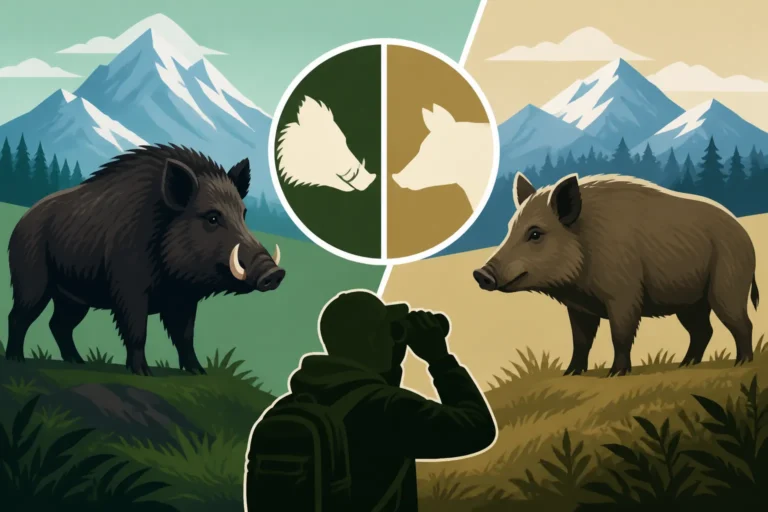
This is, without a doubt, the most critical section for any hunter pursuing black bears in Alaska's interior. A cinnamon phase black bear can, at a glance, be easily mistaken for a grizzly or a smaller brown bear, particularly if seen at a distance, in poor light, or through thick brush. Making the wrong call can lead to a serious—and costly—citation, as brown bears in Alaska often require specific drawing permits or guided hunts for non-residents, and almost always demand a different tag than a black bear. Why Alaska Bans Baiting for Brown Bears is an important distinction to remember here.
The key to avoiding this mistake lies in meticulously observing physical characteristics beyond just coat color. Here's a breakdown of the most reliable identifiers:
| Feature | Black Bear (including Cinnamon Phase) | Brown/Grizzly Bear |
|---|---|---|
| Shoulder Hump | Absent; back forms a relatively straight line | Distinct, muscular hump above the shoulders |
| Facial Profile | Straighter, more "Roman nose" profile; forehead typically higher than the muzzle | Dished or concave profile; muzzle protrudes more than the forehead |
| Ear Size | Relatively large and pointed, often appearing prominent on the head | Relatively smaller and more rounded, often appearing less prominent |
| Claws | Shorter, more curved, dark-colored; adapted for climbing trees | Longer (2-4 inches), straighter, lighter-colored; adapted for digging |
| Size | Typically smaller overall, though a large black bear can surprise | Generally larger and heavier-bodied, with bigger head |
| Forelegs | Legs appear proportioned to body size | Often appear disproportionately long relative to body |
Let's unpack these. The shoulder hump is your number one differentiator. Black bears simply don't have that prominent, muscled hump above their shoulders that defines a brown bear. Observe the profile of the bear's back; a black bear's back will appear relatively flat from the neck to the hindquarters. The facial profile is another excellent clue. Black bears have a more "dog-like" or straight profile from the forehead to the nose, whereas a brown bear will have a distinctly dished or concave profile between its eyes and the tip of its nose. Their ears are also a good indicator: black bears' ears tend to be larger and more pointed, appearing to stick up more proportionally to their head, while a brown bear's ears often look smaller and rounder.
Claw length is a surefire way to tell them apart, but it's often impossible to see at a distance. If you're close enough to see the claws, you're usually in a position to see the other features as well. As for size, this is the trickiest one. While brown bears generally grow much larger, a mature interior black bear can be quite substantial and might look similar in bulk to a young grizzly. Never rely on size alone, especially when judging a bear you can't compare to known objects. Even experienced hunters can make mistakes if they rush the identification. Utilizing high-quality optics, like a powerful spotting scope (consider Spotting Scope Power for Ram Judging), and taking your time to glass an animal thoroughly before making a move is paramount. Hunters often use GoHunt's mapping layers to quickly identify if they're in an area with a high likelihood of both species, which raises the bar for careful identification. Remember, there's no penalty for not shooting, but a heavy one for a mistaken identity. To understand the broader differences, read Brown Bear Versus Grizzly: The Same Animal.
Hunting Strategies for Interior Cinnamon Black Bears
Hunting cinnamon phase black bears in interior Alaska offers a unique and rewarding challenge. The same methods you'd employ for black-coated black bears apply, but with an even greater emphasis on identification. Before you even pack your bags, your first step must be to consult the current Alaska hunting regulations booklet. Rules, seasons, and bag limits vary dramatically by Game Management Unit (GMU), and emergency orders can change things quickly. This is where online resources, including tools that GoHunt provides, can be incredibly helpful for researching specific unit regulations, season dates, and even drawing odds if you're looking at controlled hunts. Remember, Alaska Black Bear Seasons and Bag Limits are specific and vary.
One of the most popular and effective methods for hunting black bears in the interior is baiting. This strategy is particularly effective because it brings bears into a controlled area, often allowing for prolonged observation and positive identification before a shot is taken. Setting up a legal bait station requires careful planning and adherence to strict regulations, including proper registration and setbacks from public trails. If you're considering this method, make sure you thoroughly understand Bear Baiting in Alaska: How the Registered Site System Works and what constitutes Legal Bait Materials for Alaska Black Bear. Baiting allows you to confirm the bear's species, sex, and often size, which is especially crucial when dealing with color variations.
Spot-and-stalk hunting is another exciting and productive approach, particularly in the more open landscapes of interior Alaska. This method relies heavily on good optics and patience. Hunters will spend hours glassing vast hillsides, river drainages, or old burn scars where bears feed on berries and forbs. Spring offers opportunities to find bears emerging from dens and feeding on early green-up, often on south-facing snow slides, which can make a cinnamon coat stand out against the white. For more on this, check out Spring Bear Hunting on South-Facing Snow Slides. In the fall, bears are often concentrated on berry patches, packing on calories before hibernation. Once a bear is spotted, the real work begins: planning a careful stalk to get within ethical shooting range while staying undetected. The key to success with this method for cinnamon bears, once again, comes back to taking your time to confirm every identifying characteristic.
Your gear considerations should include high-quality binoculars and a spotting scope for distant identification, along with a reliable rifle chambered for a cartridge suitable for bears, capable of a clean, ethical harvest. While black bears are not typically as robust as brown bears, they are still tough animals. After a successful harvest, remember that proper Cape Care for a Life-Size Bear Mount is essential, especially for a unique cinnamon hide. Even in the field, knowing how to turn ears and lips and begin Salting a Hide in Wet Weather can make all the difference for your trophy.
Disclaimer
This article is for general informational purposes only and does not constitute professional advice. Laws, prices and regulations vary by location and change over time. Consult a qualified professional for guidance on your specific situation.