Glacier Bears of Southeast Alaska
For any hunter or wildlife enthusiast who's spent time in the misty, verdant rainforests of Southeast Alaska, there’s a persistent whisper about a ghost-like creature: the Glacier Bear. This isn't just another black bear; it’s an elusive, uniquely colored animal that sparks fascination and often confusion. Trying to identify one in the field, or even just understand what makes it different, can be incredibly frustrating amidst the region's diverse wildlife. This comprehensive guide will pull back the veil on these magnificent bears, explaining what they are, where they live, how to spot them, and what their presence means for hunting and conservation in Alaska's wildest corners.
What Exactly is a Glacier Bear? Dispelling the Myths
When you hear "Glacier Bear," it's easy to conjure images of a distinct species, maybe one specially adapted to icy environments. But that's not quite right. The truth is often more fascinating than fiction, revealing the incredible genetic diversity within the black bear population itself. Many hunters arrive in Southeast Alaska hoping to bag a "rare" species, only to discover the nuances of this unique animal.
Not a Separate Species, But a Unique Color Phase
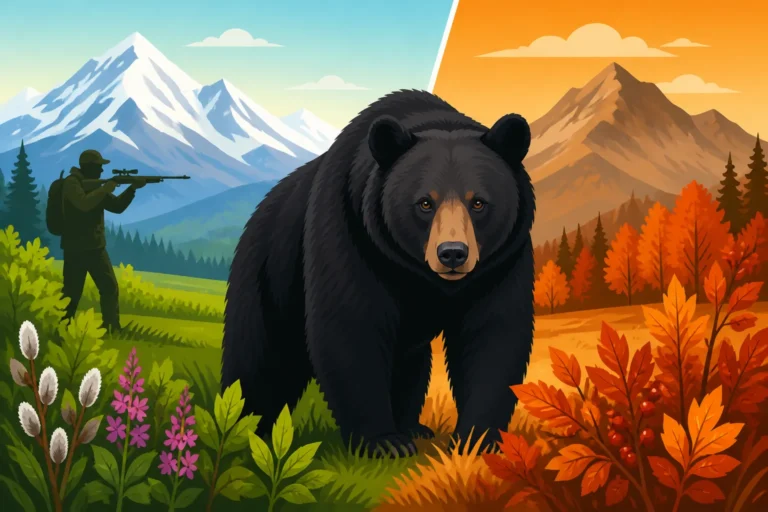
Let's clear the air right away: the Glacier Bear (scientifically known as Ursus americanus emmonsii) is not a separate species of bear, nor is it a hybrid of a black bear and a grizzly, as some old wives' tales might suggest. It is, in fact, a sub-population of the American Black Bear (Ursus americanus) that exhibits a specific, rare color variation. Think of it like a blonde human; they're still human, just with different hair pigment. This distinction is crucial for understanding their biology and how they are managed. They are legally hunted as black bears, falling under the same regulations and bag limits, which is often a surprise for newcomers who might imagine a protected, separate entity.
The Genetic Basis for Their Blue-Gray Coat
The distinctive blue-gray or silvery coat of a Glacier Bear is due to a recessive gene, a genetic trait that must be inherited from both parents to be expressed. This is why they are so rare. When a bear inherits two copies of this specific gene, its fur develops a unique dilute pigment that results in the stunning blue-gray color. The exact genetic mechanisms are still being studied, but it's understood to be an inherited trait, much like the cinnamon or blonde phases seen in other black bear populations across North America, or even the "spirit bears" (Kermode bears) of British Columbia, which are a white phase of the black bear. This genetic uniqueness is a testament to the incredible evolutionary adaptations and diversity found within the species, allowing them to produce these visually striking individuals in specific isolated populations.
Why the Rarity Adds to the Mystique
The sheer rarity of Glacier Bears is what truly elevates their mystique. Imagine spending weeks in the dense, towering old-growth forests of Southeast Alaska, listening to the drip of constant rain and the rustle of unseen wildlife. To suddenly glimpse a shimmering, silver-blue bear against the dark green backdrop is an unforgettable experience, almost like seeing a mythical creature. This infrequency means that even seasoned guides and long-time residents of the region might only encounter a few in their lifetime. For hunters, the opportunity to harvest a Glacier Bear is often a once-in-a-lifetime event, making it an exceptionally prized trophy. It’s this elusive quality that drives much of the fascination, inspiring books, documentaries, and countless conversations around Alaskan campfires. For those planning a hunt, resources like GoHunt can provide valuable data on harvest trends and population dynamics, though specific data on color phases is usually harder to come by.
Where to Find These Elusive Bears: Geographic Hotbeds
While the genetic potential for a Glacier Bear might exist in other black bear populations, their consistent presence and observed density are confined to a very specific, remote corner of the world. Understanding this geographic concentration is key to any hope of encountering one.
The Specific Range in Southeast Alaska
The primary range of the Glacier Bear is confined almost exclusively to the southeastern panhandle of Alaska, particularly within Game Management Unit 1. This includes areas around Yakutat, the Alsek River drainage, and portions of the Fairweather Mountains. While isolated sightings have been reported outside this core area, they are exceedingly rare, making the coastal mountains and dense rainforests of this region the undisputed hotbed for these bears. This area is characterized by immense glaciers, icefields, and a rugged coastline, which are thought to play a role in the historical isolation and subsequent genetic expression of this unique color phase. When planning a hunt or wildlife viewing trip, focusing on specific drainages that feed into Icy Bay or areas north of Yakutat is your best bet, though success is never guaranteed due to their rarity and the vastness of the landscape. For hunters researching the area, information on Southeast Alaska Mainland Hunting in Unit 1 might be a useful starting point.
Habitat Preferences and Terrain
Glacier Bears share the same habitat preferences as other black bears in Southeast Alaska, which means they thrive in the dense, temperate rainforests, coastal estuaries, and mountain slopes. These areas offer an abundance of food sources, from salmon in the numerous rivers and streams to berries, roots, and vegetation. The terrain is often steep, wet, and rugged, with a mix of old-growth spruce and hemlock forests giving way to alpine meadows and rocky slopes at higher elevations. This challenging environment is precisely what makes hunting or even observing these bears so demanding. They are known to frequent brushy hillsides, river bottoms, and avalanche chutes, particularly in spring and fall when food is plentiful. Navigating this terrain requires specialized gear, skills, and a healthy dose of patience, whether you’re Hunting Sitka Blacktail Deer in the Alpine Before Snow or searching for a unique bear.
Why They're Rarely Seen Outside This Region
The primary reason Glacier Bears are rarely seen outside their defined range is likely a combination of genetic isolation and geographical barriers. The towering St. Elias Mountains and vast icefields act as natural boundaries, limiting gene flow with other black bear populations. This isolation has allowed the recessive gene responsible for their blue-gray coat to become more prevalent within this specific population. Furthermore, the sheer ruggedness and remoteness of their habitat means there are fewer human encounters to begin with. The areas they inhabit are not easily accessible by roads; most access is via bush plane or boat, often involving extensive hiking or rafting. This natural barrier, combined with the low frequency of the recessive gene, makes seeing a true Glacier Bear a truly exceptional event. Even within their core range, their numbers are not high, further contributing to their elusive nature.
Identifying a Glacier Bear in the Field: What to Look For
Spotting any bear in the dense Alaskan wilderness is a challenge, but correctly identifying a Glacier Bear adds another layer of complexity. The excitement of seeing a unique color phase can easily lead to misidentification, especially for those unfamiliar with the subtle variations in bear coats.
Distinguishing Shades: Blue-Gray, Silver, or "Misty"
The hallmark of a Glacier Bear is its distinctive blue-gray or silvery coat. This isn't a dark charcoal gray, but often a shimmering, almost iridescent color that can appear light gray, silver, or even a dilute blue depending on the light conditions. Sometimes, it's described as "misty" or "smoky." What makes it tricky is that many black bears can have coats that appear lighter or faded, particularly older bears or those whose fur is sun-bleached. A key differentiator for true Glacier Bears is the uniformity of the color across the body, though some may have darker points on their legs or face. The fur often has a sleek, soft appearance. It's not a brown or cinnamon shade, and it lacks the grizzly hump and dished face that would indicate a brown bear. Pay close attention to the base of the hair; often, even if the tips are faded, the underlying fur will maintain that characteristic blue-gray hue.
Common Misidentifications: Black Bears with Different Coats
Misidentifying a Glacier Bear is incredibly common, even for experienced hunters. The most frequent culprits are other color phases of black bears, which are far more common across Alaska. Black bears can range from jet black to dark brown, cinnamon, and even blonde. A dark brown bear in certain lighting might appear grayish, especially from a distance or in low light. Conversely, a black bear with old, sun-bleached fur can develop a lighter, almost grayish cast. This is why patience and careful observation are crucial. Take your time, use good optics (a high-quality spotting scope can be invaluable), and look for consistency in color. Remember, Black Bear Color Phases in Alaska are incredibly diverse, and the Glacier Bear is just one, albeit stunning, example. A brown bear is another common misidentification, but the absence of a shoulder hump and a long, straight snout on a black bear (regardless of color) should help differentiate it.
Importance of Lighting and Distance
Lighting conditions and distance are absolute game-changers when trying to identify a Glacier Bear. What looks like a stunning silver-blue bear across a valley in bright midday sun might just be a standard black bear when you close the distance or if the clouds roll in. Overcast days, common in Southeast Alaska, can mute colors and make accurate identification even harder. Bears often appear lighter when backlit or in direct sunlight, and darker in shadows or dense timber. Always try to observe the bear for an extended period, if possible, allowing it to move into different lighting and angles. If you’re hunting, waiting for the bear to present a clear, broadside view in good light is not only good ethical practice but also essential for accurate identification and making a clean shot. For detailed mapping and aerial imagery that can help assess terrain and plan observation points, tools like GoHunt can be exceptionally useful, allowing you to study the landscape before you even step foot in the field.
| Feature | Glacier Bear (Black Bear) | Common Black Bear (Black Phase) | Cinnamon/Brown Black Bear | Interior Grizzly/Brown Bear |
|---|---|---|---|---|
| Color | Blue-gray, silver, "misty" | Jet black, dark brown | Light brown, reddish-brown, blonde | Varies widely, often grizzled brown, blonde, or darker |
| Coat Texture | Often sleek, soft, uniform dilution | Glossy to dull, uniform dark color | Varies | Shaggy, often with guard hairs giving grizzled look |
| Distinctive Features | No shoulder hump, straight face profile | No shoulder hump, straight face profile | No shoulder hump, straight face profile | Pronounced shoulder hump, dished face, small ears |
| Claws | Shorter, more curved (for climbing) | Shorter, more curved | Shorter, more curved | Longer, straighter (for digging) |
| Range | Predominantly Southeast Alaska | Widespread across North America | Widespread in Western North America | Widespread in mountainous and interior Alaska |
| Rarity | Extremely rare color phase | Very common | Common in certain regions | Common in their range, but more regulated |
Hunting Considerations for Glacier Bears: Rarity and Regulations
For many hunters, the ultimate dream is to harvest a Glacier Bear. The challenge, rarity, and unique trophy make it highly desirable. However, pursuing these bears comes with specific ethical and regulatory considerations that every hunter must understand.
Hunting Legality and Management
As Glacier Bears are merely a color phase of the American Black Bear, they are managed under the same hunting regulations as other black bears. This means that if you have a valid Alaska black bear tag for the correct Game Management Unit, you can legally harvest a Glacier Bear, provided all other regulations are followed. There are no special permits or seasons for Glacier Bears specifically. This can be a point of confusion, as their rarity might suggest extra protection, but from a biological and management standpoint, they are part of the larger black bear population. The Alaska Department of Fish and Game (ADF&G) focuses on overall black bear population health. Hunters should always consult the current Alaska hunting regulations booklet for specific season dates, bag limits, and any special provisions for their chosen unit, as these can change annually. Understanding Alaska Black Bear Seasons and Bag Limits is paramount before planning any hunt.
The Ethical Dilemma of Pursuing a Rare Color Phase
While legally permissible, the pursuit of a Glacier Bear does raise ethical questions for some hunters. Is it right to target an animal simply for its rare color? For many, the answer lies in the sustainable management of the overall black bear population. If black bear populations are healthy and harvest quotas are met without impacting long-term viability, then a Glacier Bear harvest is not inherently more detrimental than harvesting any other black bear. However, ethical hunters will approach such a pursuit with respect and appreciation for its unique nature, ensuring a clean kill and full utilization of the animal. It's a personal decision, but one that should be made with a full understanding of the animal's biology and its place within the ecosystem. Remember that Bear Safety While Butchering a Kill in Alaska is always important, especially in remote areas where other bears might be attracted to the scent.
Tips for Hunters in Glacier Bear Country
Hunting in Glacier Bear country is, by nature, a challenging endeavor due to the remote, rugged, and often wet terrain of Southeast Alaska. If you’re targeting this region, prepare for a true wilderness experience. Expect heavy rain, dense forests, and steep climbs. Focus your scouting efforts on areas known for black bear activity within the Glacier Bear's core range, such as salmon streams, berry patches, and recent clearings. Patience is key, as is good optics for discerning color. Many hunters choose to go with experienced guides who understand the local bear movements and have spent years in these areas. Being physically prepared for Backpack Hunting in Alaska: Gear Weight and Meat Loads is critical. Ensure your gear can withstand constant moisture, including reliable rain gear and appropriate footwear. For example, Game Bags That Breathe in Coastal Rain are essential for preserving meat in the humid environment. Researching historical harvest data, even if not specific to color phases, can provide insights into bear density, and GoHunt offers various tools for data analysis and hunt planning.
Conservation Status and Future Outlook
Understanding the conservation status of Glacier Bears is crucial for appreciating their place in Alaska's wilderness. While not a distinct species, their unique genetic trait makes them a subject of interest for both wildlife managers and the public.
Population Estimates and Research Efforts
Because Glacier Bears are a color phase of the black bear and not a separate species, specific population estimates for only Glacier Bears are not typically maintained by wildlife agencies. Instead, they are included in the overall black bear population assessments for their range in Southeast Alaska. Researchers and wildlife biologists monitor general black bear health, density, and harvest rates. ADF&G uses various methods, including aerial surveys, hair snare studies, and harvest reporting data, to gauge population trends. Anecdotal evidence from guides and hunters often provides the most direct insights into Glacier Bear sightings, but these are not scientifically rigorous. Continued research into the genetic markers responsible for the blue-gray coat could eventually allow for more precise estimates of the prevalence of this trait within the black bear population. This information, combined with robust Alaska Harvest Report Deadline After the Hunt compliance, helps paint a clearer picture of the overall health of bear populations.
Threats to Their Unique Habitat
The primary threats to Glacier Bears are the same as those facing all black bears in Southeast Alaska: habitat loss and fragmentation. While vast portions of their range remain pristine, logging activities, mining exploration, and human development can impact critical bear habitat, including denning sites, feeding areas (like salmon streams and berry patches), and travel corridors. Climate change is another long-term concern, as it could alter salmon runs, berry production, and overall forest health, potentially impacting the food sources and cover available to bears. Given the Glacier Bear's limited geographic range, any significant habitat disturbance within this specific area could disproportionately affect the prevalence of this unique color phase. Therefore, efforts to conserve the overall health of the Southeast Alaska ecosystem directly benefit Glacier Bears, ensuring the continued existence of their rare beauty. Maintaining healthy populations of game animals also relies on following Alaska Hunter Education Card Requirements to ensure responsible hunting practices.
How Hunters Contribute to Bear Management
Hunters play a significant role in the conservation and management of black bears, including Glacier Bears, in Alaska. Through the purchase of hunting licenses and tags, hunters contribute millions of dollars annually to conservation funding, which supports wildlife research, habitat improvement, and management programs conducted by ADF&G. Furthermore, harvest reports submitted by hunters provide crucial data to biologists, helping them monitor populations, assess health, and make informed decisions about future hunting seasons and bag limits. Ethical hunting practices, such as adhering to regulations, reporting harvests accurately, and respecting the land, are all vital components of sustainable wildlife management. When hunters target black bears, they are participating in a system designed to maintain healthy populations for future generations, ensuring that unique animals like the Glacier Bear continue to roam the wild, remote reaches of Southeast Alaska.
Disclaimer
This guide is for informational purposes only and does not constitute legal advice. Hunting regulations in Alaska are complex and subject to change. Always consult the most current Alaska Department of Fish and Game regulations, secure all necessary licenses and tags, and consider hiring a licensed guide or transporter for any remote hunting expedition. Your safety and adherence to all laws are your responsibility.