Why Kodiak Deer Are Not Native
It’s easy to assume that all the wildlife you encounter in Alaska has been here since time immemorial, a pristine part of the Last Frontier. But sometimes, even in the wild heart of Alaska, there’s a story of human intervention that reshapes the landscape. For hunters heading to Kodiak Island, or even those just dreaming of a trip, it might come as a surprise to learn that the robust Sitka blacktail deer populations they pursue aren’t actually native to the island at all. This guide will take a deep dive into the fascinating history of how these deer arrived on Kodiak, their journey to thriving on this rugged island, and what it means for the ecosystem and hunters today.
The Journey of Sitka Blacktail Deer to Kodiak Island
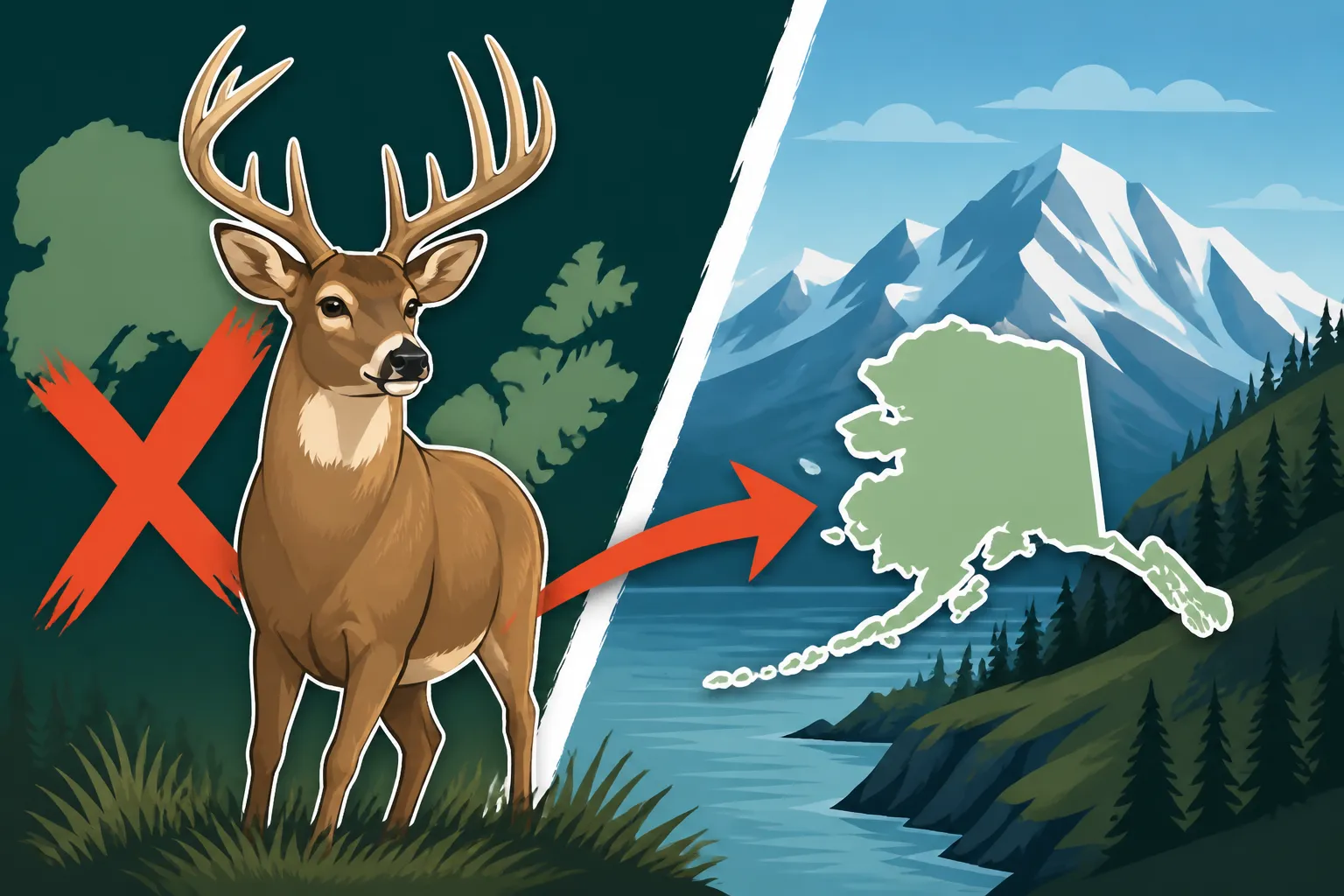
The idea of deer on Kodiak Island can conjure images of ancient migrations or indigenous populations that have always called this place home. But the truth is, the Sitka blacktail deer found bounding through the island's alder thickets and along its coastal beaches are a testament to human intention and ecological adaptation. They are not native to the Kodiak Archipelago, which includes Kodiak, Afognak, and neighboring islands. Their arrival was a deliberate act, initiated more than a century ago, driven by the desire to establish a new game species in an area perceived as having an abundance of suitable habitat but a scarcity of certain game animals for settlers.
Early Introductions and Initial Success
The first known introduction of Sitka blacktail deer (Odocoileus hemionus sitkensis) to Kodiak Island took place in 1924. This wasn't a casual event; it was a planned effort by local residents and authorities to enhance the island's wildlife diversity and provide a readily accessible food source for the growing communities. The deer were sourced from their native range in Southeast Alaska, specifically from Prince of Wales Island, where they had thrived for centuries. Imagine the logistical challenges of transporting live deer across hundreds of miles of open ocean in the early 20th century! It speaks to the determination of those involved. Initial releases were relatively small, with a handful of animals carefully chosen and then set free into what was hoped would be fertile new ground.
The first years post-introduction were crucial. Would the deer survive the unfamiliar environment, the predators, and the harsh Kodiak winters? Fortunately for the deer, Kodiak Island offered a unique blend of dense forest cover, abundant forage, and a relatively mild, coastal climate compared to much of Interior Alaska. This environment, while different from their ancestral home, proved surprisingly hospitable. The population began to establish itself, reproducing and slowly expanding its range across the island. The growth wasn't explosive right away, but it was consistent, laying the groundwork for what would become one of North America's premier deer hunting destinations.
The Great Relocation Effort
While the 1924 introduction was significant, it was not the only one. Further translocations occurred, including a more substantial effort in 1934 to release additional deer from Southeast Alaska onto Kodiak. These subsequent introductions helped bolster the genetic diversity of the fledgling population and accelerated their spread. The thinking was, the more deer, the better the chances of a self-sustaining herd. This wasn't just about a few animals; it was a commitment to creating a new hunting resource. The deer were quick to colonize areas previously devoid of large browsing ungulates, feasting on the lush vegetation that Kodiak's temperate rainforest climate provided.
Over the decades, the deer population grew, fluctuating with winter severity and available forage. Their success story on Kodiak is often cited as a prime example of a successful wildlife introduction, though it also sparked discussions about the potential ecological consequences of introducing non-native species. For many hunters, myself included, the thought of pursuing deer on Kodiak feels incredibly Alaskan, but understanding this history adds another layer to the narrative. When you're out there glassing the mountainsides or pushing through the alders, you're observing a success story that started with human hands.
Ecological Impact of a Non-Native Species on Kodiak
Introducing any species into a new ecosystem, even with the best intentions, inevitably creates ripples that spread throughout the environment. For Sitka blacktail deer on Kodiak Island, their arrival and subsequent population boom brought about significant changes, both visible and subtle, to the island's delicate ecological balance. It's a complex picture, one that illustrates the interconnectedness of all living things within a habitat.
Changes to Kodiak's Flora and Fauna
Initially, Kodiak's native vegetation was unprepared for the browsing pressure of a rapidly expanding deer herd. The island's forests and meadows, accustomed to grazing from smaller mammals and the occasional visit from a Kodiak bear, suddenly faced a new herbivore with a hearty appetite. Deer browse on a wide variety of plants, including shrubs, forbs, and young trees. Over time, this intense browsing pressure led to noticeable changes in the plant community composition. Certain preferred forage species might have become less common in easily accessible areas, while less palatable plants could have increased. This isn't necessarily a "bad" thing, but it's a fundamental alteration to the historical plant dynamics.
Furthermore, the introduction of deer also added a new prey species to the existing food web. Kodiak Island is, of course, famous for its incredible brown bears, which are apex predators. While bears primarily feed on salmon, berries, and carrion, a healthy deer population provided another food source, particularly for opportunistic bears. The impact on smaller predators like foxes or eagles, which might have previously relied on other small game, also likely shifted as a new food source became available. It's a chain reaction; pull one string, and others move. This is why when you're considering a hunt, sites like GoHunt can be invaluable for studying historical game populations and understanding how species interactions play out over time.
Population Cycles and Winter Severity
The deer population on Kodiak, like many ungulate populations, is not static. It experiences boom and bust cycles, heavily influenced by the severity of winter weather. During mild winters, deer populations can soar, as more fawns survive, and adults remain in prime condition. However, a particularly harsh winter with deep, persistent snow can be devastating. Deep snow makes foraging incredibly difficult, burying vital food sources and forcing deer to expend more energy to move. This often leads to significant winter kill events, where large numbers of deer succumb to starvation or become more vulnerable to predation.
These population crashes, while appearing dramatic, are a natural regulatory mechanism. They ensure that the deer population doesn't permanently overgraze its habitat, allowing the vegetation to recover. Understanding these cycles is crucial for wildlife managers and hunters alike. A hunter planning a trip needs to be aware that the deer numbers can vary significantly year to year depending on recent winter conditions. For instance, after a severe winter, the bag limits might be adjusted, or hunters might find fewer deer than anticipated. It highlights the importance of checking current regulations and population assessments, which often reveal the impact of the most recent winter.
| Year of Introduction | Source Location | Primary Motivation | Initial Ecological Observation |
|---|---|---|---|
| 1924 | Prince of Wales Island | Game meat source for settlers | Deer began establishing small populations |
| 1934 | Southeast Alaska | Bolster existing population | Accelerated spread and increased genetic diversity |
| Post-WWII | Continual population growth | Increased hunting opportunities | Visible changes in vegetation, new prey for bears |
| Present Day | Self-sustaining | Managed game species | Population fluctuates with winter severity, popular hunting draw |
Management and Hunting of Kodiak Deer Today
The Sitka blacktail deer on Kodiak Island are now a well-established and highly valued game species. Their presence has not only enriched the island's biodiversity in a unique way but has also created significant recreational and economic opportunities through hunting. Managing this non-native but thriving population requires careful consideration, balancing hunter demand with ecological sustainability.
Alaska Department of Fish and Game's Role
The Alaska Department of Fish and Game (ADF&G) plays a critical role in managing the Kodiak deer population. Their goal is to maintain a healthy, sustainable deer herd while providing ample hunting opportunities. This involves a suite of activities, including population surveys, habitat assessments, and the setting of hunting regulations. Biologists conduct aerial surveys, track harvest data from hunters, and monitor environmental factors like snow depth to estimate deer numbers and assess their health. This scientific approach helps ensure that hunting pressure doesn't jeopardize the long-term viability of the herd.
Regulations for deer hunting on Kodiak can vary depending on population trends and specific management goals. These regulations often include bag limits, season dates, and sometimes even specific weapon restrictions in certain areas. For example, hunters might see a higher bag limit after a series of mild winters that allowed the population to grow significantly, or a reduced limit following a harsh winter that caused a substantial die-off. Understanding these nuances is crucial for any hunter planning a trip to the island. Checking the current regulations is always the first step. You can often find detailed information on units like Unit 8 and the Kodiak Archipelago, which are renowned for deer hunting.
Kodiak as a Premier Deer Hunting Destination
Despite their non-native status, Kodiak Island has become synonymous with Sitka blacktail deer hunting. The combination of dense deer populations, ruggedly beautiful landscapes, and the challenge of hunting in varied terrain draws hunters from all over the world. Many hunters seek out a true wilderness experience, and Kodiak delivers with its expansive public lands and remote hunting opportunities. Whether you're hunting Sitka blacktail deer in the alpine before snow falls, or trying your hand at Deer Drives Versus Still Hunting in Southeast Alaska Timber (though Kodiak methods might vary), it's an experience that tests your resolve and rewards your efforts.
The popularity of Kodiak deer hunting also means significant economic benefits for local communities, from air taxi services and gear outfitters to hotels and restaurants. Hunters often utilize services like bush planes or boats to access remote areas of the island, further contributing to the local economy. For those planning a trip, researching Kodiak Island Road System Deer Hunting can offer more accessible options, while others might prefer to explore the more remote areas by boat. There's a wide range of experiences available, catering to different fitness levels and budgets.
What This Means for Hunters
For the modern hunter, the fact that Kodiak deer are not native doesn't diminish the quality or ethical considerations of the hunt. These deer are wild animals, thriving in an environment they have now called home for generations. Their management is integrated into the broader conservation framework of Alaska, ensuring sustainable populations. Hunters play a vital role in this management, as their harvest contributes to population control, particularly in areas where deer numbers might otherwise exceed the habitat's carrying capacity. This helps prevent overgrazing and keeps the herd healthy.
When planning your hunt, understanding the history and current management of Kodiak deer can only enhance your experience. It provides context for the regulations, the population dynamics you might observe, and the ecological role these deer now play. Whether you’re interested in Deer Tags on Kodiak and What They Cost or simply want to know When Any Deer Becomes Legal on Kodiak, doing your homework upfront will pay dividends. Platforms like GoHunt are great for researching hunt statistics and historical harvest data, giving you an edge in planning. It’s a hunt that carries a fascinating story, one of human influence, remarkable adaptation, and enduring wilderness appeal.
Challenges and Future of Kodiak Deer
While the Sitka blacktail deer on Kodiak have largely been a success story in terms of establishing a huntable population, their journey hasn't been without its challenges, and their future continues to require careful monitoring and management. Understanding these aspects provides a more complete picture of what it means to have a non-native species thriving in an Alaskan ecosystem.
Managing a Dynamic Population
The dynamic nature of Sitka blacktail deer populations is one of the primary challenges for management on Kodiak. As we discussed, these herds are highly susceptible to harsh winter conditions. A series of mild winters can lead to a population explosion, where deer numbers grow rapidly, potentially leading to over-browsing of their habitat. When the deer population density becomes too high, they can consume preferred food sources faster than they can regenerate, weakening the herd as a whole and making them more vulnerable when a severe winter inevitably arrives. Conversely, a few brutal winters in a row can decimate the population, leading to very low deer numbers for several years. This is why Sitka Blacktail Deer Population Cycles in Alaska are so critical to study and understand for hunters and biologists alike.
ADF&G biologists work to anticipate these fluctuations and adjust hunting regulations accordingly. This might mean increasing bag limits when the population is robust to help prevent overpopulation, or significantly reducing them after a severe winter to allow the herd to recover. Hunters often express frustration after a low population year, but these decisions are made with the long-term health of the resource in mind. It's a constant dance between natural cycles and human intervention, with the goal of ensuring future generations can continue to experience Hunting Sitka Blacktail Deer in the Alpine Before Snow.
Hunter's Role in Conservation
Hunters are arguably the most crucial component in the ongoing management of the Kodiak deer. By participating in regulated hunting, they become direct stakeholders in the health of the population. Their license and tag fees directly fund wildlife research and habitat management efforts. More importantly, hunters provide valuable data through harvest reports, which are essential for biologists to track population trends, sex ratios, and overall health. Skipping your harvest report after a successful hunt, whether for Deer Tags on Kodiak and What They Cost or a basic harvest ticket, is a missed opportunity to contribute vital information.
Furthermore, ethical hunting practices contribute to a healthy herd. Taking only legal animals, respecting bag limits, and ensuring efficient harvest all play a part. Hunters also act as citizen scientists, often being the first to observe changes in deer behavior, habitat conditions, or the presence of disease, which they can then report to ADF&G. This collaborative effort between hunters and wildlife managers is fundamental to the continued success of the Kodiak deer population, allowing this introduced species to continue to flourish responsibly within its adopted home. Understanding Blacktail Deer Numbers After Deep Snow is critical, and hunters are on the front lines of seeing those impacts.
Disclaimer
This article is for general informational purposes only and does not constitute professional advice. Laws, prices and regulations vary by location and change over time. Consult a qualified professional for guidance on your specific situation.