Muskox Herd Structure and Rutting Bulls
Hunting muskox in Alaska is an experience unlike any other, presenting unique challenges that can frustrate even seasoned hunters, especially when trying to understand the complex social structure and aggressive behaviors of bulls during the rut. This guide aims to demystify the fascinating world of muskox herd dynamics and the intense rutting season, providing you with detailed insights to better prepare for a successful and ethical hunt in Alaska's formidable wild.
Understanding Muskox Social Dynamics
Muskox are incredible survivors, perfectly adapted to the harsh Arctic environment, and their social structure plays a huge role in their success. Unlike some other ungulates that disperse widely, muskox tend to stick together, forming cohesive herds that offer protection against predators and the elements. Deciphering these social cues is crucial for hunters aiming to target specific animals, like a legal bull, without disrupting the herd's overall health.
The Core Herd Unit
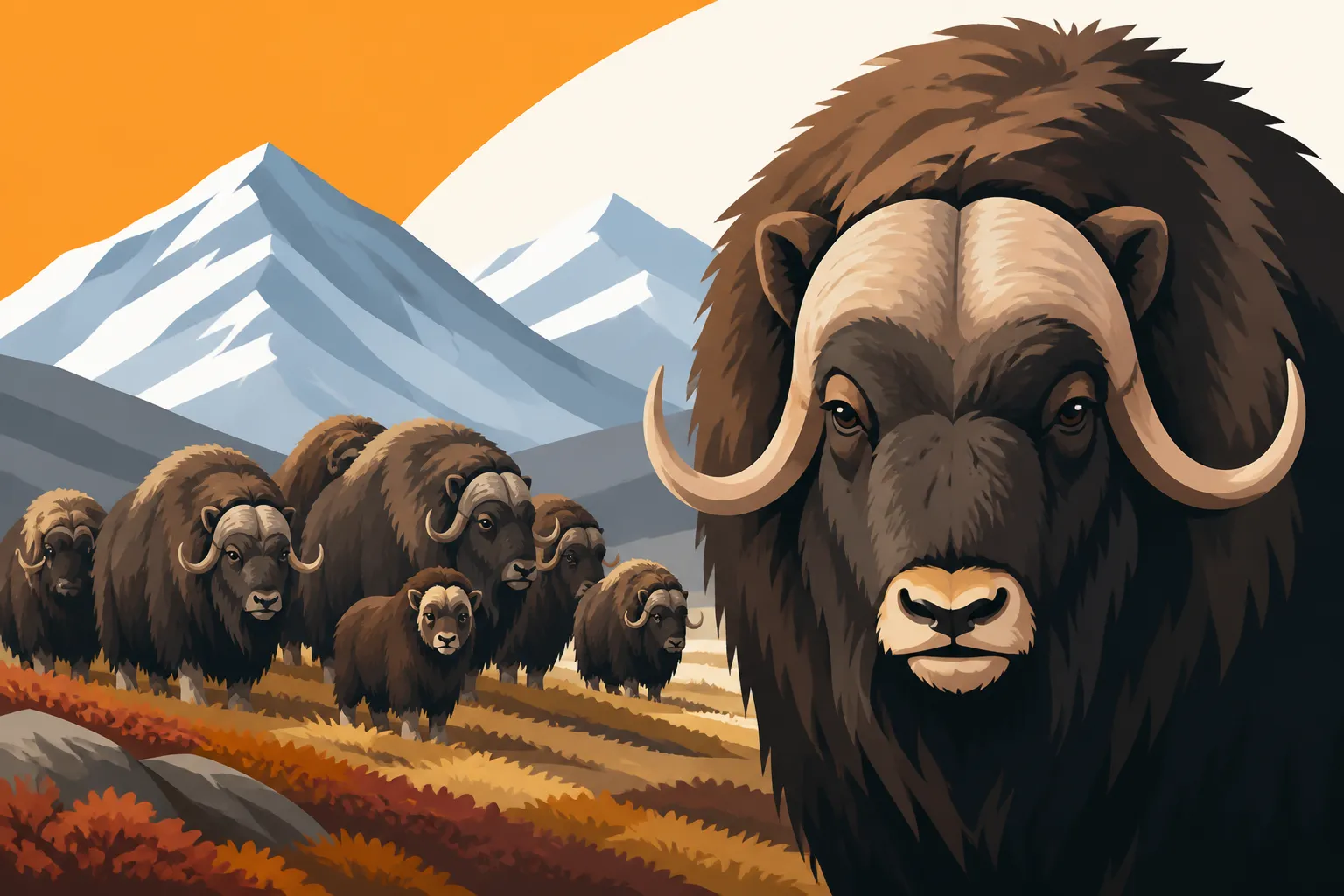
Muskox typically live in herds that can range from a few individuals to dozens, though smaller groups are more common in less densely populated areas. These herds are usually composed of cows, calves, yearlings, and subadult bulls, often led by an older, experienced cow. This matriarchal influence helps guide the herd to prime foraging grounds and dictates movement patterns, which are vital for survival in environments with limited resources. Understanding this basic composition helps hunters recognize the 'non-target' animals and locate the areas where larger, more solitary bulls might be found before or during the rut. You might observe a small group of cows and calves and wonder where the big bulls are, only to realize they often keep a respectable distance until the breeding season truly kicks off.
These herd units provide a strong defense mechanism; when threatened, muskox form a defensive circle, presenting a wall of horns to predators like wolves or bears. While this is effective against natural threats, it presents a unique challenge for hunters who need to isolate a target animal. You'll often see them feeding in open tundra, making long-distance glassing a primary tactic. For those interested in the history of these resilient animals, you can explore the topic of Muskox in Alaska: Nunivak, Nelson and the North Slope, which delves into where these magnificent creatures thrive across the state.
Dominance Hierarchies and Bachelor Groups
Within the herds, and especially among the bulls, a clear dominance hierarchy exists. Older, stronger bulls will typically assert their authority, gaining preferential access to grazing areas and, critically, breeding opportunities. Outside the main breeding herds, especially outside of the rut, it's common to find bachelor groups of younger or less dominant bulls. These groups might consist of two to five animals and often roam slightly more widely than the mixed herds, sometimes exploring new territories. These bachelor groups are often the first place hunters look for legal bulls, as they are less protected by the main herd's defensive formation.
As the rut approaches, these hierarchies become even more pronounced. The largest, most mature bulls, often sporting impressive bosses and horn development, begin to challenge each other more frequently. Younger, less experienced bulls will often hang around the periphery of the main cow groups, hoping to sneak a breeding opportunity when the dominant bull is distracted or resting. Observing these subtle dynamics is key to understanding How Muskox Bulls Fight in the Rut, as their clashes are truly something to behold. Hunters using tools like GoHunt's drawing odds and application system can leverage this knowledge to better plan for hunts that might target these specific bull behaviors during different parts of the season.
The Intensifying Alaskan Rut
The muskox rut in Alaska is an incredible spectacle, a period of intense competition and aggression driven by the biological imperative to breed. If you've ever tried to hunt other species during their rut, you know how dramatically animal behavior can shift, and muskox are no exception. Understanding these changes is critical for both safety and success in the field.
Seasonal Triggers and Timing
Muskox rut typically occurs in late summer and early fall, roughly from mid-August through September, though exact timing can vary slightly depending on latitude and specific environmental conditions. This period is cued by a combination of factors, including decreasing daylight hours and a shift in the bulls' hormonal balance. Before the rut truly kicks in, you'll notice a gradual increase in sparring and testing among bulls. The intensity builds until peak rut, when dominant bulls are actively seeking and defending receptive cows. This timing is important for hunters because it dictates the behavioral patterns you'll encounter.
During the pre-rut, bulls might still be somewhat tolerant of each other, but as the rut intensifies, any challenger is met with aggression. This period also coincides with Alaska Muskox Fall and Winter Hunt Periods, making understanding these seasonal triggers vital for planning your hunt. The change in the animal's physiological state, driven by hormonal shifts, makes them more visible, but also potentially more dangerous and certainly more single-minded in their pursuit of breeding opportunities.
Hormonal Surges and Behavioral Changes
The hormonal surge in rutting bulls is profound, transforming their behavior. Testosterone levels skyrocket, leading to increased aggression, territoriality, and a marked decrease in their interest in feeding. Bulls will often stop grazing for extended periods, focusing entirely on challenging rivals and guarding cows. This is where you'll see the full display of their power and vocalizations. They emit low grunts and roars, engage in impressive head-on charges, and the sound of two massive bosses colliding can echo across the tundra for miles. These physical battles are not just for show; they're serious contests that can result in injury or even death, though severe injuries are relatively rare compared to the number of encounters.
This shift in priorities also means they can be less wary of human presence, especially when engrossed in a challenge or herding cows. While this might seem advantageous for hunters, it also demands heightened situational awareness. A distracted, hormone-fueled bull can be unpredictable. Knowing these behavioral changes helps hunters anticipate movements and reactions. This insight can be crucial for safely applying strategies like those outlined in Approaching Aggressive Bulls Safely, which discusses how to manage these powerful animals in the field.
Identifying Rutting Bulls in the Field
Distinguishing a legal rutting bull from other muskox can be a real challenge, especially when they're all looking quite robust and impressive. The regulations vary, but often involve specific horn measurements, which are nearly impossible to gauge accurately from a distance. Therefore, hunters rely heavily on visual cues and behavioral patterns to make informed decisions.
Visual Cues and Physical Condition
Rutting bulls often exhibit specific visual characteristics that set them apart. Firstly, their overall body mass and musculature tend to be more pronounced, especially around the neck and shoulders, due to sparring and constant challenging. Their coats might appear more disheveled from rubbing against terrain or other bulls. The most defining feature, however, is the condition and size of their horns. Legal bulls typically have fully developed bosses—the thick, bony plates on the top of their skulls where their horns meet—which can be a key identifier. These bosses can sometimes be scarred or chipped from intense head-to-head collisions.
Furthermore, rutting bulls often have a distinct odor, which is particularly noticeable on closer approach. Their urine might stain their belly fur, giving it a yellowish tint. Their eyes, often bloodshot from exertion and lack of rest, reflect their single-minded focus. It’s also worth noting that older, dominant bulls may show signs of wear and tear, such as slightly broomed horn tips or old scars, which can differentiate them from younger, more pristine-looking animals. Paying close attention to these subtle details, sometimes with the aid of a good spotting scope, is paramount for making the right call in the field. Resources like GoHunt can provide detailed unit-specific information, including antler or horn regulations that are essential for accurate field judging.
Behavior Patterns of Dominant Bulls
Beyond physical appearance, the behavior of a dominant rutting bull is a dead giveaway. These bulls will actively guard a group of cows, often driving off smaller bulls or even challenging other dominant bulls that approach too closely. They'll perform elaborate "display walks," where they arch their necks, lower their heads, and slowly walk parallel to a rival, showcasing their size and strength. The ground-pawing, head-swinging, and vocalizations are all part of this impressive display.
A tell-tale sign is when a bull actively chases off a younger rival or prevents a cow from leaving the group. They are essentially 'herding' their harem. You might see them repeatedly charge, stop, and then rub their preorbital glands on their legs, releasing scent signals. These behaviors consume a vast amount of energy, and dominant bulls will often be seen resting, though always alert, within sight of their cows. Understanding these intricate behaviors, especially the fierce competition involved, gives hunters a strategic edge in finding and identifying a target animal. It’s about more than just seeing a large bull; it’s about understanding his role in the herd at that specific, intense time of year.
Strategies for Hunting Rutting Muskox
Hunting muskox, especially during the rut, demands a blend of patience, physical endurance, and a deep respect for these powerful animals. The arctic environment itself is a challenge, and adding the unpredictable nature of rutting bulls means hunters need well-thought-out strategies.
Approaching Aggressive Bulls Safely
When a bull is in the throes of the rut, he's less concerned with his surroundings and more focused on defending his territory and cows. This can sometimes make him seem oblivious to your presence, but never mistake this for complacency. A rutting bull can be extremely aggressive and dangerous, capable of charging with little warning if he feels threatened. The primary approach strategy involves long-range glassing to identify your target, followed by a meticulous stalk that uses terrain features for cover. Wind direction is paramount, as their sense of smell is keen.
Always maintain a respectful distance and have an escape route or cover planned. If a bull starts to display aggressive behavior – head lowered, pawing the ground, snorting – it's a clear warning. Freezing and standing your ground, making yourself appear larger, might sometimes de-escalate the situation, but retreating slowly and cautiously is often the safer choice. Never corner a bull, and always be aware of the entire herd, as other animals might react to your presence. Remember, these are wild animals with formidable defensive capabilities, and their behavior can be truly intense during the rut, as detailed in How Muskox Bulls Fight in the Rut.
Shot Placement and Ethical Recovery in Remote Terrain
Muskox are incredibly robust animals, built to withstand the harshest conditions, which means they are tough to bring down. Proper shot placement is critical for an ethical, quick kill and to prevent a wounded animal from escaping into difficult terrain. The primary target area is the lung-heart region, just behind the shoulder. Due to their thick hide, dense bone structure, and the insulating qiviut and guard hairs, using a powerful, accurate rifle and well-constructed bullets is essential. Aiming for the shoulder blade directly can sometimes be effective but risks hitting heavy bone.
The unique challenge of muskox country is that it's often remote and unforgiving. If a bull runs after the shot, tracking can be difficult, especially if weather conditions change rapidly or darkness sets in. Always be prepared for a recovery that might involve significant effort over uneven, frozen, or muddy ground. This might mean Packing Out Meat in Alaska: The Salvage Law Hunters Must Follow, which is paramount for all species. Having a strong headlamp, flagging tape, and a clear mental picture of the last known location are crucial. Because of the limited vegetation, sometimes a downed animal can be spotted relatively easily, but the terrain itself often makes reaching it a physical ordeal.
Navigating Muskox Habitat and Challenges
Hunting muskox means immersing yourself in some of the most remote and challenging environments Alaska has to offer. It's not just about finding the animals; it's about surviving and thriving in their world.
Preferred Terrains and Seasonal Movements
Muskox are creatures of the open tundra and Arctic plains. They prefer rolling hills, river valleys, and coastal areas where there's sufficient forage like willows, sedges, and grasses. You'll rarely find them in dense timber, as their heavy build and defensive tactics are ill-suited for thick forests. During the rut, bulls will typically be found in close proximity to cow groups, which generally remain in these favored open habitats. Their movements are often dictated by forage availability and predator presence, but during the rut, breeding takes precedence.
In areas like Nunivak Island or the Seward Peninsula, muskox roam vast, treeless landscapes. This means visibility can be excellent for spotting, but also means there's often minimal cover for stalking. Understanding the nuances of Muskox on the Seward Peninsula or Nunivak Island's Muskox Population Today can provide critical context for anticipating where you'll find them. They can be found from sea level up into low alpine regions, always seeking areas with good visibility to detect threats and ample food sources.
Facing Harsh Weather and Logistics
The true challenge of muskox hunting often lies not just in the animals themselves, but in the unforgiving environment. The Alaskan rut occurs during a period when weather can be notoriously fickle, shifting from clear, crisp autumn days to blinding blizzards or driving rain in a matter of hours. Wind is a constant companion, capable of dropping effective temperatures dramatically and making accurate shooting incredibly difficult. Preparing for Muskox Qiviut and Winter Survival is crucial, not just for the animal, but for the hunter.
Logistically, getting to and operating in muskox country is a major undertaking. Many hunts are fly-in, requiring coordination with air taxis and strict adherence to weight limits. This isolation means you must be entirely self-sufficient, carrying everything you need for the duration of the hunt, including contingency supplies for weather delays. This often involves Fly-In Hunting: Working With an Alaska Transporter Pilot to ensure all details are covered. River crossings, boggy tundra, and uneven, tussock-filled ground are common travel impediments, demanding robust gear and excellent physical conditioning. It's a true test of mental and physical fortitude.
Conservation and Management of Alaska's Muskox
Muskox populations in Alaska are a testament to successful wildlife management and conservation efforts. Once extirpated from the state, they were reintroduced and have since thrived, providing unique hunting opportunities under carefully managed programs. These programs are vital for maintaining healthy populations and ensuring sustainable hunting for future generations.
Permit Systems and Population Monitoring
Hunting muskox in Alaska is primarily managed through highly regulated permit systems, often drawing permits. This allows the Alaska Department of Fish and Game (ADF&G) to strictly control harvest numbers to align with population objectives for specific herds. Hunters often need to apply well in advance, and draw odds can be long, reflecting the species' popularity and the limited harvest quotas. Organizations like GoHunt are invaluable resources for researching these odds, understanding the application process, and staying updated on regulatory changes. Knowing the specific Alaska Muskox Season Structure is critical before you even think about buying a license.
ADF&G conducts extensive population monitoring through aerial surveys, tracking herd health, calf recruitment, and overall population trends. This data directly informs management decisions, including setting permit numbers, defining hunting units, and establishing season dates. For instance, specific units like the Nunivak Island Muskox Hunt Unit have unique management plans due to their isolated populations. These efforts are crucial to prevent overharvest and ensure the long-term viability of Alaska's muskox herds.
Future Outlook for Muskox Hunting Opportunities
The future of muskox hunting in Alaska generally looks bright, largely due to robust management practices and the animals' remarkable adaptability. However, like all Arctic species, muskox face potential challenges from climate change, which can impact forage availability, snow depths, and disease prevalence. Habitat changes, shifts in predator dynamics, and even human encroachment in some areas are all factors that wildlife managers continually monitor.
Despite these potential challenges, the commitment to science-based management by ADF&G provides a strong foundation for continued hunting opportunities. As populations fluctuate, managers adjust quotas and regulations to ensure sustainability. Hunters contribute significantly to these efforts through license fees and by providing harvest data, making them integral partners in the conservation of these magnificent Arctic ungulates. The chance to pursue a Muskox in Alaska: Nunivak, Nelson and the North Slope remains one of Alaska's most coveted hunting experiences.
Here's a quick reference table outlining key aspects of muskox herd structure and rutting bull behavior:
| Characteristic | Non-Rutting Season (e.g., Spring/Summer) | Rutting Season (Mid-Aug to Sep) | Hunter Considerations |
|---|---|---|---|
| Herd Composition | Mixed herds (cows, calves, subadults), bachelor groups of bulls. | Bulls integrate more with cow groups; dominant bulls guard harems. | Bachelor groups are often targets outside rut; during rut, bulls are found with cows. |
| Bull Behavior | Graze, rest, occasional sparring, less vocal. | Highly aggressive, territorial, frequent head-on charges, vocalizations, reduced feeding. | Increased caution required; bulls can be less wary but more dangerous. Field judging based on behavior is crucial. |
| Physical Appearance | Robust, healthy coat. | Neck/shoulders swollen, disheveled coat, prominent bosses, potential scars. | Look for visual cues of dominance and rutting condition for legal identification. |
| Movement Patterns | Follow forage, less predictable. | Bulls actively herd cows, less movement between distinct areas once harem is established. | Bulls are often concentrated in prime breeding areas; can be easier to locate once found. |
| Predator Defense | Form defensive circle against wolves/bears. | Similar defensive circle, but dominant bulls might directly confront threats more aggressively. | Hunters need to be aware of the whole herd's defensive posture, especially if isolating a bull. |
| Interaction with Humans | Generally wary, will move away. | Less wary if focused on rut activities, but can charge if provoked or feeling threatened. | Extreme caution, maintain distance, plan escape routes. Ethical shot placement is critical due to animal's robustness. |
| Primary Goal | Survival, feeding, avoiding predators. | Breeding, asserting dominance, defending cows. | Hunt for specific behaviors or visual cues indicating a legal, mature bull, respecting the animal's highly charged state. |
Disclaimer
Hunting in Alaska involves inherent risks and demands thorough preparation. The information provided here is for general informational purposes only and should not replace official regulations, professional guiding advice, or comprehensive safety training. Always consult the most current Alaska Department of Fish and Game regulations for specific hunting seasons, tag requirements, and safety protocols before planning any hunt. Conditions in the field can change rapidly, and your safety is your sole responsibility.