Alaska Nelchina Caribou Draw Permit
Getting an Alaska hunting permit can feel like navigating a maze, especially when you're dreaming of a specific hunt like the Nelchina caribou. Many hunters find themselves frustrated by the complex draw system, low odds, and the sheer amount of information needed just to apply correctly. This guide is here to demystify the Alaska Nelchina Caribou Draw Permit, helping you understand the process, improve your chances, and realistically prepare for this coveted hunt.
Understanding the Nelchina Caribou Draw Permit
The Nelchina caribou herd is one of Alaska's most iconic and accessible big game populations, roaming a vast area primarily within Game Management Unit 13. Because of its relatively easy access, especially along the state's road system, this herd experiences immense hunting pressure. To manage the harvest sustainably and distribute hunting opportunities fairly, the Alaska Department of Fish and Game (ADF&G) implements a strict draw permit system for the Nelchina caribou hunt. It's not a hunt you can simply buy an over-the-counter tag for; you must apply and be drawn, which immediately sets it apart from many other hunting opportunities in the state. This system is put in place to ensure the long-term health of the herd while still providing opportunities for both resident and nonresident hunters.
Why a Draw Permit is Essential for Nelchina Caribou
Imagine if everyone who wanted to hunt the Nelchina caribou could simply buy a tag. The herd, while substantial, simply couldn't withstand that level of pressure. The draw permit system acts as a critical management tool, allowing ADF&G biologists to control the total number of hunters and the overall harvest. Each year, based on herd health, population estimates, calf recruitment, and overwinter survival, a specific number of permits are allocated. This number can fluctuate, sometimes significantly, from year to year, directly impacting the odds of drawing. This proactive management approach aims to prevent overharvest, ensuring that future generations of hunters will also have a chance to experience this incredible resource. It’s all part of the larger strategy detailed in Alaska Hunting Seasons and Tag Rules Explained.
Different Hunt Numbers and Their Variations
When you dive into the Nelchina draw, you'll notice there isn't just one "Nelchina caribou permit." Instead, ADF&G offers several distinct hunt numbers, each with its own specific regulations, hunt areas, and season dates. For instance, there are typically fall hunts, often starting in August or early September, and winter hunts, which might run from late September through the spring. These hunt numbers can also specify zones within Unit 13 (like 13A, 13B, 13C, etc.), antler restrictions (bull-only or sometimes antlerless opportunities), and even weapon types in certain areas. It's crucial to meticulously review the current year's regulations booklet for each hunt number you're considering, as these details are updated annually and can drastically change your strategy and eligibility. For those looking at a winter hunt, understanding Alaska Caribou Seasons and the Winter Hunt Split is especially important, as conditions and access change dramatically with snow and ice.
Navigating the Application Process
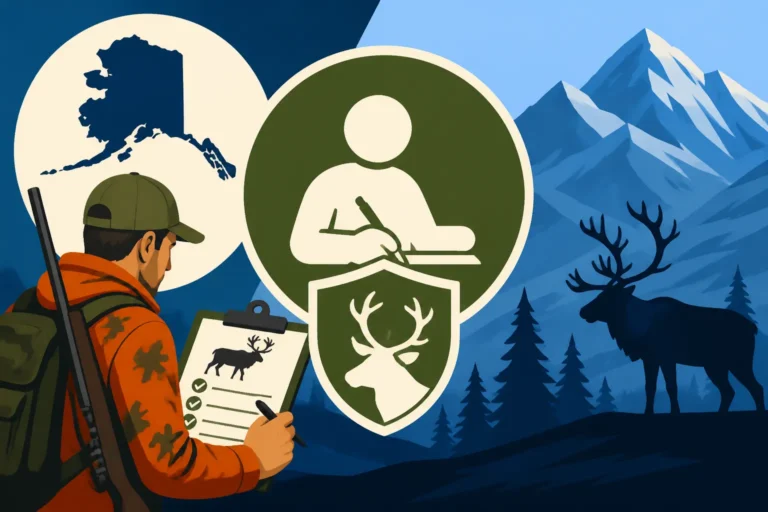
Applying for an Alaska draw permit can feel daunting, particularly if it's your first time or if you're targeting a highly competitive hunt like the Nelchina caribou. The process is entirely electronic, managed through the ADF&G online licensing and permit system. While convenient, it also requires precision and adherence to strict deadlines. Missing a single step or detail can mean your application is invalid, and all your hopes for that season are dashed. It's not enough to just know you want to hunt caribou; you need to understand the mechanics of the application itself.
Key Dates and Deadlines You Cannot Miss
The most critical window for applying to most Alaska big game draws, including the Nelchina caribou, is from November 1st to December 15th. This timeframe is non-negotiable. If you try to apply outside of this window, the system simply won't allow it. It’s vital to mark these dates on your calendar, set reminders, and ideally, submit your application well before the December 15th deadline. Waiting until the last minute risks technical glitches, internet issues, or simply forgetting, which would mean waiting another entire year. Many resources, including platforms like GoHunt, diligently track these dates to help hunters stay on schedule. This strict timeline is further elaborated in Alaska's November 1 to December 15 Draw Application Window.
Step-by-Step Guide to Submitting Your Application
- Purchase Your Hunting License: Before you can even think about applying for a draw permit, you must possess a valid Alaska hunting license for the upcoming regulatory year. For non-residents, this is a significant upfront cost that must be factored into your budget.
- Access the ADF&G Online System: Head to the Alaska Department of Fish and Game's online licensing and permits portal. You'll need to create an account or log in if you already have one.
- Navigate to Draw Permits: Once logged in, find the section for "Draw Hunts" or "Permit Applications."
- Select Hunt Numbers: This is where you choose your desired Nelchina caribou hunt numbers. You can apply for up to three different hunt numbers statewide, but there are specific rules about how many caribou hunt choices you can make, which often totals six choices for caribou across different units. Take your time, research the odds for each, and select those that align with your preferred hunt style, season, and location within the Nelchina area.
- Enter Applicant Information: Confirm all your personal details are accurate. This is also where you'd indicate if you're applying as part of a party.
- Pay Application Fees: Each hunt number you apply for has a non-refundable application fee. Ensure your payment information is correct.
- Review and Submit: Double-check every single detail before hitting the submit button. Once submitted, changes are typically not allowed. You'll receive a confirmation email, which you should save for your records.
Party Applications: Strategy and Rules
One strategy many hunters employ to increase their odds, especially on highly competitive draws, is applying as a party. Alaska allows party applications, meaning a group of hunters (often two, but sometimes more depending on the species and hunt rules) can submit a single application together. If the party is drawn, all members of the party receive a permit. The catch? If even one member of the party is ineligible for any reason, the entire application becomes invalid. Also, the application is entered into the draw as a single unit, meaning the odds of the party being drawn are effectively the same as a single applicant. The benefit comes in knowing that if you get lucky, your hunting partners will be right there with you. This can be a game-changer for shared experiences and splitting logistical costs. It’s worth looking into Party Applications in the Alaska Draw for more specifics.
Understanding Nelchina Herd Dynamics and Quotas
The Nelchina caribou herd is not a static entity; it's a living, breathing, and constantly moving population that responds to its environment. Its health and numbers are continuously monitored by ADF&G biologists, who make crucial management decisions that directly impact draw permit allocations. Understanding these dynamics is key to appreciating why the hunt is managed as it is and to managing your own expectations.
How Herd Population Affects Permit Numbers
The size of the Nelchina herd is the primary factor influencing how many draw permits are issued each year. When the herd is robust and growing, ADF&G might increase the number of permits, leading to slightly better draw odds. Conversely, if the herd experiences a decline due to harsh winters, increased predation, or disease, biologists will reduce the number of permits to protect the breeding stock and allow the herd to recover. This constant adjustment is a cornerstone of sustainable wildlife management. Information on the specific herd size and health is usually available on the ADF&G website and can provide insights into potential changes in permit numbers for upcoming seasons. For a broader overview, consider exploring Caribou Herds of Alaska and How They Move.
Factors Influencing Quotas and Management Decisions
Beyond the raw population numbers, several other factors weigh heavily on ADF&G's quota decisions for the Nelchina caribou. These include:
- Calf Recruitment: The number of calves that survive their first year is a strong indicator of future herd health. High calf survival often leads to more liberal harvest opportunities down the line.
- Overwinter Mortality: Severe winters with deep snow and prolonged cold can significantly impact caribou survival, especially for calves and older animals. Biologists assess these losses to adjust future quotas.
- Predation Rates: Predator populations (primarily wolves and bears) can also influence caribou numbers. Management plans often consider these interactions.
- Hunter Success Rates: Past season success rates provide data on harvest efficiency and can inform future permit numbers. If hunters are consistently too efficient, adjustments may be made.
- Subsistence Needs: Federal and state subsistence users in the area also rely on the Nelchina herd, and their harvest needs are considered in the overall management plan.
- Management Objectives: ADF&G has specific population objectives for each herd. Quotas are designed to help achieve or maintain these target numbers.
GoHunt and similar platforms often provide analyses of these factors, helping hunters gain a deeper understanding of the odds and potential changes.
The Possibility of Emergency Orders
Alaska's vast and dynamic environment means that even with careful planning, things can change rapidly. Emergency Orders (EOs) are a reality in Alaska hunting, allowing ADF&G to swiftly adjust seasons, bag limits, or even close hunts entirely if conditions warrant. For the Nelchina caribou, an EO might be issued if, for example, an unexpected decline in herd numbers is observed mid-season, or if adverse weather conditions make caribou particularly vulnerable. While rare for draw hunts before the season, it's something every Alaska hunter needs to be aware of. Always check the ADF&G website for the latest emergency orders before heading into the field, even if you’ve already been drawn for a permit.
Maximizing Your Chances and What to Expect
Let's be real: drawing a Nelchina caribou permit is tough. The odds can be slim, especially for non-residents. However, there are still strategies you can employ to give yourself the best possible chance, and it's equally important to have realistic expectations. Alaska hunting is often about persistence and preparedness.
Tips for Improving Your Draw Odds (Realistically)
- Apply Every Year: This sounds obvious, but consistency is key. Alaska does not have a preference point system, meaning your odds reset to zero every year, just like everyone else. So, every application is a fresh chance. Don't skip a year!
- Research Hunt Numbers Thoroughly: Don't just pick the first Nelchina hunt number you see. Look at the draw odds from previous years, available on the ADF&G website and often analyzed by sites like GoHunt. Some hunt numbers might have slightly better odds due to less desirable dates, more challenging access, or specific restrictions. Pay close attention to The Three-Hunt-Number Limit on Alaska Draw Applications and use your choices wisely.
- Consider Party Applications (with caution): As discussed, applying as a party means if one gets drawn, all get drawn. This is great for hunting buddies. However, if the party is too large for the available permits, it won't be drawn. Be smart about party size and composition.
- Embrace the "Less Popular" Options: Sometimes, hunt numbers with less appealing dates (e.g., late season when snow is deep) or more challenging access (requiring more physical exertion or bush plane costs) have slightly higher odds because fewer people apply. If you're physically prepared and have the means, these might be your best bet.
- Be Flexible with Your Choices: While you might dream of a specific hunt, applying for a range of caribou hunt numbers across different units can sometimes increase your overall chances of drawing a caribou permit, even if not the Nelchina specifically.
Accessing the Nelchina Caribou Country
The reason the Nelchina herd is so popular is its accessibility. Much of the primary range lies within reach of Alaska's road system, particularly the Denali Highway and sections of the Glenn Highway. This opens up opportunities for hunters to drive in, set up camp, and hunt using ATVs (where legal) or on foot. However, "accessible" doesn't mean easy. Terrain can be rugged, weather unpredictable, and caribou movements can be vast and rapid.
- Road System Access: Hunters often utilize pull-offs and designated trails along the Denali Highway for access. Always consult current regulations regarding ATV use and specific travel corridors. ATV Access Tactics on Alaska's Denali Highway provides invaluable advice for this.
- Bush Plane/Air Taxi: For those seeking more remote hunting, air taxis can drop hunters deeper into the Nelchina Basin, often on gravel bars or small lakes. This increases costs but can put you in less pressured areas.
- Boating/Floating: Some parts of the Nelchina area are accessible by floating rivers, offering a unique hunting experience, though careful planning for logistics and meat transport is essential. For more on this, consider Float Hunting Alaska Rivers for Moose and Caribou.
Understanding Hunting Unit 13 and the Nelchina Basin is crucial for planning your access and hunt strategy once you draw a permit.
What to Expect When You Get That Coveted Permit
If you're one of the lucky few to draw a Nelchina caribou permit, congratulations! Your adventure is just beginning. Permit notifications typically go out in February, as detailed in Alaska Draw Results Release in February. Once you have that permit in hand, it's time to shift from application mode to planning mode.
- Detailed Research of Your Specific Hunt Number: Re-read the regulations for your specific hunt number. Confirm dates, boundaries, legal game, and any special conditions. The Nelchina often has multiple zones, and your permit will be valid for a very specific area and timeframe.
- Scouting and Planning: Use satellite imagery, topographic maps, and online resources to scout your hunt area. Look for traditional caribou migration routes, feeding grounds, and bedding areas. Plan your logistics: where will you camp? How will you access the area? How will you pack out your meat? Scouting a Unit From Satellite Imagery Before You Fly can be a great starting point.
- Gear and Physical Preparation: Nelchina hunts can be physically demanding. Be prepared for varying weather conditions – from warm, buggy days to cold, wet, or snowy conditions, even in August or September. Invest in quality rain gear, durable boots, and appropriate camping equipment. Start a fitness regimen well in advance. Caribou may not be as large as moose, but packing out a whole animal from miles away is still a monumental task.
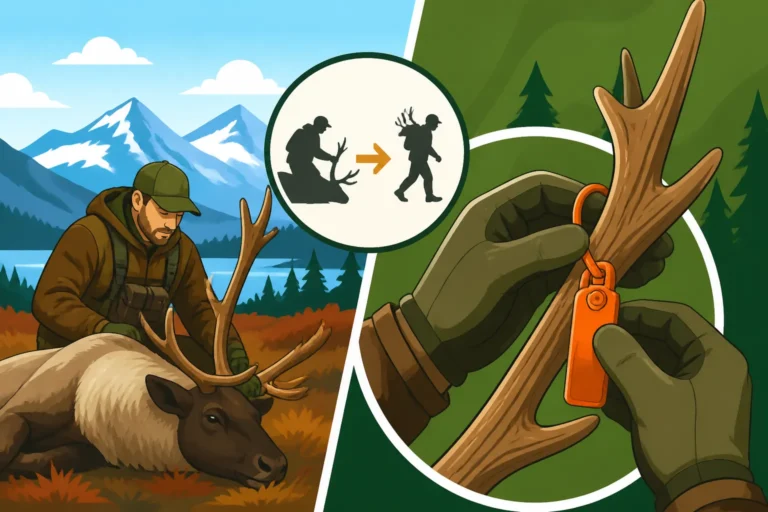
- Meat and Trophy Care: Once you harvest your caribou, proper meat care is paramount, especially in warmer early season hunts. You'll need game bags and a plan to cool the meat quickly. Always abide by Alaska's Alaska Moose Meat Salvage Requirements (which apply to caribou too), ensuring all edible meat is salvaged.
Nelchina Caribou Draw Permit Overview
| Aspect | Details |
|---|---|
| Purpose | Manages harvest and provides equitable hunting opportunity for the popular Nelchina caribou herd in Unit 13. |
| Application Window | Annually from November 1st to December 15th. Strict deadline. |
| Application Method | Exclusively online via the Alaska Department of Fish and Game (ADF&G) website. |
| Eligibility | Valid Alaska hunting license required for the upcoming regulatory year. Both residents and non-residents can apply, though non-resident odds are significantly lower. |
| Hunt Numbers | Multiple hunt numbers available, specifying season dates (fall/winter), hunt areas (zones within Unit 13), and often antler restrictions (bull-only). |
| Party Applications | Allowed, enabling groups to apply together; if drawn, all members receive a permit. |
| Odds | Highly competitive due to herd accessibility and popularity. Odds fluctuate annually based on permit allocations and applicant numbers. |
| Notification | Draw results typically released in February. |
| Access | Primarily road-system accessible (Denali Highway, Glenn Highway), with options for ATV use (where permitted) or bush plane access into more remote regions. |
| Management | Herd population, calf recruitment, overwinter mortality, predation, and subsistence needs all influence annual permit quotas. Emergency Orders can alter seasons. |
| Cost | Non-refundable application fee per hunt number, plus the cost of an Alaska hunting license. |
The Nelchina caribou draw permit represents a chance at an unforgettable Alaska hunting experience. It demands patience, thorough preparation, and a realistic outlook. While the odds can be challenging, the reward of harvesting a caribou in the Last Frontier is truly unparalleled.
Disclaimer
Hunting in Alaska involves inherent risks, including but not limited to severe weather, dangerous terrain, wildlife encounters, and remote conditions. Always prioritize safety, carry appropriate emergency communication devices, and inform someone of your hunt plan. Regulations can change; it is the hunter's responsibility to consult the most current Alaska Department of Fish and Game regulations prior to any hunt. The information provided here is for general guidance and educational purposes only and should not be considered legal advice.