Hunting Alaska Sheep Unguided as a Nonresident
For many non-resident hunters, the dream of a self-guided Dall sheep hunt in Alaska is a powerful one – a true test of skill, grit, and independence in some of the most stunning, unforgiving mountains on Earth. But let's be blunt: the regulations surrounding non-resident sheep hunting in Alaska can feel like a solid wall, quickly turning that dream into a head-scratching frustration. This guide will cut through the confusion, explaining exactly what's allowed, what's not, and the incredibly demanding realities of pursuing a Dall sheep in Alaska without a professional guide as a non-resident.
The Harsh Reality: Alaska's Guide Requirement for Nonresident Sheep Hunters
Let's start by laying out the fundamental truth that often catches non-resident hunters off guard: Alaska has very specific rules about who can hunt what without a licensed guide. It's a system designed to protect wildlife populations, ensure hunter safety in extremely challenging terrain, and provide economic opportunities for resident Alaskans. For many, this is where the unguided dream hits its first major snag.
Why a Guide Is Typically Required
The state of Alaska mandates that non-residents must be accompanied by an Alaska-licensed guide or an Alaskan resident who is a "second-degree of kindred" when hunting certain big game species. This isn't just a suggestion; it's a legal requirement. The rationale is multifaceted. For one, these hunts often take place in remote, dangerous environments where local knowledge can literally be the difference between life and death. Guides are expected to have this expertise. Secondly, it helps manage hunting pressure and ensure ethical harvesting, particularly for species with lower population densities or strict harvest criteria like Dall sheep. The state wants to ensure that hunters are well-equipped, knowledgeable, and capable of navigating the wilderness responsibly.
You might be thinking, "But I've hunted plenty of challenging species in other states without a guide!" And that's fair. However, Alaska's wilderness is on an entirely different scale. Vast, unforgiving, and often miles from any form of communication or rescue, it presents unique challenges that the guide requirement aims to mitigate. From understanding the nuances of a Full-Curl Judging From Below the Ram to knowing how to handle severe weather shifts, a guide brings critical experience to the table.
Species Under the Guide Mandate
It’s crucial to know exactly which species fall under this nonresident guide requirement. For Alaska, the list includes:
- Dall Sheep: This is probably the most commonly discussed species when it comes to the guide rule, largely because of the extreme challenge and high demand.
- Brown Bear/Grizzly Bear: Whether on the coast or in the interior, all non-resident brown bear hunts require a guide.
- Mountain Goat: Similar to sheep, these alpine dwellers require specialized knowledge and safety precautions.
What this means for your Dall sheep aspirations is that you cannot simply buy a non-resident tag and head into the mountains alone, or even with a friend who is also a non-resident. If you are not an Alaska resident, you will need a licensed guide or a qualifying resident relative. Failing to adhere to this rule can lead to severe penalties, including fines, confiscation of game, and even jail time, not to mention a permanent ban from hunting in Alaska. This foundational understanding is the first step in planning any non-resident sheep hunt in the Last Frontier. For a deeper dive, check out Alaska's Brown Bear, Sheep and Goat Guide Requirement.
The Legal Stakes of Non-Compliance
Ignoring Alaska's guide requirements for species like Dall sheep isn't just a minor infraction; it carries significant legal consequences. The state takes these regulations very seriously, and enforcement is diligent, especially in popular hunting areas. If you are caught hunting a guide-required species as a non-resident without the legally mandated accompaniment, you could face felony charges. This isn't just a slap on the wrist.
Imagine the scenario: after weeks of grueling climbing and glassing, you finally take a magnificent Dall ram. You begin the arduous pack out, only to encounter Alaska Wildlife Troopers. If you cannot produce evidence of a valid guide contract or prove your second-degree kinship with a resident hunting partner, that ram, your rifle, and potentially your vehicle could be confiscated. You could be facing thousands of dollars in fines, reimbursement fees for the animal, and even imprisonment. Furthermore, a conviction will almost certainly result in a lengthy, if not permanent, revocation of your hunting privileges in Alaska, and likely reciprocity with other states. It’s a career-ending event for any serious hunter, and simply not worth the risk.
Navigating the Exception: Hunting With Second-Degree Kin in Alaska
Given the strict guide requirements, many non-residents feel their dream of an unguided Alaska Dall sheep hunt is dead in the water. However, there is a specific, albeit narrow, exception that allows a non-resident to hunt guide-required species without a professional guide: the "second-degree of kindred" rule. This provision allows you to hunt with a close Alaska resident relative.
Defining "Second-Degree of Kindred"
The Alaska Department of Fish and Game (ADF&G) defines "second-degree of kindred" quite specifically. This isn't just any distant cousin or an old college roommate who moved to Anchorage. The law states that a non-resident hunter may be accompanied by a resident who is related to them within the second degree of kindred. This includes:
- First Degree: Parent, child, spouse.
- Second Degree: Grandparent, grandchild, brother, sister.
It's a tight circle, indeed. So, if your hunting buddy happens to be your brother who lives in Fairbanks, or your son who moved to Wasilla, you might be in luck. But if it's your aunt's cousin's nephew, that simply won't cut it. This precise definition aims to ensure that the accompanying resident has a genuine, close relationship with the non-resident, implying a greater sense of shared responsibility and potentially a deeper understanding of each other's abilities and limitations in the field. This isn't a loophole for just anyone; it's a very specific family-based allowance. If you're considering this route, make sure your relationship truly fits the legal definition.
Proving Your Relationship to the State
Just because you say your hunting partner is your brother doesn't make it so in the eyes of the law. Alaska requires you to be able to prove this kinship if asked by Alaska Wildlife Troopers or ADF&G personnel. This usually means carrying documentation with you in the field.
What kind of documentation? Think about what legally establishes family ties:
- Birth Certificates: These are perhaps the most common and definitive. If you're hunting with your brother, both of your birth certificates showing the same parents would be strong evidence. For a grandparent or grandchild, multiple birth certificates establishing the lineage would be needed.
- Marriage Certificates: If you're hunting with your spouse, a marriage certificate is key.
- Adoption Papers: For adopted family members, these legal documents would be required.
It's not enough to have these documents somewhere back home. You need to have them with you on the hunt. This could mean carrying original copies in a waterproof, secure container, or having certified copies. Some hunters create a notarized affidavit stating the relationship, alongside copies of the supporting documents. The point is, don't leave it to chance or rely on a handshake agreement. Be prepared to present clear, undeniable proof of your kinship. This meticulous preparation extends beyond just gear and physical training; it's about making sure your hunt is legally sound from start to finish. For more on this, consult Proving Kinship for Alaska's Guide Exemption and Hunting With an Alaska Relative Instead of a Guide.
The Responsibilities of Your Resident Relative
If you choose to pursue an unguided non-resident sheep hunt under the second-degree kindred rule, understand that your resident relative isn't just a warm body to satisfy the law. They take on significant responsibilities. This isn't a casual affair; your relative becomes legally accountable for adhering to all hunting regulations, just as a licensed guide would be.
This means your resident relative must:
- Be a Resident of Alaska: They must meet the legal requirements for Alaska residency, which typically involves living in the state for a specified period with the intent to remain.
- Possess a Current Alaska Hunting License: They need to be properly licensed to hunt in Alaska.
- Accompany You in the Field: This isn't a "drop you off and pick you up" situation. Your relative must be physically present with you throughout the hunt. If you split up to glass different drainages, they must remain within sight and reasonable communication distance, actively participating in the hunt. They cannot simply be at basecamp while you're out hunting.
- Ensure Legal Compliance: Your resident relative is responsible for ensuring that both of you comply with all Alaska hunting laws and regulations. This includes legal shooting light, proper tagging, meat salvage, bag limits, and any antler or horn restrictions, like understanding the nuances of the full-curl rule for Dall sheep. They are essentially your legal proxy for a guide.
- Be Proficient in the Wilderness: While not a legal requirement for kinship, it's a practical necessity. This relative needs to be experienced and capable in extreme wilderness conditions, able to navigate alpine terrain, handle emergencies, and assist with all aspects of a sheep hunt, from scouting to quartering a ram and packing it out. If they aren't, you're not just risking a legal infraction; you're risking your lives.
This places a heavy burden on your resident relative, far beyond merely being a companion. It demands their full commitment, knowledge, and physical capability. This is why many non-residents, even with qualifying relatives, still opt for a guided hunt, especially for challenging species like Dall sheep.
Beyond Legalities: The Immense Challenges of an Unguided Dall Sheep Hunt
Even if you successfully navigate the "second-degree of kindred" legal path, understand that an unguided Dall sheep hunt, particularly for a non-resident who might be less familiar with the specific Alaskan wilderness, is an undertaking of monumental challenge. This is not a hunt for the faint of heart or the unprepared.
Logistical Nightmares and Remote Access
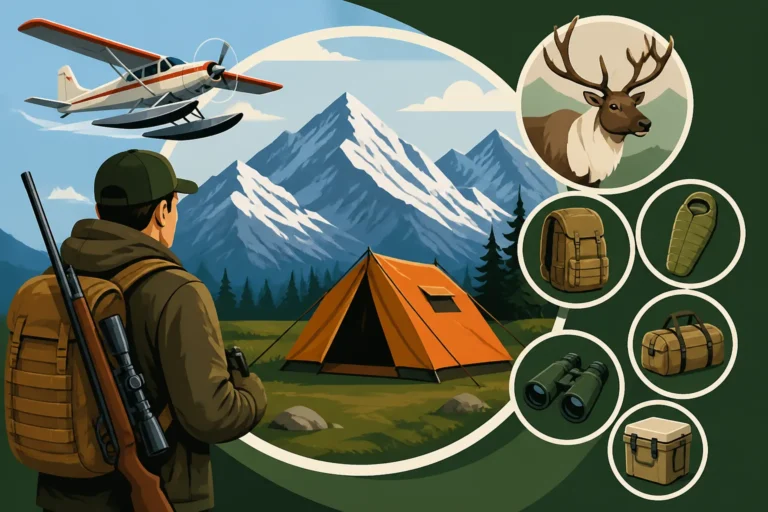
Alaska's sheep country is, by definition, remote. There are very few roads into prime Dall sheep habitat, meaning access typically involves bush planes or extended backpack trips. This immediately complicates logistics for an unguided party.
Consider these hurdles:
- Air Taxi Coordination: Booking an air taxi involves precise scheduling, adherence to strict weight limits (every ounce counts!), and understanding that weather delays are not just possible, but probable. An unguided party bears the full brunt of coordinating flights for gear, hunters, and eventually, meat and trophies. Fly-In Hunting: Working With an an Alaska Transporter Pilot goes into more detail on this.
- Gear Selection and Weight Management: Without a large guided crew or extensive resources, you and your relative are responsible for every piece of gear. This means meticulous planning for lightweight tents, stoves, food, water filtration, sleeping systems, optics (you'll need a good spotting scope for Spotting Scope Power for Ram Judging), and essential survival tools. Every item must be justified, and total pack weight becomes critical, especially when you factor in carrying out a heavy load of meat and cape. Backpack Hunting in Alaska: Gear Weight and Meat Loads is an essential read for this.
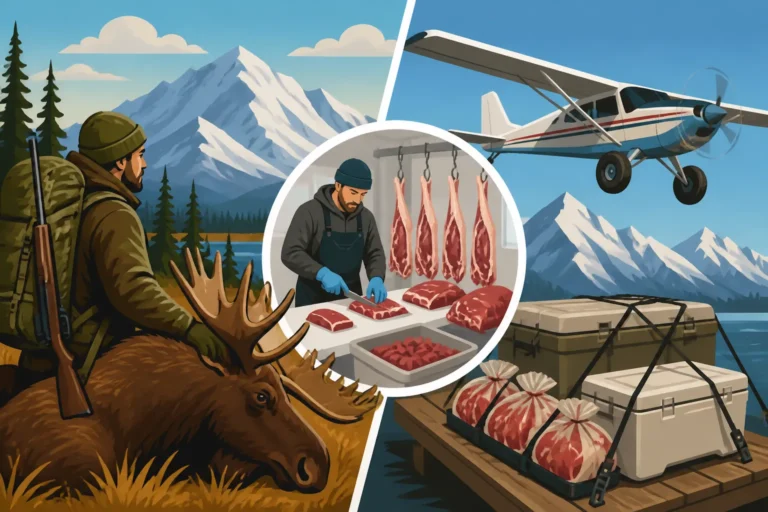
- Meat Care and Preservation: Once a ram is on the ground, the clock starts ticking. In warm late August or early September weather, properly cooling and protecting the meat from flies and bears is paramount. An unguided party must be proficient in quartering an animal quickly and efficiently, getting game bags on the meat, and finding suitable hanging locations. This requires knowledge of Hanging Meat in Warm September Weather and effective Bear Fence Setup at a Meat Cache.
- Emergency Preparedness: Remote Alaska is no place to be unprepared for emergencies. This includes everything from severe injuries to sudden weather changes that can leave you stranded. An unguided party must have robust communication plans, emergency shelters, comprehensive first-aid kits, and the skills to use them.
These logistical challenges alone can break a hunt before it even begins, testing even the most seasoned outdoorsmen.
Physical Demands and Wilderness Preparedness
Dall sheep hunting is often touted as one of North America's most physically demanding hunts, and for good reason. It takes place in rugged, steep, high-elevation terrain that demands peak physical condition.
- Relentless Ascent and Descent: Expect to climb thousands of feet daily, often across loose scree, treacherous shale, and steep tundra. Your knees, ankles, and lungs will take a beating. Then, you'll have to descend that same terrain, potentially with a heavy pack.
- High-Altitude Challenges: While Alaska's sheep mountains aren't as high as some in the Lower 48, elevations can still cause issues for those not acclimated, leading to fatigue and reduced performance.
- Weather Extremes: The alpine environment of the Alaska Range or Brooks Range can experience all four seasons in a single day. You could start hiking in sunshine, then face driving rain, sleet, snow, or dense fog. Rapid temperature drops are common. An unguided party needs the mental fortitude and appropriate gear to withstand these sudden shifts, as turning back isn't always an option.
- Self-Sufficiency: There are no roads, no cell service, and rarely other people. You are entirely responsible for your own safety, navigation, and survival. Skills like Alpine Navigation Without Cell Service, reading terrain, field first aid, and effective Bear Safety While Butchering a Kill in Alaska are not optional; they are critical. You and your relative must be a self-contained, highly capable unit.
The physical and mental grind of a sheep hunt can be overwhelming. Many hunters find that even with a guide managing much of the logistics, the sheer physical exertion is almost unbearable. For an unguided party, the mental load of decision-making, route finding, and emergency planning adds another layer of fatigue to an already brutal physical endeavor.
Financial Realities: Unguided Isn't Always Cheaper
One common misconception is that going unguided automatically makes a hunt "cheap." While you save on guide fees, the costs can still be substantial, and in some ways, potentially higher due to inefficiencies or unexpected expenses.
Let's break down the potential costs:
- Air Taxi Expenses: This will likely be your largest single expense. Round trip flights for two hunters and all their gear, plus potential separate flights for meat and trophy, add up quickly. Weather delays can mean extra days of fees.
- Gear Investment: Unless you and your relative already own top-tier, lightweight, durable mountain hunting gear (which can cost thousands of dollars per person), you'll need to make significant investments. This includes high-quality optics, lightweight backpacking equipment, satellite communication devices (essential for Signal Devices and Check-In Plans for Solo Alaska Hunts), and appropriate extreme weather clothing.
- Licenses and Tags: As a non-resident, your hunting license and Dall sheep tag will be a significant cost. Alaska Dall Sheep Tag Price for Nonresidents gives you an idea of what to expect.
- Travel to Alaska: Flights to Anchorage or Fairbanks, potentially connecting flights to smaller bush towns, and hotel stays before and after the hunt all add up.
- Meat Processing and Shipping: After a successful hunt, you'll need to arrange for meat processing, freezing, and shipping home, which can be surprisingly expensive from remote locations.
| Expense Category | Guided Hunt (Non-Resident) | Unguided Hunt (Non-Resident with Kin) |
|---|---|---|
| Guide Fees | Significant cost, often includes camp, food, and in-field support. | None, but resident relative has legal responsibilities. |
| Air Taxi/Logistics | Often included or partially subsidized by guide, but still a factor. | Full responsibility and cost for flights, gear transport, meat pickup. Can be very high. |
| Licenses/Tags | Same for both: Non-resident license and specific Dall sheep tag. | Same for both: Non-resident license and specific Dall sheep tag. |
| Gear Investment | Guide may provide some camp gear; personal gear still required. | Full personal gear investment (tents, stoves, optics, comms, etc.) for two people. |
| Food & Supplies | Provided by guide, specialized for remote conditions. | Purchased and packed by hunters; significant weight and planning. |
| Meat/Trophy Handling | Guide assists with field care; arrangements for processing/shipping often extra. | Full responsibility for field care, processing, shipping; can be complex from remote areas. |
| Contingency/Delays | Guide may absorb some costs of weather delays; client often pays for extended stays. | All costs for weather delays, unexpected equipment failures, or extra flights borne solely by hunters. |
| Experience/Local Knowledge | Provided by expert; increases safety and success odds. | Relies entirely on resident relative's (and non-resident's) experience and self-sufficiency. |
While you avoid the multi-thousand dollar guide fee, the accumulation of smaller, independent costs can quickly rival or even exceed the price of a mid-range guided hunt, especially if things go wrong. Budgeting for contingencies, like extra air taxi time due to weather or unforeseen gear replacement, is critical. Resources like BookYourHunt and GoHunt, while often associated with guided bookings, can still offer valuable insights into typical logistical costs and provide a sense of what different services entail, helping you budget more accurately even for an unguided effort.
Preparing for the Ultimate Test: Success Strategies for Unguided Nonresident Sheep Hunters
So, you've understood the legal landscape, defined your kinship, and fully grasped the monumental challenges. If you're still determined to pursue an unguided Dall sheep as a non-resident with a qualifying relative, then congratulations – you possess a rare blend of courage and ambition. Now, let's talk about how to maximize your chances of success and, more importantly, survival.
Intensive Physical and Mental Conditioning
This isn't just about being "in shape." It's about being in mountain hunting shape, which is a different beast entirely. You need to train your body and mind for sustained effort under extreme duress.
- Cardiovascular Endurance: Focus on exercises that mimic alpine climbing. Think long hikes with a heavy pack (50-70 lbs), stair climbing, and treadmill inclines. Don't just do short bursts; build up to multi-hour efforts. Incorporate varied terrain, including uneven ground, if possible.
- Strength Training: Prioritize core strength, leg strength (especially for quads, hamstrings, and glutes to handle ascents and descents), and back/shoulder strength for carrying heavy loads. Compound movements like squats, deadlifts, and lunges are your friends.
- Mental Fortitude: This is often overlooked but is just as crucial. Practice enduring discomfort. Go for long hikes in bad weather. Train when you're tired. Learn to push through physical and mental barriers because the mountains will test you constantly. Visualization, setting small goals during training, and practicing positive self-talk can help build resilience. A sheep hunt will push you to your breaking point, and your mind needs to be as tough as your legs.
- Joint and Tendon Health: Pay attention to ankle and knee strengthening exercises. The uneven terrain, heavy packs, and endless side-hilling will punish your joints.
Remember, your resident relative needs to be equally prepared. One weak link in an unguided party puts everyone at risk.
Gear, Skills, and Self-Sufficiency
Your gear is your lifeline, and your skills are your survival kit. Every item and every learned ability must contribute to your self-sufficiency in the unforgiving Alaskan wilderness.
- Top-Tier Gear: Invest in the best lightweight, durable, and weather-appropriate gear you can afford. This includes a robust shelter system capable of withstanding high winds and heavy precipitation, a sleeping bag rated for colder than expected temperatures, and reliable cooking equipment. Don't skimp on optics; a high-quality spotting scope and binoculars are absolutely essential for Glassing the Alaska Range: Finding Game Before You Move and judging rams from a distance. Consider a Tripod Height for All-Day Glassing for comfort and stability.
- Navigation Mastery: GPS devices (with downloaded offline maps), satellite communicators (like an inReach or Zoleo), and traditional map and compass skills are non-negotiable. Batteries die, electronics fail, and fog can roll in, making visual navigation impossible. Practice navigating with all tools in varying conditions. Downloading Offline Maps Before a Fly-In is a critical pre-hunt step.
- First Aid and Survival: Both hunters must be proficient in wilderness first aid and carry a comprehensive kit. Beyond that, basic survival skills – fire starting, emergency shelter construction, water purification, and signaling for help – are crucial. You are your own first responders.
- Rifle Proficiency: Practice shooting from various field positions that mimic real hunting scenarios in the mountains, such as prone over a pack, from a steep incline, or off an uneven rest. Shooting Positions on Alaska Tundra and Sidehills will be your reality. Ensure your rifle is sighted in perfectly before you head into the field, and know how to Sighting In a Rifle After a Bush Flight if needed.
- Meat and Trophy Care: Be prepared to quarter a Dall ram efficiently and hygienically in the field, often under adverse conditions. Learn how to cape for a mount and properly salt and preserve the hide. Know Alaska's Packing Out Meat in Alaska: The Salvage Law Hunters Must Follow requirements explicitly.
When you're packing your own bags and calling your own shots, there's no substitute for being thoroughly prepared in both equipment and expertise.
Scouting, Planning, and Contingency Building
An unguided hunt demands obsessive planning. Every potential scenario needs to be thought through, and backup plans established.
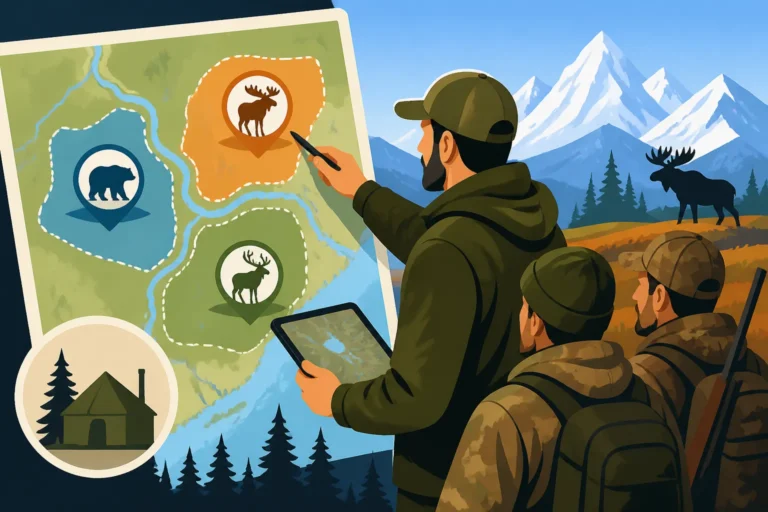
- Intensive E-Scouting: Utilize satellite imagery, topographic maps, and hunting forum reports to identify potential sheep habitat, migration routes, and glassing knobs. Look for water sources, natural game funnels, and potential camp locations. Websites and apps, some integrated into platforms like GoHunt, offer incredible tools for this kind of detailed pre-hunt research. You can mark potential Marking Glassing Knobs Before You Leave Town before you even set foot in Alaska.
- Thorough Physical Scouting (if possible): If you or your relative live in Alaska, day trips or weekend scouting missions into accessible sheep country can provide invaluable real-world experience and insights into terrain, animal behavior, and access points.
- Detailed Trip Plan and Check-in Schedule: Leave a detailed itinerary with a trusted contact who knows your route, expected check-in times (via satellite communicator), and emergency procedures. This is crucial, especially for Leaving a Trip Plan With a Contact for solo or small party hunts.
- Weather Contingencies: Alaska weather is notoriously unpredictable. Build extra days into your schedule for weather delays with air taxis or being fogged in on the mountain. Have emergency rations and fuel to cover these unexpected extensions.
- Evacuation Plan: Know exactly what steps you will take in case of a serious injury or medical emergency. Who will you contact? How will you describe your location? What are the nearest landing strips or safe pickup points? Understand that help is often days away.
Successfully hunting Dall sheep unguided as a non-resident with kin is an extraordinary achievement, but it's one that demands meticulous preparation, unwavering determination, and a deep respect for the Alaskan wilderness. It's not just a hunt; it's an expedition into true wild country.
Disclaimer
This article is for general informational purposes only and does not constitute professional advice. Laws, prices and regulations vary by location and change over time. Consult a qualified professional for guidance on your specific situation.