Alaska Dall Sheep Tag Price for Nonresidents
For many, the dream of an Alaska Dall sheep hunt conjures images of majestic white rams atop rugged, treeless peaks, a true testament to wilderness and a hunter's endurance. But the reality for nonresidents often crashes into a wall of financial figures, starting with that all-important Dall sheep tag. It's not just the tag, though; the entire endeavor can feel like navigating a complex financial labyrinth before you even consider the physical challenge. This guide is here to untangle the specific costs associated with pursuing Dall sheep in Alaska as a nonresident, helping you understand where your hard-earned money will go and what to expect.
Understanding the Nonresident Dall Sheep Tag Cost
Let's face it, hunting in Alaska as a nonresident comes with a higher price tag for a reason. The state's wildlife management relies heavily on these fees, and nonresidents contribute significantly to the conservation efforts that keep Alaska's wild populations thriving. This means that while the dream is big, the costs can be equally substantial, starting with the sheep tag itself.
The Sticker Shock of the Dall Sheep Tag Itself
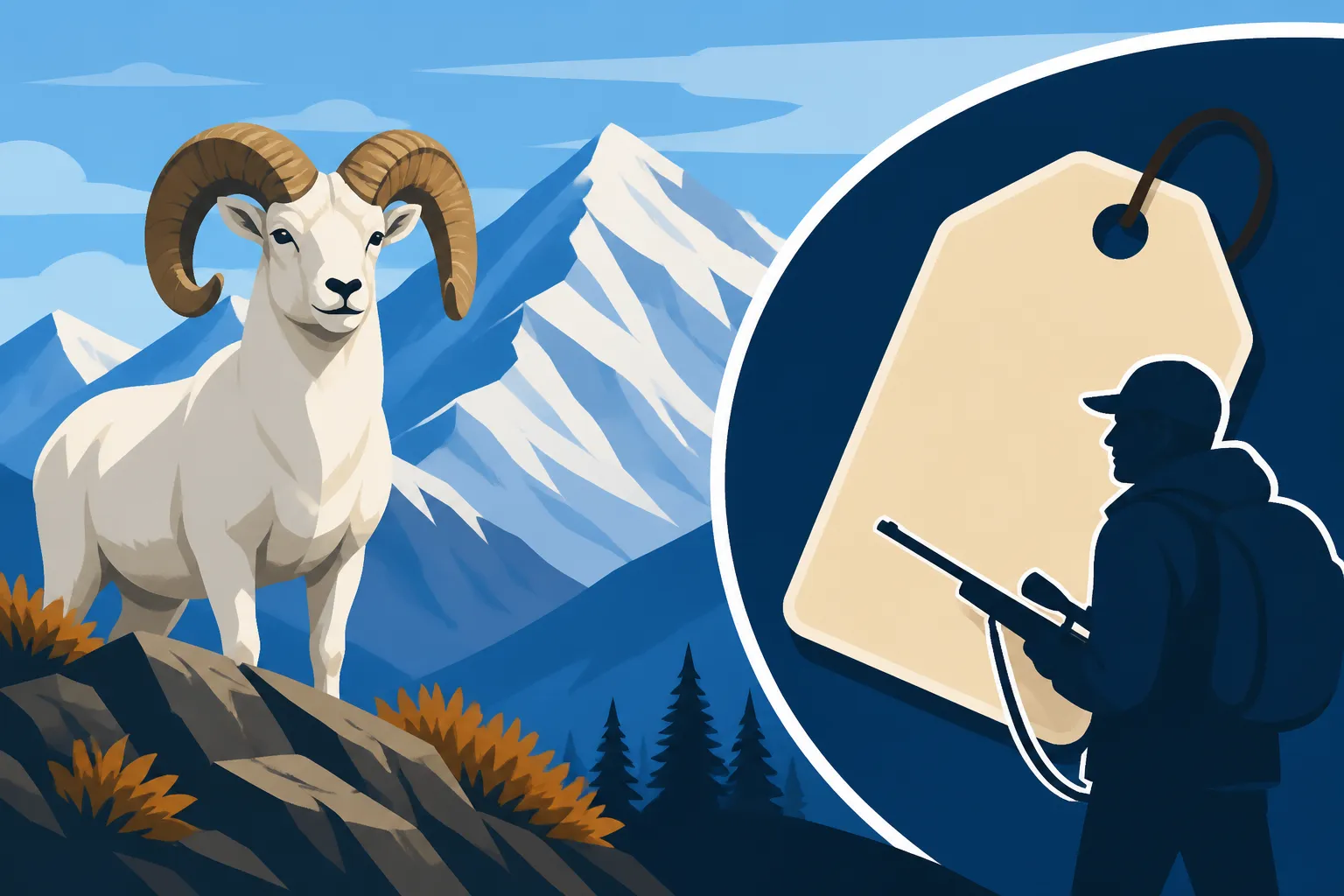
The first thing many nonresidents notice when looking at an Alaska Dall sheep hunt is the price of the actual tag. For the current year, a nonresident Dall sheep tag costs $800. This isn't just a number pulled from thin air; it’s a deliberate pricing strategy to help fund the robust management programs of the Alaska Department of Fish and Game (ADF&G). This particular tag is a "locking tag," meaning it must be physically attached to the animal immediately after the kill. You can purchase these tags directly from the ADF&G online portal, at many sporting goods stores in Alaska, or through licensed vendors. It's an investment, pure and simple, and it's just the beginning of your financial commitment to this incredible hunt.
This cost stands in stark contrast to what an Alaska resident pays, which is significantly less, often in the range of $30-$60 for the same species. This differential helps ensure that the economic burden of conservation is shared, with nonresidents contributing a larger share given the unique privilege of hunting Alaska's iconic big game. It's important to budget for this specific amount early in your planning, as it's a fixed cost you can't avoid.
Mandatory Hunting License and Other Fees
Before you can even consider buying that Dall sheep tag, every hunter, resident or nonresident, must first purchase an annual hunting license. For nonresidents in Alaska, this base hunting license currently costs $160. This license is your fundamental permission slip to hunt any game in the state, and without it, no species-specific tags can be acquired. Think of it as your passport to Alaska's wild country.
Beyond the license and the sheep tag, there aren't typically additional application fees for Dall sheep since most sheep hunts are general season hunts, not draw hunts. However, if you were to consider applying for a draw permit for another species, you would encounter application fees per hunt number choice, which can add up. For sheep, thankfully, it’s usually just the license and the tag. Always make sure to check the current ADF&G regulations booklet or their website for the most up-to-date pricing, as fees can occasionally change. These core costs form the foundation of your hunting budget, and they are non-negotiable legal requirements before you even set foot in the field. To get a full picture of all the potential costs, it’s worth reviewing the details of Nonresident Hunting License Costs in Alaska.
Navigating the Guide Requirement for Nonresidents
One of the biggest financial factors for a nonresident Dall sheep hunt isn't the tag itself, but Alaska's legal requirement to use a guide. This regulation is in place for specific species, and it adds a considerable layer of cost and logistics to your adventure.
The Legal Obligation: Guide or Relative
Alaska Statute 08.54.010 dictates that a nonresident must be accompanied by an Alaska-licensed guide or an Alaska resident who is within the second degree of kindred (a direct relative such as a spouse, parent, grandparent, child, grandchild, or sibling) when hunting brown/grizzly bear, Dall sheep, or mountain goat. There's no getting around this for a Dall sheep hunt. This rule is designed not only for hunter safety in some of the world's most challenging terrain but also to ensure ethical hunting practices and to generate economic activity within the state.
The "second-degree-of-kindred" rule offers a rare exception, but it’s often not practical for many hunters. Finding a relative who is an Alaska resident, willing, able, and experienced enough to guide you on a demanding sheep hunt, is a tall order for most. Therefore, for the vast majority of nonresident Dall sheep hunters, hiring an Alaska-licensed guide is a mandatory step. This immediately shifts the financial discussion from hundreds of dollars to tens of thousands. Understanding Hunting Alaska Sheep Unguided as a Nonresident is crucial for anyone considering this hunt, as the legal implications are strict.
The Impact of a Guide on Total Hunt Cost
Once you account for the guide requirement, the $800 Dall sheep tag starts to look like a small deposit on a much larger investment. A fully guided Dall sheep hunt in Alaska is one of the most expensive hunts available anywhere, often ranging from $20,000 to $35,000 or even more for a 10-14 day hunt. This fee typically covers the guide's services, camp equipment, food, and bush plane flights to and from the hunting area. Some outfitters might offer different packages, perhaps a 2-on-1 hunt (two hunters per guide) at a slightly reduced rate compared to a 1-on-1 (one hunter per guide), but even those are substantial.
It's vital to get a clear, detailed contract from your chosen guide that specifies exactly what is included in the price. Will they cover all bush flights, or only a certain amount? Is meat and trophy care in camp included? What about the cost of packing out your trophy? These are questions you absolutely must ask. Beyond the base fee, you'll also need to budget for gratuities (tips) for your guide and any packers, which can add another 10-20% to the total cost. When you're considering Booking an Alaska Sheep Hunt With a Guide, these financial considerations should be at the forefront of your decision-making.
Hidden Costs and Budgeting for Your Dream Hunt
While the tag and guide fees are the biggest ticket items, an Alaska Dall sheep hunt has a host of other expenses that can quickly add up, turning your meticulously planned budget into a nightmare if you haven't accounted for them.
Pre-Hunt Expenses: Gear, Travel, and Logistics
The journey to an Alaska sheep mountain involves multiple stages, each with its own costs. First, there's your travel to Alaska itself. Round-trip airfare to Anchorage or Fairbanks can easily be $500-$1,000 or more, depending on your departure location and how far in advance you book. Once in Alaska, you'll often need connecting flights to smaller villages or directly to a bush plane base, which adds further expense. Then comes the bush flight into the actual hunting area, which is usually included in a guided package but can still have weight restrictions that might force you to pay for extra cargo loads.
Beyond travel, specialized gear is non-negotiable for a demanding sheep hunt. You'll need top-tier clothing for extreme weather fluctuations, a lightweight yet durable backpack, a high-quality sleeping system, and reliable optics. A good spotting scope is critical for Glassing the Alaska Range: Finding Game Before You Move. Expect to spend anywhere from $3,000 to $10,000+ on gear alone, depending on what you already own and the quality you demand. Don't forget the rifle and ammunition; it's always wise to arrive with a rifle that's been recently sighted in, but be prepared for a quick check in camp. Even the process of Sighting In Before You Fly to a Remote Alaska Camp might incur costs if you need range time or professional assistance.
Finally, consider the time off work, any necessary insurance (travel, medical evacuation), and the often-overlooked cost of pre-hunt physical preparation. Training for a sheep hunt isn't just about getting fit; it's about getting Alaska sheep hunt fit, which can involve gym memberships, specialized diets, and even high-altitude training for those coming from sea level. It's a significant commitment, and every component has a cost. Tools like GoHunt can be invaluable for researching gear lists and logistical planning, helping you anticipate these expenses.
Post-Hunt Expenses: Meat and Trophy Care
Once you've harvested a Dall ram, the expenses don't stop. You'll have to consider how to handle the meat and your trophy. While Dall sheep aren't as large as a moose, there's still a substantial amount of delicious, hard-won meat to contend with. Most hunters opt to have their meat processed by a local butcher in Alaska (Anchorage or Fairbanks, for example), which can cost several hundred dollars depending on the yield and type of cuts. Shipping that frozen meat back home can be another significant expense, easily running into the hundreds of dollars, especially if you're using specialized coolers and overnight air freight.
For your trophy—the magnificent horns and cape—proper care in the field is paramount. Even with a guide, you'll want to understand the basics of Cape and Skull Care for a Brown Bear Hide, as many principles apply to sheep. After the hunt, you’ll typically ship your cape and skull to a taxidermist. This can involve additional freight costs and, of course, the substantial fee for the taxidermy itself, which can range from $2,000 to $6,000 or more for a shoulder mount. If you plan for a European mount or just the skull plate, the costs will be lower but still present. You might also face costs for expediting permits or CITES tags if you're an international hunter, although Dall sheep are typically not CITES-listed. Lastly, don’t forget the actual cost of getting the horns and cape on a plane if you decide to take them as excess baggage, which often means extra fees based on size and weight.
Maximizing Your Investment and Preparing for Success
Given the significant financial and physical investment in a nonresident Dall sheep hunt, maximizing your chances of success and ensuring a rewarding experience becomes paramount. This isn't just about bagging a ram; it's about the entire journey.
Physical and Mental Preparation
There's no sugarcoating it: Dall sheep hunting is arguably one of the most physically demanding hunts in North America. You'll be climbing steep, unforgiving terrain at high altitudes, often carrying heavy loads over long distances. Your guide can take you only where you can physically go. Hunters frequently underestimate the sheer endurance required. Therefore, extensive physical preparation is not an option; it's a necessity. This means months of dedicated training focused on cardio, leg strength, and carrying weighted packs. Thinking about Backpack Hunting in Alaska: Gear Weight and Meat Loads should start long before you book your flight. The better condition you're in, the more enjoyable and successful your hunt will be, allowing you to focus on the hunt itself rather than struggling with every step.
Beyond the physical, the mental game is equally crucial. You'll face unpredictable weather, long days, potential setbacks, and the isolation of true wilderness. Having a resilient mindset, realistic expectations, and the ability to push through discomfort are vital. Discussing the challenges with your guide beforehand and understanding what to expect from the terrain and the daily grind can significantly prepare you mentally for the experience. The mountains of Alaska don't care about your fitness level until you're there.
Thorough Research and Planning
With such a substantial investment, thorough research and meticulous planning are your best friends. Start by diving deep into the Alaska Department of Fish and Game website for the latest regulations, season dates, and unit information. Understand the nuances of Alaska Hunting Seasons and Tag Rules Explained to ensure you're compliant. Explore forums and online communities where hunters share experiences and advice. This is where platforms like GoHunt really shine, offering detailed unit profiles, harvest data, and application strategies (even though Dall sheep are general season, their tools apply to general hunting information too).
When it comes to choosing a guide, don't rush the process. Interview multiple outfitters, ask for references, and carefully review their contracts. Inquire about their success rates, camp conditions, and emergency plans. Ask specific questions about the terrain you’ll be hunting, the typical shot distances, and what their bear safety protocols are in remote camps. Understand how many hunters they take per season and their guide-to-hunter ratio. A good guide will be transparent and eager to ensure you're fully informed and prepared. Having a solid plan and knowing what you're getting into will significantly enhance your overall experience and improve your chances of success. It’s also wise to educate yourself on specific elements like Full-Curl Judging From Below the Ram to confidently identify a legal animal when the moment comes.
Even with a guide, understanding basics like Alpine Navigation Without Cell Service can provide an extra layer of confidence and safety in such remote environments.
Summary of Key Nonresident Dall Sheep Hunt Costs (Estimated)
Here’s a quick overview of the main expenses you'll likely incur for a nonresident Dall sheep hunt in Alaska:
| Item | Estimated Cost (USD) | Notes |
|---|---|---|
| Alaska Nonresident Hunting License | $160 | Mandatory for all hunting activities. |
| Alaska Nonresident Dall Sheep Tag | $800 | Specific locking tag for Dall sheep. |
| Guided Hunt Fee | $20,000 – $35,000+ | Covers guide services, bush flights, camp, food. Varies by outfitter, duration, and 1×1 or 2×1 ratio. |
| Guide/Packer Gratuities | $2,000 – $7,000 | Typically 10-20% of the hunt cost. |
| Airfare to Alaska (Round Trip) | $500 – $1,500 | To major hubs like Anchorage or Fairbanks. |
| Gear & Equipment | $3,000 – $10,000+ | Boots, clothing, optics, pack, sleeping system, rifle. Highly variable based on existing gear. |
| Meat Processing & Shipping | $500 – $1,500 | Butcher fees and freight for frozen meat. |
| Taxidermy & Shipping | $2,000 – $6,000+ | Shoulder mount for cape and skull, plus freight. |
| Total Estimated Investment | $28,960 – $61,960+ | This does not include potential unforeseen costs, additional hotel stays, or other personal expenses. |
This table provides a realistic range, but every hunt and every hunter's situation is unique. Always consult directly with guides and vendors for precise quotes and tailor your budget to your specific choices.
Disclaimer
The information provided in this guide is for general informational purposes only and does not constitute legal or financial advice. Hunting regulations, license fees, tag costs, and guided hunt prices in Alaska are subject to change by the Alaska Department of Fish and Game and individual outfitters. Always consult the official Alaska hunting regulations and contact licensed guides directly for the most current and accurate information before planning any hunt. Hunting in Alaska involves inherent risks; proper preparation, adherence to regulations, and safety precautions are the sole responsibility of the hunter.