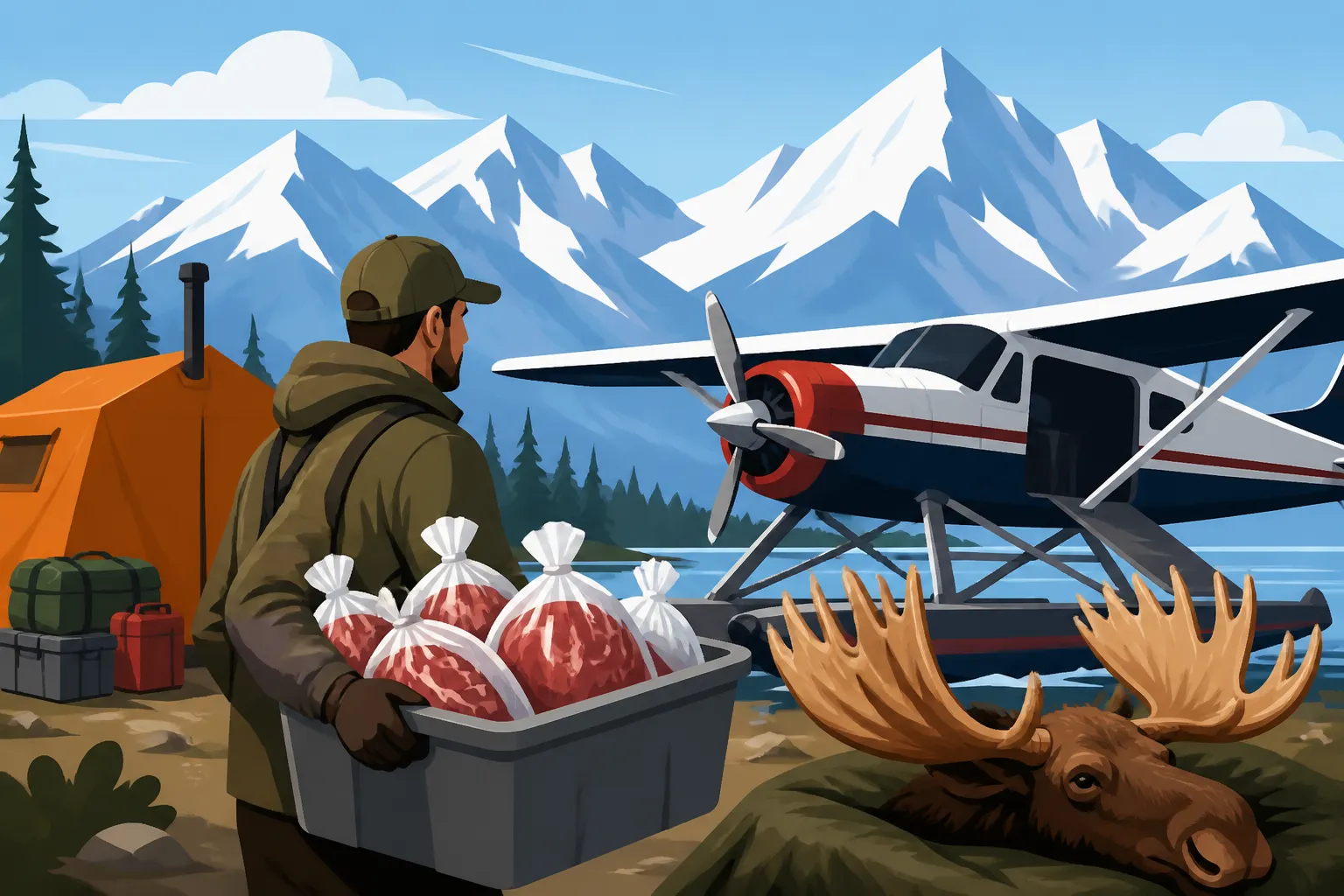
Meat and Trophy Shipping From an Alaska Camp
You've just completed a demanding Alaska hunt, whether it was for a giant bull moose deep in the interior or a massive brown bear on the coast. The hard work is done, your tags are filled, and the adrenaline is starting to subside. Now comes the often-overlooked, yet incredibly crucial, logistical puzzle: how do you get all that hard-won meat and your prized trophy safely and legally back home, sometimes thousands of miles away? This guide is here to walk you through the complexities, frustrations, and practical steps involved in meat and trophy shipping from an Alaska camp, ensuring your freezer and wall aren't empty when you get back.
The Realities of Bush Logistics: Getting Your Harvest Out
When you're hunting in Alaska, especially in remote areas only accessible by plane or boat, the challenge of getting your animal out of the field is often as significant as the hunt itself. This isn't like harvesting a deer behind your house and driving it straight to the butcher. Here, every ounce, every dimension, and every step of care you take in the bush directly impacts the success and cost of getting your trophy and protein home.
Initial Field Care and Preservation in Remote Camps
The moment your animal is down, the clock starts ticking on preservation. In Alaska's vast wilderness, there are no walk-in coolers just around the corner. Proper field care is paramount, not just for meat quality but for preventing spoilage that could render your efforts (and investment) useless. For large animals like moose or caribou, this means quartering the animal quickly and efficiently. Each quarter, along with the backstraps, tenderloins, and neck meat, needs to be placed into good quality game bags. These aren't just for cleanliness; breathable game bags are essential to allow the meat to cool down rapidly. This is especially true in September when temperatures can still be surprisingly warm, making Meat Care in 50-Degree September Weather a critical skill.
For trophies, immediately attending to the cape and skull is non-negotiable. Whether you're aiming for a shoulder mount or a life-size display, the initial cuts, skinning, and cooling of the cape will dictate the final quality of your taxidermy. For bears, this includes meticulous work around the lips, ears, and eyes. Knowing how to perform these cuts correctly, such as when Turning Bear Lips and Ears in Camp, is a skill that saves thousands in potential repair costs or even outright loss of the trophy.
The Critical Role of Your Transporter or Guide
Unless you're truly self-sufficient with your own aircraft, your air taxi or guide is the crucial link in your logistics chain. These professionals are not just getting you to the hunting grounds; they are equally responsible for getting you out, along with your gear, meat, and trophies. This is where open and honest communication about your expectations and their capabilities becomes vital. When you book your hunt, whether directly or through a service like BookYourHunt, always discuss their policies for meat and trophy extraction. Ask about the typical number of flights it takes to get an animal like a bull moose out, especially if it's a large one.
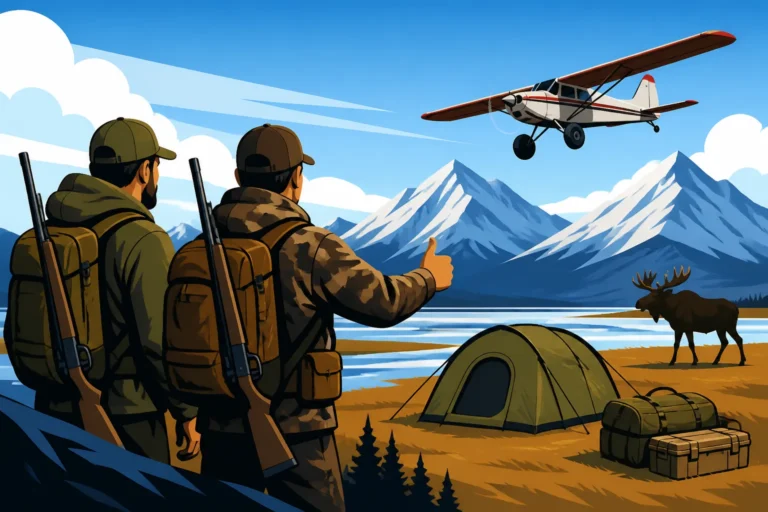
Remember that transporters are legally limited in what they can provide. While they can drop you off and pick you up, they cannot actively assist you in the hunt or meat retrieval beyond transportation. Guides, on the other hand, are hands-on and will manage the entire process, including field care and preparing your harvest for transit. Confirming these details upfront will prevent nasty surprises, like being told a second flight for your moose meat will cost significantly more than anticipated, or that they can't fly meat and passengers on the same trip due to weight or hygiene regulations.
Understanding Weight Limits and Extra Costs
This is where the rubber meets the road, or more accurately, where the weight limit meets your wallet. Bush planes, especially smaller aircraft like Super Cubs, have strict payload capacities. Even larger planes, like a Cessna 185 or Beaver, have limits. When you call in for extraction, your pilot will ask about your gear, your party's weight, and critically, the estimated weight of your meat and trophy. It's not uncommon for a large bull moose to yield 500-800 pounds of boned-out meat, plus a heavy rack. This almost always requires multiple trips, especially if you're flying into a remote gravel bar.
Each extra flight, often referred to as "deadhead time" where the plane flies empty one way, adds significantly to your overall cost. You need to budget for these possibilities. When you discuss flight costs with your air taxi, always ask for their policy on Extra Charges for Overweight Gear and how they handle multiple flights for a successful harvest. Some will quote a flat rate per flight hour, while others might have a specific "meat run" fee. Don't be shy about asking for estimates for a typical moose or caribou extraction. This is also where planning ahead, such as choosing the right gear to begin with, can save you literal pounds.
Preparing Meat for the Journey Home
Once your animal is down and field-dressed, the real work of ensuring that delicious wild game makes it to your dinner table begins. Improper meat care can quickly turn a successful hunt into a heartbreaking loss, especially in Alaska's often unpredictable climate.
Quartering and Bagging for Transport
For any large game animal in Alaska – moose, caribou, bear, or even a large Sitka blacktail deer – the meat needs to be separated from the bone as much as possible for cooling and transport efficiency. This process, often called boning out, reduces weight and volume significantly, which is a huge advantage when you're paying by the pound or by the flight. For moose, this means breaking down the animal into major muscle groups after the initial quartering. Understanding Alaska Moose Meat Salvage Requirements is also crucial here, as you need to ensure you're harvesting all edible portions as mandated by law.
Quality game bags are not a luxury; they are a necessity. Forget those old burlap sacks; modern synthetic game bags are lightweight, breathable, and strong, allowing air circulation to promote cooling while protecting the meat from flies, dirt, and debris. They should be large enough to accommodate the quarters without compressing the meat, which can hinder cooling. Having an ample supply of breathable game bags, particularly Game Bags That Breathe in Coastal Rain, is an absolute must-have on any Alaska big game hunt.
Cooling and Freezing Options in Remote Areas
Cooling the meat quickly is the single most important factor for preservation. In cool temperatures, hanging quarters in the shade, ideally suspended from a tree to allow air to circulate completely around them, is often sufficient. If possible, spreading the meat out on tarps on the tundra at night can help it chill down, and then stacking it in shaded areas during the warmer parts of the day.
However, if you're hunting in early September or in milder coastal areas, temperatures might not drop enough. Some hunters bring portable game coolers or even small, battery-operated fans to aid air circulation. In very remote camps, true freezing isn't usually an option until you get back to a town. The goal is to get the meat cooled as quickly as possible, ideally below 40 degrees Fahrenheit, and then keep it cool until you can get it to a proper freezer. Many air taxis or guides will have arrangements with local meat processors or freezers in their base town where your meat can be stored until you're ready for the next leg of its journey.
Working with Bush Processors and Freight Services
Once you're out of the true bush and into a small Alaska town or city, you have options for processing and shipping your meat. Many communities have local meat processors that specialize in wild game. These businesses can bone out your meat further, custom cut it, vacuum seal it, and freeze it rock-solid, which is essential for shipping. They are also adept at handling the unique needs of hunters, often working on tight schedules to get your meat ready before your flight home. This is a service worth every penny, as doing it yourself after a grueling hunt can be incredibly challenging and time-consuming.
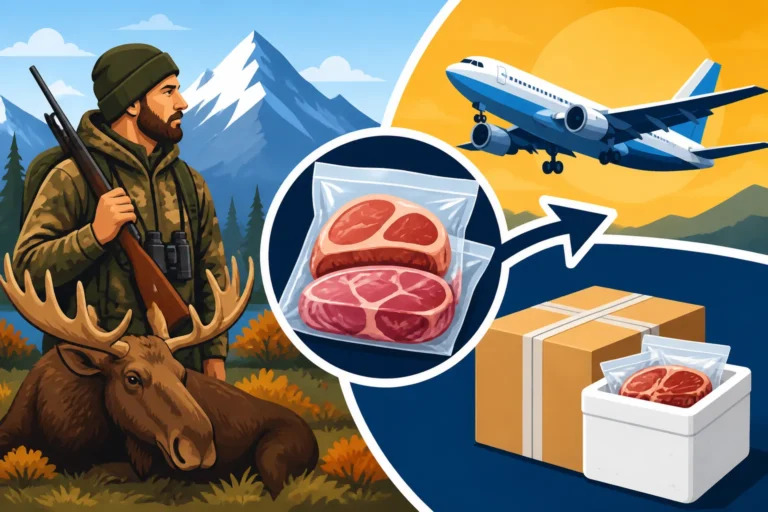
After processing, the next step is freight. Once your meat is frozen, it needs to be packaged for shipment. Many processors will pack your meat into airline-approved coolers or wax-coated boxes. You'll then need to arrange for air cargo or freight services if you're not checking it as baggage on your commercial flight. Companies like Alaska Air Cargo or other specialized freight forwarders handle shipping frozen game. They have specific requirements for packaging and labeling, and often have designated drop-off times. Researching Meat Processing and Freight From Bush Alaska well in advance will save you a lot of stress on the back end of your hunt.
Handling Your Trophy: Capes, Skulls, and Antlers
The trophy is a tangible memory of your hunt, and just like the meat, its quality depends heavily on proper field care and meticulous preparation for transport. Losing a trophy to spoilage or damage due to neglect is a hunter's worst nightmare.
Field Care for Capes and Skulls
For any skin that you intend to have mounted – be it a bear, moose, caribou, or sheep – diligent field care is critical. The skin needs to be thoroughly fleshed, removing as much meat and fat as possible. This is particularly important for bears, which have a thick layer of fat under their hide. If this fat isn't removed, it can trap heat and bacteria, leading to hair slippage, where the hair literally falls off the hide. Knowing how to correctly Cape Care for a Life-Size Bear Mount is a valuable skill.
After fleshing, the cape needs to be liberally salted with non-iodized salt. This draws out moisture and further prevents bacterial growth. Multiple saltings might be needed, changing the salt as it becomes saturated with moisture. Once salted and dried, the hide can be rolled up and frozen or packed for transport to a tannery or taxidermist. Keep the skull separate, making sure to clean as much brain matter and tissue off it as possible to avoid odors and attractants.
The Challenge of Antlers and Horns
Antlers and horns present their own unique challenges due to their size, shape, and fragility. Moose antlers, with their massive paddles and wide spreads, are particularly problematic. It's not uncommon for a large Alaska-Yukon moose rack to exceed 60 inches in width and be quite heavy. For caribou, the intricate webbing and brow tines can be delicate. Dall sheep horns, while dense, can still be chipped or broken.
For transport, antlers are often detached from the skull plate, or if the skull is needed (for sealing or taxidermy), the skull plate is sawed in a way that allows the antlers to be handled more easily. Protecting the velvet on caribou antlers, if applicable, requires extra care, often wrapping them in cloth or bubble wrap. For moose and caribou, the sheer size often means they cannot be checked as standard baggage on commercial flights. They frequently need to be shipped as freight or cargo, or even hand-carried if you have a private plane or vehicle. Confirming your chosen airline's specific rules for Getting Horns and Antlers Home on a Plane is essential, as these policies vary greatly.
Connecting with Taxidermists and Expeditors
Many hunters choose to send their capes and skulls directly to a taxidermist in Alaska or back in their home state. If you opt for an Alaska taxidermist, they will often handle all the necessary processing, tanning, and even shipping of the finished mount to your home. This can simplify logistics, especially for large species or those requiring CITES permits. Some air taxis or processors also act as expediters, providing temporary storage and coordinating the shipment of your trophies to your chosen taxidermist.
For those wanting to use a taxidermist back home, you'll need to arrange for the proper preparation and packaging of your raw cape and skull. This often involves freezing or salting the hide, and ensuring the skull is clean and free of brain matter. Shipping a bear hide, for instance, requires careful consideration of its state – frozen, salted, or tanned – and packaging to prevent damage or spoilage. Companies specializing in Shipping an Alaska Bear Hide to a Taxidermist can provide specific advice and services.
Navigating Air Travel with Game Meat and Trophies
Once your harvest is processed and packaged, the final hurdle is getting it onto a plane and to your home. This can be one of the most stressful parts of the journey, filled with regulations, potential delays, and unexpected costs.
Airline Regulations for Checked Game Meat
Commercial airlines have specific rules for transporting game meat as checked baggage. Generally, the meat must be solid frozen, well-packaged, and not leaking. It typically needs to be in airline-approved coolers or sturdy, wax-coated boxes. Many airlines specify that dry ice can be used, but usually with strict limits on quantity and specific ventilation requirements. Wet ice is generally not allowed, as melting water can leak and damage other baggage or the aircraft itself.
You'll need to declare your game meat at check-in. It's often subject to standard baggage fees, and if you exceed weight or number of pieces, you'll incur additional overweight or oversized baggage charges. Some airlines might have specific restrictions on the quantity of meat per passenger, so it's always best to call your airline directly and confirm their current policies before you fly. Neglecting this step can lead to delays, fines, or even having your meat confiscated. Having a clear understanding of Airline Rules for Frozen Game Meat is paramount.
Shipping Antlers and Skulls as Excess Baggage or Freight
Antlers, especially large ones, rarely fit within standard checked baggage dimensions. Most airlines will classify them as oversized or excess baggage, or even require them to be shipped as cargo. This means they won't go on the same flight as you, and you'll need to arrange for pickup at the cargo facility at your destination airport.
For skull plates and smaller antlers, they might fit within oversized baggage limits if properly packaged in a sturdy box or crate. Again, always contact your airline well in advance to understand their specific policies, dimensions, weight limits, and associated costs. If shipping cargo, compare rates and transit times between different carriers. Be prepared for potentially significant costs, as freight charges are based on weight and dimensions.
CITES Permits for Specific Species
This is a critical, often overlooked detail for certain trophy species. If you hunt a brown bear in certain areas of Alaska, specifically those designated as "listed" populations under the Convention on International Trade in Endangered Species of Wild Fauna and Flora (CITES), you will need a CITES permit to export its hide, skull, or any other part out of the United States. This applies to both residents and non-residents, and it's a federal permit, not state.
Obtaining a CITES permit involves an application process through the U.S. Fish and Wildlife Service, which can take time. Without this permit, your brown bear trophy cannot legally cross international borders, and sometimes even state lines. Your guide or transporter should be very familiar with this requirement, but ultimately, it's your responsibility as the hunter to ensure all permits are in order. Failure to comply can result in confiscation of your trophy and significant legal penalties. Learn more about CITES Requirements for an Alaska Brown Bear and Export Permits for an Alaska Brown Bear Hide early in your planning.
Logistical Planning and Budgeting for the Trip Home
The journey home for your meat and trophy is not an afterthought; it's an integral part of the hunt that requires careful planning and a dedicated portion of your budget. Neglecting this can turn a successful hunt into a logistical nightmare.
Estimating Costs Beyond the Hunt Itself
Many hunters meticulously budget for their license, tags, airfare to Alaska, and the guide or transporter fee. What often gets underestimated are the "back-end" costs associated with getting your harvest home. These can include:
- Extra bush flights: As discussed, a large animal might require multiple trips from your camp, leading to additional fees from your air taxi.
- Meat processing: Professional processing, cutting, vacuum sealing, and freezing can add a few hundred dollars or more, depending on the size of the animal.
- Coolers/Boxes: Durable, airline-approved coolers or heavy-duty shipping boxes aren't free.
- Freight/Excess Baggage fees: Shipping meat and antlers via air cargo or checking them as oversized baggage can quickly add up, often costing hundreds, if not over a thousand dollars, depending on the size and weight.
- Taxidermy/Expediting fees: If you leave your trophy with a taxidermist or expediter in Alaska, there will be fees for their services and subsequent shipping.
- CITES permit fees: While relatively small, these are still an expense and a time commitment.
A good rule of thumb is to factor in an additional 10-20% of your total hunt cost specifically for these post-harvest logistics. Brands like GoHunt often provide resources or forums where hunters discuss these hidden costs, giving you a better idea of what to expect.
Packing Strategies for Multiple Pieces
When you're trying to get a full load of meat and a large rack home, strategic packing is key. Think about modularity and efficiency.
| Item Type | Packaging Strategy | Notes |
|---|---|---|
| Meat | Hard-sided, insulated coolers or wax-coated boxes | Must be frozen solid. Clearly labeled with contents, your name, address, and contact info. Ensure no leaks. Consider dry ice, but check airline rules. |
| Cape | Double-bagged, frozen solid, in a sturdy cooler or box | Fleshed and salted (if not frozen). Protect delicate areas like ears and nose. Label clearly for taxidermist. |
| Skull Plate | Wrapped in heavy-duty plastic, then placed in a sturdy box | Cleaned of all brain matter and tissue. If the skull cap is attached to antlers, ensure it's secure. |
| Antlers/Horns | Custom crated or heavily wrapped in bubble wrap/cardboard | Protect delicate points. For large moose racks, consider detaching the skull plate to make it more manageable. Ensure all exposed points are covered to prevent damage to other freight or personnel. May need to be shipped as cargo due to size. |
| Small Bones/Scraps | Legal for some states, check regulations | Check if your home state allows importation of certain bone parts. Otherwise, these are usually left in Alaska or disposed of according to local regulations. Alaskan salvage laws may require certain bones be salvaged from the field. |
Making sure everything is clearly labeled with your name, phone number, and destination address is not just good practice, it's vital for recovery if any piece gets separated. Using bright, distinct tape or tags can help your items stand out in the baggage or cargo hold.
The Value of Communication and Contingency Planning
Throughout this entire process, communication is your most powerful tool. Talk to your air taxi pilot about meat and trophy extraction plans before the hunt begins. Discuss your intentions with potential processors and taxidermists in Alaska. Call your airline about their specific regulations. Don't assume anything.
Contingency planning is also crucial. What if your commercial flight home is delayed, and your frozen meat sits in an airport for an extra day? What if your antlers are too large for the cargo hold on your intended flight? Having a backup plan, whether it's arranging for additional dry ice at an airport, finding an expediter, or even considering an alternative shipping method, can save you from a major headache. While it's impossible to plan for every eventuality, thinking through potential bottlenecks and how you might address them will give you peace of mind.
Remember, getting the animal is only half the adventure. Successfully navigating the logistics of meat and trophy shipping ensures your Alaska hunting experience has a truly satisfying conclusion.
Disclaimer
This article is for general informational purposes only and does not constitute professional advice. Laws, prices and regulations vary by location and change over time. Consult a qualified professional for guidance on your specific situation.