What an Alaska Guided Hunt Price Includes
One of the biggest anxieties when planning a dream Alaska hunting trip is staring at an outfitter's quoted price and wondering, "What exactly does that cover?" It's not just about the big number you see on the front page; often, the true cost of an Alaska guided hunt is a complex tapestry woven from a base fee and a multitude of essential, yet often overlooked, expenses. This guide will meticulously break down what you can expect to be included, and more importantly, what crucial elements you'll need to budget for yourself, ensuring you're fully prepared for the financial reality of your Alaskan adventure.
Unpacking the Base Price of an Alaska Guided Hunt
When you first inquire about a guided hunt in Alaska, the number you receive from an outfitter is usually the base price. This figure represents the fundamental services and operational costs associated with getting you into the field and providing a hunting experience. It's the foundation upon which your total hunt budget will be built.
What You're Paying For: The Core Services
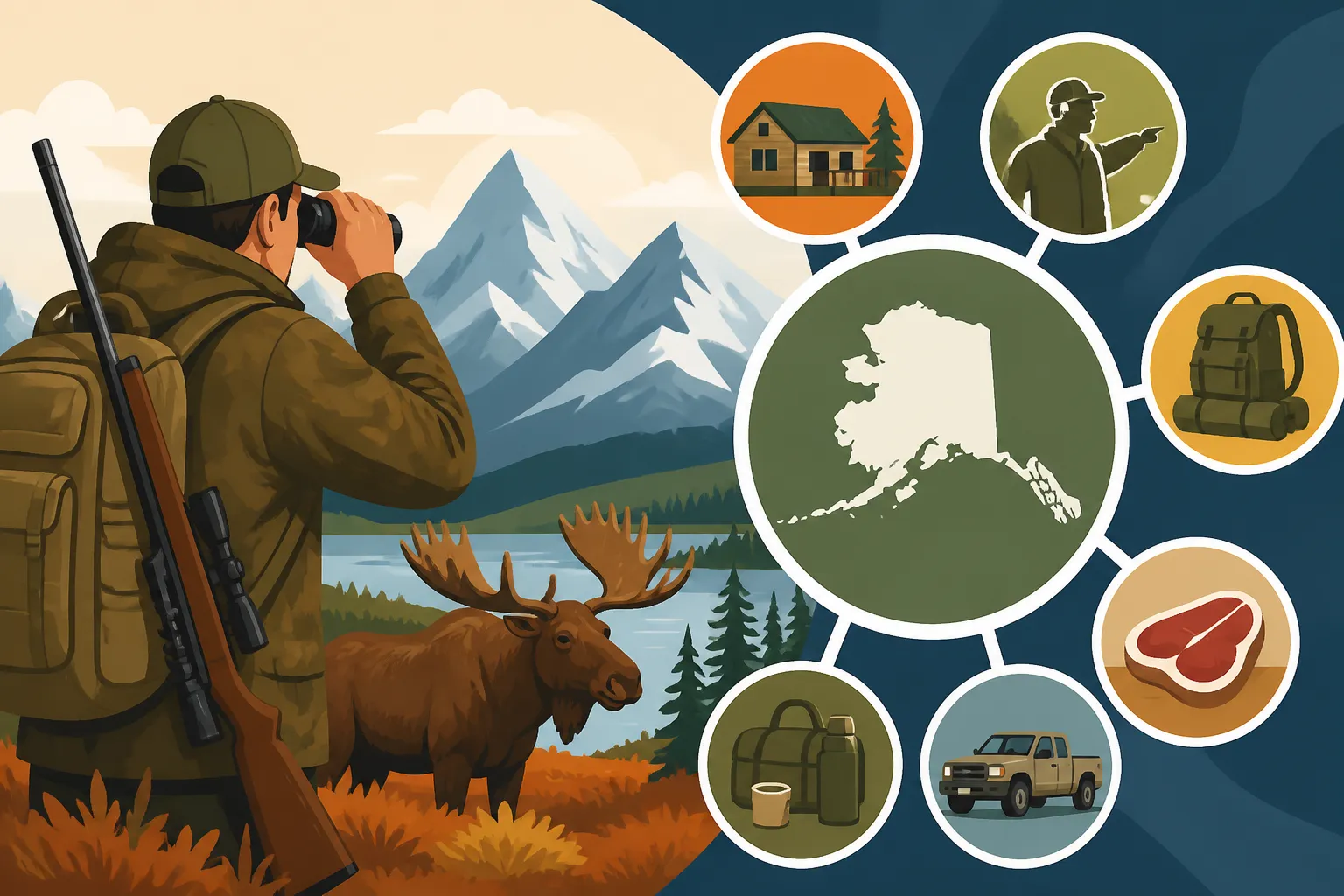
The base price primarily covers the guide's expertise, the logistics of the hunt, and the basic camp setup. You're paying for the invaluable experience of a registered Alaska guide who knows the terrain, the game animals, and the specific regulations like the back of their hand. This includes their daily rate, their knowledge of animal behavior and migration patterns, and their ability to put you in a position to be successful. Beyond just guiding, it often covers the general outfitting of the trip, such as food for the duration of the hunt, basic camp equipment like tents, cots, and cooking gear, and the general wear and tear on the guide's vehicles or boats. Essentially, it’s the package deal that gets you from a designated rendezvous point, often a small bush town or air charter base, to your hunting area and back, including all the necessities for living in the bush. This might encompass everything from first aid supplies to cooking fuel, ensuring you have a safe and relatively comfortable base from which to operate.
Species-Specific Cost Factors
The species you're pursuing in Alaska profoundly impacts the base price. Hunting a Dall sheep in the high alpine, for instance, requires specialized equipment, extreme physical exertion from both hunter and guide, and often more complex logistics like extensive scouting and remote spike camps. These factors contribute to a higher cost. Similarly, a brown bear hunt, particularly in a prime coastal area, commands a premium due to the intense regulatory requirements for guides, the inherent danger, and the specialized knowledge needed to safely and successfully pursue such a powerful animal. In contrast, a moose hunt might be less physically demanding, perhaps involving float trips down a river or ATV access, which can influence the price point downward compared to sheep or brown bear. Alaska Brown Bears on the Coast Versus Interior Grizzlies or Dall Sheep in Alaska's Brooks and Alaska Ranges are inherently different undertakings, demanding varied resources and expertise. This is why you'll see such a wide range in prices when browsing options on platforms like BookYourHunt.
Duration and Seasonality
The length of your hunt is another major determinant of the base price. A standard 7-day hunt will naturally cost less than a 10 or 14-day expedition, as it involves fewer days of guide wages, food provisions, fuel, and equipment use. Guides typically have a set daily rate, and that rate scales with the length of the trip. Seasonality can also play a role, though less dramatically than species or duration. Some outfitters might offer slightly discounted rates during shoulder seasons or for less popular hunt dates, but this isn't universally true. For instance, a very early season hunt for caribou might be structured differently than a late-season rut hunt for moose, each with its own logistical quirks and associated costs. A good guide will always factor in enough days to account for weather and other unforeseen delays, which is also built into that base duration.
Beyond the Base: Essential Add-On Costs
While the base price covers the guide's core services, it's crucial to understand that it rarely includes everything. Many significant expenses are the hunter's responsibility, and overlooking these can lead to serious budget overruns.
Licenses, Tags, and Fees
This is almost universally an additional cost and often a substantial one for nonresidents. You'll need to purchase a general Alaska hunting license, and then specific locking tags for each big game species you intend to hunt, such as moose, caribou, brown bear, or Dall sheep. These tags can range from moderate to very expensive, especially for species like brown bear or Dall sheep for non-residents. Furthermore, some hunts, particularly for species like bison or muskox, are drawing permits, which involve an application fee and the cost of the tag itself if you are successful in the draw. It’s also important to remember federal duck stamps if you plan to hunt waterfowl as camp meat. Always check the current Alaska Department of Fish and Game regulations for up-to-date pricing and requirements for Nonresident Hunting License Costs in Alaska and individual species tags. You might also want to consult resources like GoHunt for detailed information on draw odds and permit application strategies, as successful draw applications require these fees upfront.
Travel and Logistics to the Staging Point
Getting to Alaska itself, and then to the guide's rendezvous point, represents a significant portion of your overall budget. This includes your round-trip airfare from your home to a major Alaskan city like Anchorage or Fairbanks. From there, you might need additional domestic flights to smaller bush towns (e.g., King Salmon, Kotzebue, Dillingham) where your guide or air taxi will meet you. Don't forget to budget for pre- and post-hunt accommodations in these towns. You might spend a night or two in a hotel before flying into the bush and again after returning, waiting for your flight home or for your meat to be processed and shipped. Rental cars, meals in town, and other incidentals during these travel days all add up. It’s a series of logistical steps, each with its own price tag, to get you to the starting line of your actual hunt.
Air Taxi and Bush Flights
This is often the single largest "hidden" cost not included in the base guide fee, particularly for remote fly-in hunts. Most guides operate from a base camp that is accessible by a bush plane. You, as the hunter, are typically responsible for chartering these flights. Air taxi services are expensive, charged by the hour or by the trip, and these costs are usually split between you and your hunting partner if you have one. You'll pay for the flight in, the flight out, and potentially extra flights for meat or trophy pick-up if you get an animal early or if the plane can't carry everything at once. "Deadhead" time – the time the plane flies without you to get to or from your pickup/drop-off point – is also often factored into your bill. This expense can easily run into thousands of dollars, depending on the distance, the type of plane, and the weight of your gear. Planning for Fly-In Hunting: Working With an Alaska Transporter Pilot is essential to avoid sticker shock.
Consider this example for calculating air taxi costs:
| Factor | Description | Impact on Cost |
|---|---|---|
| Hourly Rate | The base cost per hour of flight time for the aircraft. | Varies greatly by plane type (e.g., Super Cub vs. Cessna 185 vs. Beaver). |
| Flight Duration | Actual time in the air from base to camp and back. | Longer distances mean higher flight times and thus higher costs. |
| Deadhead Time | Time the plane flies without you (e.g., flying empty to pick you up). | Often charged at the same rate; can significantly increase total cost. |
| Load Capacity | How much weight (hunter, gear, meat) the plane can carry. | May require multiple flights for heavy loads or larger animals (e.g., moose). |
| Extra Pickups | Additional flights for meat/trophy or early departure. | Each extra flight adds significant cost due to additional flight time and deadhead. |
| Fuel Surcharge | Some operators add a fluctuating fuel surcharge based on current prices. | Can be a variable component depending on the market. |
Personal Gear and Preparations
Your own gear, while a one-time investment that can be used on future hunts, is another significant cost that is absolutely not included in your guided hunt price. Being adequately prepared for Alaska's unforgiving conditions is not just about comfort; it's about safety and success.
Specialized Clothing and Equipment
Alaska's weather is famously unpredictable and can swing wildly, even within a single day. You will need high-quality, waterproof, and breathable layering systems. Think expensive rain gear, durable hiking boots, insulated camp boots, specialized base layers, and robust outer shells. A guide will typically provide a gear list, and adhering to it is crucial. This isn't the place to cut corners with bargain bin apparel. Your clothing system must perform under persistent rain, wind, snow, and freezing temperatures. Beyond clothing, you’ll need a robust backpack, headlamps, trekking poles, and personal hygiene items. Often, items like sleeping bags and pads will also need to be high-quality and rated for extreme cold, depending on the time of year and elevation of your hunt. You might find great discussions about Rain Gear Guides Actually Recommend or Boot Requirements for Coastal Alaska Hunts when researching gear.
Rifle, Ammo, and Optics
Your choice of firearm and optics is deeply personal, but it's an undeniable expense. Whether you're bringing your trusted rifle or purchasing a new one, consider the cost of the rifle, quality scope, rings, and a sufficient amount of premium hunting ammunition for practice and the actual hunt. For larger game like brown bear or moose, a powerful, accurate rifle is not just preferred, but necessary. Rifle Choice for Alaska Brown Bear Country is a common topic for good reason. Optics, including binoculars, spotting scopes, and rangefinders, are also critical for successful hunting, especially in vast Alaskan landscapes where animals might be spotted at long distances. Investing in quality glass can make or break a hunt, allowing you to accurately judge an animal's legal status or simply locate game. You'll also need to budget for bore-sighting and zeroing your rifle, potentially after the bush flight, as described in Sighting In a Rifle After a Bush Flight.
Pre-Hunt Physical Conditioning
While not a direct monetary cost, the investment in your physical fitness is paramount, especially for physically demanding hunts like Dall sheep or mountain goat. Guides often emphasize that your success can hinge on your ability to keep up, navigate rugged terrain, and endure long days. If you're not already in top shape, budgeting time and potentially resources (like a gym membership or personal trainer) for pre-hunt conditioning is a smart move. A guide can't "carry" you up a mountain, and your physical limitations could genuinely impact the hunt's outcome for both you and your guide. Many guides will discuss Fitness Expectations on an Alaska Sheep Hunt during the booking process for this very reason.
Post-Harvest Expenses
So, you've successfully harvested an animal – congratulations! Now, the next set of costs begins. Getting your meat and trophy home involves a series of processes and expenses.
Meat Processing and Shipping
Once an animal is on the ground, the work is far from over. The meat needs to be properly cared for, packed out (often requiring another bush flight or significant effort from your guide and you), and then typically transported to a meat processor. Many towns that serve as jumping-off points for hunts have facilities that can cut, wrap, and freeze your wild game. The cost of this processing is generally your responsibility. After processing, you'll need to arrange for shipping the frozen meat back home, which can be expensive due to weight and specialized handling requirements. This might involve air freight or even dedicated coolers shipped via commercial airlines. Make sure to understand Meat Shipping Cost From Bush Alaska and Airline Rules for Frozen Game Meat before you arrive.
Trophy Care and Taxidermy
If you've harvested a trophy animal, you'll have additional costs for field preparation and eventual taxidermy. Your guide will typically handle the initial field care, such as caping and skinning, and sometimes even rough salting. However, the cost of sending the hide to a tannery for preservation, getting the skull cleaned (often by boiling or dermestid beetles), and then shipping these components to your chosen taxidermist (either in Alaska or back home) is yours. Taxidermy work itself is a significant investment. From shoulder mounts for moose or bear to full-body mounts, the cost varies widely based on the size of the animal and the complexity of the mount. It’s always a good idea to discuss Trophy Care Included in the Guide Fee with your outfitter beforehand.
Gratuities for Your Guide and Staff
It is customary to tip your guide and any support staff (like packers or camp cooks) at the end of a successful hunt, or even a challenging one where they worked hard. This is an industry standard and a significant part of their income. While not mandatory, it's a strongly recommended practice. The amount is typically a percentage of the base hunt cost, and it's essential to budget for this in advance. The specific percentage can vary, but generally, clients plan for 10-20% of the hunt's base cost. Discussing Tipping an Alaska Guide and What Is Customary with your outfitter or researching industry norms is a good idea to ensure you're prepared.
Unexpected Variables and Contingency Planning
Alaska is wild, and plans can change in an instant due to factors completely beyond anyone's control. Being financially prepared for these possibilities is a hallmark of a seasoned hunter.
Weather Delays and Extra Days
Mother Nature holds ultimate sway in Alaska. Severe weather can ground bush planes, make rivers unnavigable, or simply make hunting impossible for days on end. This can lead to unexpected delays, forcing you to spend extra nights in a bush town or extending your time in camp. While some guides build a buffer into their schedules, significant delays might incur additional costs for lodging, food, or even extra air taxi time if the weather window shifts significantly. It's smart to have a flexible schedule and a financial buffer for these potential "weather days and who pays for them." These delays are rarely the fault of the guide, and having extra funds for unanticipated layovers prevents additional stress.
Hunt Insurance and Evacuation Coverage
Given the remote nature of many Alaskan hunts, travel insurance and medical evacuation coverage are not just wise investments, they are practically necessities. If you need to cancel your hunt due to an unforeseen emergency (illness, family crisis, etc.), hunt cancellation insurance can protect your substantial financial outlay. More critically, if you have a medical emergency in the field, a helicopter or fixed-wing aircraft evacuation can cost tens of thousands of dollars. Standard medical insurance often won't cover such an event in the wilderness. Specialized "medevac" insurance plans offer peace of mind and are a relatively small expense compared to the potential financial catastrophe of an unassisted emergency transport. When discussing Emergency Evacuation Plans in Remote Alaska with your guide, also ask about their recommendations for this type of coverage.
In conclusion, while an Alaska guided hunt offers an unparalleled adventure, the price you see initially is just the beginning. By meticulously breaking down the base cost, acknowledging the essential add-ons like licenses and air travel, preparing for personal gear expenses, budgeting for post-harvest logistics, and planning for unexpected contingencies, you can embark on your Alaskan dream hunt with financial clarity and peace of mind. It's a significant investment, but with careful planning, it's one that can yield incredible memories and a trophy of a lifetime.
Disclaimer
This article is for general informational purposes only and does not constitute professional advice. Laws, prices and regulations vary by location and change over time. Consult a qualified professional for guidance on your specific situation.