Floating the Koyukuk River for Moose
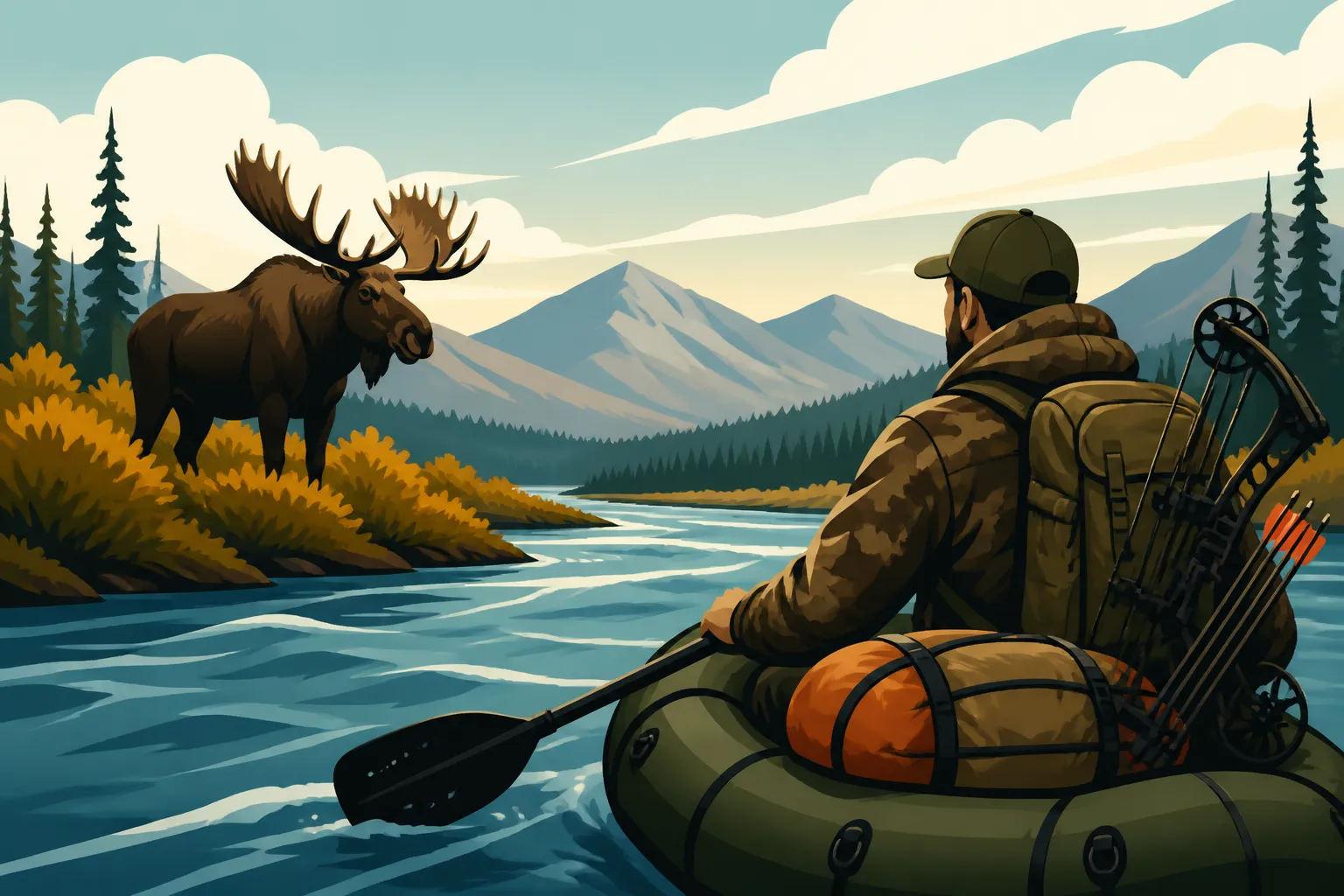
Floating the Koyukuk River for moose is an Alaskan adventure that calls to many, but the sheer remoteness and logistical hurdles can make it feel like an impossible dream. This guide is here to demystify the process, offering a detailed look into planning, executing, and safely completing a successful float hunt for moose in one of Alaska's most wild and pristine river systems.
Understanding the Koyukuk River System for Moose
The Koyukuk River system, winding through the vast interior of Alaska, is a legendary destination for moose hunters. It's not just a river; it's an intricate network of waterways, sloughs, and dense riparian habitat that creates an ideal environment for Alaska's largest cervid. However, understanding its character and prime moose areas is crucial before you even start packing your dry bags.
The Koyukuk's Unique Moose Habitat
Imagine a river that seems to stretch forever, its main channel often slow and meandering, flanked by countless oxbows, backwaters, and smaller sloughs. This is the Koyukuk. The riverbanks are often choked with dense willow and alder thickets, interspersed with black spruce forests – precisely the kind of browse that moose thrive on. These areas provide both abundant food sources and critical cover, making it a perfect nursery and feeding ground. During the fall, especially as the rut approaches, these dense areas along the water's edge become prime territories for bulls seeking cows. The sheer scale of the drainage means that moose have vast undisturbed areas to live and grow, often reaching impressive sizes. This remoteness, while challenging for access, is exactly what contributes to the healthy moose populations that can be found here.
Prime Segments and Tributaries for Moose Activity
The Koyukuk isn't just one river; it's a massive drainage system with numerous tributaries, some of which are destinations in themselves. While a truly "prime" segment can change year to year based on water levels, past fires, and moose distribution, focusing on areas with a good mix of willow flats and spruce timber is always a solid strategy. Generally, sections of the main Koyukuk itself, as well as its larger tributaries like the Hogatza, Gisasa, and Alatna rivers, can offer excellent opportunities. These smaller rivers often have a more concentrated ribbon of moose habitat along their banks, making it easier to spot game from a raft or to move through on foot. Scouting, even from satellite imagery, is absolutely critical. You'll want to look for areas with a mosaic of older burns (which provide regenerating browse) and current willow growth along slow-moving water. Moose move with the seasons and the availability of food, so what was hot last year might be quiet this year. Tools like onX Hunt can be invaluable for identifying these habitat types and potential glassing points from a map long before you set foot in the bush.
Planning Your Koyukuk Moose Float Hunt Logistics
Embarking on a Koyukuk moose float hunt isn't a spur-of-the-moment decision. It requires meticulous planning, especially when it comes to gear and transportation. You're heading into true wilderness, far from any road system or easy resupply, so every detail matters.
Essential Gear for a Remote River Expedition
Your gear list for a Koyukuk float hunt needs to be robust, redundant, and built for remote, potentially wet and cold conditions. The raft itself is paramount: it needs to be large enough to safely carry all your gear, food, and most importantly, an entire moose carcass (or at least half of one, to shuttle back and forth). A 14-foot or larger raft is often recommended for two hunters and their gear, and certainly if you expect to load a bull. Look for rafts with plenty of D-rings and tie-down points. Beyond the boat, consider:
- Shelter: A bomb-proof tent or wall tent with a stove for heating is almost a necessity for multi-day September hunts.
- Cooking: A reliable stove, plenty of fuel, and bear-resistant food storage containers are essential.
- Navigation: Redundant GPS devices, detailed paper maps (and a waterproof map case), and a compass are non-negotiable. Digital mapping applications like onX Hunt, loaded onto a durable device and downloaded for offline use, can complement your paper maps by offering real-time positioning and topography details that are vital in featureless terrain.
- Communication: Satellite phones or satellite messengers like an inReach are vital for check-ins and emergencies. Signal Devices and Check-In Plans for Solo Alaska Hunts
- Personal Gear: Layers of synthetic and wool clothing, waterproof outer shells (Gore-Tex or similar), multiple pairs of durable rubber boots (hip waders or chest waders are often useful), and a robust sleeping system rated for below-freezing temperatures are a must. Don't forget a comprehensive first-aid kit and bear spray, alongside your rifle.
- Meat Care: Quality game bags, ropes for hanging meat, and a tarp for protecting meat from rain are crucial. Remember, you'll be quartering a bull alone in the field, likely in damp conditions, so having the right tools is key.
Every piece of gear should be tested and packed in waterproof bags or containers. A small repair kit for your raft, stove, and other critical items can literally save your hunt.
Working with Air Taxis and Drop-Off Points
Accessing the Koyukuk drainage typically involves an air taxi. This isn't like catching a commercial flight; it's a specialized service where bush pilots fly small aircraft into remote areas. You'll need to coordinate a drop-off point and a pick-up point with your chosen air taxi service well in advance. Common aircraft include float planes for landing on lakes or rivers, and wheel planes that can land on suitable gravel bars. The pilot will be your lifeline to the outside world, so clear communication about your route, estimated duration, and planned pick-up location is paramount.
When discussing drop-off and pick-up spots, be prepared to provide precise coordinates, perhaps marked on your onX Hunt map, and discuss alternative landing sites in case of bad weather or changing river conditions. Be aware that weather can cause significant delays, both for your drop-off and your pick-up. Always build extra buffer days into your schedule to account for this. It's also important to confirm weight limits for gear on the aircraft – every ounce counts on a bush flight. Setting a Take-Out Date With Your Pilot is one of the most critical conversations you'll have. Remember, air taxis provide transportation, not guiding services. They can drop you off, but they cannot assist in hunting or retrieving game.
River Navigation and Safety Considerations
The Koyukuk, while generally slow-moving, presents its own navigational challenges. The river can be wide in places, with numerous channels, sandbars, and snags or "sweepers" (partially submerged trees) that can capsize a raft or punch a hole in it. Always wear your personal flotation device (PFD) when on the water, and be vigilant about reading the current and avoiding obstacles.
Bear safety is another critical component of any Koyukuk hunt. This is prime grizzly and black bear country. Implement strict bear country protocols: properly store all food and attractants away from your sleeping area, carry bear spray, and know how to use it. When you've made a kill, especially a moose, the scent will carry far. Be extra vigilant while butchering and caching meat. Bear Safety While Butchering a Kill in Alaska is not just a suggestion; it's a survival imperative. Make sure you have a solid plan for hanging meat out of bear reach. Your communication device isn't just for check-ins; it's for emergencies, whether human-related or bear-related.
Moose Hunting Strategies on the Koyukuk
Hunting moose on a float trip requires a specific set of strategies, blending river travel with ground hunting techniques. It's about being opportunistic, patient, and knowing how to capitalize on the riverine environment.
Spotting and Stalking Along the Riverbanks
One of the primary advantages of a float hunt is the ability to cover significant ground (or water, rather) while quietly observing the banks. As you drift or slowly paddle downstream, constantly glass the willow and alder thickets, looking for the tell-tale dark shape of a moose, the flash of antlers, or even just fresh tracks and rubbed trees on the muddy banks. Early mornings and late evenings are often the best times for spotting moose out feeding in more open areas. When you spot a moose that looks promising, quietly beach your raft on a sandbar or gravel bar. From there, it becomes a classic spot-and-stalk scenario. Pay close attention to wind direction, use available cover, and move slowly and deliberately. The dense vegetation can make closing the distance tricky, but the river itself often provides natural lanes of travel or concealment.
Calling Moose in the Dense Riverine Habitat
The dense habitat along the Koyukuk makes calling an incredibly effective strategy, especially during the rut. Moose are very vocal, and a well-executed calling sequence can often draw a curious bull out of the thick timber or willow swamp. You'll want a good cow call, a bull grunt tube, and perhaps a moose scapula or paddle for raking brush. Find a good vantage point, perhaps on a slightly elevated bank or island, where you have good shooting lanes, and the wind is in your favor. Start with some soft cow calls, mixing in a few grunts and light raking to mimic a bull feeding. Calling Bull Moose During the Alaska Rut can be an art form. Patience is key; a bull might take minutes or even an hour to respond, circling downwind to catch your scent. Be ready for a quick shot once they commit and appear.
Field Care and Meat Salvage Challenges
Successfully taking down a bull moose is only half the battle; the real work often begins with field care, especially in a remote, wet environment like the Koyukuk. Alaska's rigorous salvage laws mean you are required to take all edible meat. Alaska Moose Meat Salvage Requirements are non-negotiable. This means quartering the animal quickly and efficiently, often while battling insects and potentially wet conditions. Carrying a good quality saw (like a Wyoming Saw or a bone saw) and multiple sharp knives is essential.
Once quartered, the meat needs to cool as rapidly as possible to prevent spoilage, particularly if you are hunting in warmer September weather. Meat Care in 50-Degree September Weather is a major concern. Get the quarters into breathable game bags and hang them from trees to allow air circulation and keep them away from scavengers. If you're on a sandbar, use tarps to create shade and elevate the meat off the ground. Getting the meat into your raft can be a strenuous task. Loading a Bull Moose Into a Raft is best done with two people, carefully balancing the heavy quarters to maintain the raft's stability and trim. You'll need to secure the meat well for the rest of your float, ensuring it stays dry and cool.
Regulatory Aspects and Ethical Hunting
Hunting in Alaska comes with specific responsibilities, not just for safety and logistics, but also for adherence to regulations and ethical conduct. The Koyukuk, being such a pristine area, demands extra respect for its wildlife and environment.
Understanding Alaska Moose Regulations
Before you even book your flight, you absolutely must be intimately familiar with the current Alaska hunting regulations for the Game Management Unit (GMU) you plan to hunt in. Moose regulations can vary significantly from one unit to another, and even within subunits of the same GMU. Common restrictions include antler size limits (e.g., minimum 50-inch spread or a certain number of brow tines), or spike-fork only restrictions. Alaska Moose Antler Restriction Areas are in place to manage moose populations and ensure sustainable hunting. These rules are serious, and violations can lead to heavy fines and loss of hunting privileges. Websites and apps like GoHunt are excellent resources for staying up-to-date on specific GMU regulations, season dates, and drawing odds, allowing you to thoroughly research your hunt plan. Always cross-reference with the official Alaska Department of Fish and Game (ADF&G) regulations.
| Alaska Moose Regulation Types | Description | Common Enforcement | Importance for Koyukuk Hunters |
|---|---|---|---|
| Antler Restrictions | E.g., 50-inch spread minimum, 4 brow tines on one side, or spike-fork only. | Field judgment by hunter. | Critical to avoid citations. |
| Season Dates | Specific opening and closing dates for various GMUs. | Strict adherence required. | Hunt only during legal periods. |
| Bag Limits | Typically one bull moose per regulatory year. | Self-reporting, sealing requirements. | Avoid overharvesting. |
| Harvest Tickets/Permits | Required in most areas; may be registration or draw permits. | Must be possessed in the field. | Legal proof of hunting privilege. |
| Salvage Requirements | All edible meat must be salvaged. | Inspection by enforcement. | Ethical and legal responsibility. |
Salvage Laws and Wanton Waste
Alaska has some of the strictest wanton waste laws in the country, and for good reason. Game meat is a valuable resource, and it is every hunter's ethical and legal obligation to make full use of their harvest. This means diligently quartering, cooling, and transporting all edible portions of the moose. Wanton Waste Penalties in Alaska can be severe, ranging from hefty fines to confiscation of equipment and even imprisonment. On a remote float hunt, the temptation might be there to leave behind less desirable cuts like ribs or neck meat due to the sheer effort involved in packing them out. Resist this temptation. Plan for the full meat load. It’s part of the commitment to hunting in Alaska.
Respecting the Land and Its Wildlife
Beyond regulations, ethical hunting on the Koyukuk also means adhering to "Leave No Trace" principles. This pristine wilderness should remain that way. Pack out everything you pack in, including all garbage and any non-biodegradable waste. Minimize your impact on campsites, leaving them as you found them, or better. Be considerate of other hunters or users of the river, though on the Koyukuk, encounters with other parties are often rare. Respecting the wildlife also means making clean, ethical shots, and pursuing wounded animals relentlessly. It's a privilege to hunt in such an untouched landscape, and preserving its integrity for future generations is a responsibility every hunter shares.
Disclaimer
This article is for general informational purposes only and does not constitute professional advice. Laws, prices and regulations vary by location and change over time. Consult a qualified professional for guidance on your specific situation.