Packing Out Meat in Alaska: The Salvage Law Hunters Must Follow
You’ve just dropped that magnificent bull moose or a Dall sheep ram on a remote Alaska mountainside, and the adrenaline is still pumping. But then, the real work begins. It’s not just about pulling a trigger; it’s about the monumental effort that comes after the shot, especially when you consider Alaska’s stringent meat salvage laws and the sheer scale of its big game. This guide will walk you through the critical steps and legal requirements for packing out meat in the Last Frontier, ensuring your hard-earned harvest is brought home legally and responsibly.
Alaska's Meat Salvage Laws: What Every Hunter Must Know
Alaska takes its wildlife resources incredibly seriously, and rightly so. These animals are a vital part of the ecosystem and a crucial food source for many, particularly rural residents. The state's meat salvage laws are designed to prevent waste and ensure that every animal taken contributes to a freezer, not just a trophy room. Ignoring these laws can lead to severe penalties, from hefty fines to the loss of hunting privileges. It's not enough to simply kill an animal; you are legally obligated to recover and utilize the edible portions.
The Legal Definition of Edible Meat
When the Alaska Department of Fish and Game (ADF&G) talks about "edible meat," they're not just vaguely referring to some prime cuts. They have a very specific definition that covers almost every substantial muscle group on the animal. For big game like moose, caribou, deer, sheep, and goat, this generally includes all meat on the ribs, neck, brisket, and front and hind quarters. Basically, if it's muscle, it's edible, and it needs to be salvaged. This means stripping the bones clean. You can’t just take the hindquarters and leave a perfectly good neck roast or the rib meat to rot. The law is explicit about what counts as edible meat in Alaska, and understanding this from the outset is crucial for every hunter. It's a huge commitment, far beyond what many hunters in the Lower 48 might be accustomed to, especially when you consider the sheer size of some of our game.
Think about a massive bull moose: that means every ounce of red meat on those ribs, the substantial neck meat, and the brisket. It's a colossal undertaking, requiring hours of meticulous work, often in challenging conditions. Even for smaller animals like Sitka blacktail deer, you're expected to take all the usable meat, not just the backstraps and hams. For bear, the law often differentiates: while you must salvage the hide and skull (which have sealing requirements), the meat itself, while edible, sometimes has different salvage rules, particularly for brown bears where trichinosis is a concern if not properly cooked. Always check the specific species regulations.
Understanding Wanton Waste Penalties
Wanton waste is the legal term for failing to salvage the edible meat from a game animal. And Alaska comes down hard on it. We're talking about serious violations, not just a slap on the wrist. Penalties can range from significant fines—easily in the thousands of dollars—to confiscation of your weapon and gear, loss of your hunting license, and even a ban from hunting in Alaska for many years, or even permanently. It's a penalty that reflects the state's deep respect for its wildlife and its commitment to ethical hunting.
Imagine the frustration and disappointment of spending thousands of dollars on a hunt, successfully taking an animal, only to face criminal charges because you didn't pack out all the required meat. It’s a harsh reality that some hunters, especially those new to the state or unfamiliar with its strict regulations, learn the hard way. Enforcement personnel are out there, and they take these violations seriously. They understand the difficulties of packing out meat in remote areas, but that difficulty does not excuse wanton waste. They expect a good faith effort to salvage everything legally required. This isn't a suggestion; it's a fundamental obligation that underpins the privilege of hunting in Alaska. The state wants to see that you respect the animal enough to make full use of its bounty.
Specific Salvage Requirements for Different Species
While the general principle of salvaging all edible meat applies across the board, there are nuances depending on the species. For example, when you quartering a bull moose alone in the field, you're not just dealing with the prime cuts; you're also obligated to carefully strip meat from the ribs, neck, and even the often-overlooked brisket. The sheer volume of meat from a large moose, often weighing over 600 pounds boned out, requires significant effort and planning. In contrast, for species like caribou or deer, while smaller, the same diligence is expected.
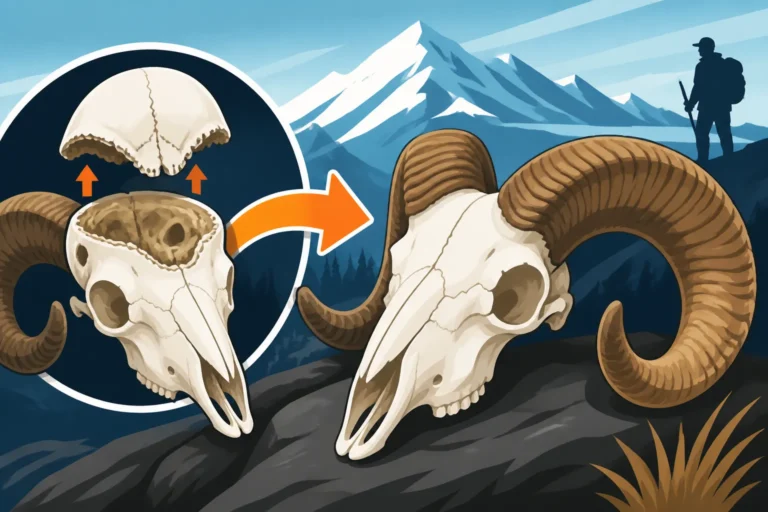
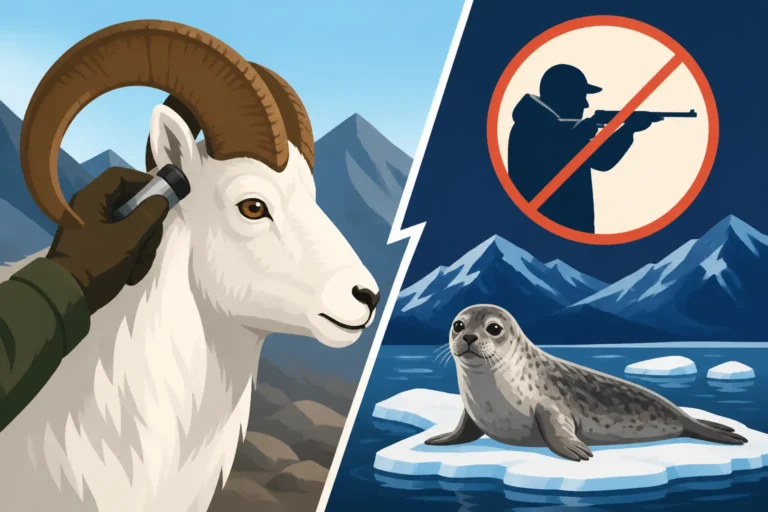
Bears have additional requirements. For both black and brown bears, you must salvage the hide and skull. These are considered integral parts of the animal and often require specific care, like turning bear lips and ears in camp, and getting them sealed by ADF&G. While bear meat is edible and often delicious, especially black bear, historically, hunters sometimes didn't salvage it due to perceptions or trichinosis concerns. However, the legal expectation is that if it's edible, it should be salvaged. Always check the current regulations for the specific Game Management Unit (GMU) you are hunting in, as rules can vary. For Dall sheep and mountain goats, the horns and skull plate removal for sheep horns are also key salvage items, alongside all edible meat. The complexity means a quick check of the regulations booklet isn't enough; you need to truly internalize these rules before you ever step foot in the field.
The Harsh Realities of Packing Meat in Alaska
Let's be real: hunting in Alaska is unlike almost anywhere else. The sheer scale of the landscape, the formidable animals, and the unpredictable weather combine to create a pack-out challenge that can test even the most seasoned hunters. It’s a physical and mental gauntlet, and anyone who tells you otherwise probably hasn't done it. This isn't a stroll through manicured state forests; this is raw, untamed wilderness, and your pack-out will reflect that.
Overcoming Rugged Terrain and Remote Distances
Imagine this: you've dropped a magnificent caribou in the vast, open tundra, miles from any road or even a well-worn game trail. The terrain might look flat from a distance, but up close, it’s a mosaic of tussocks, boggy muskeg, and hidden creek beds that can swallow a boot whole. Or perhaps you've taken a Dall sheep high above timberline, on steep, unstable shale slopes where every step is a calculated risk. Getting to the animal, breaking it down, and then transporting hundreds of pounds of meat back to camp or your pickup point is an endeavor that demands extreme physical fitness and grit.
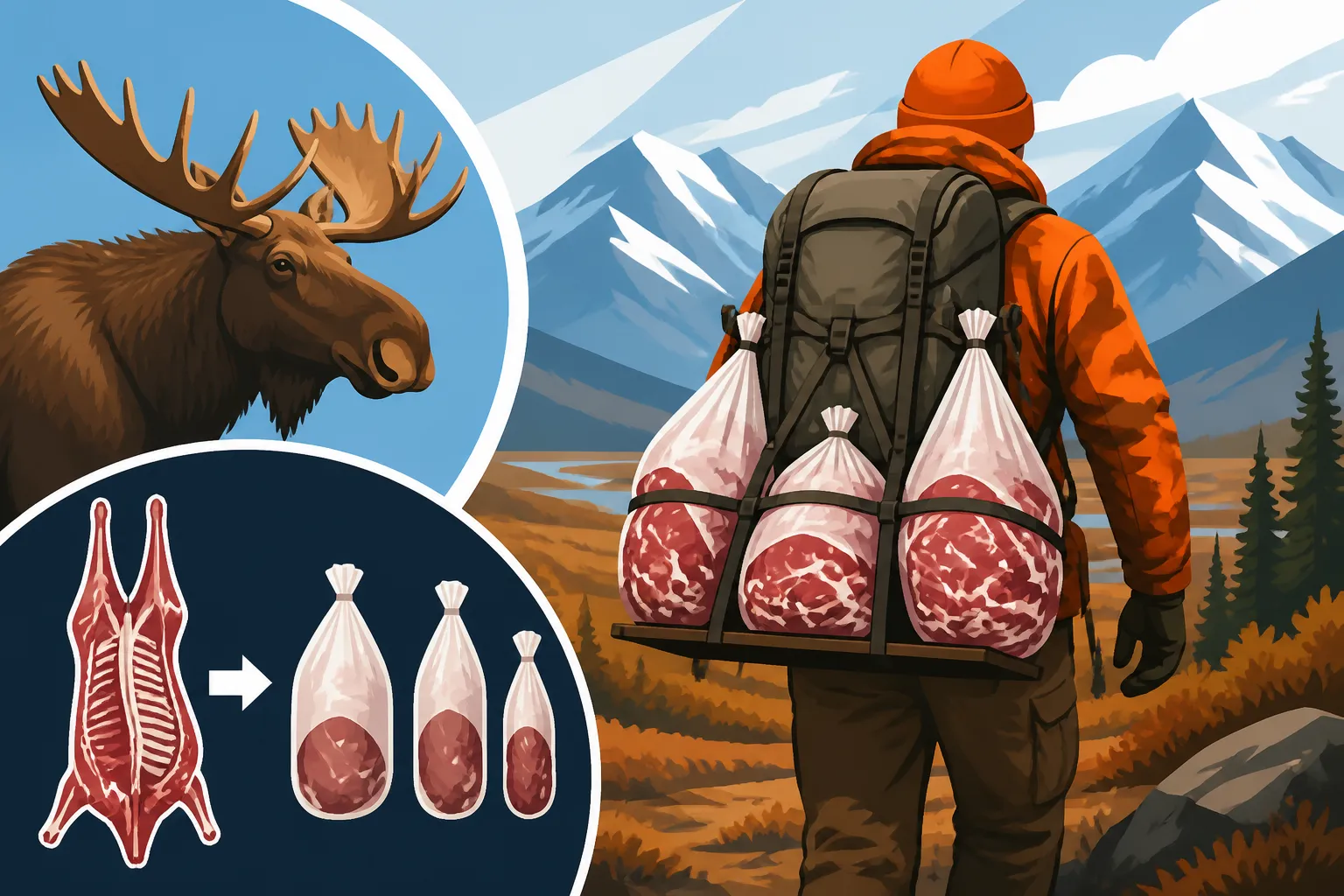
The distances involved are often staggering. A "short" pack-out might be a couple of miles, but that could easily translate into a full day's work over challenging ground. Many hunters find themselves hauling meat for five, ten, or even fifteen miles back to their aircraft pickup point or a river for a float hunt. This is where Backpack Hunting in Alaska: Gear Weight and Meat Loads becomes more than just a preference; it’s a necessity. You need to be strong, mentally prepared for pain, and physically capable of carrying substantial weight, often up to 100-150 pounds or more per load, across unforgiving ground. The wilderness doesn't care about your sore back or tired legs; the meat needs to get out.
Battling Alaska's Unpredictable Weather
Alaska's weather is notoriously fickle. You might start your day under a clear, crisp September sky, only to have a torrential rainstorm move in by afternoon, turning trails into slick mud and chilling you to the bone. Or a warm spell might unexpectedly hit, making meat preservation a race against the clock. When you’re packing meat, these weather shifts don’t just make you uncomfortable; they directly impact the quality and safety of your harvest, and your ability to comply with salvage laws.
For instance, Hanging Meat in Warm September Weather requires specialized knowledge and equipment to prevent spoilage. Warm, wet conditions are a perfect breeding ground for bacteria and attract swarms of flies, which can quickly ruin otherwise perfectly good meat. On the other hand, sudden snowstorms or freezing rain can make already treacherous terrain even more hazardous, potentially slowing your pack-out and leaving your meat exposed to animals for longer. Preparing for all four seasons in a single day is not an exaggeration for Alaskan hunters, and your meat care strategy must be adaptable to whatever Mother Nature throws your way. This isn't just about personal comfort; it's about safeguarding your entire harvest.
Managing the Sheer Volume of Alaskan Big Game
Let's talk scale. An average adult bull moose can weigh upwards of 1,200 to 1,500 pounds live. A mature caribou might be 400-500 pounds, and a large brown bear can easily exceed 800 pounds. When you break these animals down and bone out the meat, you're still looking at hundreds of pounds of edible protein. A big moose, for example, can yield 600-800 pounds of boned-out meat, not including the hide and skull if you're taking a trophy. The logistics of handling this much material, often by yourself or with just one partner, in a remote setting, is arguably the biggest challenge of an Alaskan hunt.
It’s easy to romanticize the kill, but the reality of moving that much weight is a stark awakening. You might be looking at multiple trips, each carrying a significant portion of the animal. This is where having a good plan, understanding field butchering techniques, and being realistic about your physical capabilities come into play. Many hunters, especially first-timers, severely underestimate the physical demands of packing out even a medium-sized caribou, let alone a colossal bull moose. It's a test of endurance, strength, and mental fortitude that can span days, not hours.
Essential Gear for a Successful Meat Pack-Out
You wouldn't go into a major surgery without the right tools, and packing out a big game animal in Alaska should be approached with the same level of seriousness. Your gear is your lifeline, facilitating the process, protecting your meat, and ultimately ensuring you comply with salvage laws. Skimping on these essentials is a surefire way to turn a successful hunt into a miserable, potentially illegal, ordeal.
Choosing the Right Game Bags
Game bags are not just glorified pillowcases. In Alaska, they are critical for protecting your meat from insects, dirt, and moisture while allowing it to breathe and cool. You'll find a wide variety of materials and designs, but the best ones are usually made from a durable, breathable fabric like synthetic blend or tightly woven cotton. Avoid plastic bags at all costs, as they trap heat and moisture, leading to rapid spoilage.
For a massive animal like a moose, you'll want large, sturdy bags designed to hold an entire quarter. For smaller game, lighter bags might suffice. Look for bags that can be easily washed and reused. Brands like Alaskan Game Bags or Caribou Gear are popular choices among Alaskan hunters, known for their robust construction and breathability. These aren't cheap, but they are an investment that pays for itself by protecting your valuable harvest. For example, Game Bags That Breathe in Coastal Rain are essential if you're hunting in Southeast Alaska where perpetual dampness is the norm, as they help prevent mold and allow the meat to cool efficiently even in humid conditions. Here's a quick comparison of common game bag types:
| Feature/Type | Cotton Bags | Synthetic Mesh Bags | Heavy-Duty Synthetic Bags |
|---|---|---|---|
| Material | Cotton or cotton blend | Nylon or polyester mesh | Proprietary synthetic |
| Breathability | Excellent | Good | Excellent |
| Durability | Good, can tear when wet | Moderate, can snag | Excellent, very tough |
| Weight | Heavier when wet | Lightweight | Moderate |
| Insect Protection | Good, fine weave | Moderate, flies can access | Excellent, tight weave |
| Reusability | Good, but prone to stains | Good | Excellent |
| Cost | Moderate | Low to Moderate | Higher |
| Best For | Dry, cool conditions | Quick temporary use | All conditions, heavy use |
Selecting a Reliable Pack Frame for Heavy Loads
This is where many hunters make a critical mistake. A lightweight day pack, or even a robust internal frame backpack, simply won't cut it for the heavy, awkward loads of an Alaskan big game animal. You need a dedicated external pack frame. These frames are designed to carry enormous weight—often well over 100 pounds—comfortably by distributing it to your hips, and keeping the load away from your back for better ventilation. Brands like Mystery Ranch, Kifaru, Stone Glacier, or Barney's Sports Chalet (a local Alaskan favorite) are renowned for their rugged, purpose-built pack frames.
When selecting a pack frame, prioritize durability, a strong frame, and a comfortable suspension system. Adjustable torso length and a robust hip belt are non-negotiable. Remember, you're not just carrying meat; you might also be carrying your rifle, camp gear, and personal essentials. The ability to comfortably carry a large, unwieldy load of meat is paramount for getting your harvest out efficiently and safely. A cheap pack frame will break, dig into your shoulders, or cause unnecessary strain, turning a challenging task into an impossible one. Investing in a top-tier pack frame is one of the smartest decisions you can make for an Alaskan hunt. GoHunt often features reviews and recommendations for high-quality pack frames suitable for remote Alaskan conditions.
Field Butchering Kits and Their Importance
A good field butchering kit isn't just a convenience; it’s an absolute necessity. Trying to break down a 1,000-pound moose with a dull pocket knife is a recipe for frustration, wasted time, and potentially unsafe conditions. Your kit should include:
- Sharp Knives: At least two, a sturdy fixed-blade knife for initial cuts and a smaller, razor-sharp knife for caping and detailed work. Bring a sharpening stone or a portable sharpener. Dull knives are dangerous knives.
- Bone Saw or Hatchet: Essential for severing limbs or splitting the sternum if you're gutting.
- Gambrel or Rope: For hanging quarters, especially in trees, which helps with cooling and keeps meat off the ground.
- Gloves: Latex or nitrile gloves for hygiene, and cut-resistant gloves for safety when handling sharp knives around bones.
- Wipes/Paper Towels: For cleaning hands and equipment.
- Headlamp/Flashlight: Absolutely critical for working after dark, which is almost guaranteed on a big game pack-out.
- Tarp or Ground Cloth: To keep meat clean while processing on the ground.
Having these tools organized and easily accessible will streamline the entire butchering process, allowing you to work efficiently and minimize the time your meat is exposed to the elements or potential scavengers. This is especially true if you are forced to work on an animal after dark, where proper illumination is not just convenient but vital for safety and precision.
Mastering Field Butchering Techniques
Field butchering is a skill, and like any skill, it improves with practice. In Alaska, where animals are huge and conditions can be tough, efficient and clean butchering is paramount. It's about getting the meat off the bone and into your game bags as quickly and cleanly as possible, reducing weight and preventing spoilage.
The Gutless Method Explained
For large animals like moose and caribou, the "gutless method" has become a favored technique among many Alaskan hunters. As the name suggests, it allows you to quarter the animal and remove the major muscle groups without opening the body cavity. This offers several advantages:
- Cleaner Meat: You avoid exposing the meat to gut contents, which can contaminate it and introduce bacteria.
- Less Mess: No need to deal with the overwhelming smell and mess of spilled entrails.
- Reduced Weight for Trophies: If you're caping for a full shoulder mount, the cape remains cleaner.
- Bear Safety: Less odor can potentially reduce attraction to bears, although Bear Safety While Butchering a Kill in Alaska remains critical regardless of method.
The process typically involves rolling the animal onto its side, removing the hide from one side, and then carefully separating the large muscle groups (hindquarters, front quarters, backstraps, tenderloins, neck meat) from the bone structure. Once one side is complete, the animal is rolled onto its other side, and the process is repeated. It’s a methodical approach that, once mastered, is incredibly efficient. GoHunt offers numerous video tutorials and articles demonstrating the gutless method in detail, providing valuable visual aids for learning. This method, combined with a good sharp knife, can save you hours and make the process significantly cleaner, which is a big deal when you're eating this meat for the next year.
Quartering a Bull Moose Alone in the Field
Taking down a bull moose is an incredible achievement, but the monumental task of quartering a bull moose alone in the field can quickly turn elation into exhaustion. This is where planning, technique, and sheer determination come into play. While having a hunting partner is always preferable, sometimes you find yourself solo.
The gutless method becomes even more critical when you're alone. You won't have help rolling the animal, so keeping it largely intact and working one side at a time is key. Focus on getting the meat off the bone in manageable sections. Start with the easiest parts: the backstraps along the spine, then the hindquarters, followed by the front quarters. Remember to take all the neck meat, rib meat, and brisket. This isn't just about efficiency; it's about breaking down the problem into smaller, achievable tasks. You'll likely be exhausted and potentially working against the clock of fading light or changing weather. Knowing precisely what cut comes next, and having the right tools ready, will minimize wasted effort and help you maintain focus until every last ounce of salvageable meat is in your game bags. Expect this to be an all-day, or even multi-day, affair if conditions are challenging.
Proper Caping and Skull Care for Trophies
If you’ve taken a trophy animal—be it a bull moose with a massive rack, a full-curl Dall ram, or a large brown bear—proper caping and skull care are just as important as meat salvage. A poorly caped hide can render a taxidermy mount worthless. For head and shoulder mounts, you'll need to make specific cuts to ensure enough hide is taken with the skull, often extending well behind the shoulders. For full-body mounts, you'll need the entire hide.
For bears, especially brown bears, you'll need to carefully turn the ears, lips, and nose to allow for proper salting and preservation of the hide. This detailed work, often called "fleshing," removes all fat and muscle tissue that could cause the hide to spoil. For sheep, the skull plate must be removed from the horn cores with care to avoid damage. After caping, the hide and skull (if applicable) must be kept cool and ideally salted to prevent hair slippage or decay. Many hunters opt for an initial field salting if they anticipate delays in getting the trophy to a taxidermist. Remember, these trophy parts also fall under specific salvage and sealing requirements in Alaska, so treat them with the same respect as the meat. Taking care of your trophy correctly ensures that your memories of the hunt will last a lifetime, long after the meat is gone from the freezer.
Critical Meat Care in the Alaskan Wilderness
Once the animal is broken down, the clock truly starts ticking. Alaska’s dynamic environment—often wet, sometimes warm, always wild—means that how you care for your meat in the field can make or break your entire harvest. Neglecting these steps can lead to spoilage, attracting predators, and ultimately, a wasted effort.
Rapid Cooling to Prevent Spoilage
The single most important factor in preserving game meat in the field is rapid cooling. Heat is the enemy of fresh meat, promoting bacterial growth that leads to spoilage. As soon as the animal is down, the goal is to get the hide off and the quarters separated as quickly as possible. This allows air to circulate around the meat and helps dissipate body heat.
Even on a cool day, the internal temperature of a large animal can remain high for hours if the hide is left on. Once the meat is in game bags, hang it in the shade, ideally where there’s a breeze. If it’s warm, try to find a spot where cold air might pool, like a shaded draw or near a cool stream (but not in direct water, which can leach flavor and promote bacteria). Getting the core temperature down quickly to below 40°F (4°C) is your primary objective. This is where Cooling a Carcass Before the Flies Find It becomes an urgent priority. Many hunters also choose to remove the bone from quarters, as bone retains heat, slowing the cooling process. This also significantly reduces the weight you'll have to carry, which is a major bonus on a long pack-out.
Securing Your Meat Cache from Bears
You’re in Alaska, which means you’re in bear country. Both black and brown bears are opportunistic scavengers with an incredible sense of smell, and a fresh kill site is an irresistible attractant. Securing your meat cache from bears isn't just about preventing loss; it's about bear safety. An unsecured cache can draw bears into your camp or even lead to dangerous confrontations.
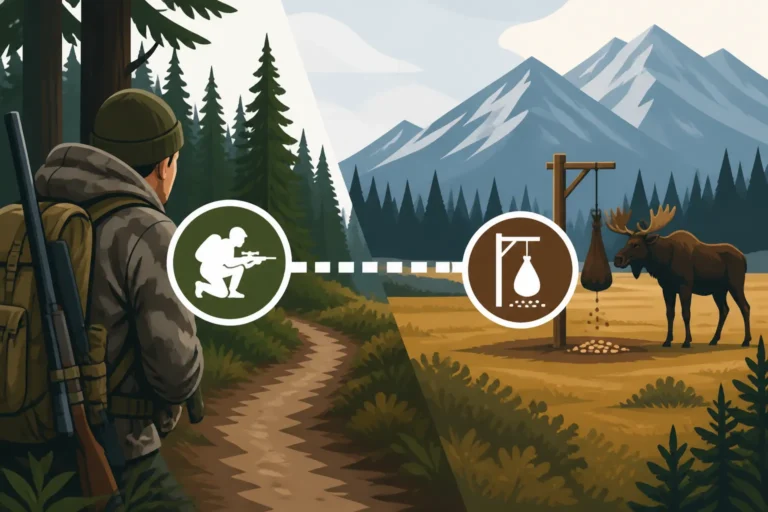
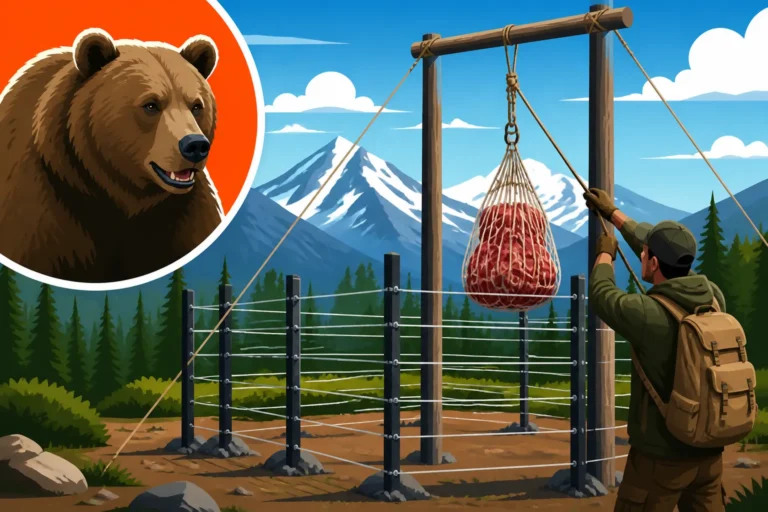
The best strategy is to hang your meat high in a sturdy tree, ideally 10-12 feet off the ground and 4-6 feet away from the trunk, using a bear-resistant method like a pulley system or multiple ropes. If no suitable trees are available, constructing a strong meat pole between two trees or building a sturdy rock cache can work, but less effectively. Always choose a cache location that is downwind and a significant distance (at least a quarter-mile) from your camp. For longer stays, or in high-density bear areas, electric bear fences can provide an added layer of protection around your meat and camp. While working at the kill site, carrying a sidearm around a kill site is crucial, and vigilance for signs of bears is paramount. Never assume you are alone.
Hanging Meat in Warm September Weather
Hunting in early September, especially for moose, often means contending with surprisingly warm weather. Fifty-degree September weather, sometimes even warmer, is not uncommon in many parts of Alaska, and it poses a significant challenge for meat preservation. In these conditions, bacteria proliferate rapidly, and spoilage can occur in just a matter of hours if proper precautions aren't taken.
Beyond rapid cooling, which we discussed, you need continuous airflow and diligent protection from insects. Even if you've got your meat in excellent game bags, flies can lay eggs on the outside, and maggots can hatch and burrow through. Some hunters opt for a light dusting of black pepper or citric acid on the exposed meat surface as an additional deterrent. Furthermore, consider camping in locations that naturally offer cooler temperatures, such as higher elevations or near breezy riverbanks. If you anticipate multiple days of warm weather before extraction, you might need to make more frequent trips to check on your meat, ensuring it’s cooling adequately and remains free of pests. This is truly a battle against nature, and every advantage you can gain will contribute to a successful pack-out.
Logistics of Meat Extraction: Getting it Home
The moment the last game bag is filled, a new set of challenges begins: getting the precious cargo out of the wilderness and back to civilization. This phase of the hunt is entirely dictated by your mode of transport, and each comes with its own unique set of considerations and potential pitfalls.
Float Hunting and River Transport
Float Hunting Alaska Rivers for Moose and Caribou is a popular and effective way to access remote areas and, importantly, to extract large game. There's nothing quite like floating your kill downriver. However, loading a bull moose into a raft is no small feat. A full moose can easily require multiple raft loads, especially if you’re also carrying camp gear and personal effects.
When planning a float hunt, consider the capacity of your raft. A 14-foot raft might comfortably carry two hunters and their gear, but adding 600-800 pounds of moose meat requires careful weight distribution to maintain stability and navigability, especially in swift currents or shallow sections. You need to ensure your raft can handle the increased weight and that you have a secure way to tie down the meat bags to prevent them from shifting or falling overboard. River conditions, such as sweepers and log jams on a hunting float, can become even more dangerous with a heavily loaded raft. Always budget extra time for your float hunt, as the added weight of meat will slow your progress, and you'll want to take extra precautions through rapids and hazards.
Working with Air Taxis for Fly-In Hunts
For many remote Alaska hunts, an air taxi is your only option for access and extraction. This is incredibly efficient, but it comes with strict weight limits and logistical complexities. When you've harvested a large animal, you'll almost certainly need to arrange for a "meat flight" in addition to your initial gear drop-off and final passenger pickup.
The key here is communication with your transporter. Before the hunt, discuss potential meat loads and extra flight costs. Bush planes like Super Cubs or Caravans have specific weight capacities, and you cannot exceed them. Expect to pay for every pound of extra cargo. This often means Splitting Gear Across Two Air Taxi Loads – one for you and your lighter personal gear, and a separate, dedicated flight solely for your meat. These extra flights add significant cost to your hunt, so factor them into your budget. Weather can also cause delays, trapping you in camp for days, so having a contingency plan for food and communication (like an InReach check-in schedules for solo hunts) is vital. Make sure your meat is thoroughly cooled and in high-quality game bags to protect it during transport.
Utilizing ATVs on Designated Trails
In some road-accessible areas or where specific trails are designated, ATVs can be a game-changer for packing out meat. Areas like the Denali Highway or parts of the Kenai Peninsula allow ATV access, and a sturdy four-wheeler with a cargo trailer can haul hundreds of pounds of meat in a single trip. This significantly reduces the physical strain and time compared to backpack hunting.
However, ATV access tactics on Alaska's Denali Highway or other areas come with their own rules and regulations. You must stick to designated trails, and some areas have time restrictions or specific permitting requirements. Respecting these rules is crucial for maintaining access for all hunters. Load your ATV and trailer carefully, ensuring the weight is balanced and secure. Rough trails can easily jar loose poorly secured loads. Always bring extra fuel, a winch, and recovery gear, as getting stuck deep in the backcountry with a loaded trailer is a common, and dangerous, scenario. While an ATV can save your back, it doesn’t eliminate the need for careful planning and adherence to regulations. This convenience is a privilege, not a right, and it can be easily lost if not respected.
Avoiding Common Pitfalls in the Pack-Out Process
Even the most experienced Alaskan hunters can fall prey to common mistakes during the pack-out. These aren't just minor inconveniences; they can jeopardize your harvest, your safety, and your compliance with salvage laws. Learning from others' missteps is a crucial part of becoming a proficient wilderness hunter.
Underestimating Weight and Physical Demands
This is probably the most common mistake newcomers make. You might be in great shape from your gym routine, but carrying 100+ pounds of meat, plus your rifle and gear, over Alaskan tundra or up a sheep mountain is a wholly different beast. The weight is awkward, the terrain is uneven, and every step is a deliberate effort. Underestimating this can lead to exhaustion, injury, and a severely prolonged pack-out, increasing the risk of spoilage or unwanted animal encounters.
To avoid this, honestly assess your physical fitness. Train with a weighted pack, simulate the terrain, and push yourself. Consider a two-hunter team for larger animals to split the load. Don't be ashamed to make multiple, lighter trips if necessary; it's better to take longer and get all the meat out safely than to injure yourself or leave valuable meat behind because you overloaded. Remember, a single hindquarter from a moose can weigh over 100 pounds. Add a front quarter and backstraps, and you're well over 200 pounds for one load. This is where Backpack Hunting in Alaska: Gear Weight and Meat Loads becomes more than just a theoretical concept; it's a practical guide to survival and success.
Neglecting Pre-Hunt Planning
Many hunters focus intensely on the hunt itself—scouting, calling, shot placement—but give insufficient attention to the pack-out logistics. Where will you hang the meat? How will you get it to your extraction point? What’s your plan if the weather turns bad? Neglecting these questions until the animal is down creates chaos and poor decisions under pressure.
Pre-hunt planning should include identifying potential meat cache locations near your hunting areas, understanding the best routes for a pack-out, and confirming communication plans with your transporter or pickup party. Always have a backup plan for adverse weather or unexpected mechanical issues with your vehicle or aircraft. Knowing the exact requirements for Alaska Moose Meat Salvage Requirements and having the necessary gear—sharp knives, game bags, sturdy pack frames—readily accessible prevents wasted time and ensures compliance. A successful hunt isn't just about the shot; it's about successfully completing the entire process, from finding the animal to getting the meat into your freezer.
Dealing with Unexpected Delays and Weather Holds
Alaska is famous for its "weather holds." A perfectly clear morning can turn into a whiteout, grounding bush planes for days. Or a sudden river surge can make a float trip impassable. These delays are an inherent part of hunting the Last Frontier, and they can severely impact your meat. If you're stuck in the field for an extra two, three, or even five days, your meticulously cared-for meat is at risk.
This is why building extra days into a fly-in schedule is so important. Always pack enough food, fuel, and supplies for at least 2-3 extra days, beyond your planned hunt duration. Have contingency plans for meat preservation if you can't get out immediately. This might involve additional salting (if conditions allow) or moving your meat to an even cooler, more secure location. Communicate regularly with your air taxi or pickup contact using a satellite device like a Garmin inReach or Zoleo, so they know your situation. The key is to be patient, adaptable, and prepared for the unexpected. Panicking or attempting dangerous extraction in poor conditions is never worth the risk.
Beyond the Law: Ethical Responsibilities of an Alaska Hunter
While the law dictates the minimum requirements for meat salvage, true ethical hunting in Alaska extends beyond mere compliance. It’s about a profound respect for the animal, the land, and the hunting tradition itself. This commitment elevates the hunt from a recreational activity to a deeply meaningful engagement with the wilderness.
Respect for the Animal and the Resource
Every animal harvested in Alaska represents a magnificent creature that thrives in one of the world's most challenging environments. To take its life is a privilege that comes with immense responsibility. Ethical hunters understand that this respect doesn't end when the animal falls. It extends through every step of the pack-out and beyond. This means minimizing suffering, ensuring a quick and humane kill, and then diligently salvaging every possible ounce of edible meat.
The phrase "waste not, want not" resonates deeply in Alaskan hunting culture. Whether it's a massive Moose Versus Caribou Meat Comparison or a smaller blacktail deer, the meat is precious. It is the primary reason for the hunt for many, providing sustenance for families for months. To leave usable meat in the field due to laziness, poor planning, or lack of effort is a profound disrespect for the animal, the resource, and the heritage of hunting. It reflects poorly on all hunters and undermines the very conservation principles that allow us to continue hunting. This inherent respect is why Alaska's salvage laws are so strict – they codify an ethical imperative.
Practicing Leave No Trace Principles
Hunting in remote Alaska often means accessing pristine wilderness, and ethical hunters are committed to leaving it as they found it—or even better. This applies not only to your campsite but also to the kill site and your pack-out route. The goal is to minimize your impact and leave no trace of your presence.
At the kill site, after removing all salvageable meat, hide, and skull, make an effort to scatter the remaining bones and offal to allow them to quickly decompose naturally. Avoid piling guts in a single, visible mound. If you used flagging tape to mark your way, remove it all on your way out. Pack out all trash, including spent cartridge casings, food wrappers, and any broken gear. When Alpine Navigation Without Cell Service, it's easy to get disoriented, but ensure you are still mindful of your environmental footprint. The wilderness is a shared resource, and preserving its wild character for future generations of hunters and outdoor enthusiasts is a core ethical responsibility. This means minimizing impact everywhere you go, not just at designated campgrounds.
Ensuring Maximum Meat Utilization
Beyond the legal salvage requirements, truly ethical hunters strive for maximum meat utilization. This means thinking about how you can use parts of the animal that might not be strictly "edible meat" under the law but still have value. For instance, while it might not be legally required in all circumstances, many hunters will salvage organ meat like liver and heart, which are highly nutritious and traditional food sources.
For those who enjoy making their own bone broth or stock, collecting some of the larger bones can be a great way to extract additional flavor and nutrients. Fat, while not always desirable in large quantities for eating, can be rendered down for cooking or even soap making. This holistic approach ensures that the life taken is honored through full utilization, reducing waste to the absolute minimum. It’s a mindset that reflects a deep connection to the land and its resources, embodying the true spirit of an Alaskan hunter. This pursuit of efficiency and utilization is a hallmark of the experienced hunter, ensuring that the animal's sacrifice is honored in every possible way.
Disclaimer
The information provided in this guide is for general informational purposes only and does not constitute legal advice. Hunting regulations in Alaska are subject to change and vary by species, Game Management Unit, and specific hunt types. It is the individual hunter's responsibility to consult the most current Alaska Hunting Regulations, available through the Alaska Department of Fish and Game (ADF&G), and to understand and comply with all applicable state and federal laws before engaging in any hunting activities. Failure to do so can result in significant penalties.